Choosing the right interior door size is essential for smooth installation, functional performance, and consistent design across a home or commercial space. In this guide, we break down the most common interior door sizes in North America and explain the factors that influence door size selection for different rooms and applications.
Why Interior Door Sizes Matter
In any renovation or construction project, interior doors play a vital role in accessibility, flow, and overall aesthetics. For builders, contractors, and wholesalers, knowing the standardized door sizes helps reduce onsite adjustments, improve installation efficiency, and ensure compatibility with most rough openings.
In North America, interior doors generally follow these standard measurements:
- Widths: 24”, 28”, 30”, 32”, 36”
- Heights: 80”, 84”, 96”
- Thickness: 1⅜” and 1¾”
These dimensions ensure a seamless fit for typical residential and commercial applications.
Standard Interior Door Sizes in North America
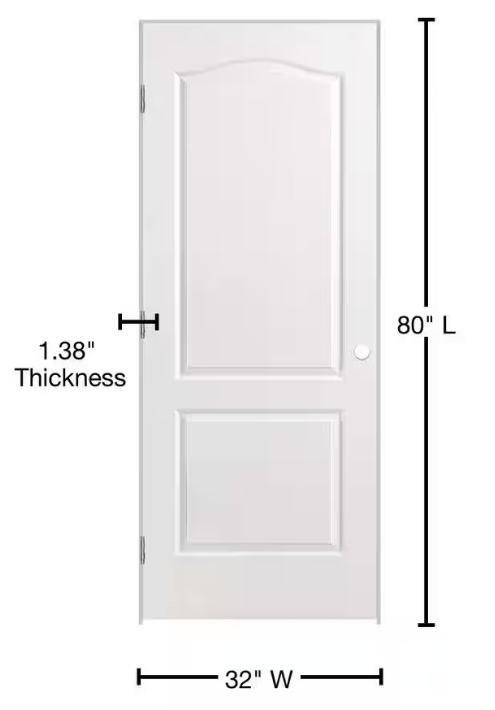
In North America, the standard interior door sizes are designed to meet the needs of most residential and commercial spaces. The most common interior door width is 32 inches. This size is frequently used for bedrooms, bathrooms, closets, and hallway doors. The standard height for interior doors is typically 80 inches, which is 6 feet, 8 inches tall.
30” × 80” (762mm × 2032mm) — Most Frequently Used
Ideal for:
- Standard bedrooms
- Bathrooms
- Closets
This size fits most common door openings in residential homes.
32” × 80” & 36” × 80” — Wider and More Accessible Options
Used for:
- Kitchens
- Larger rooms or master suites
- Utility rooms
- Accessible homes (ADA-friendly)
Door Thickness
- 1⅜” (35mm) → Most interior doors
- 1¾” (44mm) → Fire-rated, acoustic, or premium doors
Other Common Door Sizes for Special Applications
While the standard 32-inch by 80-inch door works for most typical interior spaces, there are other sizes and door configurations used for more specialized applications.
1. Double Doors (60”–72” combined width)
These are often installed in larger rooms, like dining rooms or offices, and are typically made up of two doors, each measuring 30 inches or 36 inches wide. The combined width of double doors can range from 60 inches to 72 inches, offering a broader opening.
2. Bi-fold Doors
Typically used in closets or small spaces, bi-fold doors consist of multiple panels that fold open. The individual panels are usually 24 inches wide, but this can vary depending on the specific design and manufacturer.
3. Sliding Doors (60”–96” wide)
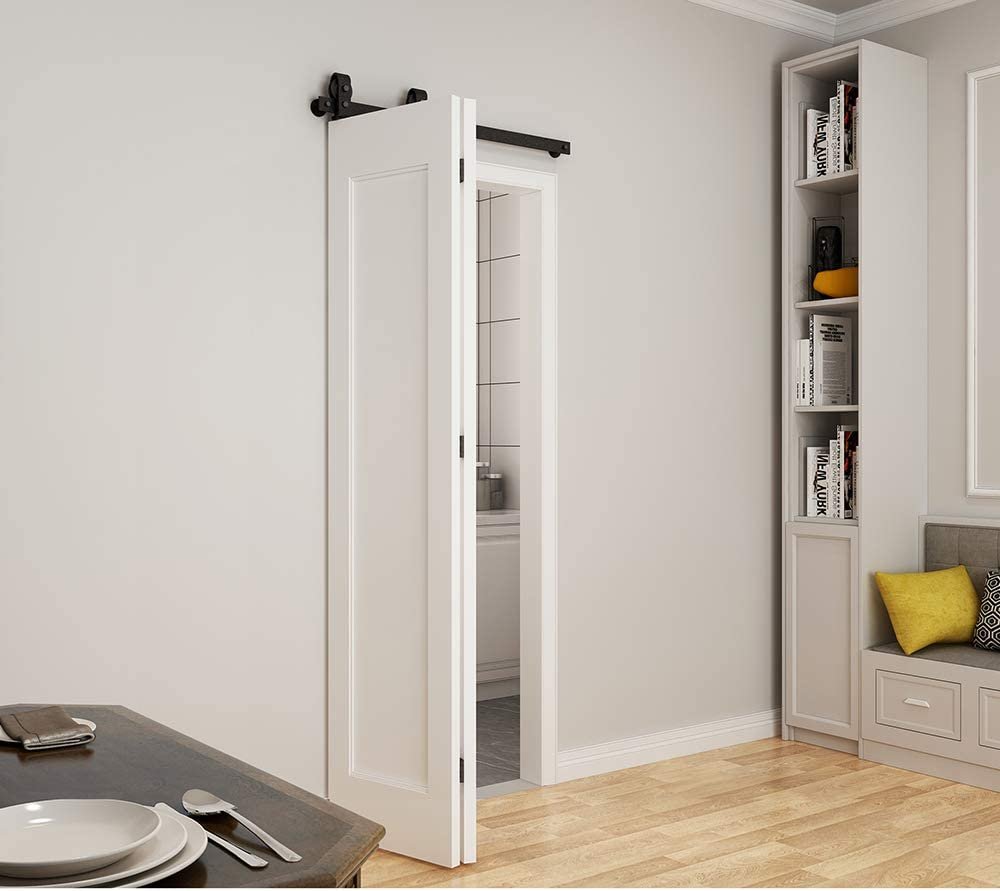
Sliding doors are often used in closets or as room dividers. These doors can range from 60 inches to 96 inches wide, depending on the space they’re designed to cover. Sliding doors are ideal for tight spaces where traditional swinging doors might not be feasible.
4.Barn Doors (28”–42” wide, height 84”–96”)
Perfect for living rooms, bedrooms, offices, or closet openings, barn doors slide on an exposed track and save floor space while adding a decorative, rustic, or modern accent to the room.
5. Pocket Doors (24”–36”)
These are ideal for rooms with limited space, as they slide into the wall and don’t require additional space to swing open.
| Door Type | Typical Sizes | Common Applications | Notes |
|---|---|---|---|
| Double Doors | 60”–72” combined width (30” or 36” per leaf) | Dining rooms Offices Large bedrooms | Creates a wide, elegant opening; ideal for larger spaces |
| Bi-fold Doors | Panels usually start at 24” each | Closets Laundry rooms Utility spaces | Space-saving; folds instead of swinging open |
| Sliding Doors | 60”–96” wide | Closets Pantries Small rooms with limited swing clearance Room dividers | Glides along a track; excellent for modern or narrow layouts |
| Barn Doors (Sliding Barn Doors) | 28”–42” wide (common), height often 84”–96” | Living rooms Bedrooms Offices Closet openings | Decorative + functional; slides on an exposed track; ideal for rustic, farmhouse, or modern interior styles |
| Pocket Doors | 24”–36” wide | Tight spaces Bathrooms Walk-in closets | Slides into the wall cavity; requires zero swing space |
Builder’s Guide: Interior Door Sizes and Installation Considerations
For builders, selecting the right door sizes not only affects construction efficiency but also impacts overall project costs and timelines. Below are key considerations:
- Prioritize Standard Sizes: A 32″ × 80″ door fits most residential openings, enabling faster installation and minimizing on-site adjustments.
- Account for Special Room Requirements: Kitchens, master bedrooms, or larger common areas may require 36″ doors or double doors. Ensure that sufficient rough opening space is planned in advance.
- Incorporate Accessibility: For homes designed for seniors or individuals with limited mobility, it is recommended to use wider door openings (32″ or more) to meet accessibility standards.
- Ensure Measurement Accuracy: When measuring rough openings on-site, accuracy is critical to ensure the door frame, thickness, and wall align properly, reducing the risk of rework.
- Plan Inventory and Ordering Strategies: Coordinate with suppliers regarding lead times for standard doors and commonly used specialty doors to keep the project on schedule.
By focusing on these considerations, builders can improve construction efficiency, reduce material waste, and ensure timely project completion.
Retailers and Wholesalers: What Size Door Should You Stock?
The highest-demand size is 32” × 80”, but stocking a complete range improves sales coverage.
Recommended inventory:
- 28” × 80” for small rooms or older homes
- 30” × 80” for bedrooms & bathrooms
- 32” × 80” most universal
- 36” × 80” for accessibility
For customers with custom or complex projects, keep in stock:
- Double doors
- Bi-fold systems
- Sliding and pocket doors
Offering variety ensures you can serve builders, renovators, and designers with different needs.
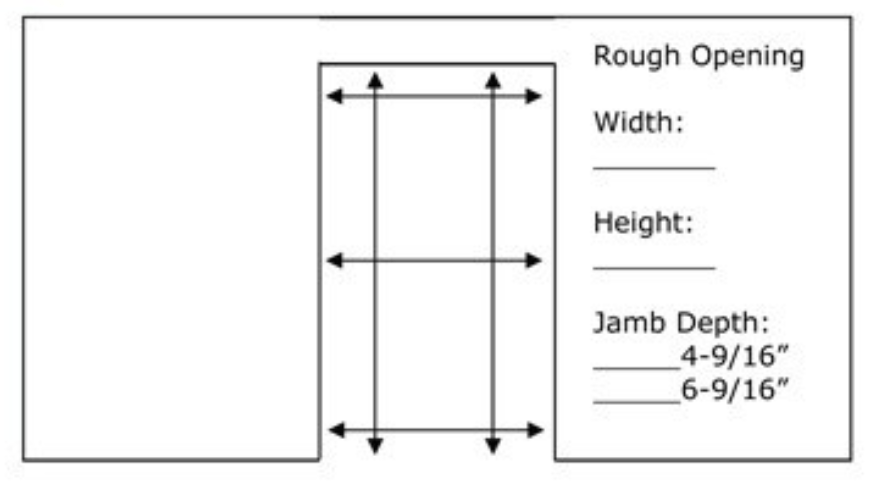
How to Measure a Door Opening for the Correct Door Size
To measure for the correct door size, first determine the rough opening by removing the interior casing and measuring the width and height of the studs from which the door frame will be installed. Take three width measurements (top, middle, and bottom) and use the smallest one, then subtract 2 inches to find your final width. Measure the height at the sides, use the smaller measurement, and subtract 3 inches to get your final height.
To ensure the proper fit of an interior door, accurate measurements of the door opening are essential. Here’s how you can measure:
- Width: Measure across the door opening at three different points—at the top, middle, and bottom. Use the smallest of these measurements to determine the door width.
- Height: Measure from the floor to the top of the door frame to determine the height. Make sure there is enough clearance to accommodate the door’s hinges and handle.
- Depth: The thickness of the wall surrounding the door frame also needs to be measured. This will help you select a door frame that fits the wall thickness properly.
Summary: Making the Right Choice for Your Project
The most common interior door size in North America is 32 inches by 80 inches, which suits most residential and commercial spaces. However, builders, contractors, and wholesalers should be prepared to offer a range of sizes to accommodate specific project needs. Special door types such as double doors, bi-fold doors, and sliding doors are essential for certain applications, and offering these options will enhance your ability to meet client needs.
Taking accurate measurements of door openings ensures that the correct size is chosen, helping to avoid costly delays or alterations down the line. Whether you’re a builder selecting doors for a new project or a wholesaler stocking inventory, understanding the most common door sizes will help you make the best choice for your next installation.
For expert advice and a wide range of high-quality doors in standard and custom sizes, contact us today. Ensure your project runs smoothly with the right interior door solutions for every space!