Introduction
Picture two identical rooms—same layout, same color, same lighting. Yet one feels complete and elegant, while the other seems unfinished and plain. What makes the difference? In most cases, it’s the moulding and trim.
Moulding and trim serve as the finishing touch that ties a room together. They bridge the gaps between walls, floors, ceilings, and doors, creating a sense of structure and balance. But beyond function, mouldings also define style and proportion. The right combination of profiles, sizes, and finishes can transform a simple space into one that feels refined, cohesive, and professionally designed.
For builders, moulding and trim are not just decorative details—they’re strategic design tools. The right selection can visually raise the ceiling, make a narrow hallway appear wider, or bring warmth and character to a minimalist interior. Whether it’s a crisp white baseboard in a modern apartment or a layered crown moulding in a classic colonial home, these elements help establish the project’s overall aesthetic identity.
Moulding and trim are the finishing touches that define a home’s style. They connect walls, floors, ceilings, and doors, bringing structure and balance to any space. The right profiles—like baseboards, casings, and crown mouldings—can make rooms feel taller, wider, or more refined. For a cohesive look, match trim styles with your doors, cabinets, and flooring: clean lines for modern interiors, layered mouldings for traditional ones. Choose colors and proportions wisely—white for timeless appeal, wood tones for warmth, or dark contrasts for bold accents. Thoughtful trim design turns simple spaces into elegant, well-finished interiors.

The Main Types of Moulding and Trim
To use moulding and trim effectively, it’s essential to understand the different types and their purposes. Each profile serves a unique function in defining transitions and enhancing the architectural character of a room.
Baseboard (Skirting Board)
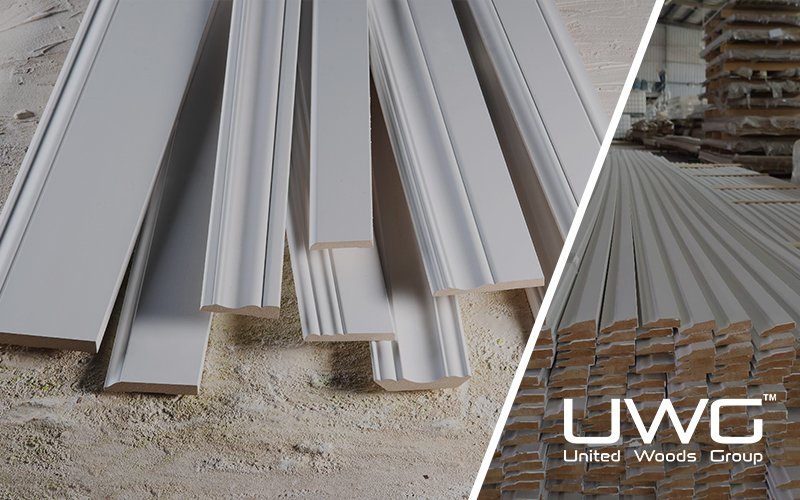
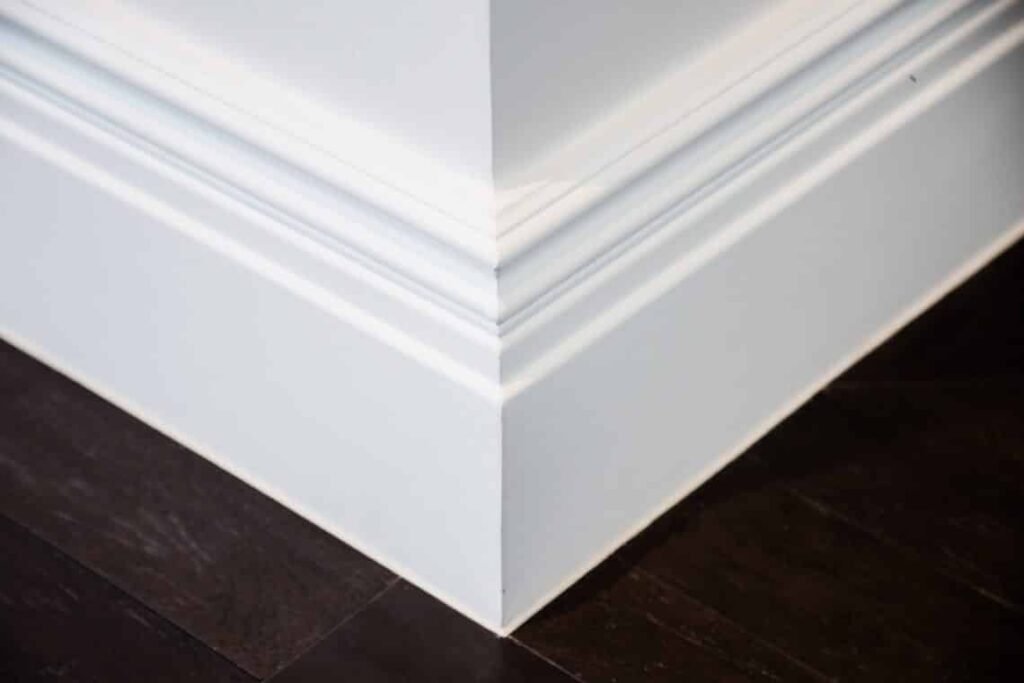
The baseboard runs along the bottom of the wall where it meets the floor. Its main purpose is to protect the wall from scuffs and moisture, while also providing a clean transition line between wall and flooring. Depending on the interior style, baseboards can be simple and flat for a modern look or tall and detailed for traditional spaces. MDF baseboards are widely used today because they are stable, easy to paint, and available in a wide range of profiles.
Casing (Door and Window Trim)
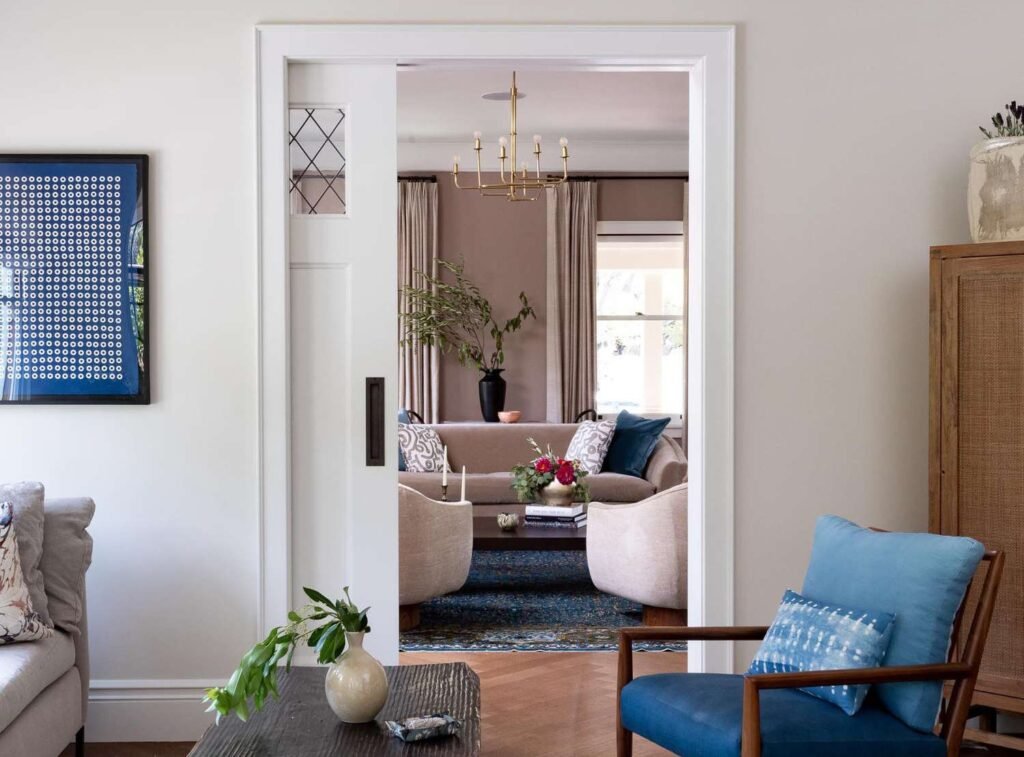
Casings frame doors and windows, serving as a visual border that defines the openings. They conceal the gaps between drywall and frames, while contributing to the room’s design style. Builders often choose Shaker-style casings for clean, rectangular lines in modern homes, or more decorative profiles with bevels and curves for classic designs. When paired properly with the baseboard, casings create a seamless visual flow around the room.
Crown Moulding (Cornice)
Crown moulding sits at the junction of the wall and ceiling, softening the transition and giving the room a polished, finished appearance. It is often used to add height and elegance to a space. In tall rooms, layered crown mouldings can create a grand impression, while in modern interiors, simpler single-step profiles achieve a sleek effect. MDF crown mouldings are lightweight and easy to install, making them ideal for large-scale residential projects.

Chair Rail and Wall Moulding
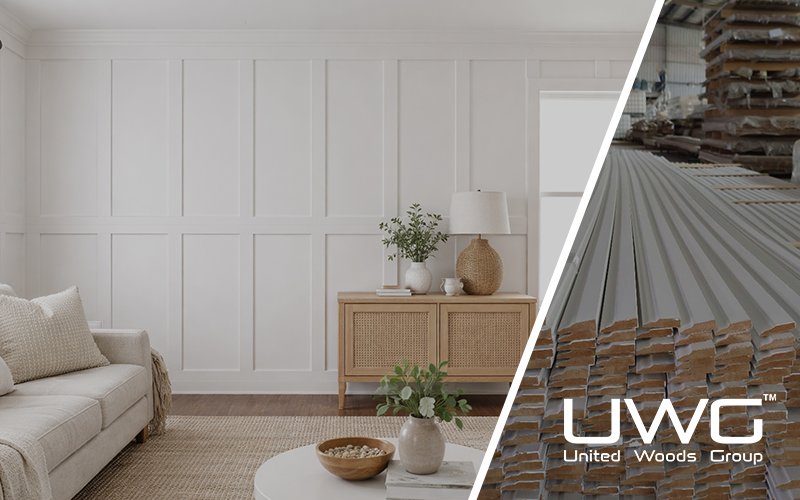
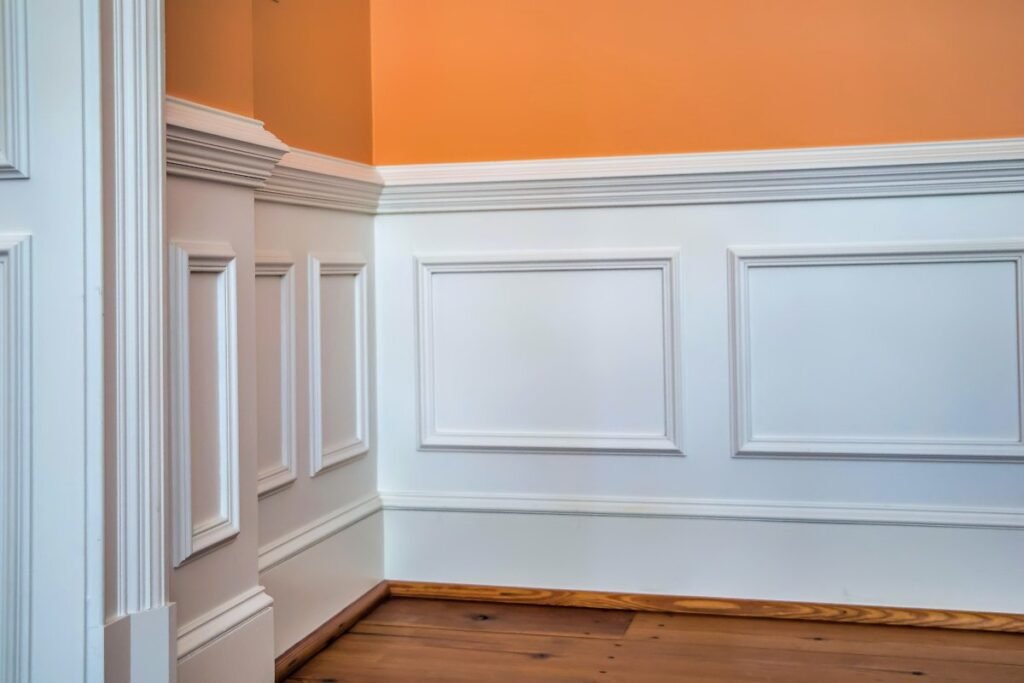
Chair rails are horizontal trims that run around a room, traditionally installed to protect walls from furniture damage. Today, they are also used decoratively to divide wall sections or create panelled effects. Wall mouldings (applied trims that form rectangles or geometric shapes on walls) are gaining popularity in both residential and commercial projects for adding depth and texture. These can be customized to create modern wainscoting, grid patterns, or accent walls.
Each of these moulding types can dramatically influence how a space feels—formal or relaxed, traditional or contemporary. For builders, knowing how to combine these profiles correctly is the first step to achieving professional, high-value interior results.
How to Match Moulding with Doors, Cabinets, and Flooring
Choosing the right moulding is not just about picking a profile—it’s about coordination. Moulding should connect visually with other architectural elements like doors, cabinets, and flooring to create a cohesive, balanced space. Builders who understand this relationship can transform an ordinary interior into a well-designed environment that feels intentional and seamless.
Moulding and Interior Doors
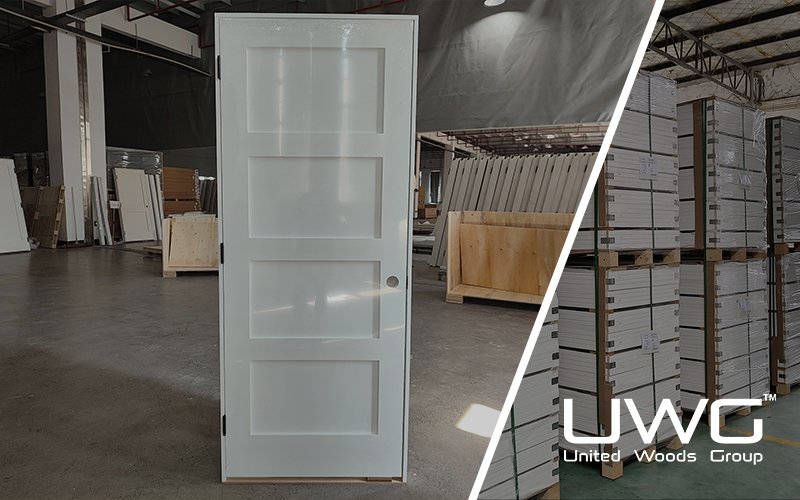
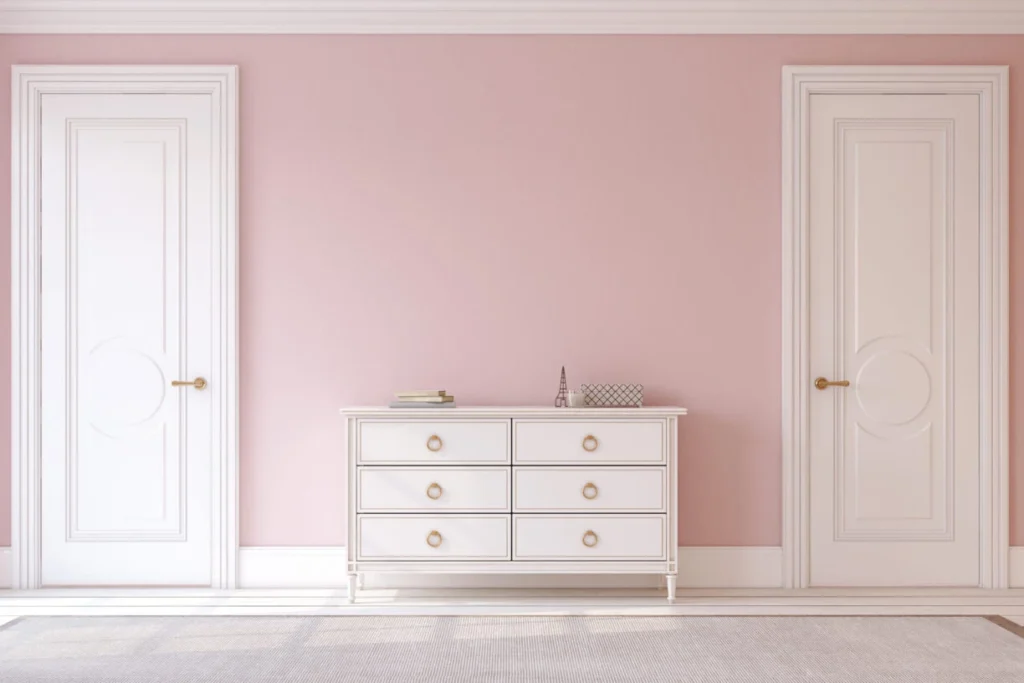
Doors and trims naturally go hand in hand. The casing around a door should complement the door’s design in both shape and proportion. For example, a Shaker-style door with clean, straight edges pairs best with simple rectangular casings and baseboards, while paneled or raised-profile doors work well with more decorative trims. Another key detail is thickness coordination—if the casing is too thick or too thin compared to the doorframe or baseboard, it can disrupt visual balance. Builders often align the top edge of the baseboard with the lower edge of the casing to create a smooth, professional transition.
Moulding and Cabinets
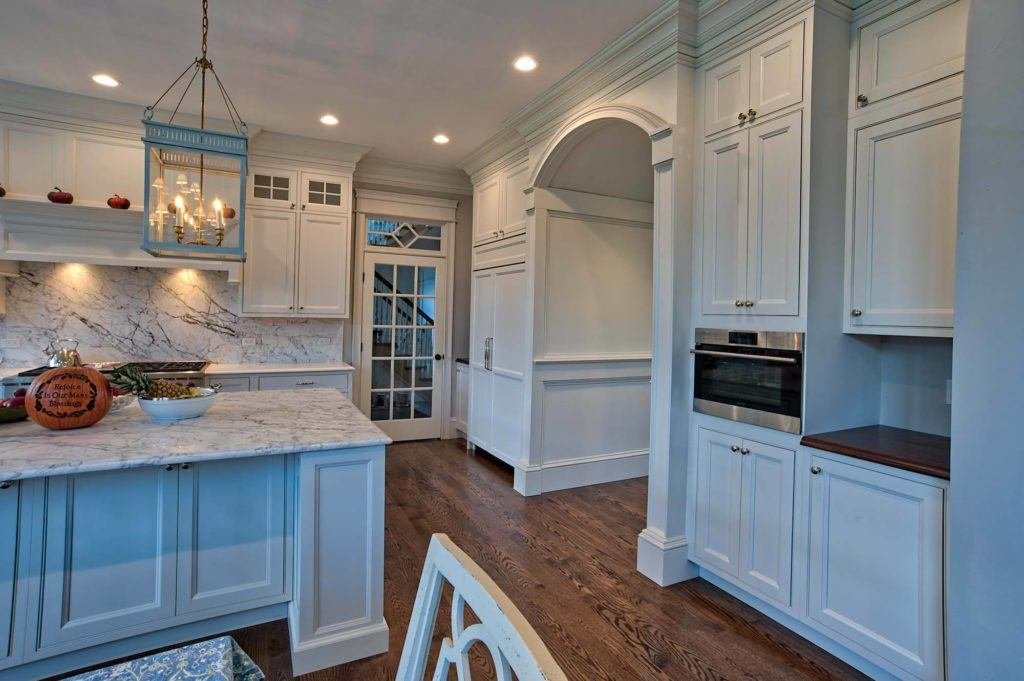
Cabinetry, especially in kitchens and living areas, can benefit greatly from matching trims. Crown mouldings above kitchen cabinets can bridge the gap between cabinet tops and ceilings, making the design look built-in and complete. Similarly, toe-kick mouldings or light rails at the base of cabinets add subtle refinement. When using Shaker or flat-panel cabinets, stick with minimal trims to maintain the clean modern aesthetic; for classic or farmhouse kitchens, layered crown mouldings and detailed casings enhance visual richness.
Moulding and Flooring
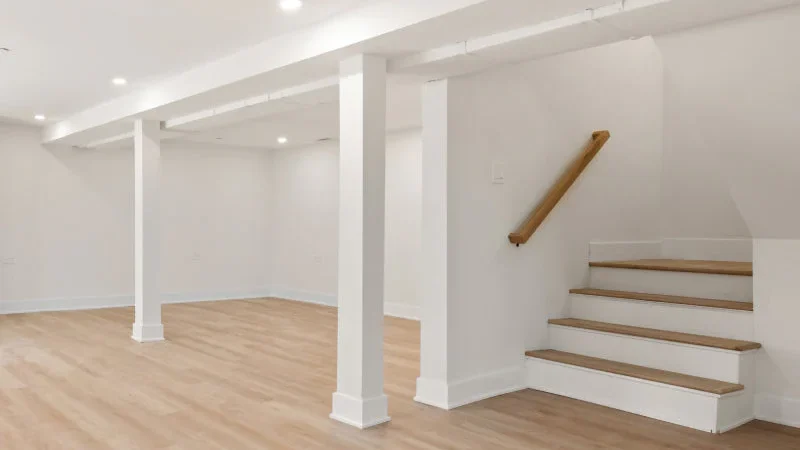
The connection between the baseboard and flooring is one of the most visible transitions in any room. The baseboard should coordinate not only in color but also in material and finish.
- For wood or laminate floors, white or painted MDF baseboards create contrast and highlight floor textures.
- For tile or stone floors, matching tones or slightly darker trims can ground the space and create continuity. In multi-material spaces, consistency in baseboard profile helps unify the look even if flooring types change from room to room. Builders should also consider shoe moulding (quarter-round trim) to cover expansion gaps and achieve a polished finish.
Keeping Style Consistent
A well-coordinated room follows one style language. Mixing ornate crown moulding with ultra-minimalist doors, for instance, can make a space feel disjointed. A good rule of thumb is:
- Simple trims for modern interiors.
- Layered, decorative trims for traditional spaces.
- Transitional trims (moderate detail, flat edges) for in-between styles.
When moulding, doors, cabinets, and flooring share a consistent visual rhythm, the entire home feels more harmonious, higher-end, and professionally designed.
Choosing Colors, Profiles, and Dimensions – The Designer’s Secret
Once you’ve selected the right type of moulding, the next challenge is how to choose its color, profile, and size. These design details have a powerful impact on how a room feels. The wrong proportions or mismatched colors can ruin an otherwise perfect design, while well-chosen mouldings subtly elevate every space.
Color Selection
Color is the most immediate visual cue.
- Classic White: The safest and most timeless option. White mouldings frame walls, brighten rooms, and complement nearly every color palette.
- Natural Wood Tones: Great for rustic, farmhouse, or Scandinavian interiors. They bring warmth and pair beautifully with neutral or earthy walls.
- Contrasting Colors: In modern projects, darker trims—such as black or deep gray—can create striking borders and emphasize architectural lines. When working with pre-finished or painted MDF mouldings, consistency of sheen (matte, satin, or gloss) is also important for a professional look.
Profile and Style
The profile shape defines the room’s overall character.
- Flat or Square-edge profiles suit minimalist and contemporary spaces.
- Beveled and stepped profiles work well in transitional interiors that blend modern and classic elements.
- Ornate or layered mouldings add depth to traditional, Victorian, or colonial homes. Builders should choose profiles that reflect the design intent of the space rather than overdecorating—restraint often looks more refined than excess.
Size and Proportion
A key design principle: the larger the space, the bigger the moulding you can use.
- For rooms with high ceilings (9 ft or above), tall baseboards (5–7 inches) and layered crown mouldings create grandeur.
- For smaller or modern spaces, slimmer profiles (3–4 inches) keep the design clean and proportional. Also, always maintain balance—baseboards, casings, and crown mouldings should share similar visual weight.
Avoiding Common Mistakes
Even experienced builders can make errors when it comes to trim design:
- Oversized mouldings in low-ceiling rooms can make spaces feel compressed.
- Mismatched colors between baseboards and door casings create visual breaks.
- Mixing styles (e.g., ornate crown with plain doors) can feel inconsistent.
- Ignoring wall thickness or door frame depth may lead to uneven joints.
Professional Tips for Installation
- Use pre-primed MDF mouldings to save painting time.
- Always miter corners precisely for seamless joints.
- When combining trims, test-fit profiles together before installation.
- For larger projects, order from the same batch to maintain uniform finish and density.
With these principles, moulding becomes more than decoration—it becomes a design system that enhances proportion, depth, and flow. The right combination of color, profile, and size ensures every room feels tailored, cohesive, and complete.
Case Study – Transforming a Room with Moulding and Trim
A builder was tasked with updating a plain, newly constructed living room—8-foot ceilings, white drywall, laminate flooring, and flush doors. The client wanted the space to feel more elegant but without major structural changes. Instead of redesigning the layout, the builder focused entirely on moulding details.
First, 5-inch MDF baseboards were installed to visually anchor the room. Their clean Shaker profile gave the lower wall a crisp, solid finish. Around each door, matching flat casings were added for continuity. To give the ceiling more presence, a 4-inch crown moulding was applied, creating a gentle shadow line that made the ceiling appear higher. Finally, a few wall moulding frames were added behind the sofa to form a simple geometric pattern, introducing texture and elegance without clutter.
The result was dramatic. The room, previously flat and ordinary, now looked balanced, tailored, and high-end. The cost was modest, but the perceived value of the home increased significantly—a perfect example of how moulding can redefine a space through proportion and finish rather than expensive materials.
For builders, this demonstrates a key takeaway: attention to moulding and trim design is one of the most cost-effective ways to elevate a project’s overall aesthetic. Whether you’re working on residential or commercial interiors, thoughtful trim selection ensures your work stands out for both craftsmanship and visual harmony.
Conclusion
Moulding and trim may seem like finishing details, but they have the power to define a home’s entire personality. By choosing the right type, profile, color, and proportion, and coordinating them carefully with doors, cabinets, and flooring, builders can turn ordinary rooms into cohesive, high-end interiors. Whether it’s a subtle baseboard line or a layered crown moulding, these elements bring structure, balance, and sophistication to every project—proving that thoughtful trim work is one of the simplest and most effective ways to elevate a home’s style.