
In today’s fast-paced construction industry, time and coordination have become as critical as the materials themselves. Every builder knows the frustration of standing on-site with a crew ready to work—yet one essential component hasn’t arrived.
The framing may be on-site, but the doors are still on back order; the siding has been delivered, but the trim or thresholds are missing.
This kind of logistical mismatch doesn’t just delay a project—it drives up costs, ties up storage space, and strains relationships with clients. And the larger the project, the harder it gets to keep every moving part synchronized.
That’s where flexible mixed shipments come in.
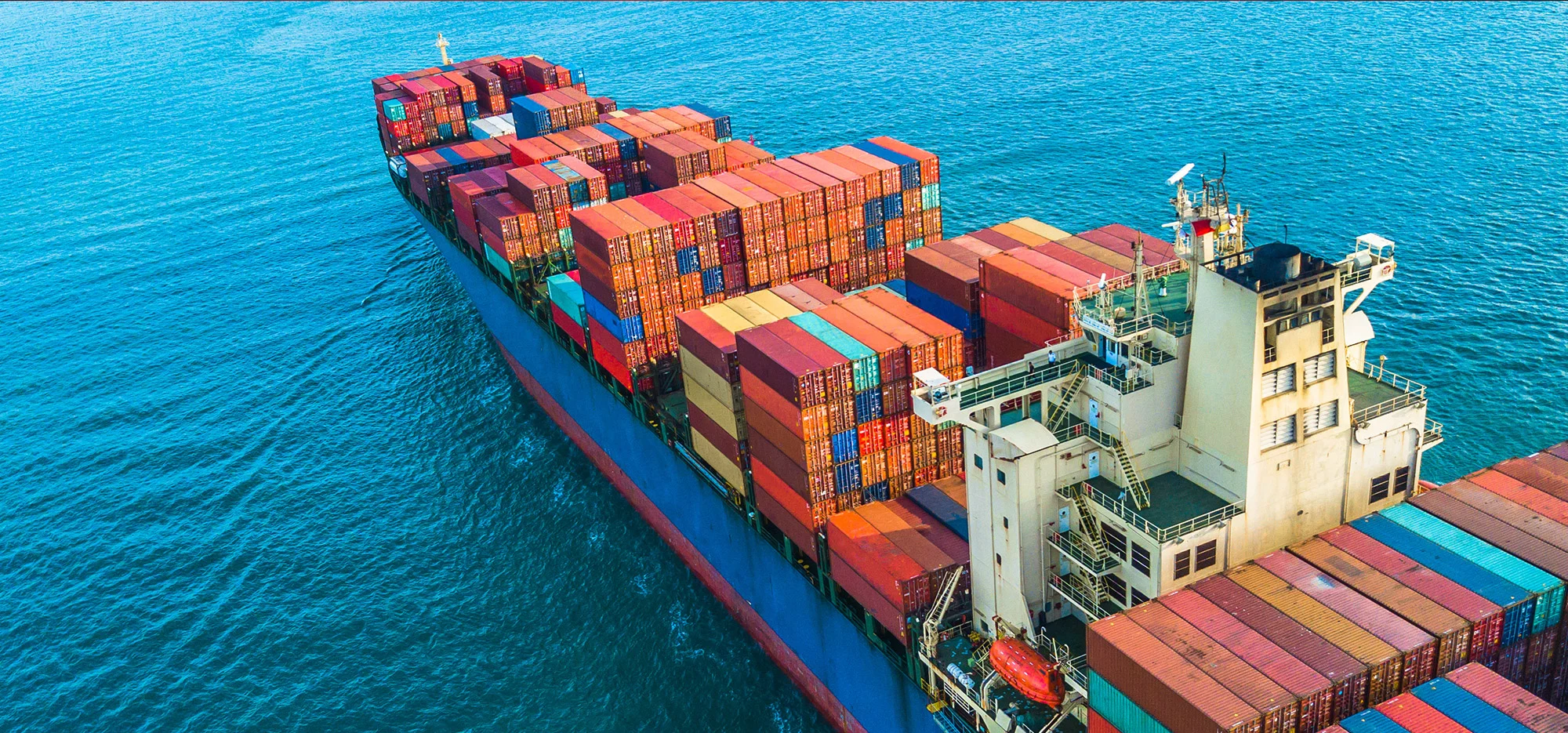
Flexible mixed shipments consolidate different construction materials—like doors, frames, hardware, and accessories—into a single delivery per project phase. Instead of waiting for separate suppliers, builders receive all needed items together, exactly when required. This approach reduces delays, lowers freight costs, minimizes on-site storage and damage, and simplifies inventory management, allowing crews to work efficiently and maintain continuous, on-schedule construction.
🚚 What Is Mixed Shipping?
Mixed shipments, sometimes called mixed-load delivery or multi-SKU logistics, refer to a fulfillment model where materials from different product categories—such as doors, frames, hardware, and accessories—are consolidated into one shipment.
Instead of builders receiving multiple separate deliveries on different days, a mixed shipment allows everything needed for a specific construction phase to arrive together, in one load.
Think of it as the opposite of the traditional “by-supplier” method. Instead of waiting for each manufacturer or distributor to deliver their own items separately, mixed shipping combines all relevant materials into one optimized package.

🧱 Why Builders Struggle Without It
Without a mixed shipment strategy, builders often face:
- Delivery Delays & Downtime – Waiting for that last truck of door hardware can stall an entire crew.
- Excess Site Storage – Staging materials too early takes up valuable on-site space and increases damage risk.
- Higher Freight Costs – Multiple partial loads often mean duplicated transport fees.
- Coordination Chaos – More vendors and deliveries mean more scheduling headaches, more phone calls, and more room for error.
Every missed delivery window or damaged package adds pressure to already tight construction schedules.
🌟 The Benefits of Flexible Mixed Shipments
Implementing mixed shipments changes the logistics equation completely:
- Just-in-Time Delivery Materials arrive when the team needs them—not weeks before or days after. That keeps the site organized and productive.
- Reduced Freight Costs By consolidating loads, builders cut down on total trips and transport fees while lowering the project’s carbon footprint.
- Simplified Inventory Management With grouped shipments, tracking materials per project or per unit becomes effortless. You know exactly what’s arrived, what’s pending, and what’s next.
- Minimized Damage & Waste Fewer transfers between suppliers mean fewer opportunities for materials to be misplaced or damaged.
- Seamless Project Flow When materials arrive by construction phase—framing, doors, finishes—crews can keep building without interruptions.

⚙️ How We Make Mixed Shipments Work
At United Woods Group, we’ve built our logistics system around flexibility and precision. Our modular mixed-shipment model allows builders to receive exactly what they need, when they need it—no more, no less.
Here’s how we make it possible:
- Centralized Coordination – We consolidate materials from multiple production lines (such as fiberglass doors, PVC frames, hardware kits, and accessories) into one seamless outbound workflow.
- Phase-Based Packaging – Each shipment is organized according to your project phase—foundation, framing, finishing—so your crews receive everything required for that stage at once.
- Dynamic Scheduling – Our logistics system allows for flexible delivery windows. If your site progress changes, we adapt shipment timing accordingly.
- Real-Time Visibility – With integrated tracking and documentation, builders can monitor each shipment and stay updated from warehouse to jobsite.
- Sustainability First – By reducing redundant deliveries and maximizing truckload efficiency, we help partners minimize both costs and carbon emissions.
🔑 Building Smarter, Not Harder
The future of construction logistics isn’t just about speed—it’s about precision, coordination, and control. Flexible mixed shipments give builders all three.
Whether you’re managing a single custom home or a multi-unit development, the ability to synchronize delivery with workflow turns logistics from a headache into a competitive advantage.
When your crews always have the right materials, productivity increases, waste drops, and your customers notice the difference.
At United Woods Group, we believe that better logistics build better homes—and flexible mixed shipments are one of the smartest tools to make that happen.

💬 Final Thought
If you’re a builder tired of juggling inconsistent deliveries, delayed hardware, or mismatched lead times, it’s time to rethink how your materials arrive.
Flexible mixed shipments are not just about convenience—they’re about building with confidence, precision, and efficiency.
Get in touch with our team to learn how modular, mixed-load shipping can streamline your next build.