Modern construction demands more than strength and style — it demands responsibility. As climate concerns grow, so does the need for eco-conscious materials. Yet, with evolving innovations and greenwashing everywhere, many builders are left unsure which materials truly make a difference. Let’s break it all down.
In 2025, the most eco-friendly building materials include FSC-certified wood, recycled steel, low-VOC paints, bio-based concrete, mycelium insulation, and algae tiles. These materials combine sustainability, durability, and aesthetics—making them ideal for green construction and stylish home design.
Want to future-proof your next project while staying ahead of the green building curve? Read on.
What Is the Most Sustainable Building Material in 2025?
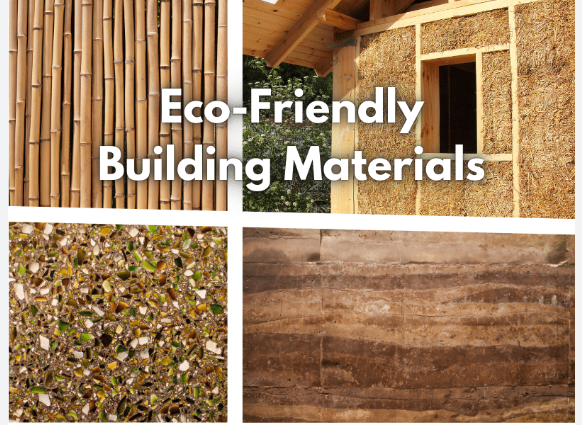
Bamboo remains a top pick — it grows fast, absorbs carbon, and rivals hardwood in strength. Reclaimed wood, salvaged from old structures, avoids deforestation and adds unique character. Recycled steel is also in demand for its high durability, long life cycle, and lower embodied energy compared to newly manufactured steel.
For interior use, certified sustainable wood products with FSC (Forest Stewardship Council) or PEFC labels ensure responsible forestry and minimal environmental impact.
How Are Eco-Friendly Materials Evolving in Construction?
Eco-materials are no longer just “natural” — they’re engineered for performance and precision. Biodegradable building materials now feature in insulation, underlayment, and paneling. Composite boards made from agricultural waste or recycled paper are gaining traction for cabinetry and wall finishes.
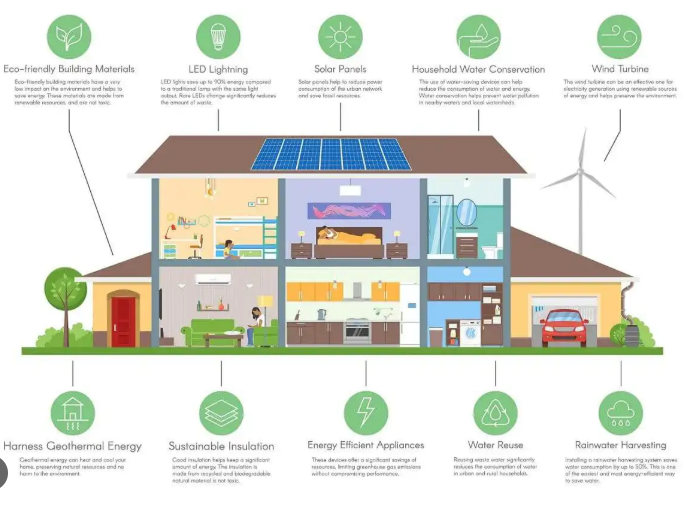
More manufacturers are developing materials that improve indoor air quality, regulate temperature naturally, and reduce energy use across a building’s lifespan. This makes them ideal for zero-waste construction trends.
What Innovative Eco-Materials Are Trending in 2025?
The front line of green innovation includes:
- Bio-Based Concrete – Made using recycled aggregate and carbon-capturing processes
- Mycelium Insulation – Grown from fungi, naturally fire-resistant, and fully compostable
- Algae Tiles – Regenerative tiles made from algae biomass
- Recycled Composite Boards – Durable surfaces made from reclaimed plastic and wood fiber
- Air-purifying Paints – Not only low-VOC, but actively clean indoor air
These materials meet the demand for sustainable interior design 2025 that doesn’t sacrifice looks or strength.
What Are the Benefits of Using Sustainable Materials?
- Lower carbon emissions from manufacturing
- Healthier indoor environments via low-VOC or no-VOC materials
- Resource conservation through reuse and renewables
- Long-term cost savings from durability and energy efficiency
- Higher resale and certification value for green-certified homes
Whether aiming for LEED, WELL, or local green building codes, the materials you use matter more than ever.
How to Choose Eco-Friendly Wood and Boards for Interiors?
Start by confirming certification: look for FSC, PEFC, or reclaimed labels. Next, ask about the finish — many composite boards use harmful adhesives. Opt for those using formaldehyde-free binders.
Engineered wood made from agricultural byproducts, like wheat straw or bagasse, is becoming a stylish and sustainable option for interiors, particularly in cabinetry and wall panels.
Bonus tip: Don’t overlook bamboo plywood — incredibly strong and visually sleek.

What Are Low VOC Paints and Why Do They Matter?
Low VOC (Volatile Organic Compounds) paints release fewer harmful gases, which improves indoor air quality and occupant health. This is especially critical for residential builds.
Top low VOC paint for homes in 2025 also includes air-purifying properties, resistance to mold, and long-lasting coverage. Brands are responding to demand by offering matte, eggshell, and even glossy eco-safe finishes.
Always check labels: “Zero VOC” may still contain additives. Look for GreenGuard or Ecolabel certifications.
What to Know About Buying Recycled Construction Materials?
Sourcing recycled construction materials can lower project costs and environmental footprint — but quality control is essential.
Tips:
- Verify structural integrity for critical components like steel or load-bearing timber
- Use recycled aggregates in non-structural concrete applications
- Reclaimed tiles, bricks, and hardwood are great for decorative or secondary finishes
Ensure materials meet local codes and check for contamination in older components (especially those pre-1980s).
Is Zero-Waste Construction Realistic in 2025?
Yes — with planning. Zero-waste construction relies on:
- Modular design for material efficiency
- Deconstruction (not demolition) for reuse
- On-site sorting and recycling
- Smart ordering to reduce surplus
Many builders are integrating digital material tracking to monitor waste and manage reuse efficiently. Expect this to be a selling point for green-minded clients.
How to Integrate Sustainable Materials in Interior Design?
Sustainability doesn’t mean sterile. Eco-friendly finishes now come in luxurious textures and vibrant palettes. Popular choices include:
- Recycled glass countertops
- Natural fiber wallcoverings (like hemp or jute)
- Non-toxic sealants for furniture and flooring
- Biodegradable acoustic panels made from wool or cork
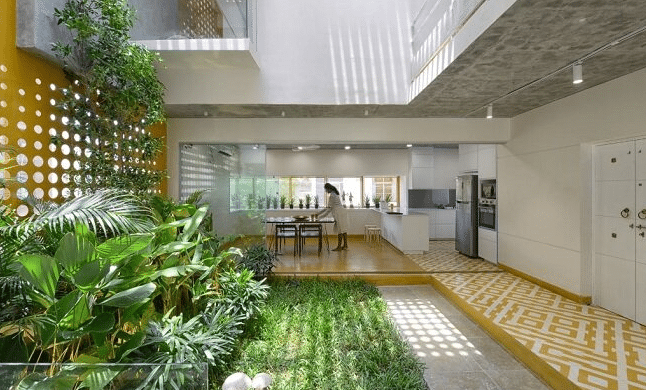
Designers are blending biophilic principles with performance materials to create stunning, functional spaces.
What Should Contractors Consider When Choosing Green Materials?
Aside from price, contractors should assess:
- Material availability — Can it be sourced locally to cut transport emissions?
- Durability — Will it meet performance demands over decades?
- Certifications and standards — Especially for energy efficiency and safety
- Client education — Many homeowners need guidance on long-term benefits over short-term savings
Construction pros who align their work with eco-friendly home renovation materials are already ahead of market demands.
Final Thoughts
In 2025, sustainable construction is not just a niche — it’s the new normal. By choosing eco-friendly, durable, and stylish materials, you’re building homes that respect the planet and impress your clients.
Start by sourcing from verified green suppliers, explore local options, and experiment with innovative materials that deliver both form and function.