Introduction
Imagine walking into a freshly renovated bedroom — the walls are painted, the flooring gleams, and yet something feels incomplete. Then you notice it: the closet doors. Often overlooked, these panels can completely transform how a space looks and functions. Whether they slide, fold, or swing open, closet doors are more than just barriers to storage; they’re a key design feature that ties a room together.
So, what are the 10 types of closet doors that can truly transform your space? The most popular options include sliding doors, bifold doors, pocket doors, French doors, mirror doors, barn doors, louvered doors, accordion doors, glass panel doors, and pivot doors. Each type offers distinct advantages—from saving floor space to adding a bold architectural statement—and choosing the right one depends on your layout, style, and budget.
10 Types of Closet Doors
Sliding Closet Doors
A favorite for modern homes and tight spaces, sliding doors move smoothly along a track instead of swinging outward. They’re ideal for rooms where floor space is limited, offering a clean, streamlined appearance. Materials like frosted glass, mirrored panels, or wood veneer create sleek, contemporary looks that blend well with any interior style.

Bifold Closet Doors
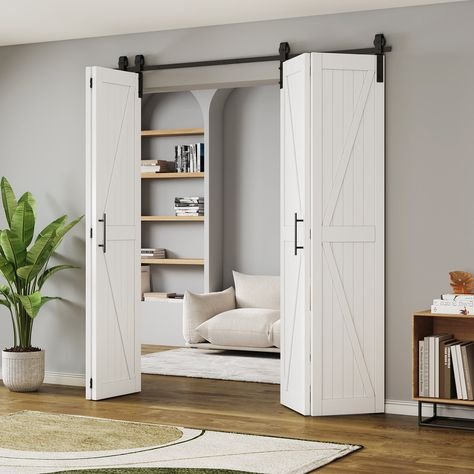
Made of two panels that fold outward, bifold doors are practical and budget-friendly. They provide easy access to the full closet opening while saving space compared to traditional hinged doors. Builders often recommend them for reach-in closets, laundry areas, or secondary bedrooms where space efficiency is key.
Pocket Closet Doors
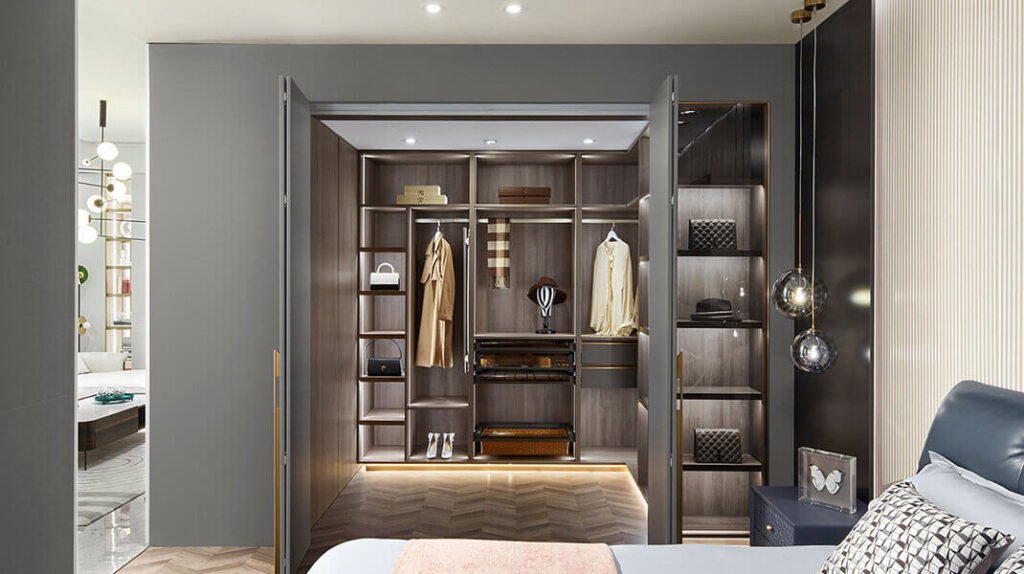
Pocket doors slide into the wall cavity, completely disappearing when open—an elegant, space-saving solution. Perfect for minimalistic or high-end interiors, they create a seamless transition between rooms and maximize usable floor area. Though installation is more complex, the result is clean and sophisticated.
French Closet Doors
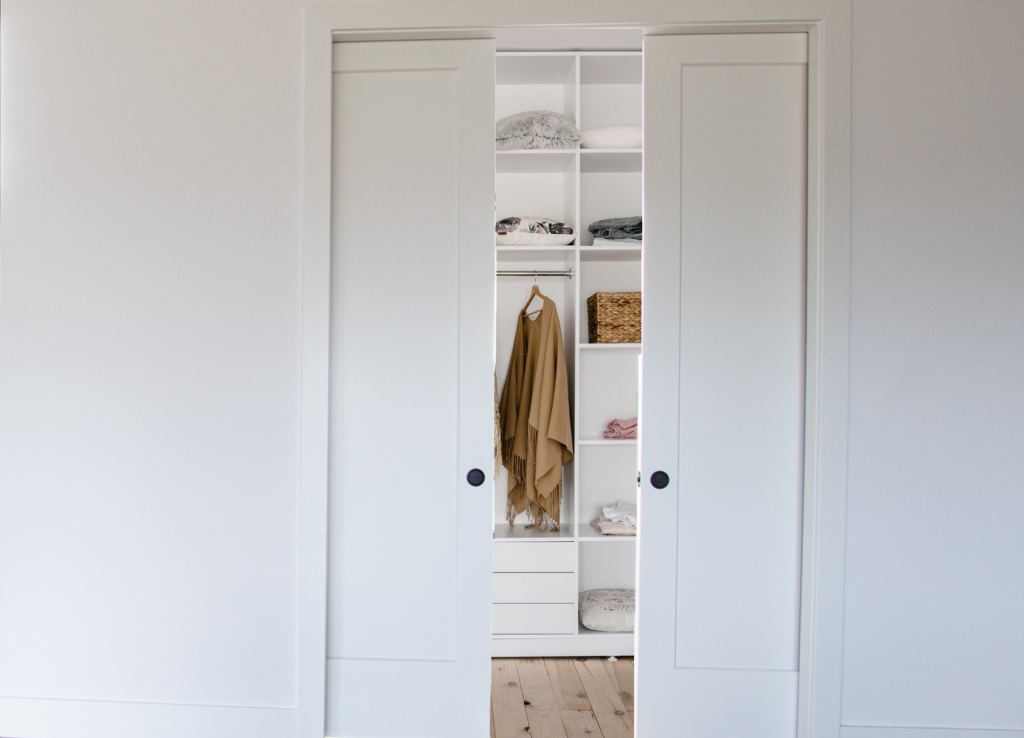
Known for their timeless charm, French doors feature two hinged panels that open outward, often with glass inserts. They add a touch of elegance and openness, making them a great fit for traditional or transitional interiors. French closet doors are especially popular in master bedrooms and walk-in closets.
Mirror Closet Doors
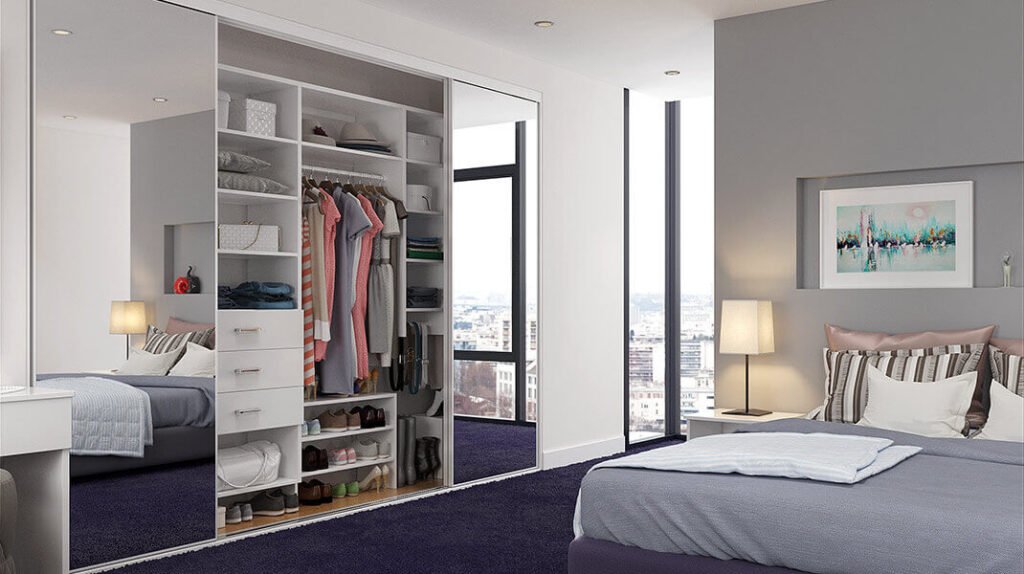
Combining function and style, mirrored doors make any room appear larger and brighter. They’re especially useful in small bedrooms or apartments, eliminating the need for a separate full-length mirror. Frameless mirror designs are trending, giving a sleek and modern touch to interiors.
Barn Closet Doors
Rustic yet stylish, barn doors slide on an exposed track, bringing farmhouse character into contemporary spaces. Available in reclaimed wood, painted MDF, or even metal, they serve as both functional doors and design statements. Builders love them for feature walls or statement closets.

Louvered Closet Doors
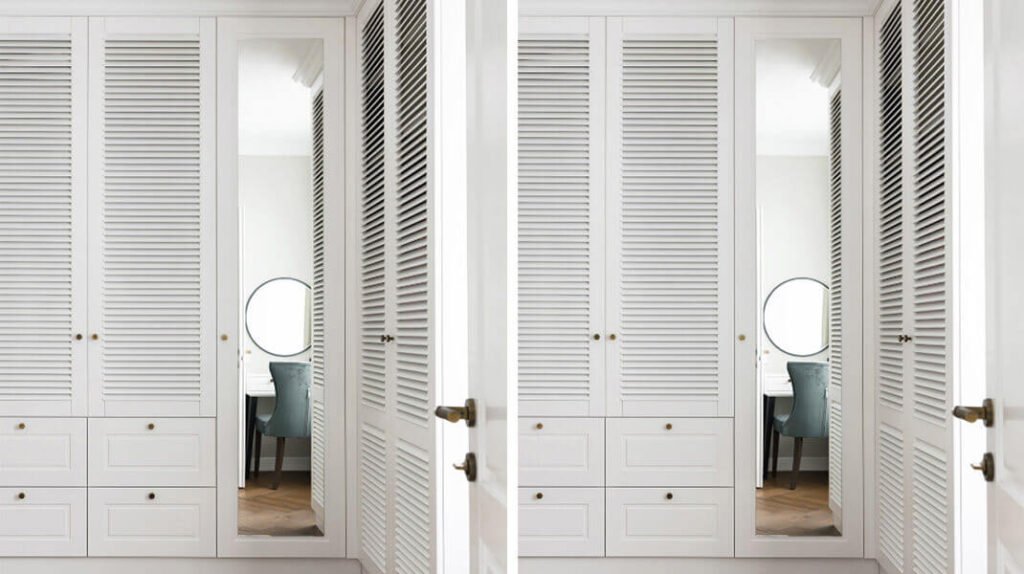
With slatted panels that allow airflow, louvered doors are ideal for closets that store clothes, linens, or utility items. The ventilation prevents moisture buildup and keeps contents fresh. They’re common in coastal, cottage, or tropical-style interiors.
Accordion Closet Doors
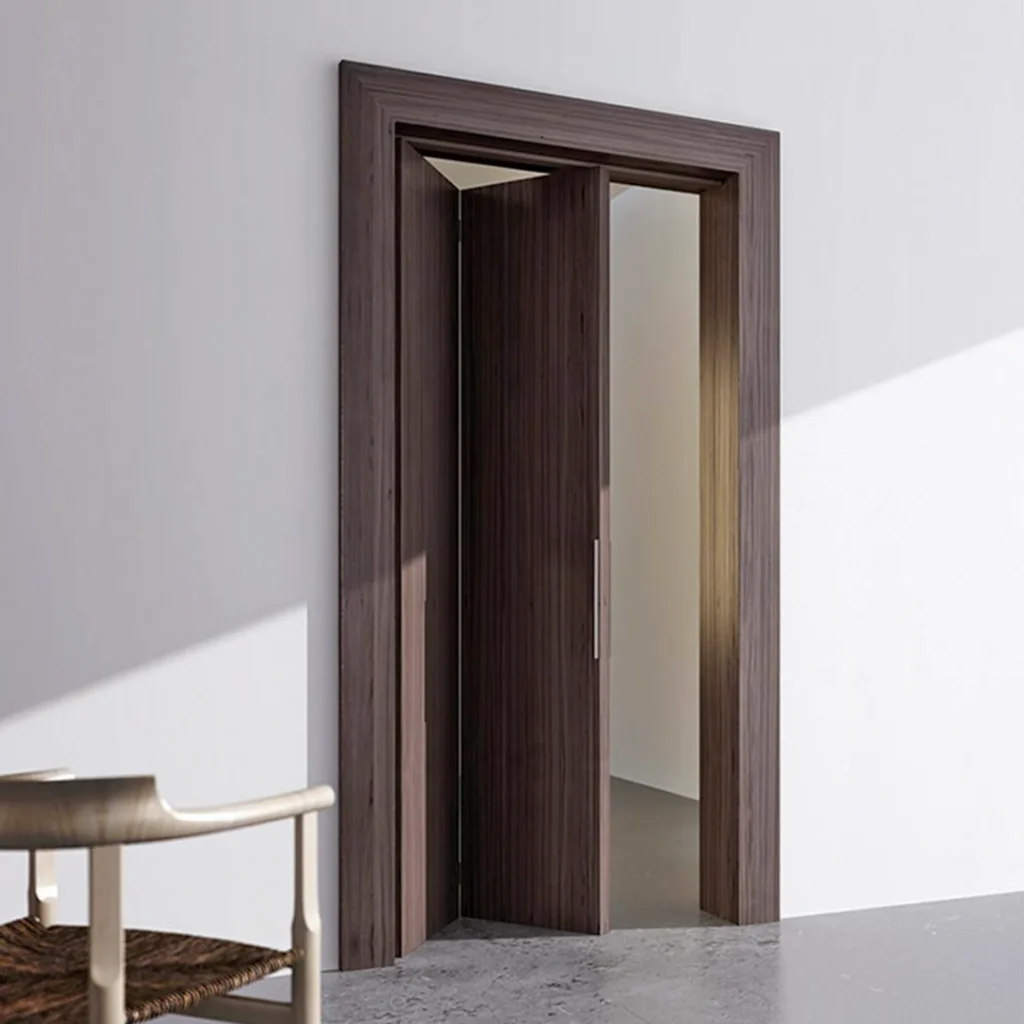
Accordion doors fold into multiple narrow panels, making them an ultra-space-efficient choice. While they’re often used in budget-friendly projects or apartments, newer vinyl and laminate finishes have elevated their look, making them suitable for modern designs.
Glass Panel Closet Doors
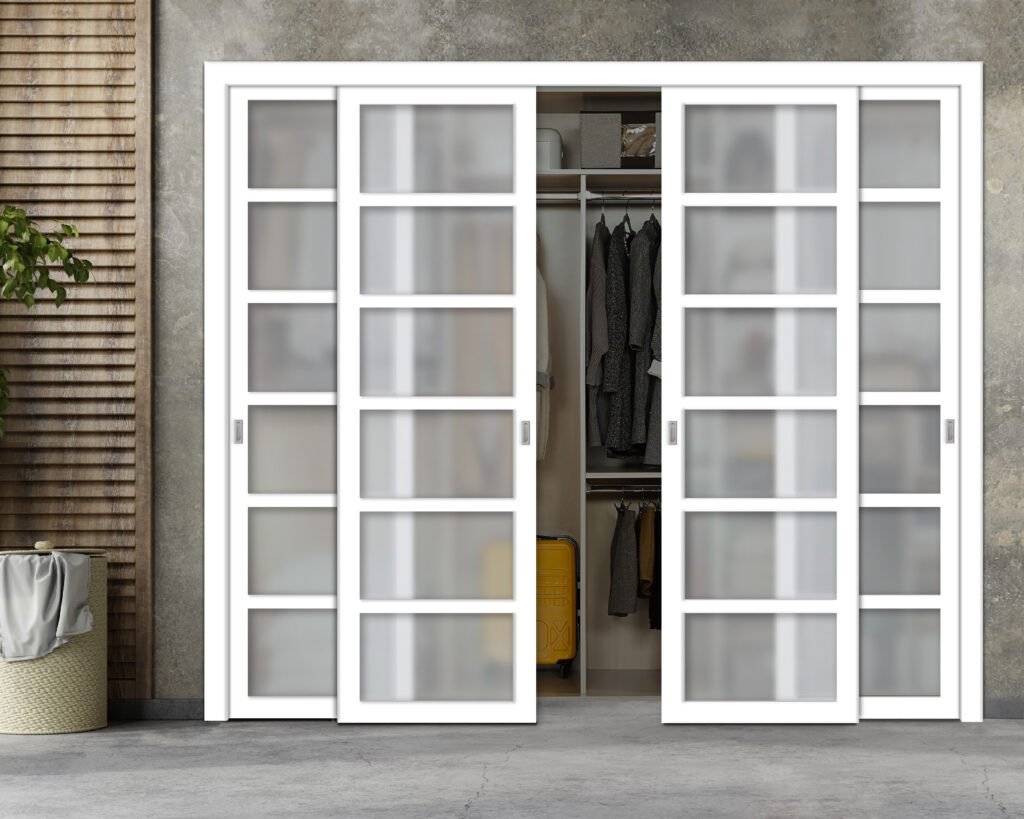
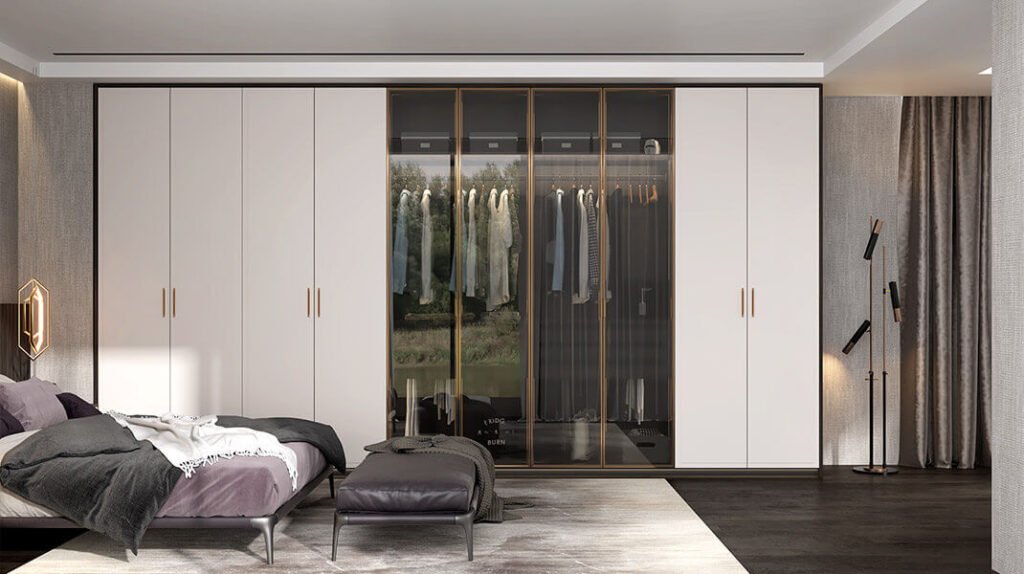
These doors feature clear, frosted, or tinted glass panels framed in aluminum or wood. They’re perfect for adding a light, airy feel to a room while showcasing interior organization. Frosted glass is especially popular for a clean, semi-private look.
Pivot Closet Doors
Unlike traditional hinges, pivot doors rotate on a central axis, creating a luxurious and contemporary aesthetic. They’re often used in upscale projects or walk-in closets to add architectural drama. With smooth mechanisms and minimalist design, pivot doors redefine the modern wardrobe entrance.
Design & Material Trends
As closet doors evolve from simple storage solutions to integral design elements, recent trends highlight a shift toward minimalism, natural materials, and smarter functionality. Builders and homeowners alike are paying closer attention to finishes, textures, and hardware details that elevate everyday living spaces.
Minimalist and Frameless Designs
Clean lines and seamless edges are dominating modern interiors. Frameless sliding or pivot doors with hidden tracks and slim aluminum profiles create a sleek, uninterrupted look—perfect for contemporary apartments and luxury homes.
Natural Wood and Textured Finishes
The demand for organic aesthetics continues to rise. Finishes like white oak, walnut, and ash veneer bring warmth and character, while fluted or reeded textures add visual depth. Engineered wood and MDF options are increasingly favored for their durability and consistent grain patterns.
Matte and Neutral Color Palettes
Matte finishes in soft whites, greys, and beige tones are trending over glossy ones, lending a calm, sophisticated feel. These neutral shades also make it easy to coordinate closet doors with flooring, wall panels, and cabinetry for a cohesive interior.
Smart Hardware and Soft-Close Systems
Smooth-glide tracks, concealed hinges, and soft-close mechanisms are becoming standard features. They not only improve functionality but also enhance the user experience by eliminating noise and wear—important details that buyers appreciate in high-end builds.
Eco-Friendly Materials and Finishes
Sustainability is shaping product design more than ever. Many manufacturers now offer water-based paints, low-VOC coatings, and recyclable materials. Eco-conscious builders are opting for these greener alternatives to meet both client expectations and environmental standards.
Choosing the Right Closet Door
Selecting the right closet door is not only about appearance—it’s about how the door functions within your space. The ideal choice depends on layout, lifestyle, and the overall design intent. Here are a few key points to guide your decision.
Consider Your Space and Layout
For smaller rooms, sliding or bifold doors are excellent space-savers, eliminating the need for clearance to swing open. If you’re designing a custom walk-in or want a seamless look, pocket or pivot doors can create a sleek, modern effect without cluttering the floor area.
Match the Door Style to Your Interior Theme
The door should complement your room’s design language. Barn doors add warmth and rustic charm, while French or glass panel doors fit perfectly in transitional and elegant settings. For minimalist homes, opt for frameless sliding or mirror doors to maintain a clean aesthetic.
Choose the Right Material and Finish
If you prefer durability and affordability, MDF with UV paint or melamine surfaces is a great option. For luxury projects, natural wood veneers like oak or walnut bring richness and authenticity. In humid areas, louvered designs promote ventilation and prevent mold buildup.
Evaluate Functionality and Maintenance
Think about who will be using the closet daily. Soft-close mechanisms, sturdy tracks, and easy-clean surfaces make a big difference in long-term satisfaction. Builders should also consider installation ease and long-term stability—especially for multi-unit projects.
Balance Cost and Value
While solid wood or custom-built doors can elevate a space, modern engineered materials often provide the same visual appeal at a lower cost. The key is finding the right balance between style, performance, and budget to achieve lasting value.
Conclusion
Closet doors may seem like a minor detail, but they have the power to redefine a room’s appearance and functionality. From space-saving sliding doors to elegant French styles, the right choice enhances both organization and design harmony. With today’s trends emphasizing clean lines, natural finishes, and seamless operation, a thoughtfully selected closet door can effortlessly elevate any space.