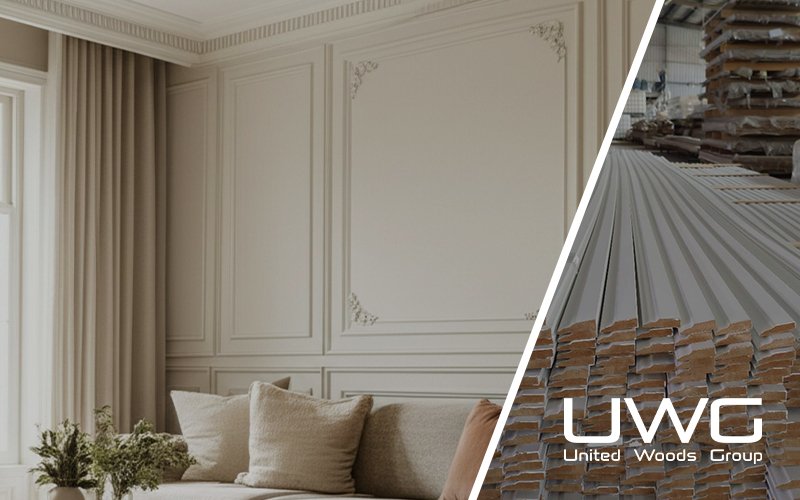
What makes primed MDF moulding the material of choice for modern interiors? With tighter build schedules and cleaner design lines, contractors and designers are turning to MDF for trim solutions that balance precision, cost, and visual simplicity.
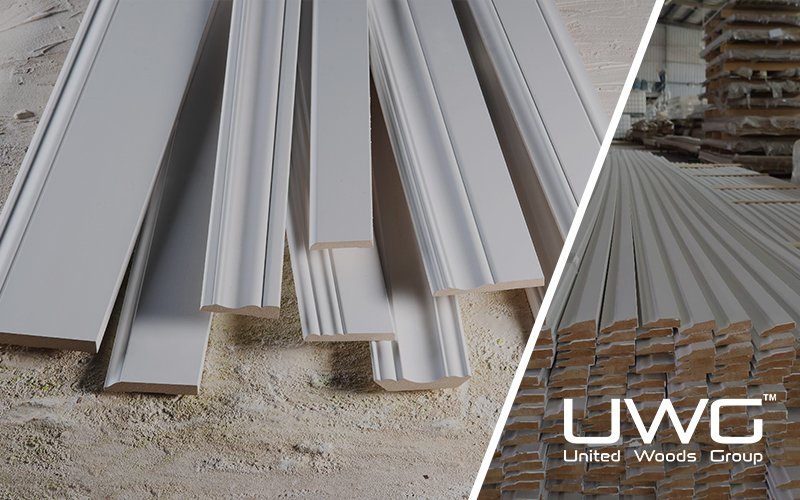
Primed MDF mouldings are widely used in modern interiors due to their smooth, paint-ready surface, dimensional stability, and lower cost compared to wood. They’re ideal for baseboards, casings, crown mouldings, and decorative wall treatments where a clean, uniform finish is required.
Let’s break down the material’s advantages, common moulding types, key interior uses, and environmental performance.
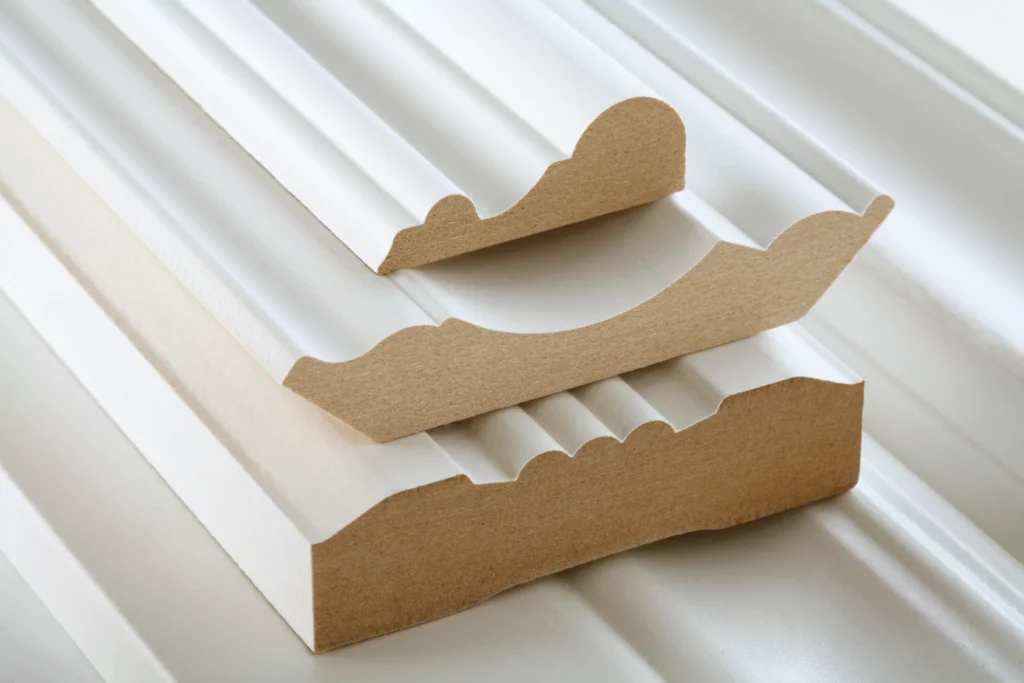
Why Use Primed MDF Moulding?
Before selecting materials for trim packages, builders must evaluate not only appearance—but also consistency, speed of install, and scalability. Here’s why primed MDF moulding has become a standard across modern interior projects:
1. Cost-Efficiency — Without Compromising Finish Quality
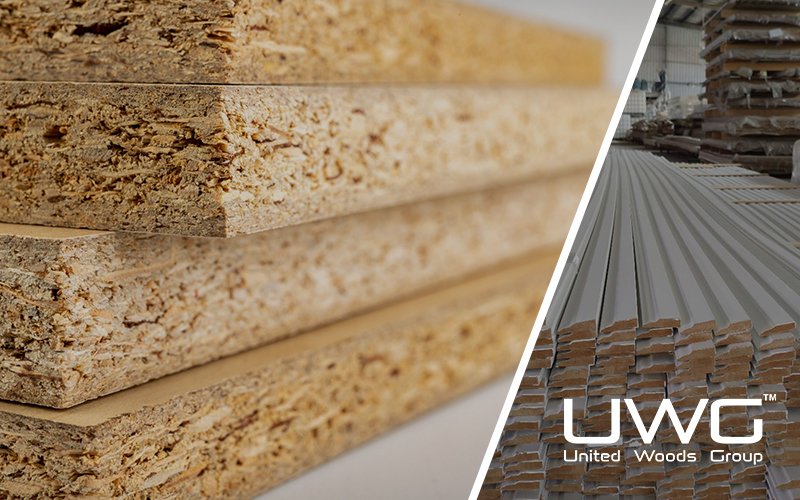
Primed MDF typically costs 30–60% less than solid wood trim, especially in taller profiles like 5″–7″ baseboards or crown mouldings. This is due to its engineered composition—a blend of wood fibers and resin compressed under high pressure—which eliminates material waste and optimizes yield in manufacturing.
Solid wood mouldings often have defects like knots, warping, or inconsistent grain, resulting in unusable footage. MDF, on the other hand, arrives in uniform lengths with minimal waste per stick—meaning every board you buy is installable.
On a 200-unit multi-family build, switching from FJ pine to MDF could cut trim package costs by 30% or more, while reducing sorting and rejection on-site.
2. Perfectly Smooth, Paint-Ready Surface
Unlike wood, MDF has no grain, no knots, and no resin bleed. The ultra-fine fiber structure creates a completely smooth surface, which when primed at the factory, is ready for finish coats immediately.
Solid wood may absorb primer unevenly or show grain rise after painting. MDF stays flat and uniform, even under gloss finishes—delivering a high-end look with less prep work.
Painters spend less time sanding or back-priming, which shaves 30–50% off finishing time per room. That adds up on larger commercial jobs.
3. Factory-Primed for Faster Turnaround
Primed MDF mouldings come coated with a consistent, machine-applied primer, typically UV-cured. This primer is formulated to bond well with latex and alkyd paints, and eliminates the need for on-site priming.
Pre-primed surfaces resist warping during storage, install cleanly without extra prep, and accept finish coats directly. That’s a one-coat-and-done system in many interiors.
Factory-primed trim supports compressed construction timelines and helps crews maintain finish schedules, particularly in model homes or commercial interiors requiring rapid turnover.
4. Dimensional Stability Under Indoor Conditions
Because MDF is engineered, it’s less reactive to temperature and humidity changes compared to natural wood. It won’t cup, twist, or split under normal indoor conditions, especially when properly sealed.
Solid wood expands or contracts across grain when seasons shift or HVAC loads change. That movement can crack caulk lines, open seams, and telegraph flaws through paint.
With MDF, seams stay closed, corners stay tight, and caulk lines hold longer. That reduces callbacks, warranty work, and long-term maintenance costs—especially critical in spec builds and rental properties.
5. Easy to Cut, Customize, and Install
MDF is easier on tools and crews. It cuts cleanly on chop saws, takes nails without pre-drilling, and doesn’t splinter at the edges like plywood or hardwoods. It’s also dense enough for detailed profiles, but not so hard that it dulls blades quickly.
Crews don’t need to sort boards or adjust blades between profiles. Miters are cleaner, curves rout smoother, and scrap rates are lower.
MDF simplifies the workflow. A single crew can install all mouldings—crown, casing, base—with the same setup, saving time and reducing labor costs.
Summary of Benefits at the Jobsite Level
| Advantage | Technical Basis | Builder Impact |
|---|---|---|
| Low cost | Engineered board + minimal waste | Reduces trim budget by 30–60% |
| Paint-ready surface | No grain, knots, or resin bleed | Cleaner finish, less paint labor |
| Pre-primed finish | Factory-controlled coating | Faster install-to-paint cycle |
| Dimensional stability | Minimal expansion/contraction indoors | Fewer callbacks, longer-lasting joints |
| Workability | Easy to cut, shape, and fasten | Simplifies installation, speeds workflow |
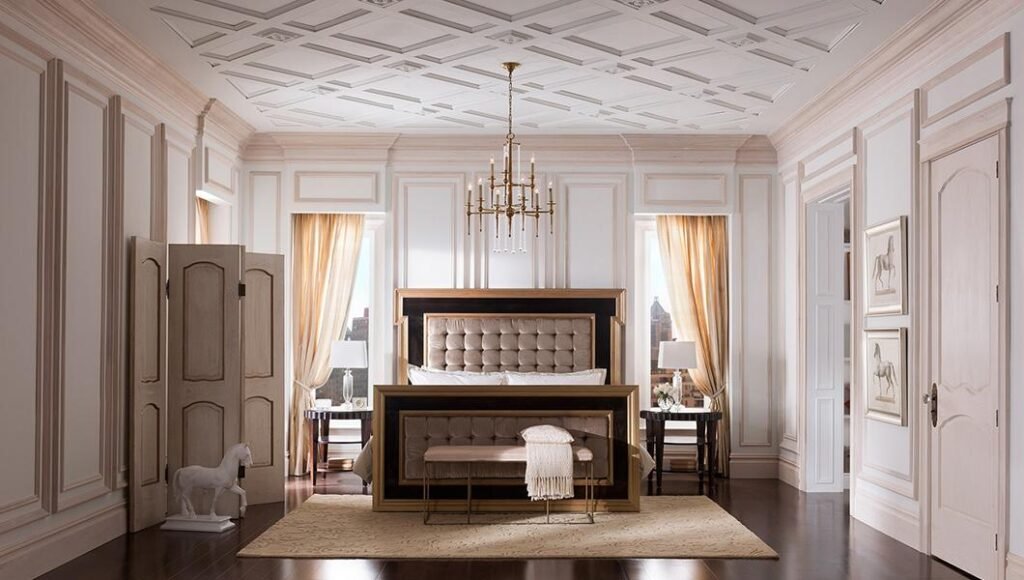
Common Interior Mouldings Made from Primed MDF
Primed MDF is widely used for paint-grade interior trim thanks to its consistency, affordability, and smooth finish. Below are the most common profiles made from MDF in modern construction:
| Trim Type | Typical Applications | Suitable Styles |
|---|---|---|
| Baseboards | Flat or beveled profiles (3″–7″) | Modern, Minimalist |
| Crown Mouldings | Cove, stepped, or flat designs | Transitional, Contemporary |
| Casings | Door and window framing | Clean-line interiors |
| Panel Mouldings | Picture-frame walls, chair rails | Decorative feature walls |
| Wainscoting Components | Boards, battens, caps, and rails | Modern-traditional blends |
| Wall Slats / Accent Strips | Custom vertical or geometric layouts | Scandinavian, Japandi |
Note: MDF is not recommended for exterior use, wet areas, or stain-grade applications due to its moisture sensitivity and lack of wood grain.
Where Are Primed MDF Mouldings Used in Modern Interiors?
Let’s look at how MDF trim profiles translate into real design and construction use cases across modern spaces:
1. Baseboards in Clean, Minimalist Interiors
Modern interiors favor flat or stepped baseboards with no decorative curves. MDF is ideal for tall, smooth profiles up to 7″, creating a crisp base transition that complements minimalist design.
Applications:
- Flush-painted living room walls
- Long, uniform apartment corridors
- Bedrooms requiring floor-to-wall continuity
2. Subtle Crown Mouldings for Visual Framing
In contemporary settings, crown is used sparingly to define space without drawing attention. MDF crown mouldings with clean cove or stepped shapes provide ceiling definition without visual clutter.
Applications:
- Tray ceilings in bedrooms
- Perimeter ceiling frames in open-plan zones
- LED lighting concealment in modern coves
3. Door and Window Casings for Seamless Transitions
MDF casings help unify door and window openings with surrounding trim. Their smooth edges and consistent sizing make them a go-to for clean-line interiors.
Applications:
- Painted door frames in new builds
- Developer units needing consistent trim kits
- Window surrounds for fixed-glass installations
4. Wall Panel Systems and Grid Designs
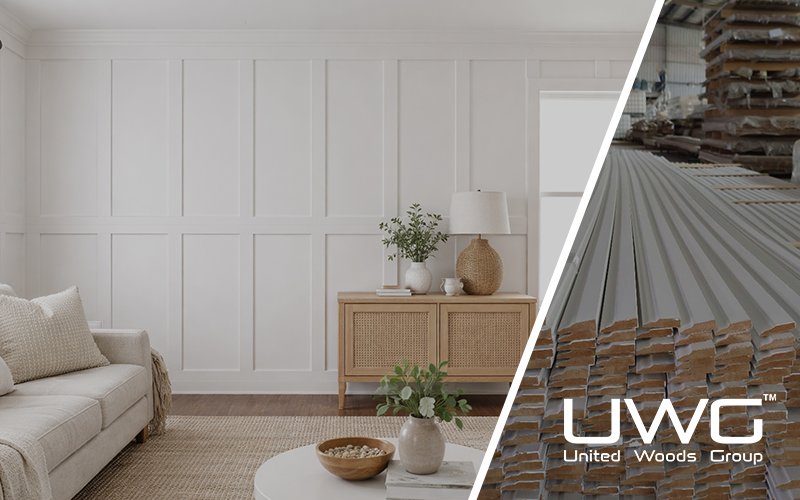
MDF rips cleanly into strips for use in geometric wall paneling or slat systems. It’s the most efficient option for building symmetrical or textural accent walls.
Applications:
- Grid walls behind entertainment units
- Entryways with applied moulding layouts
- Vertical slat panels in Scandinavian-style rooms
5. Transitional Wainscoting in Hybrid Interiors
Transitional designs often pair modern furniture with traditional wall detailing. MDF makes it easy to build painted wainscoting at chair-rail height with sharp corners and smooth profiles.
Applications:
- Board-and-batten or shaker-style treatments
- Recessed panel wainscoting for dining spaces
- Simple batten frames in stairways or corridors
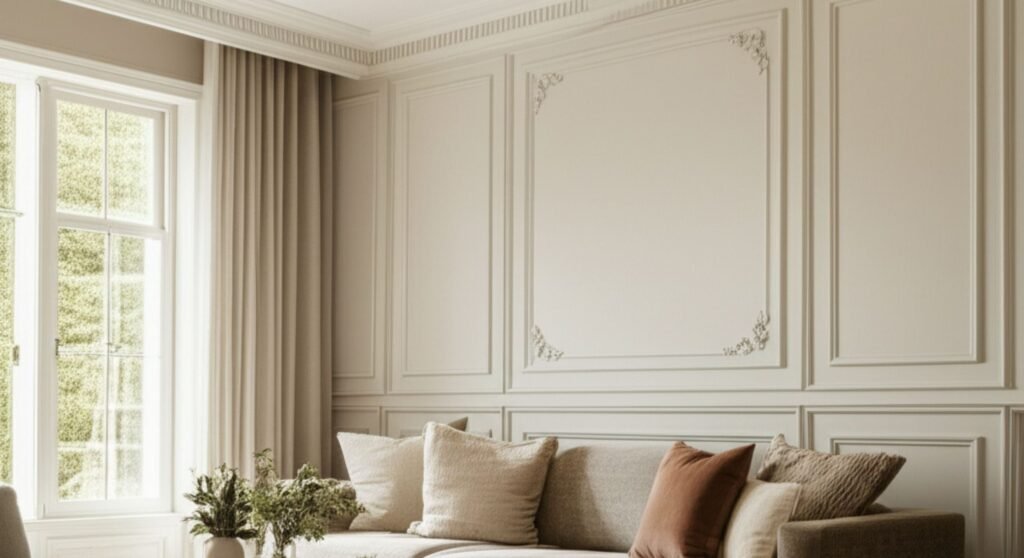
Is Primed MDF Environmentally Safe?
One common question on job sites is whether MDF is safe for use indoors—particularly regarding formaldehyde emissions from engineered wood products.
Here’s what professionals should know:
- Primed MDF is approved for indoor use in both the U.S. and European Union.
- Most interior-grade products today comply with:
- CARB Phase 2 Emissions Standard
- TSCA Title VI Certification (EPA)
- Low-Formaldehyde or NAF (No Added Formaldehyde) options
When sourced from certified manufacturers, primed MDF trim meets all required safety benchmarks for residential, commercial, and hospitality interiors. It’s widely used in LEED-compliant and green-labeled projects.
Summary
Primed MDF moulding offers builders a high-performance solution: affordable, stable, and paint-ready trim profiles—perfectly suited for modern interiors.
From tall baseboards to refined crown mouldings and clean-lined casings, MDF delivers:
- Consistent quality across every unit
- Smooth finishes with reduced labor prep
- Scalable installation in large projects or fast-turnover builds
Looking to simplify your trim package without compromising finish? Ask your supplier about bulk MDF profiles, customized lengths, or jobsite samples to spec confidently for your next interior build.