I keep hearing about “floating floors” in modern interiors — what exactly are they, and why are so many builders and homeowners choosing them?
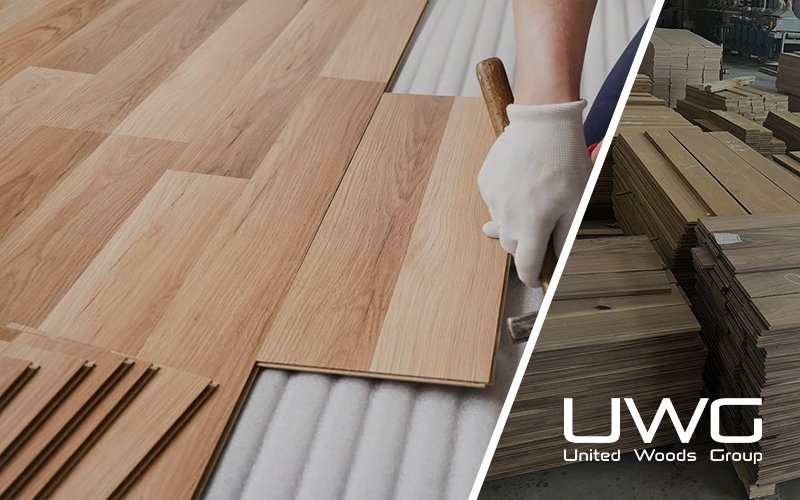
A floating floor isn’t a specific material, but a method of installation that allows the flooring surface to “float” over the subfloor without being nailed or glued down. Instead, each plank or tile interlocks with its neighbor, forming a stable surface that rests on a cushioned underlayment.
This innovative system makes flooring faster to install, easier to maintain, and often more affordable — without sacrificing aesthetics or durability. Whether it’s laminate, SPC vinyl, or engineered wood, floating floors have become the go-to solution for modern spaces that value both performance and design flexibility.
What Is a Floating Floor?
A floating floor is a flooring system where planks or tiles connect to each other rather than being fixed to the subfloor. This creates a “floating” layer that’s supported by an underlayment for cushioning, sound absorption, and moisture control.
The design allows the flooring to expand and contract naturally with changes in humidity and temperature — a huge advantage in environments where traditional flooring might crack or warp.
Why Builders Love Floating Floors
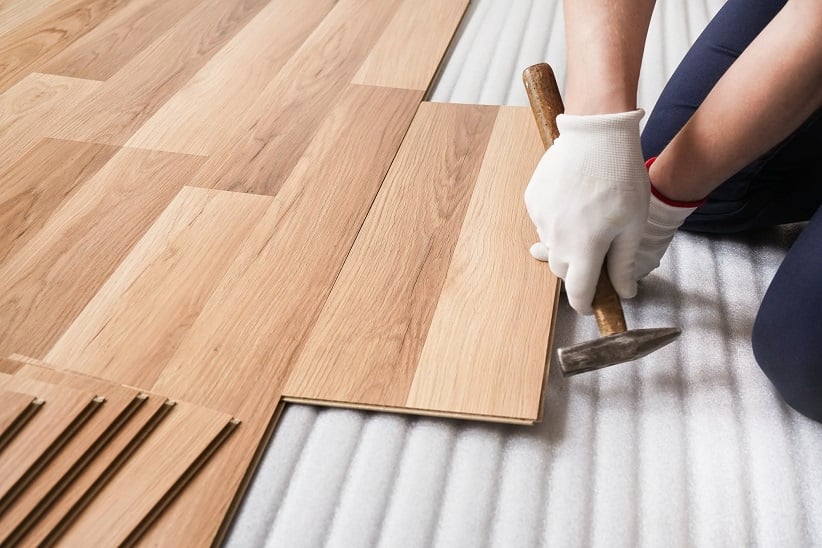
For professionals, time is money — and floating floors save plenty of both. Installation is fast and clean: no adhesives, no long curing times, and no heavy machinery. It’s perfect for renovation projects, rental units, and commercial spaces that can’t afford long downtimes.
Homeowners love them too because they can often install floating floors on their own with minimal tools. The result? A professional-looking floor at a fraction of the cost of hardwood or tile.
Key Benefits of Floating Floors

1. Fast and Simple Installation
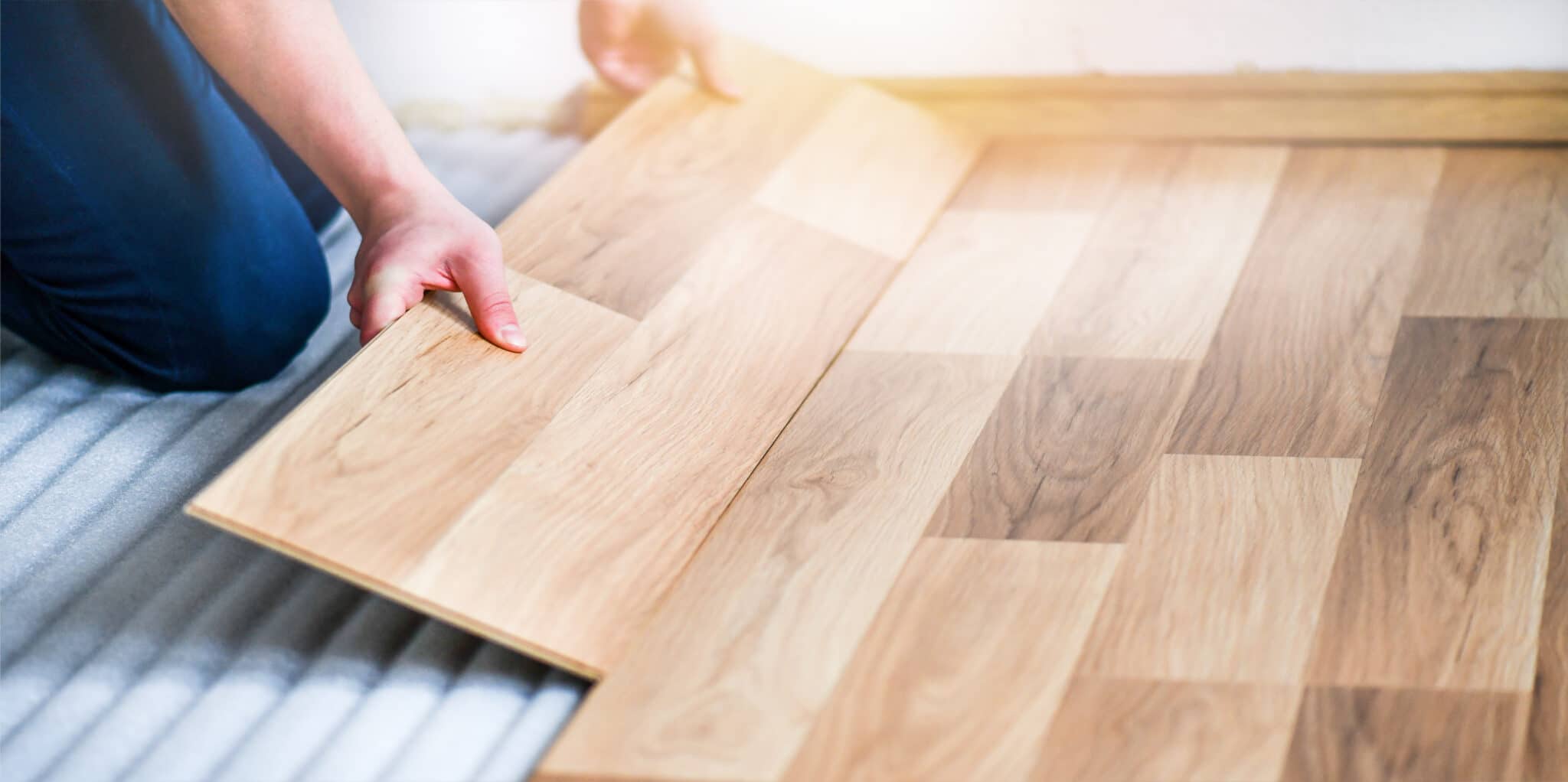
The click-lock or tongue-and-groove system makes installation quick, clean, and easy. Most projects can be completed in a day, saving labor and minimizing disruption.
2. Cost Efficiency
Without the need for glue or nails, both materials and labor costs are reduced. It’s one of the most budget-friendly ways to achieve a high-end look.
3. Comfort and Sound Control
The underlayment beneath a floating floor adds softness underfoot and reduces sound transmission — an important advantage in multi-story buildings or apartments.
4. Durability and Moisture Resistance
Modern floating floors, especially SPC (Stone Plastic Composite) and LVT (Luxury Vinyl Tile), are engineered for durability. They resist scratches, dents, and water — making them suitable for kitchens, bathrooms, and even basements.
5. Sustainability
Many floating floors are eco-friendly, made with recyclable or sustainably sourced materials. Plus, no toxic adhesives are used during installation.
Main Types of Floating Floors
1. Laminate Flooring
Laminate is a classic and widely used floating floor option. It features a decorative top layer bonded to a high-density fiberboard core. Affordable and stylish, it’s perfect for high-traffic areas.
Best for: Residential spaces, offices, and showrooms. Pros: Realistic look, easy installation, scratch resistance. Cons: Not waterproof unless specially sealed.
2. Vinyl (LVT & SPC)
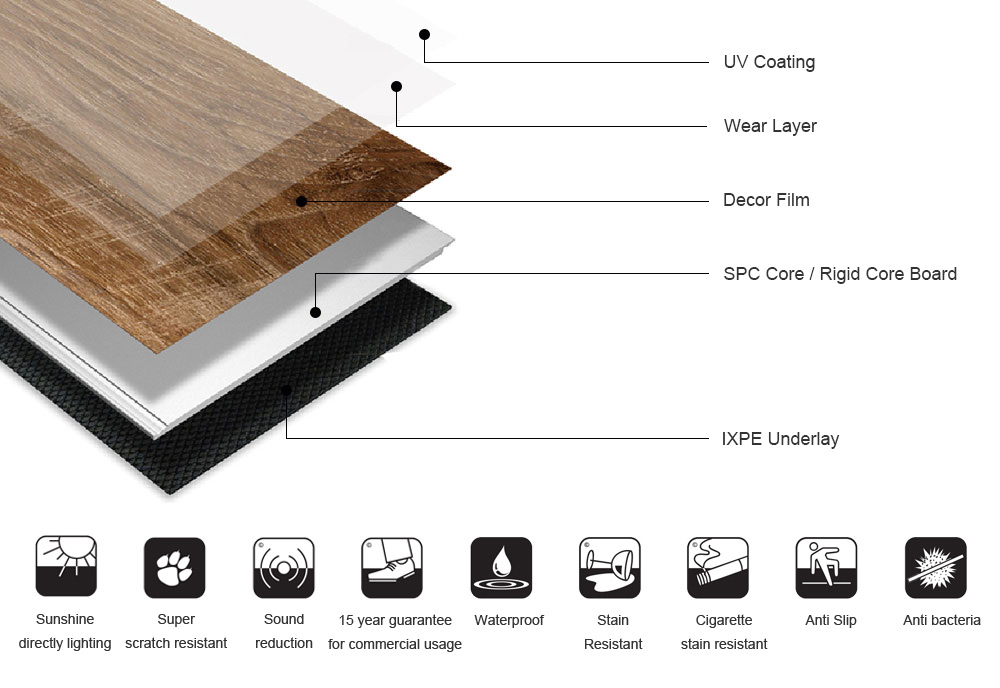
Luxury Vinyl Tile (LVT) and Stone Plastic Composite (SPC) are waterproof and extremely stable. SPC floors are especially rigid and ideal for humid areas.
Best for: Kitchens, bathrooms, and basements. Pros: Waterproof, durable, low maintenance. Cons: Can feel hard or cold without underlayment.
3. Engineered Wood
Engineered wood offers the natural warmth and elegance of real hardwood, with added stability. It’s made by bonding a thin hardwood veneer to a layered plywood base.
Best for: Premium homes, hotels, and offices. Pros: Real wood appearance, easy to install. Cons: Higher cost, limited refinishing potential.

Installation Guide: Step-by-Step
- Prepare the Subfloor Ensure it’s clean, level, and dry. Remove debris and fill uneven spots.
- Lay the Underlayment Roll out underlayment for sound insulation and moisture protection.
- Plan the Layout Measure and decide on the plank direction — usually parallel to the longest wall.
- Click and Lock Start from one corner and interlock the planks row by row. Leave a small expansion gap (about 8–10 mm) around the perimeter.
- Trim and Finish Cut planks to fit edges neatly. Add skirting boards or trims to hide gaps.
- Ready to Use No drying time needed — you can walk on your new floor immediately.
Maintenance Tips
- Sweep or vacuum regularly to remove grit.
- Wipe spills promptly — especially for wood or laminate.
- Use felt pads under furniture legs.
- Maintain indoor humidity between 40–60%.
With proper care, a floating floor can last 15–25 years or even longer.
Final Thoughts
A floating floor represents the perfect blend of innovation, practicality, and style. It simplifies installation, lowers costs, and delivers professional results that last. Whether you’re building a new space or renovating an old one, consider the floating floor — a smart, modern solution that looks great and performs even better.