Colonial-style trim has stood the test of time—but does it still belong in today’s homes? With modern interiors embracing clean lines and minimalism, can traditional mouldings still add value without feeling outdated? What makes this historic design detail relevant for contemporary living?
Colonial-style trim refers to the architectural moulding and detailing popularized during the American Colonial era, featuring symmetrical profiles, crown mouldings, chair rails, and baseboards. Its enduring appeal lies in its ability to bring structure, elegance, and a refined finish to interiors, from traditional homes to modern spaces.
Bring character and depth to your space by learning where and how to apply colonial moulding effectively—whether you’re going for full period-inspired interiors or a subtle nod to historic charm.
What Is Colonial Style Trim?
Colonial-style trim dates back to the 17th and 18th centuries, drawing inspiration from European—particularly British—architectural traditions. It’s defined by clean lines, symmetrical proportions, and understated elegance. You’ll often see crown profiles tracing ceiling edges, chair rails dividing walls horizontally, and paneled wainscoting adding rhythm and order to vertical surfaces—all serving both decorative and spatial purposes.
Trim is typically crafted from painted wood—most often finished in crisp white—but can also showcase natural tones like mahogany, cherry, or oak for a warmer, heritage-inspired feel. Classic colonial profiles combine gentle curves and stepped edges, lending depth and character without overwhelming the architectural balance of a room.
What Makes Colonial Trim Perfect for Both Classic and Modern Homes?
You don’t have to live in a historic house to embrace colonial trim. In fact, one of the reasons it remains relevant is its versatility. Many modern colonial style trim applications pair historical detailing with clean-lined minimalism. For example, combining flat-panel cabinetry and white walls with crown moulding creates a transitional style that feels both fresh and familiar.
Whether you’re preserving a historic home or adding depth to a modern build, colonial mouldings provide a timeless architectural framework. They enhance visual continuity, elevate craftsmanship, and bring a refined sense of structure to otherwise plain surfaces.
What Color Trim Is Timeless?
Timeless doesn’t always mean white—though white colonial trim remains a classic for its crisp contrast and universal compatibility. Today, soft neutrals like sage green, warm beige, and muted gray are also gaining traction in colonial-inspired spaces, offering gentle visual interest without overpowering the room.
If you’re aiming for a cozier, grounded look, consider natural wood stains or off-white colonial trim. These tones pair beautifully with hardwood flooring and bring warmth to interiors—especially in rooms with ample natural light or exposed ceiling beams.
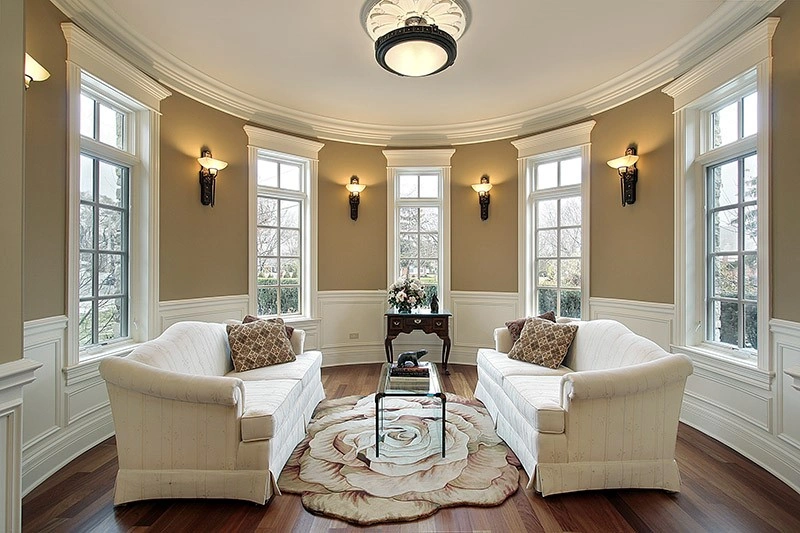
How to Choose the Right Colonial Moulding for Your Room?
Trim is not one-size-fits-all. The ideal colonial moulding should reflect the scale of the room, the ceiling height, and the overall design tone. Choosing the wrong profile can make a space feel cramped or disconnected. Here’s how to tailor your choice:
- Living rooms: Opt for larger crown mouldings (4”–6”) to add height and architectural interest, especially in rooms with high ceilings or formal layouts.
- Hallways: Use chair rails or picture-frame wainscoting to create rhythm along narrow walls—adding detail without visual clutter.
- Bedrooms: Go subtle with slim casings around windows and doors. Colonial door trim interiors in soft whites or wood tones provide gentle framing and warmth.
If you’re working with small colonial style trim, choose shallower profiles and slimmer baseboards. This maintains proportion and avoids visual heaviness in compact or low-ceilinged rooms.
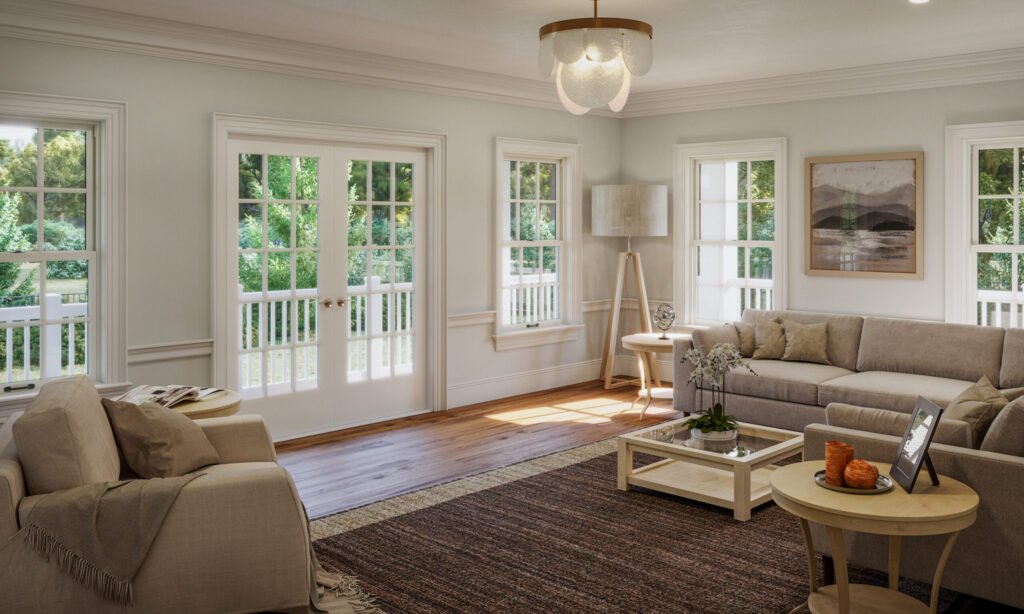
How to Visually Match Colonial Trim with Walls, Floors, and Doors?
Successful trim design isn’t just about choosing the right profile—it’s about achieving visual balance. A well-integrated trim enhances the flow of the room by tying together wall finishes, flooring, and architectural elements.
- Pair deep-toned oak or walnut floors with matching natural wood trims to create a grounded, classic foundation.
- Use white colonial trim to outline bold-colored walls or patterned wallpaper—it sharpens visual boundaries and brightens darker palettes.
- Match trim width and depth to your door’s style: ornate, paneled doors benefit from more robust profiles, while sleek doors work best with simple colonial style trim that doesn’t compete for attention.
Don’t forget the finish: semi-gloss paint is ideal for trim, providing both durability and a clean, light-reflective surface that subtly draws the eye to architectural lines.
Tips for Installation: DIY or Hire a Pro?
Installing colonial moulding can range from quick and beginner-friendly to highly technical, depending on the moulding type and where it’s being installed.
✅ DIY-friendly:
- Baseboards and chair rails are ideal for first-time installers—they’re linear, forgiving, and require only standard tools.
- Pre-cut kits of small colonial style trim are widely available and designed for simple upgrades, perfect for weekend projects.
🛠️ When to hire a pro:
- If you’re working with crown mouldings, especially those involving corners or multi-layered profiles, precise miters and alignment are critical.
- Restoration projects in period homes demand historical accuracy and experienced hands.
- For large, open-plan spaces, even minor symmetry errors can become visually obvious—precision is key.
Where to Use Colonial Trim in the Home?
Colonial trim can enrich almost every part of the home—not just visually, but architecturally. Here’s how to apply it for maximum impact:
- Windows: Use simple casings for a clean outline, or add pediments and headers for a grander appearance. Colonial trim windows with beaded or fluted detailing add a subtle touch of heritage.
- Doors: Frame interior doors with layered casings. A well-designed colonial door trim interior visually anchors the opening and provides a polished room-to-room transition.
- Walls: Apply chair rails or panel moulding to introduce rhythm across large surfaces, especially in dining rooms, hallways, or staircases.
- Ceilings: Use multi-tiered crown mouldings to draw the eye upward—ideal for rooms with tray ceilings, coffered designs, or formal entryways.
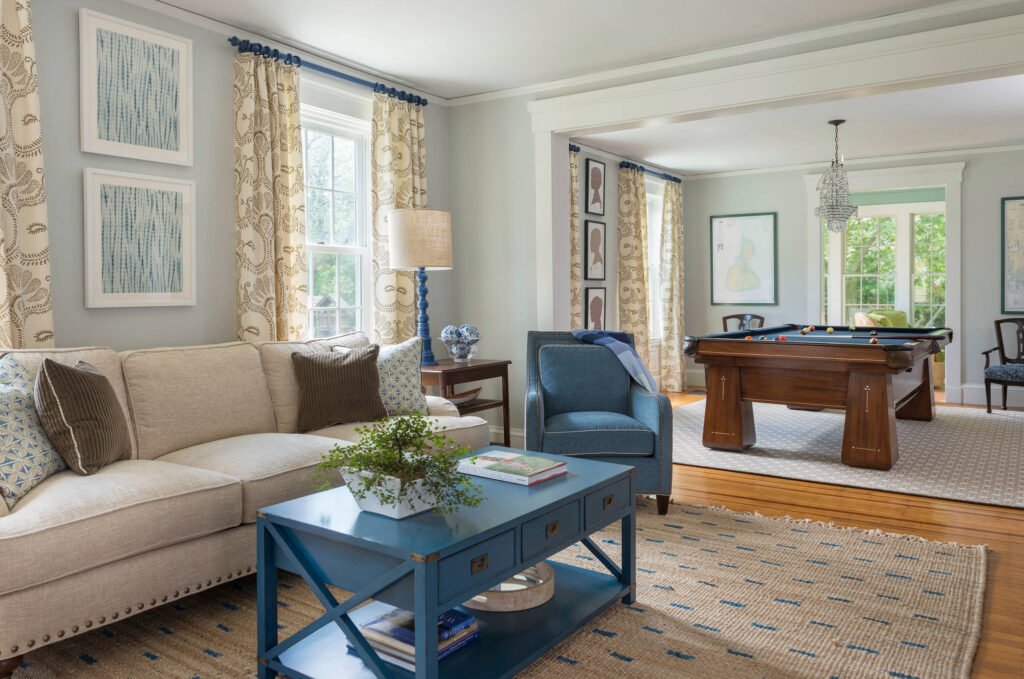
Simple vs. Ornate: Which Colonial Style Trim Is Best for You?
Your home’s character and your personal design preferences will determine whether simple or ornate colonial trim suits best.
- If your style leans modern or transitional, choose simple colonial style trim with flat profiles, sharp lines, and pale finishes. It introduces structure while maintaining visual lightness—ideal for minimalist interiors or open-concept layouts.
- For heritage properties or traditionally furnished rooms, ornate colonial trim moulding with curved profiles, stacked edges, and pronounced reveals brings richness and handcrafted detail—perfect for formal living rooms, libraries, or dining spaces.
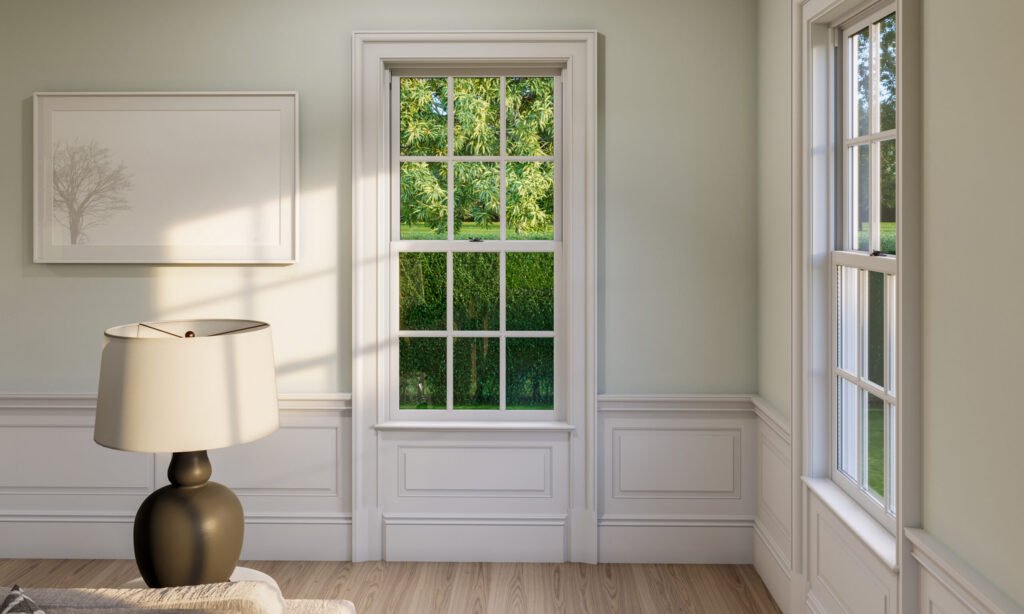
Ultimately, let the architecture of your home guide your choice. The right trim should complement—not compete with—your overall interior story.
📋 Summary
Colonial-style trim is more than a decorative flourish—it’s a bridge between timeless design principles and personal expression. Whether your space calls for crisp minimalism or classic grandeur, there’s a colonial trim profile that brings structure and sophistication to every room.