In a world of ever-changing design trends, builders often struggle to recommend a door style that satisfies both classic tastes and modern sensibilities. Clients want timeless charm, but builders need easy installation, material flexibility, and cost efficiency. Shaker doors check all those boxes — and then some.
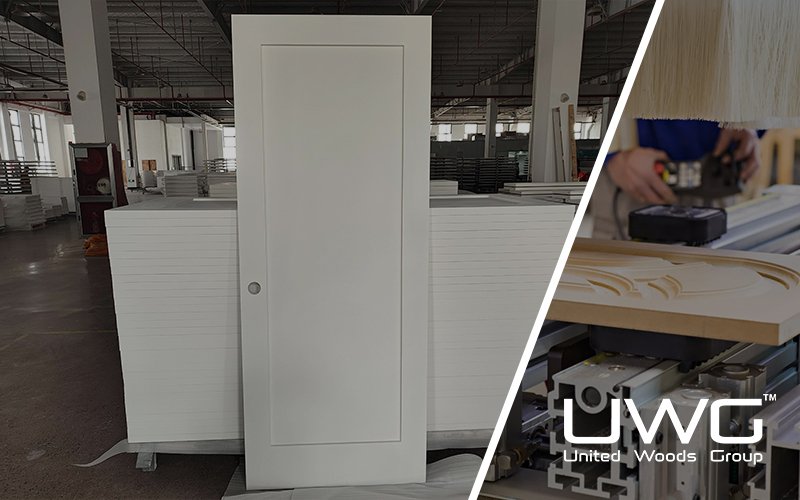
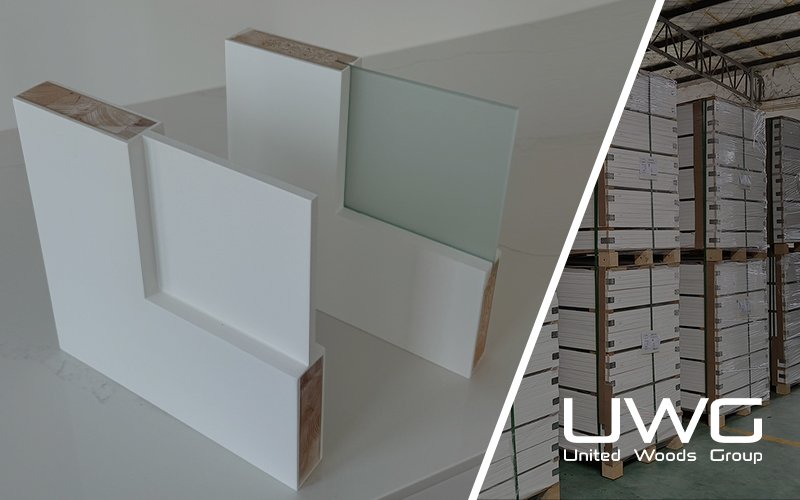
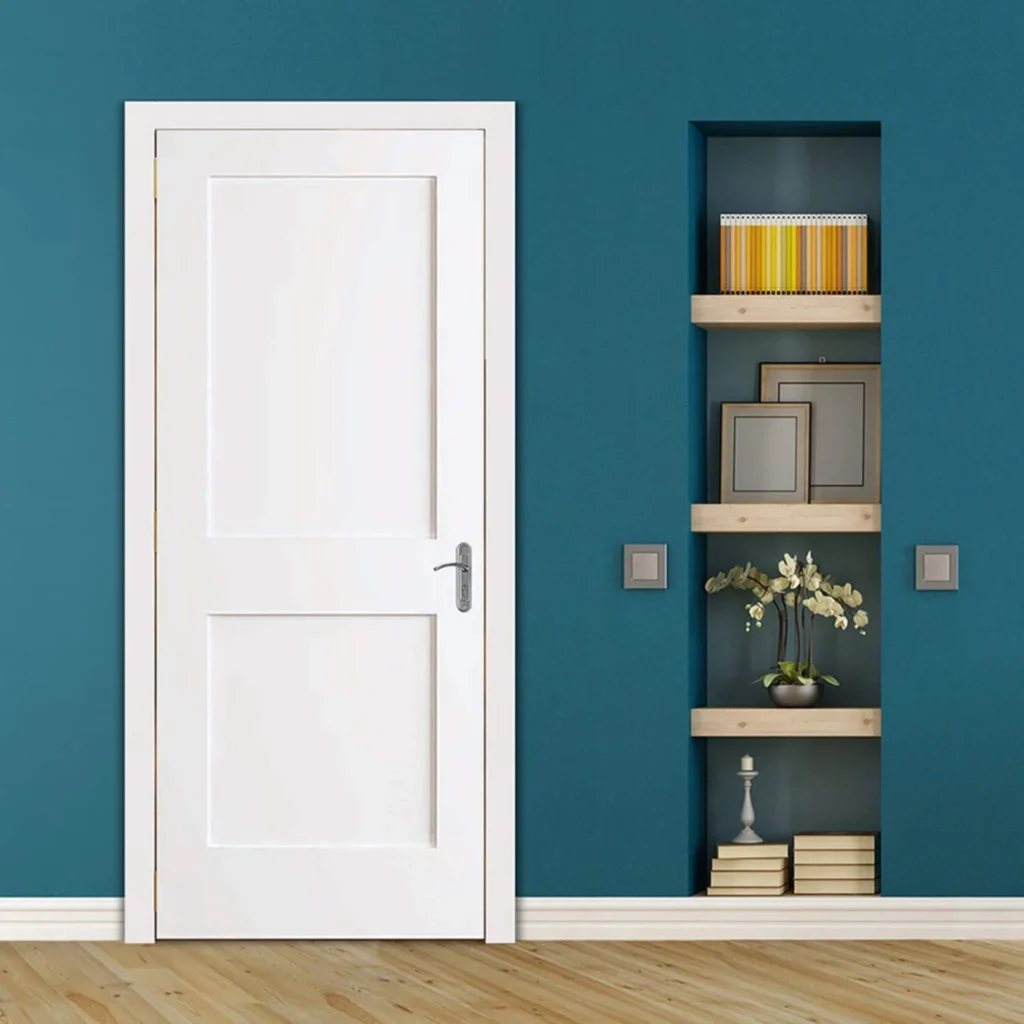
Shaker doors are a timeless, flat-panel door style known for clean lines and minimalist design. Builders prefer them for their versatility, cost-effectiveness, and ease of customization. Featuring a five-piece construction—four stiles and rails framing a recessed center panel—Shaker doors deliver durability with a simple, balanced look. Their straightforward structure supports fast installs and broad client appeal, fitting both traditional and modern projects seamlessly.
From aesthetics to structure and materials, let’s explore what makes Shaker doors such a builder-friendly choice in today’s market.
What are Shaker doors, and what are their advantages and disadvantages?
Shaker doors are flat-panel doors built using a five-piece stile-and-rail frame with a recessed center panel. Their design dates back to the 18th century, created by the Shaker religious community, known for their love of clean, functional, and honest craftsmanship.
Advantages for builders:
- Versatility: Fits nearly every residential style — from traditional to ultra-modern
- Customizable: Builders can specify different materials, thicknesses, edge profiles, and panel counts
- Availability: Pre-hung, slab, MDF, solid wood, and engineered versions are easy to source
- Time-saving: Minimal trim work means faster installation on-site
Disadvantages to consider:
- Dust accumulation in recessed panels requires more frequent cleaning — especially in kitchens
- Less ornate than other styles — clients seeking a luxury look may consider them “too plain”
- Moisture sensitivity: Without proper sealing, wood options like pine can absorb humidity and warp over time
Why are Shaker doors so popular?
Shaker doors have earned a reputation as a “safe” style that sells. Builders and developers favor them in spec homes, kitchen renovations, and custom builds for several key reasons:
- Neutral design appeal: Neither too modern nor too traditional, which helps close deals
- Design compatibility: Works with matte black, brushed nickel, or brass hardware
- Paintability: Flat panels take paint evenly, supporting trending colors like navy blue, sage, or matte black
- Minimal waste: Simpler manufacturing means fewer defects and a tighter fit on projects with slim margins
- Consistency: Shaker door designs are easy to match between manufacturers for long-term renovation flexibility
In competitive housing markets, the Shaker look often becomes a selling point that stands out in listing photos or open houses.
Is MDF better for Shaker door panels?
There’s no one-size-fits-all answer — and that’s why builders need to weigh the project conditions carefully.
Use MDF when:
- Painting doors in light or bright colors
- You need a budget-friendly solution for a multi-unit interior install
- There’s little exposure to moisture (closets, bedrooms, pantries)
- The client wants perfectly smooth, sharp panel edges
Example: For a quick condo flip where paint-grade shaker doors are needed in bulk, MDF is the fastest and most affordable option.
How Are Shaker Doors Constructed?
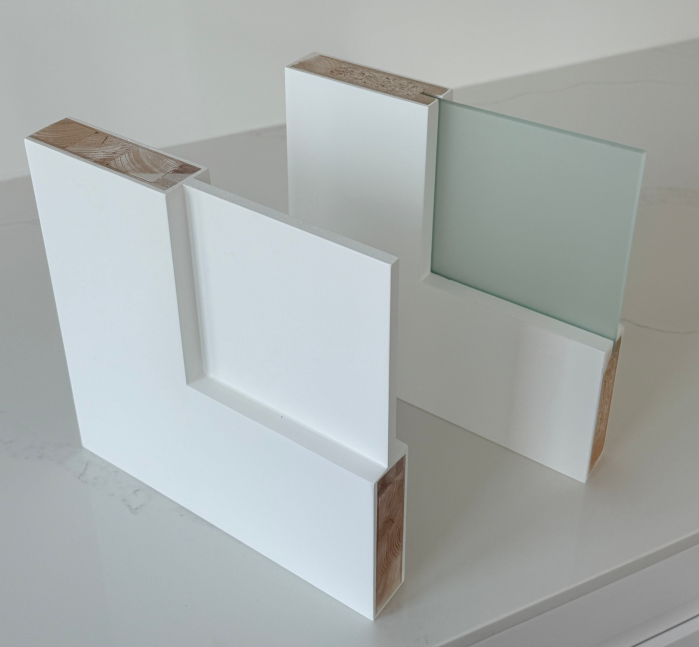
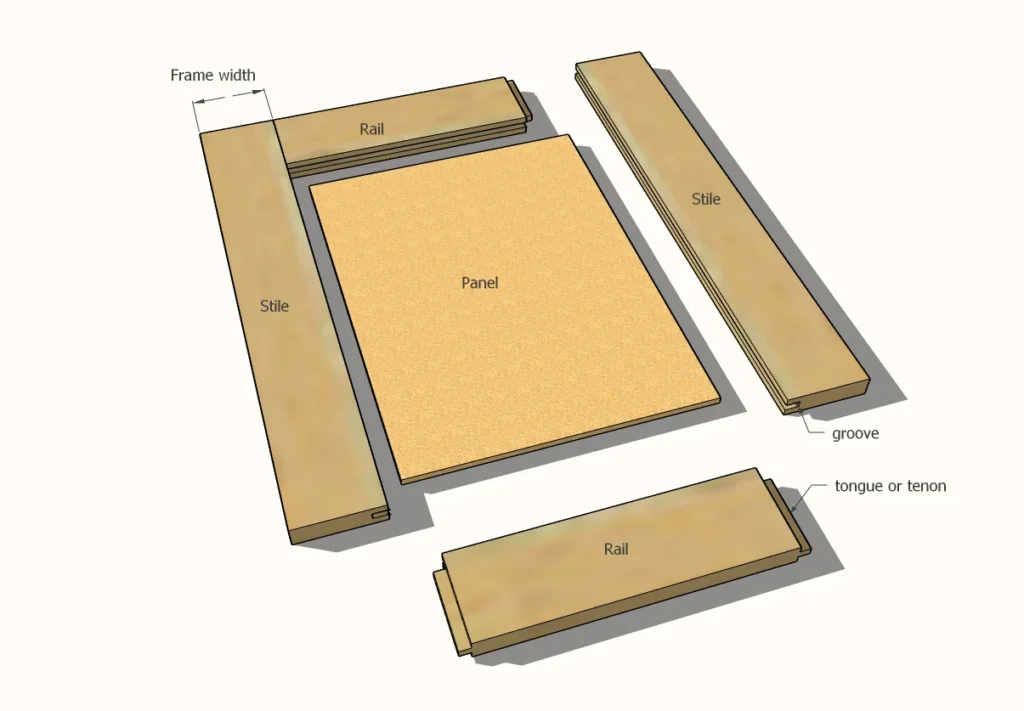
At a basic level, shaker doors consist of:
- Two vertical stiles (the long side pieces)
- Two horizontal rails (top and bottom frame sections)
- A recessed center panel (usually MDF, plywood, or solid wood)
Construction methods include:
- Cope-and-stick joints for fast machine assembly
- Mortise-and-tenon joinery for strength and durability in custom wood shops
- Glued and pinned panels (in MDF versions) for flat-pack shipping and rapid installs
This clean build makes shaker doors easy to repair, trim, or resize on-site. Builders often select pre-hung shaker units to reduce time spent aligning hinges and cutting mortises.
What Types of Wood Skeleton Are Used in Shaker Doors?
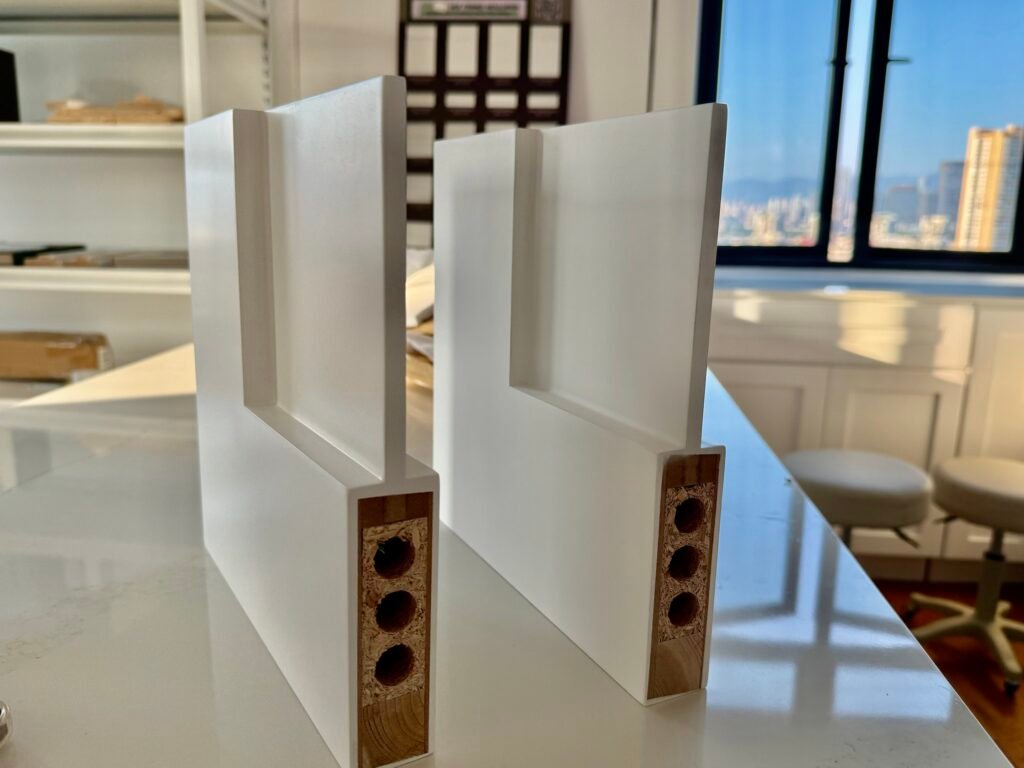
Fir Shaker Doors
- Lightweight but naturally weather-resistant
- Ideal for bathroom doors, exterior utility doors, or coastal projects
- Resists insects and rot, making it a good choice for longevity
- Accepts both clear finishes and stains
Best use: Exterior shaker doors or rustic interiors with high humidity.
Pine Shaker Doors
- The go-to choice for budget interior builds
- Easy to work with using standard tools
- Takes paint well — often primed at the factory
- Softwood, so may show dents and wear faster
Best use: Kids’ bedrooms, closets, or light-traffic hallways.
LVL (Laminated Veneer Lumber) Shaker Doors
- Engineered wood built for dimensional stability
- Ideal for modern shaker designs that require perfect lines
- Can be veneered with hardwood or painted
- Less likely to bow or warp in wide door sizes
Best use: Commercial installs or high-precision modern interiors.
Common Shaker Configurations for Builders
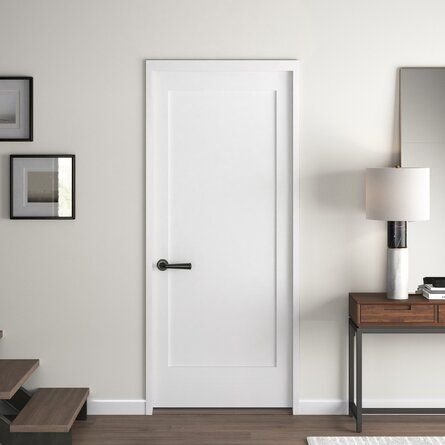
- 1-Panel: Ultra-minimalist, often used in modern apartments
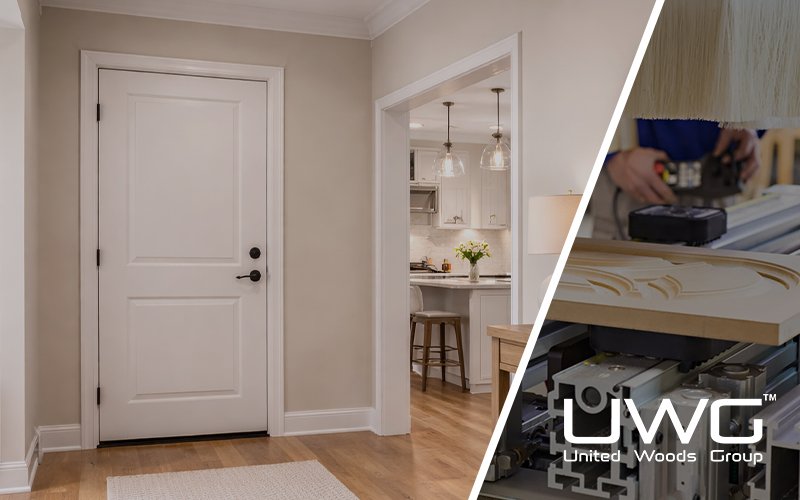
- 2-Panel: The most common choice for residential doors
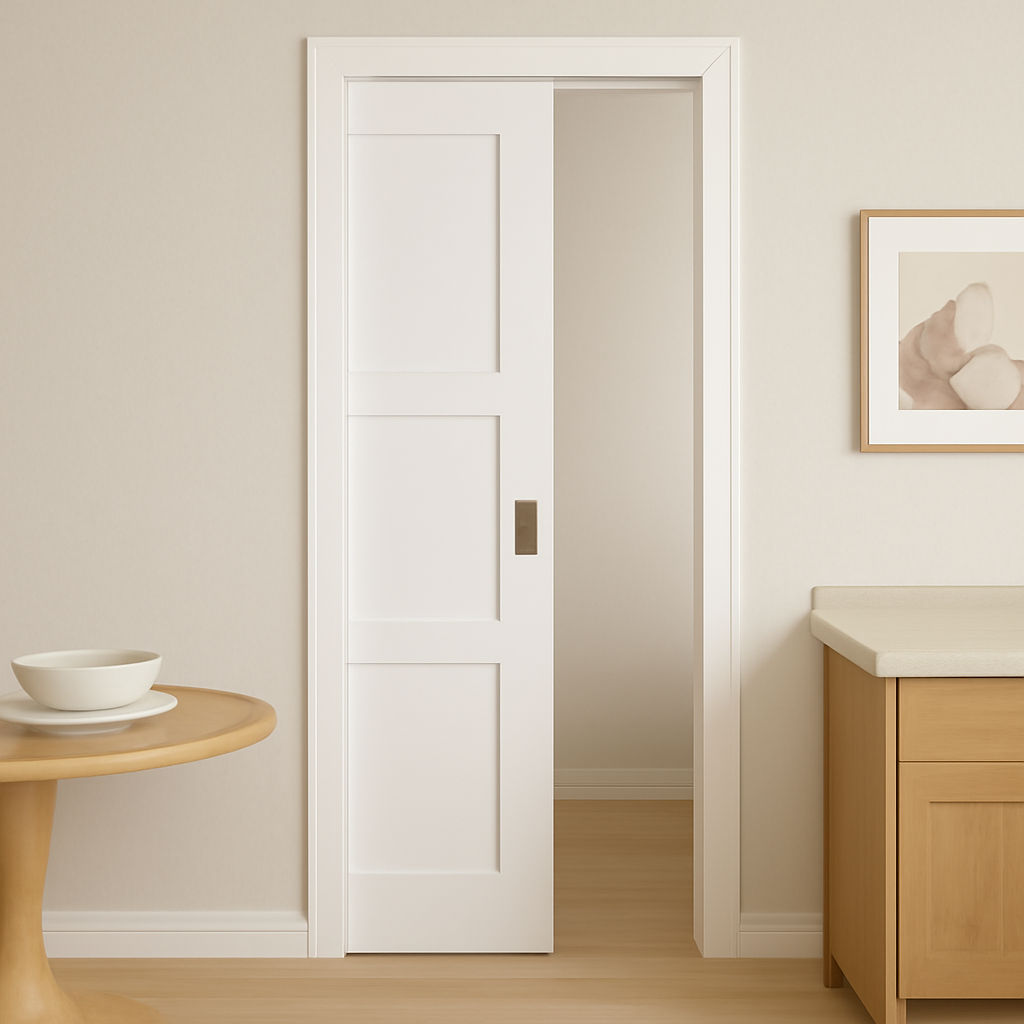
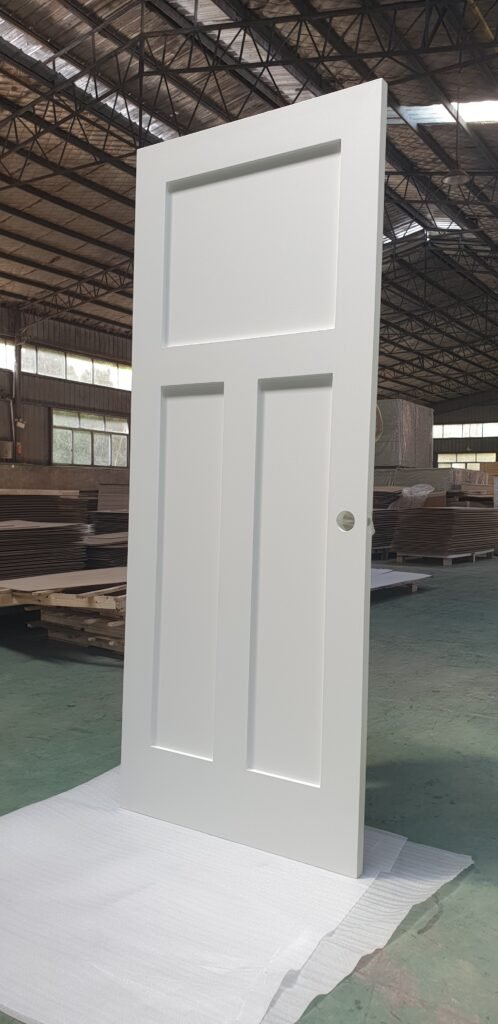
- 3-, 4-, and 5-Panel: Adds horizontal or vertical divisions
- Full height panel: For oversized doors or custom entryways
Builders often request pre-hung shaker doors with bored locksets, which helps reduce errors on fast-paced jobs.
Professional Advice: Builder Tips for Working with Shaker Doors
Match the Material to the Environment
- Use fir or LVL in damp areas like mudrooms or basements
- Reserve pine and MDF for dry, interior installs
- Combine materials for durability and budget balance (e.g., MDF panels with wood frames)
Order Pre-Finished When Time Is Tight
Pre-primed or pre-painted doors reduce finishing time and keep job timelines on track. Many manufacturers now offer spray-finished MDF shaker doors in trending colors — a perfect upsell opportunity.
Watch for Wood Movement in Solid Options
Even with sealed finishes, wood doors may expand and contract. Leave slight space in recessed panels to allow for seasonal changes, especially in exterior shaker installations.
Educate Clients on Simplicity as Strength
Clients may overlook Shaker doors because they appear plain. Help them see:
- It’s a timeless look that adapts to trends
- Hardware and paint color can modernize the door without replacing it
- Simplicity equals lower maintenance and design flexibility
Summary
Shaker doors blend craftsmanship, simplicity, and broad appeal — making them a must-know for modern builders. By choosing the right material and construction method, you’ll meet both your client’s design goals and your own project efficiency targets. Need help sourcing wood shaker doors for builders near you? Please contact us.