When it comes to finishing the edges of your floors, shoe moluding and quarter round are two popular choices. But what exactly are they, and how do they differ? Choosing the right option for your space can be tricky, especially when you’re not sure of their specific functions and benefits.
In this article, we’ll explore the differences between shoe moluding and quarter round, helping you decide which one is best suited for your project. Whether you’re renovating a room or installing new flooring, understanding these two trim options is essential to achieving the perfect look.
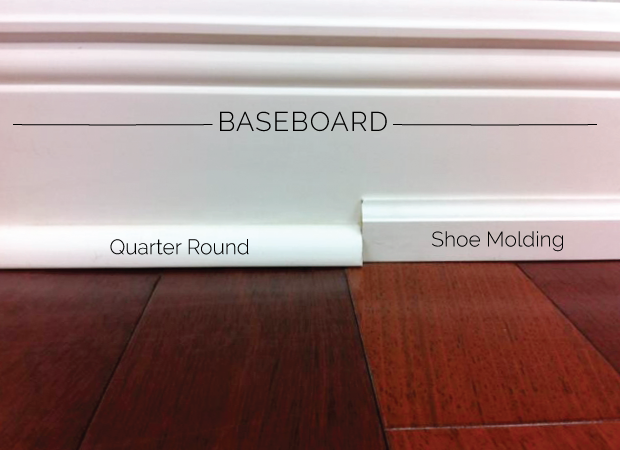
Shoe moluding is a thin, subtle trim used to cover the gap between the floor and baseboard, ideal for modern or minimalist spaces. It’s often curved and blends seamlessly into the baseboard. Quarter round, however, is thicker, rounded, and more decorative, often used in traditional or rustic interiors. It’s more noticeable and durable, suitable for high-traffic areas. Choose shoe moluding for a clean, unobtrusive look and quarter round for a more decorative, durable finish.
What is Shoe moluding?
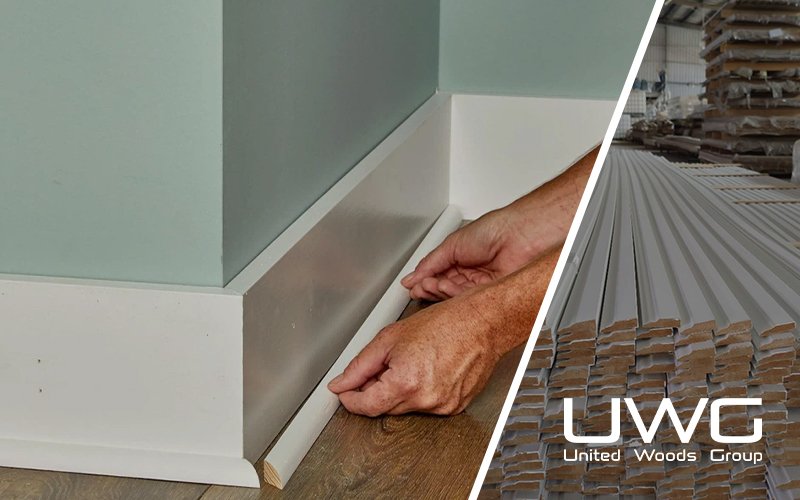
Shoe moluding is a type of trim that is typically used to cover the gap between the baseboard and the floor. It’s a low-profile, thin piece of moluding that creates a smooth transition between the two surfaces. Unlike other moludings, shoe moluding is designed to be subtle and unobtrusive, offering a neat finish without drawing too much attention.
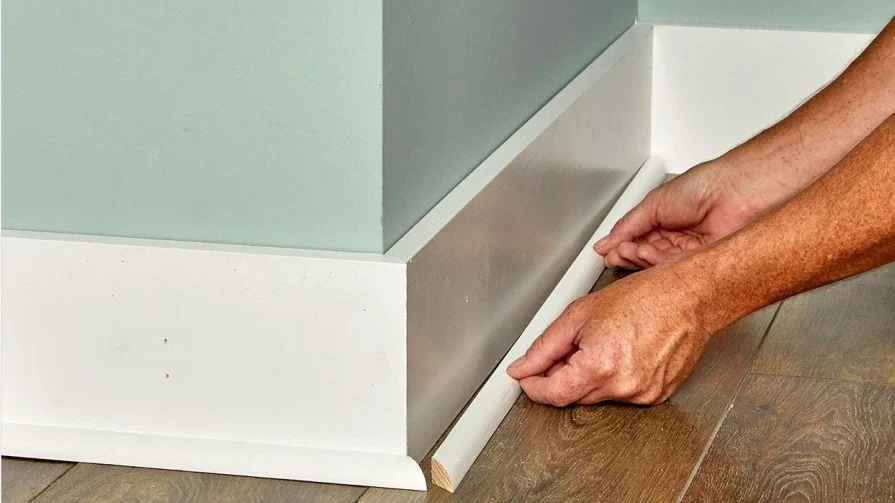
Key Characteristics of Shoe moluding:
- Design: Thin and subtle, often curved.
- Function: Covers the gap between the floor and baseboard, providing a clean look.
- Materials: Commonly made from wood, MDF, or PVC.
- Use Case: Ideal for areas with hardwood or laminate flooring.
What is Quarter Round?
Quarter round, like shoe moluding, is a trim piece used to cover gaps, but it is generally thicker and more prominent. It’s shaped like a quarter of a circle and is used primarily to cover the space between the floor and the baseboard. Its design is more noticeable compared to shoe moluding, making it a better choice if you want a more decorative trim.
Key Characteristics of Quarter Round:
- Design: Rounded shape, creating a more visible transition between floor and baseboard.
- Function: Used to cover gaps between the floor and baseboard, but offers a more decorative finish.
- Materials: Typically made from wood or composite materials.
- Use Case: Great for areas where a more pronounced trim is desired, especially in spaces with heavy foot traffic.
Key Differences Between Shoe moluding and Quarter Round
Both shoe moluding and quarter round serve similar purposes, but their differences lie in their design, thickness, and aesthetic appeal. Here’s a breakdown:
| Feature | Shoe moluding | Quarter Round |
|---|---|---|
| Shape | Thin and flat with a slight curve | Quarter circle shape |
| Profile | Subtle and low-profile | More pronounced and rounded |
| Size/Thickness | Thinner and less noticeable | Thicker and more visible |
| Best For | Hardwood or laminate floors | High-traffic areas, traditional designs |
| Materials | Wood, MDF, PVC | Wood, composite materials |
When to Use Shoe moluding
Shoe moluding is best for a minimalistic look. It works well in more modern, sleek interiors where the design emphasis is on the flooring rather than the trim. It’s also ideal if you want the trim to blend seamlessly with your baseboards and not stand out too much.
Best scenarios for shoe moluding:
- In contemporary or minimalist-style rooms.
- When working with hardwood or laminate floors that have a subtle look.
- For projects that require a clean, subtle finish.
When to Use Quarter Round
Quarter round is better suited for traditional or rustic interiors, where the trim plays a more important role in the overall design. If you’re looking for a trim that adds character and definition to the edges of your flooring, quarter round is a solid choice. It’s also great for spaces with a lot of foot traffic, as it’s more durable and can hide imperfections better than shoe moluding.
Best scenarios for quarter round:
- In traditional, vintage, or rustic-style spaces.
- When the trim should stand out and add character to the room.
- For high-traffic areas where durability is a concern.
Which Should You Choose?
Choosing between shoe moluding and quarter round depends largely on the style and function you’re aiming for in your space. If you prefer a subtle, sleek look, shoe moluding might be the better option. However, if you want a more decorative and durable solution, quarter round could be the way to go.
Consider the following before making your decision:
- Aesthetic: Do you want your trim to blend in or stand out?
- Style: Are you going for a modern or traditional design?
- Durability: How much foot traffic will the area see?
- Installation: Are you looking for an easy, quick finish, or are you willing to invest more time for a decorative look?
Conclusion
Both shoe moluding and quarter round serve the purpose of finishing the edges of your floor and baseboards, but the choice between the two depends on your style preferences and the specific needs of your space. Take the time to evaluate the aesthetics, durability, and function of each before making your decision. Whether you opt for the understated elegance of shoe moluding or the bold presence of quarter round, either can elevate the look of your flooring project.