Introduction
Picture this: you open a laundry room, pantry, or closet, and instead of feeling stuffy or humid, the air moves freely and the space feels noticeably fresher. Shelves stay dry, fabrics avoid mustiness, and equipment runs more efficiently. This simple improvement often comes from choosing a door style that not only closes off the space visually but also keeps air flowing continuously.
Louvre doors combine angled slats with functional design, creating airflow while maintaining privacy. They are widely used across different interior spaces where ventilation, moisture control, and temperature balance are important. From laundry rooms to HVAC closets, louvre doors are a smart way to enhance comfort and functionality throughout the home.
What Are Louvre Doors?
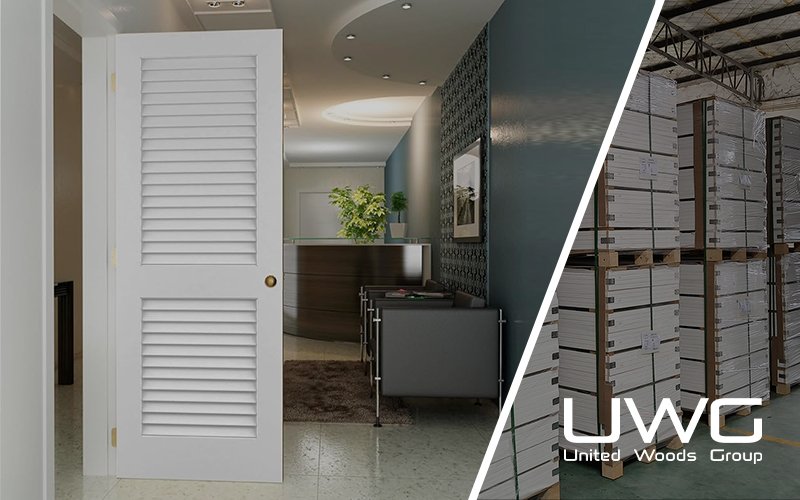
A louvre door is a door panel built with horizontal slats (louvers) that are angled to permit airflow while blocking direct sight into the space. Depending on the design, the slats may be fixed in place or operable to adjust ventilation levels.
Structure and Variations
Louvre doors come in several forms, each suited to different spaces and ventilation needs:
- Full Louvre Panels: Entire door surface is composed of slats for maximum airflow.
- Half Louvre Designs: Louvers on the upper or lower half, with a solid panel elsewhere.
- Fixed Slats: The most common type, offering consistent airflow.
- Operable Louvers: Adjustable slats that allow control of light and ventilation.
They can be manufactured from MDF, pine, hardwood, PVC, or composite materials, depending on the required durability and environment.
Sizes and Configurations
Most interior louvre doors follow standard door sizes—24”, 28”, 30”, 32”, and 36”—with thickness and louver spacing adjusted to meet airflow or aesthetic needs. For specialized applications such as HVAC closets, the louver openings may need to meet airflow specifications set by equipment manufacturers.
Where Louvre Doors Are Commonly Used
Enhancing Laundry Room Ventilation
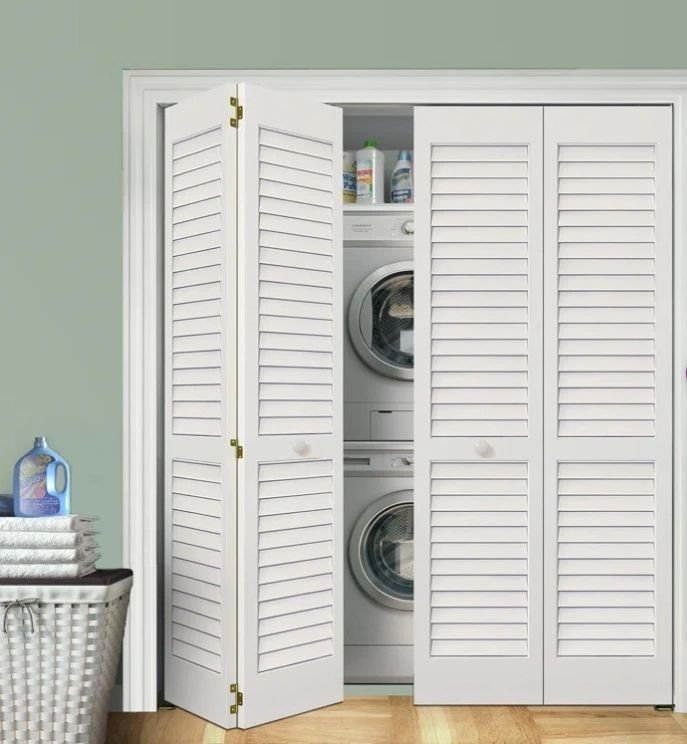
Laundry rooms generate heat and moisture, especially when dryers are running. Louvre doors help prevent humidity buildup, reduce odors, and improve overall airflow, making the space more comfortable and reducing moisture-related issues.
Improving Closet and Wardrobe Airflow
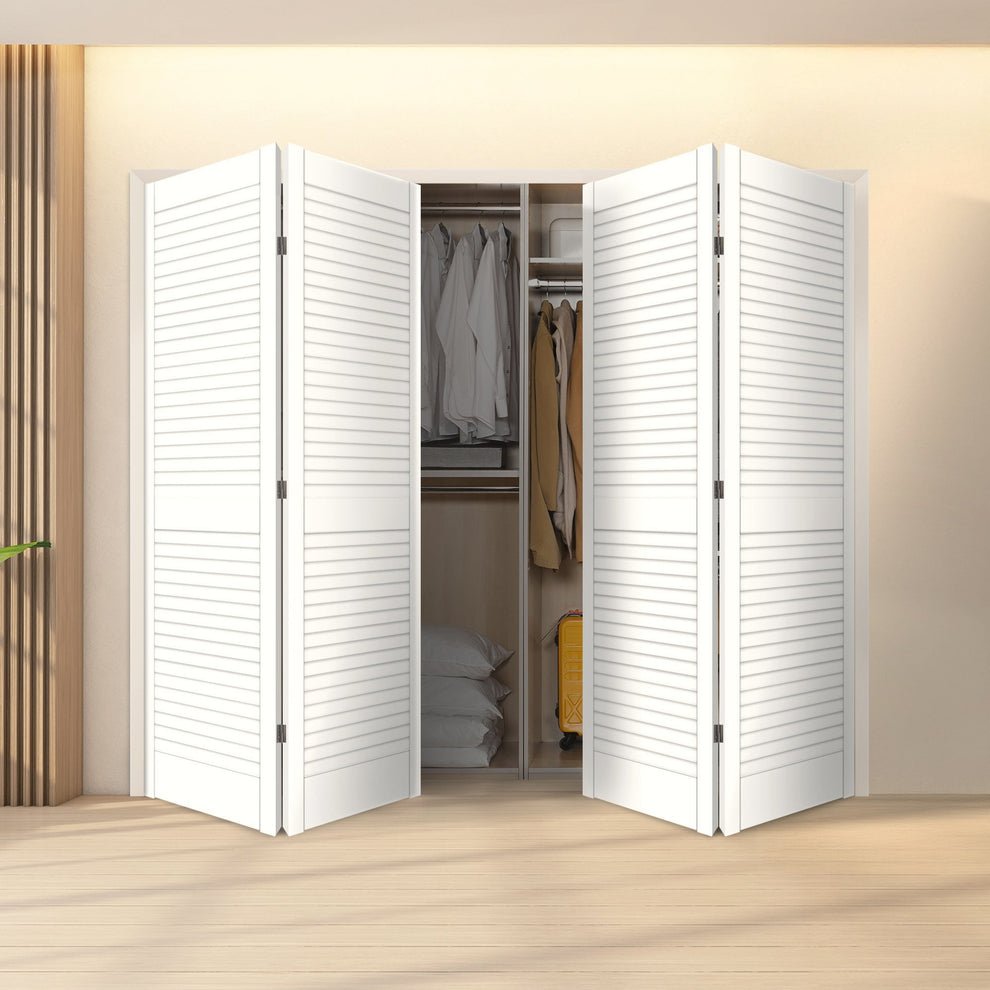
Clothes stored in enclosed closets can trap moisture or develop musty odors. Louvre doors allow the interior to breathe naturally, keeping garments fresher and reducing the chances of mildew in humid environments.
Supporting Utility and Mechanical Rooms
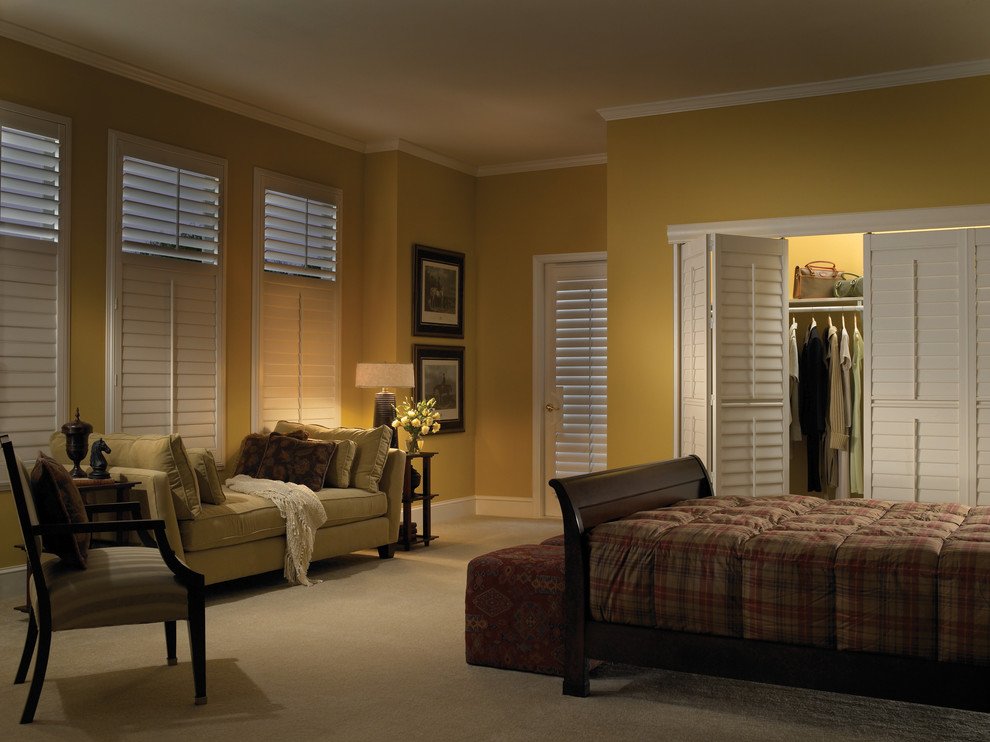
Spaces that house water heaters, furnaces, electrical panels, or general utility items often require airflow for temperature regulation. Louvre doors provide ventilation while keeping equipment discreetly hidden from view.
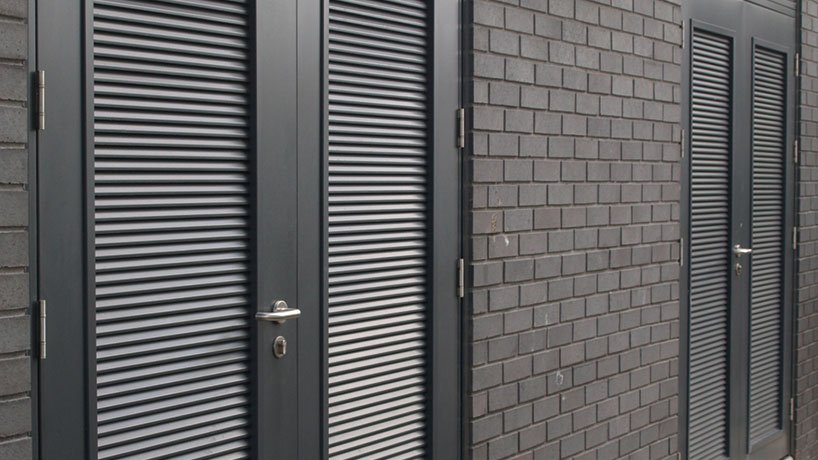
Optimizing Kitchen Pantry Conditions
Food pantries benefit greatly from ventilation, especially in warm climates. Louvre doors help maintain consistent airflow, preventing stale air pockets and supporting better conditions for dry goods and stored items.
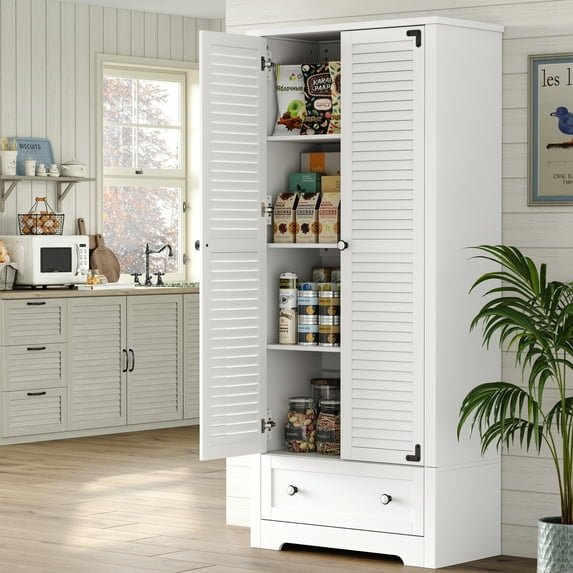
Enhancing Linen and Bathroom Storage Areas
Linen closets near bathrooms are prone to humidity. Louvre doors help towels and bedding stay fresh by allowing moisture to dissipate naturally.

Outdoor or Semi-Outdoor Storage Uses
For areas such as covered patios, poolside cabinets, or garden storage, louvres help reduce humidity, prevent condensation, and protect stored items by allowing continuous airflow.

Benefits of Louvre Doors in These Applications
Promotes Consistent Air Circulation
The angled slats maintain a controlled airflow, helping regulate temperature and moisture in enclosed spaces.
Helps Prevent Mold and Odor Buildup
By allowing moisture to escape, louvre doors help prevent mildew, especially in laundry areas, bathrooms, and closets.
Adds Functional and Visual Appeal
The unique slatted design adds a timeless, coastal-inspired aesthetic while enhancing practicality.
Saves Space and Fits Easily Into Many Layouts
Because of their lightweight and versatile structure, louvre doors can be used in tight areas where bulky door designs would be inconvenient.
Design and Material Considerations
Choosing the Right Louvre Style
- Full Louvre: Best for spaces requiring maximum airflow.
- Half Louvre: Ideal when some airflow is needed but more visual privacy is desired.
- Adjustable Louvres: Useful when ventilation requirements vary.
Matching the louvre type to the purpose of the space ensures functionality and comfort.
Material Options
- MDF: Stable, smooth, and ideal for painted finishes.
- Solid Wood: Offers premium aesthetics and durability.
- PVC or Composite: Moisture-resistant and suitable for humid or semi-exterior environments.
Finish color and texture should coordinate with surrounding décor for a cohesive look.
Installation and Performance
Proper installation ensures that slats align smoothly, the frame remains stable, and the door closes securely. For HVAC spaces, verifying the required free-air area is essential for equipment performance and safety.
Practical Tips for Home Planning and Renovation
Plan Ventilated Spaces Early
Rooms like pantries, utility closets, and laundry zones benefit most when louvre doors are considered during layout planning.
Combine with Other Smart Storage Solutions
Ventilated shelving, pull-out baskets, and moisture-resistant cabinetry pair well with louvre doors to create a more functional environment.
Balance Aesthetic and Functional Needs
The ideal louvre door adds both beauty and performance. Selecting the right slat spacing, material, and finish ensures long-term satisfaction.
Keep Maintenance Simple
Regular dusting between slats and occasional wipe-downs preserve airflow and appearance. For movable louvers, checking hardware periodically helps maintain smooth operation.
Conclusion
Louvre doors stand out as a practical and stylish solution for spaces that rely on airflow, temperature regulation, and moisture control. By integrating slatted design with functional engineering, they enhance the usability of laundry rooms, closets, pantries, utility spaces, and HVAC enclosures. Their versatility in design, material options, and finishes allows them to fit comfortably into a wide range of interior environments. A well-chosen louvre door not only improves the comfort and performance of a space—it brings thoughtful, purposeful design into everyday living.