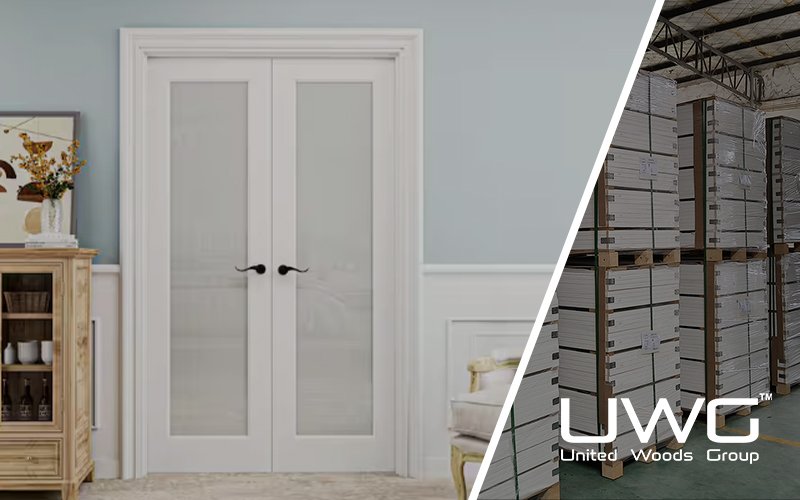
Many builders underestimate the impact of well-chosen double doors on the look, function, and value of a space. Whether the goal is open-concept flow in a modern home or architectural elegance in a traditional one, the right door design makes a big difference. In this guide, we’ll explore top double door ideas for modern and classic interiors, covering materials, space-saving layouts, and professional builder tips.
Double doors enhance interiors by offering symmetry, natural light, visual connection, and a sense of scale. They act as visual anchors in a room, creating balance and architectural interest. Whether open or closed, they help define spaces without breaking flow.They can make small spaces feel bigger, create luxurious transitions between rooms, and define style. Glazed panels let light through tight layouts, while solid designs add grandeur to formal areas. From French doors to barn-style sliders, every option blends function with form and should be chosen to suit both layout and lifestyle.
Let’s dive into the top questions and considerations to guide builders and homeowners in choosing the perfect double door solution.
What Is the Latest Trend for Interior Doors?
Today’s trending look is double doors that blend wood and glass—offering a hybrid aesthetic that fits both contemporary and classic spaces. These doors are often designed with clean lines, minimal frames, and large glass panels that allow for light flow while preserving structure. Popular in kitchens, offices, and shared living areas, this trend allows privacy without fully closing off a space.
In modern interiors, you’ll often find oak or ash wood paired with clear or frosted glass in white frames. For classic interiors, similar wood-and-glass doors may feature arching panes, decorative mullions, or stained glass details that echo traditional craftsmanship. Builders love this trend because it delivers both aesthetic flexibility and practicality.
Do Double Doors Increase Home Value?
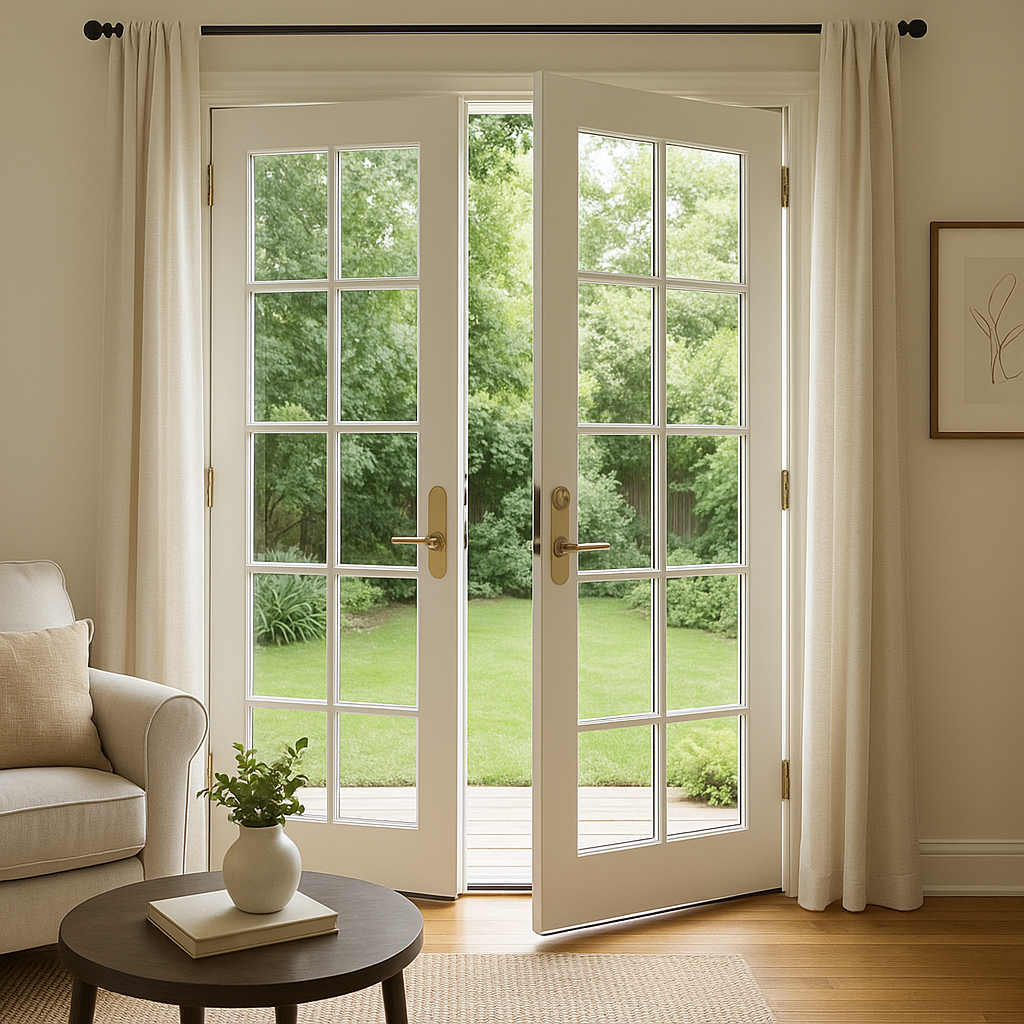
Yes—double doors significantly boost perceived and actual value in residential construction. A well-installed pair of double doors can enhance both curb appeal and interior elegance, which directly influences buyer interest and pricing.
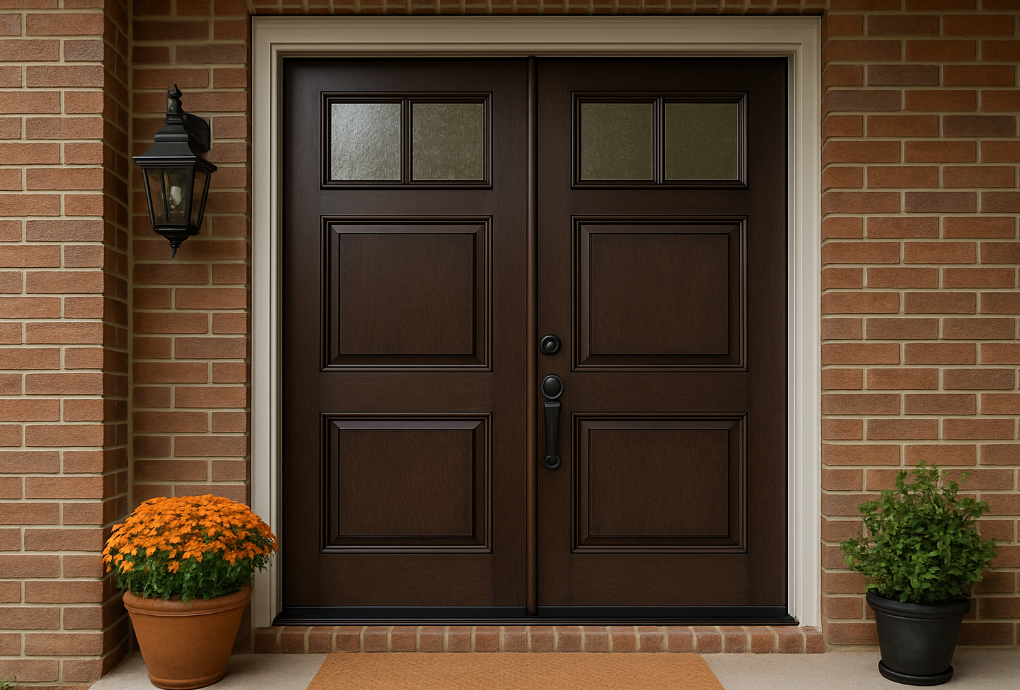
In modern homes, full-glass or steel-framed double doors act as statement features, signaling luxury and smart design. In classic homes, heavy wood doors with paneled detailing and brass handles project quality and timeless appeal. For builders, suggesting double doors as a feature in entryways, master suites, or formal dining rooms can serve as a strategic upsell during planning stages.
Double doors also suggest customization and architectural intention—two things that increase home valuation and reduce time on the market.
What Materials Work Best for Double Doors?
The best material depends on location, budget, and style goals—but in general, these combinations work well:
- Wood + Glass: This is the most versatile combo for both aesthetics and function. Hardwood frames with frosted or clear glass provide style, light, and separation. Ideal for living rooms, hallways, and offices.
- Solid Wood: A classic choice, perfect for traditional interiors. Oak, walnut, and mahogany deliver warmth and durability but may be heavy and require larger spaces.
- Engineered Wood or MDF: Cost-effective for interior use. Can be veneered to mimic real wood. Works best in dry environments.
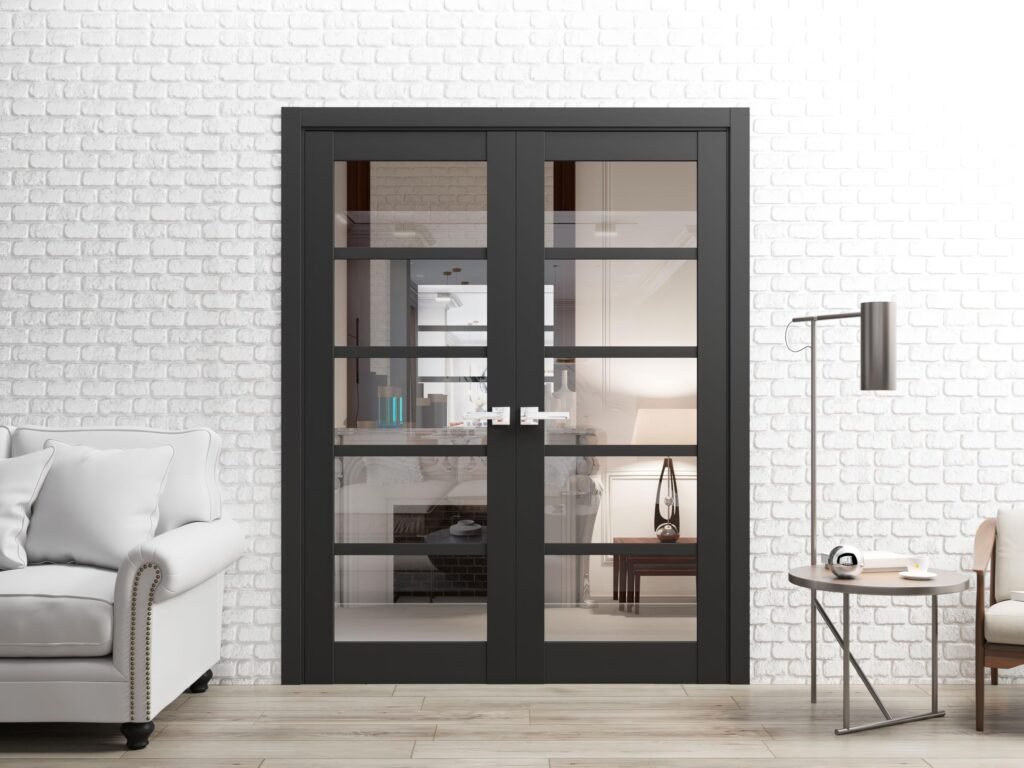
- Steel or Aluminum Frames: These offer sleek lines, durability, and a modern industrial feel. Often used in minimalist or loft-style designs.
- Glass Panels Only (Frameless or Thin-Framed): Suitable for ultra-modern homes or luxury spaces. These maximize light flow and openness but offer less sound or visual privacy.
Builders should always evaluate humidity exposure, door traffic, and acoustic requirements before recommending a material.
Are Double Doors Good for Small Rooms?
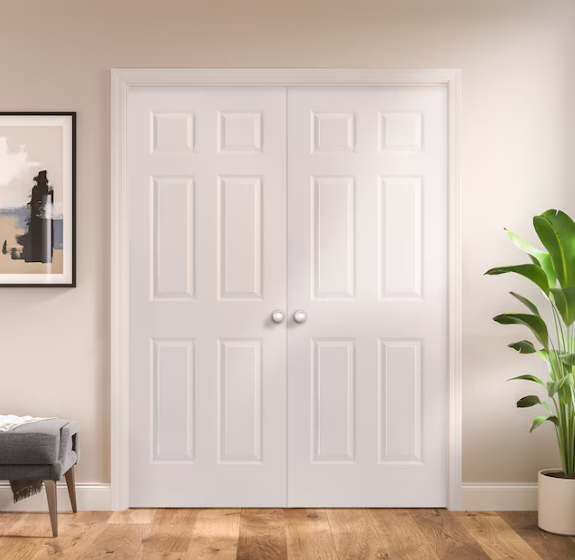
Yes—when selected thoughtfully. Traditional hinged double doors require swing space, but sliding, bifold, or pocket double doors allow builders to maintain style without sacrificing floor area.
For small bedrooms or tight hallways, consider:
- Bifold double doors for closets or bathrooms
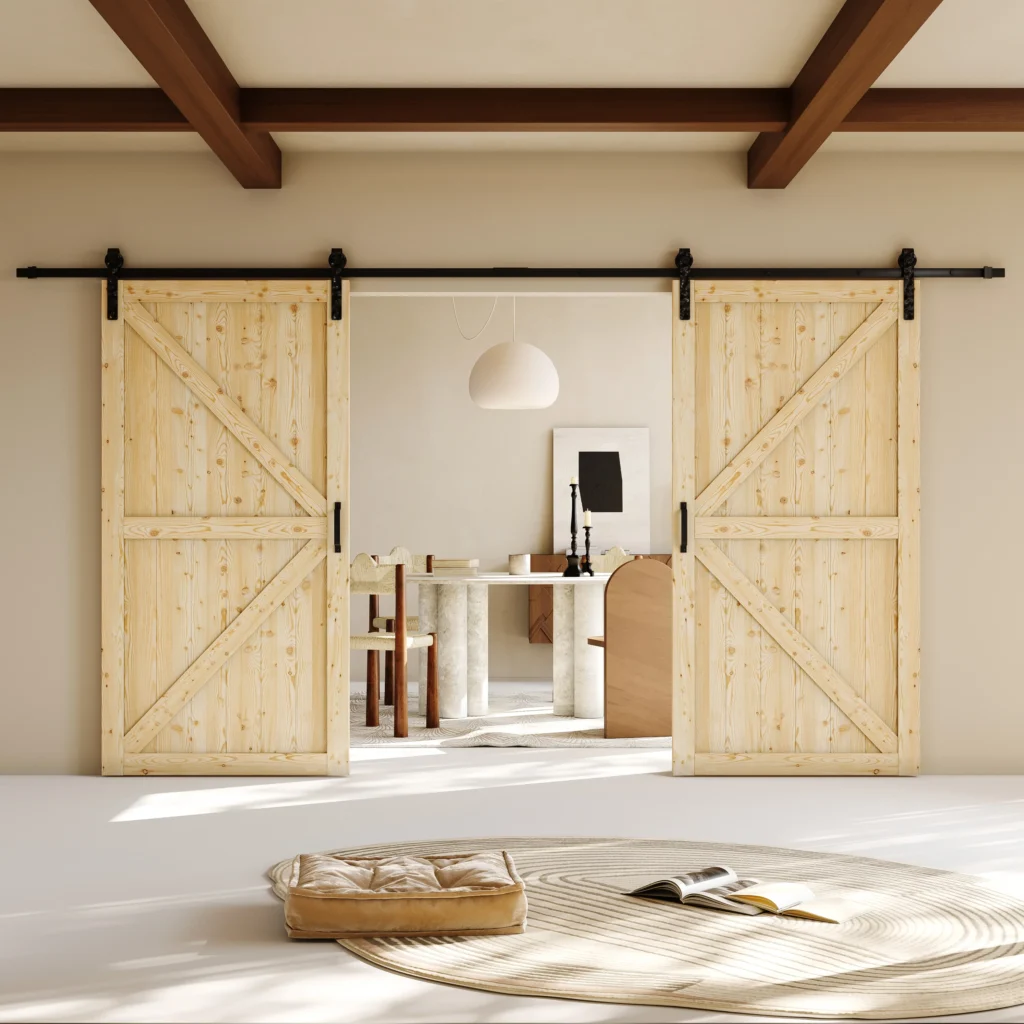
- Sliding barn-style doors for a rustic or modern twist
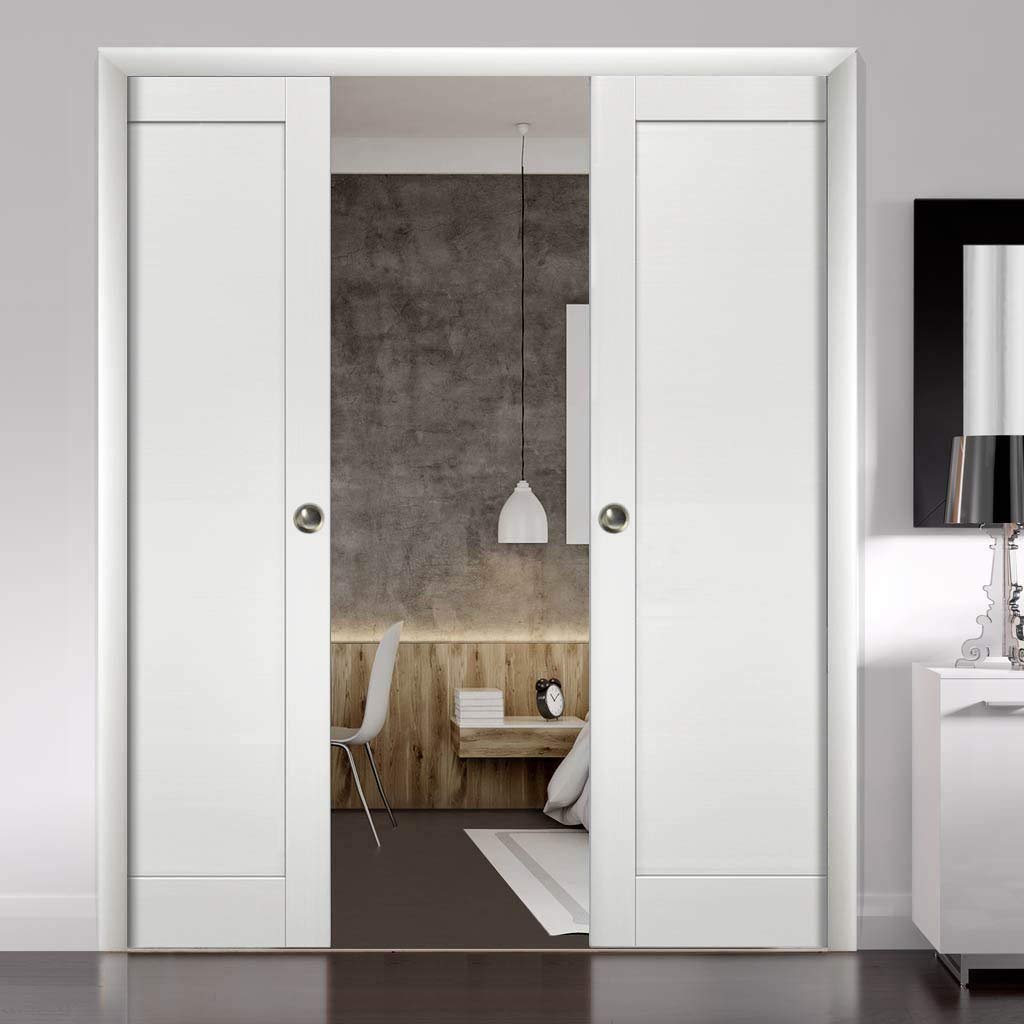
- Pocket doors that disappear into the wall, ideal for minimalism
- Frosted glass options that maintain privacy while visually expanding space
Pro tip for builders: measure swing radius carefully, and suggest sliding solutions when the client’s layout is limited. You can still give the appearance and function of double doors—even in compact homes.
What Styles Fit Bedroom Interiors?
Double doors in bedrooms serve both functional and decorative roles. The best style depends on layout and privacy needs:
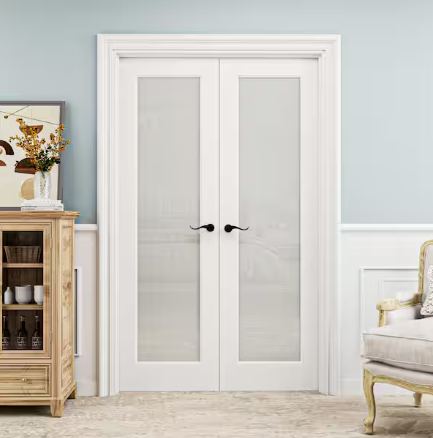
- French Double Doors: Elegant and airy, often with glass inserts. Best for bedrooms that open to balconies, patios, or ensuites.
- Barn Double Doors: Stylish and practical. Perfect for saving space and adding rustic charm or industrial edge.
- Frosted Glass Double Doors: Ideal for shared rooms or master bedrooms that need light flow but maintain privacy.
- Solid Panel Double Doors: Best for traditional bedrooms or clients who value quiet and full privacy.
Bedroom double doors can also act as transitional features—connecting dressing rooms, bathrooms, or office nooks. Builders should confirm privacy needs and acoustic expectations early in the design stage.
How Do Modern and Classic Double Door Ideas Differ?
While the double-door format remains the same, design language changes dramatically between modern and classic interiors:
Modern Double Doors
- Smooth, flat panels
- Slim profiles
- Monochromatic finishes (white, black, gray)
- Clean glass or metal inserts
- Minimal hardware (matte black or brushed steel)
Classic Double Doors
- Raised or recessed panels
- Arched tops or decorative transoms
- Rich wood stains (walnut, mahogany, cherry)
- Brass or vintage hardware
- Detailed molding or trim
Builders should align door styles with the home’s base architecture. Using classic doors in ultra-modern spaces—or vice versa—can look disjointed unless it’s a deliberate contrast.
What Finishes Work Best for Different Interior Styles?
Choosing the right finish helps tie the doors into the broader design scheme:
- Modern Interiors: Go for natural wood tones, matte white, or black finishes. Matte or satin finishes give a subtle, refined look. Pair with steel or black handles.
- Classic Interiors: Rich stains (walnut, cherry), antique whites, or painted finishes (navy, forest green) work well. A semi-gloss finish adds classic shine. Pair with brass or bronze hardware.
- Rustic or Farmhouse: Use distressed wood or whitewashed finishes. Black hardware complements this look.
For bathrooms and kitchens, builders should recommend moisture-resistant finishes or sealants to prevent warping.
Summary
Double doors aren’t just entry points—they’re architectural features that define how a home feels. Whether you’re building modern open-plan spaces or restoring traditional layouts, the right double doors offer impact, elegance, and increased home value. Choose materials wisely, match style to structure, and always plan ahead for seamless installation.