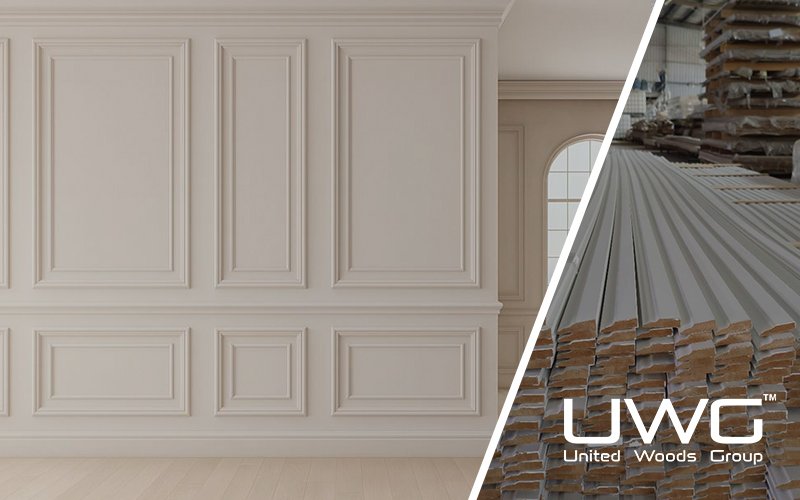
In interior architecture, wall panels are more than decorative details—they’re enduring expressions of style and craftsmanship. But which panel designs have stood the test of time, and how can they be used to create interiors that feel timeless?
Here are ten paneling styles that combine historical appeal with lasting relevance, suited for both restoration projects and modern classic interiors.
Classic wall panels combine style, craftsmanship, and function, offering timeless appeal for interiors. From raised panels and Shaker-style to beadboard, board-and-batten, wainscoting, and modern flat panels, each design balances historical charm with practical use. Suitable for restoration or new builds, these ten styles enhance depth, texture, and architectural rhythm while providing durable, visually striking solutions for both traditional and contemporary spaces.
Raised Paneling
Raised paneling represents one of the most enduring wall treatments in classical interior architecture. Originating in 17th-century England and refined through Georgian and Colonial American traditions, this style is defined by its three-dimensional geometry—a central elevated panel encased by molded rails and stiles.
It was originally used in formal spaces to express symmetry and proportion through carpentry, and continues to be favored today for its architectural depth, shadow play, and historical resonance.
- Key features:
- Beveled or contoured central panels
- Geometric consistency and classical balance
- Prominent molding profiles for added relief
- Ideal applications: Dining rooms, formal parlors, libraries, and executive offices
- Recommended materials: Solid hardwoods (e.g., oak, walnut) or MDF for painted millwork
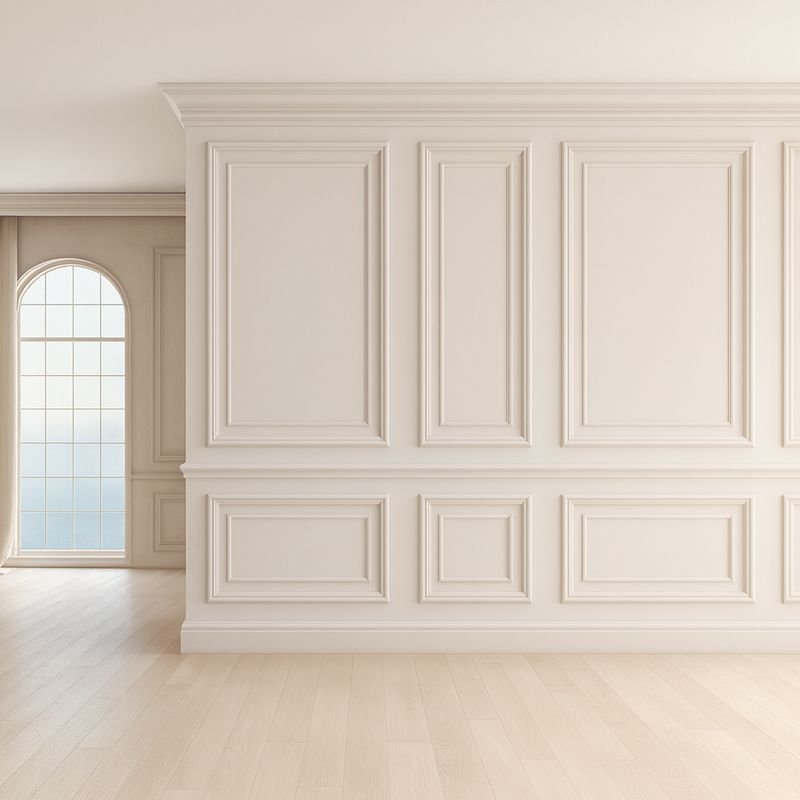
Shaker-Style Panels
Rooted in the functional design philosophy of the 18th-century Shaker movement, Shaker-style wall panels are a hallmark of restrained elegance. This design avoids unnecessary ornamentation, instead focusing on clarity of proportion, joinery integrity, and surface simplicity.
Its understated aesthetic has made it a natural fit for both traditional and contemporary interiors, especially those embracing minimalism with historical authenticity.
- Key features:
- Flat recessed panels with clean transitions
- Square-edged rails and stiles
- Linear simplicity without decorative moldings
- Ideal applications: Transitional kitchens, bedroom feature walls, corridor elevations
- Recommended materials: Maple, poplar, or premium MDF for uniform paint finishes
- ✴️ Exemplifies a simple classic wall panel design with modern adaptability
Beadboard Paneling
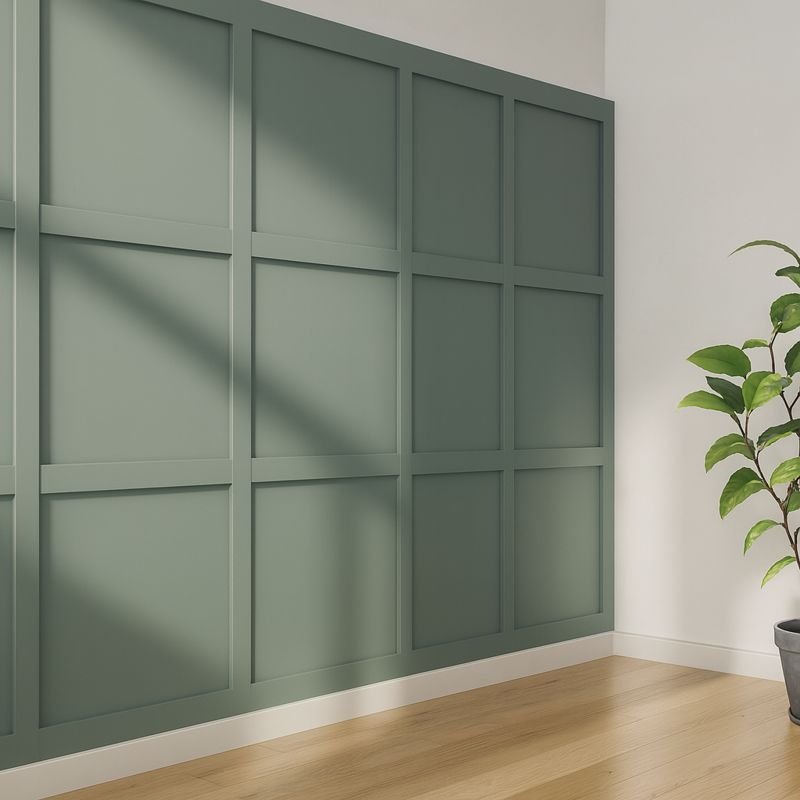
Beadboard paneling features narrow vertical planks separated by a distinctive rounded bead—a linear indentation that provides visual rhythm and surface articulation. Traditionally fabricated using tongue-and-groove joinery, beadboard was originally installed in service areas for its durability and ease of cleaning.
In contemporary interiors, beadboard is often used to evoke a cottage, coastal, or heritage aesthetic, while simultaneously addressing functional needs such as moisture resistance in humid zones.
- Key features:
- Uniform vertical grooves with rounded detailing
- Panel widths typically range from 1.5″ to 3″
- Easily installed in sections or sheets
- Ideal applications: Bathrooms, mudrooms, breakfast nooks, kitchen backsplashes
- Recommended materials: Water-resistant MDF, PVC beadboard, or primed pine
Board and Batten
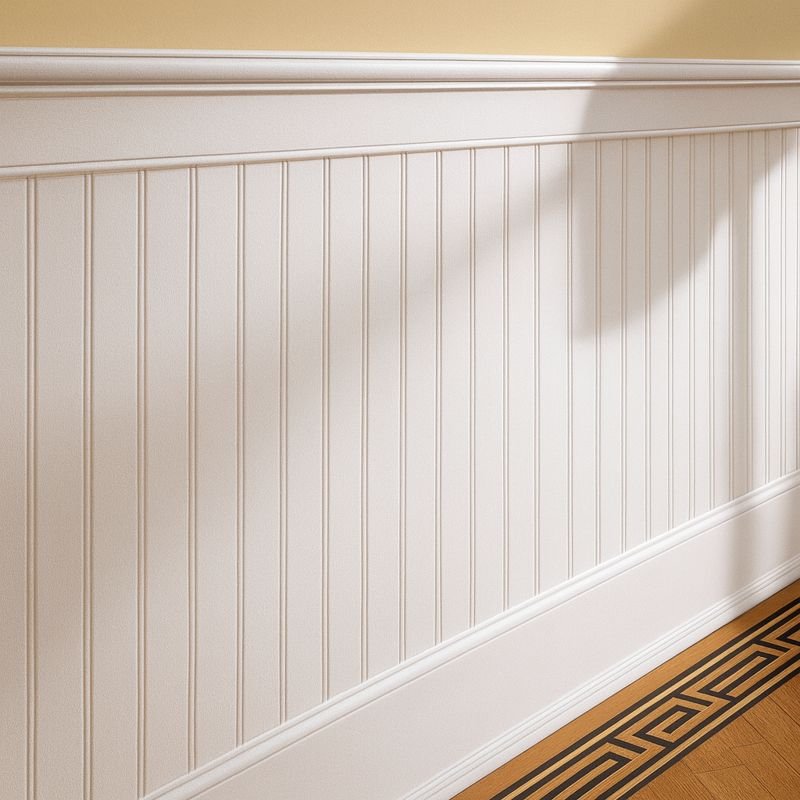
Board and batten is a wall cladding technique where wide flat boards are installed vertically and intersected by narrower battens that conceal the seams. This method was originally employed in agrarian and vernacular architecture for exterior siding due to its adaptability and weather resilience.
Modern interpretations have brought the style indoors, where its strong vertical geometry and shadow play add texture and structure to minimalist or rustic-themed spaces.
- Key features:
- Alternating pattern of base boards and vertical battens
- Creates depth, rhythm, and architectural framing
- Scalable for both interior and exterior use
- Ideal applications: Feature walls, entryways, gabled façades, two-story stairwells
- Recommended materials: Finger-jointed pine, engineered panels, fiber cement
- 📌 Relevant to classic wall panel designs exterior and transitional interiors
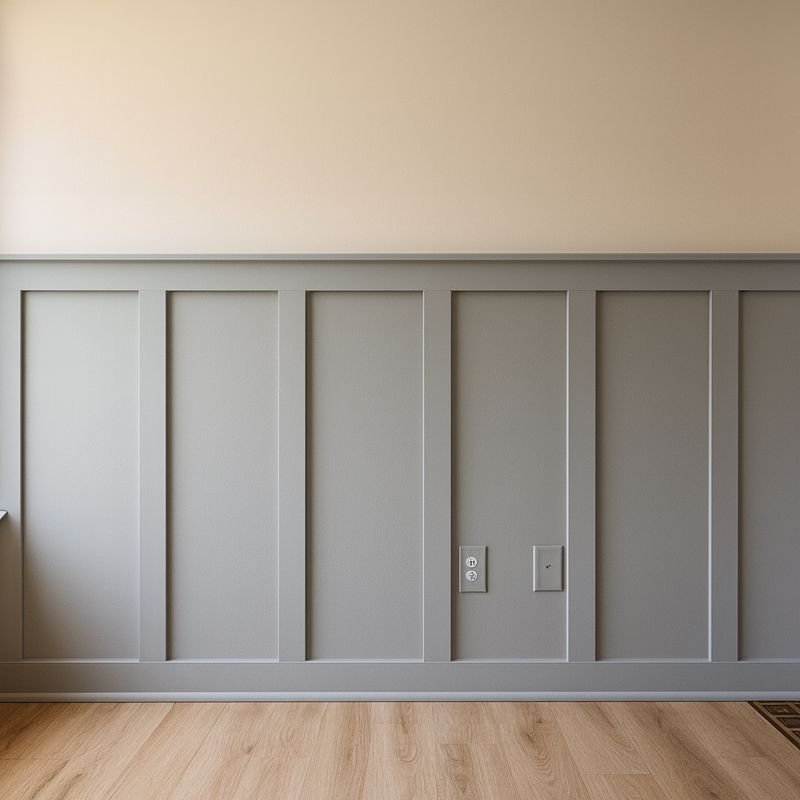
Wainscoting
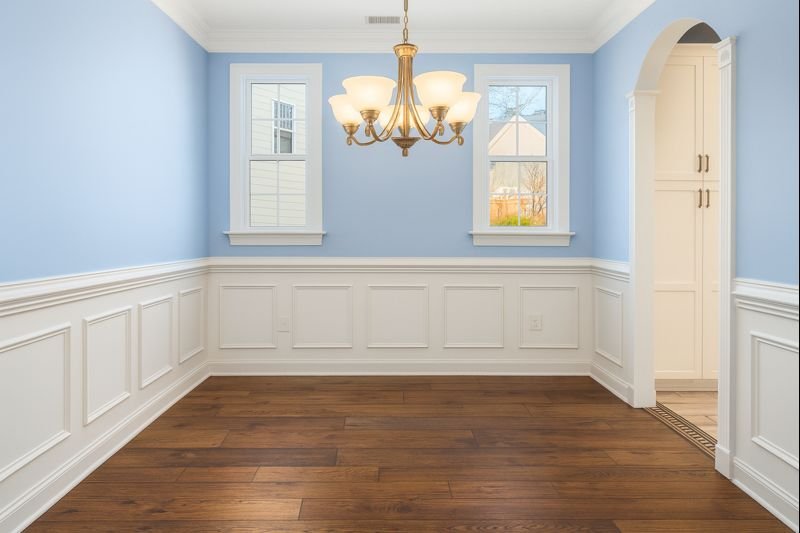
Wainscoting refers to a multi-component panel system installed on the lower portion of interior walls—typically ranging from 36″ to 48″ in height. Originating in 16th-century Europe, it was developed to protect plaster walls from chair damage, moisture, and scuffing, especially in circulation zones.
A traditional wainscot includes base molding, vertical panels (or flat boards), stile/rail framing, and a chair rail or cap molding. Today, it serves both a protective and compositional role, breaking up vertical wall planes and reinforcing classical symmetry in room layouts.
- Key features:
- Modular panel sections framed by rails and stiles
- Visual grounding of the wall plane
- Compatible with wallpaper, paint, or inset artwork
- Ideal applications: Staircases, dining rooms, hallways, reception lobbies
- Recommended materials: Moisture-resistant MDF, solid hardwood, or polyurethane panels
- 📌 Common in classic wall panel designs for living room and transitional spaces
Tongue and Groove Paneling
Tongue and groove (T&G) paneling uses planks milled with a projecting “tongue” on one edge and a corresponding “groove” on the other. When installed, the interlocking system creates a flush, seamless surface that is structurally stable and visually unified.
Originally employed in subflooring and roofing, T&G has found modern expression in architectural ceiling planes and accent walls, where it adds linear texture, subtle shadowing, and dimensional rhythm.
- Key features:
- Precision-fit interlocking edges
- Low profile seams ideal for expansive runs
- Excellent for controlling minor movement or settling cracks
- Ideal applications: Ceilings, vaulted rooms, coastal interiors, narrow hallways
- Recommended materials: Cedar, prefinished pine, or engineered hardwood
- ✅ Highly suitable for minimalist or organic interior palettes

French Wall Paneling (Boiserie)
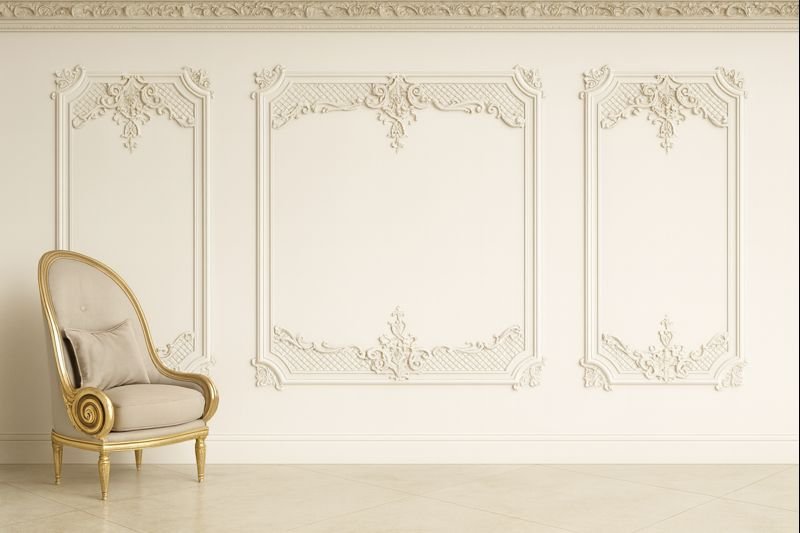
Boiserie is a high-art form of architectural wall paneling originating from 17th-century French classical interiors, particularly during the reign of Louis XIV. These panels were meticulously crafted and often featured carved motifs, pilasters, and gilded moldings, integrated into a symmetrical grid across wall surfaces.
In modern design, Boiserie is reinterpreted through prefabricated composite moldings or CNC-carved MDF panels, allowing cost-effective elegance in residential and hospitality environments.
- Key features:
- Elaborate ornamental moldings and cornices
- Panel composition aligned with wall proportions and fenestration
- Often used as frames for mirrors, wallpaper, or wall art
- Ideal applications: Formal living rooms, boutique hotels, salons, heritage restorations
- Recommended materials: Carved wood, high-density polyurethane, plaster or pre-molded MDF kits
- 🖼️ A defining choice for classical luxury aesthetics
Victorian Picture Frame Molding
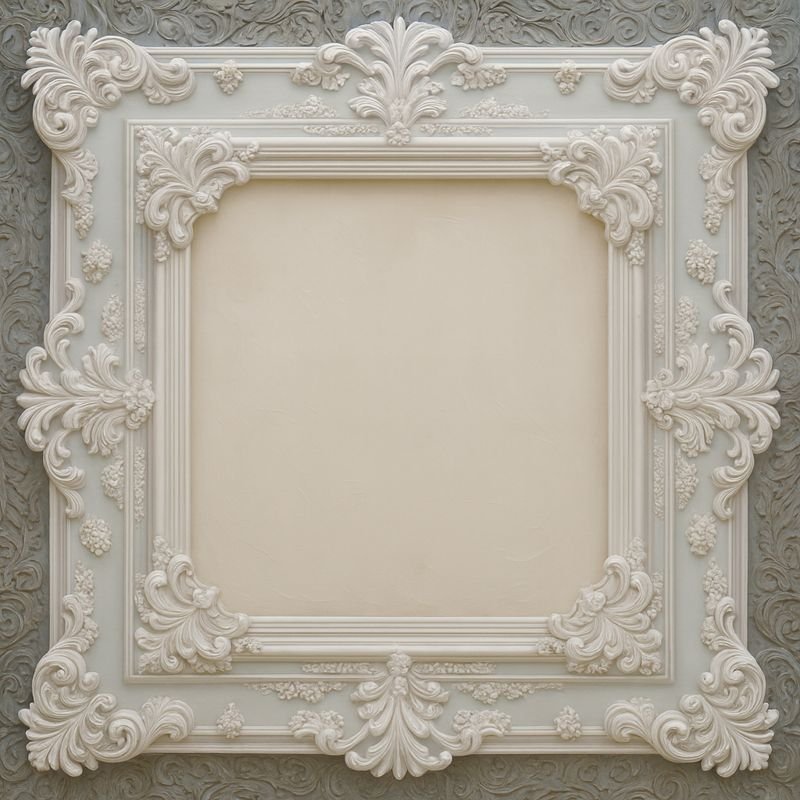
Victorian-style picture frame molding is a surface-mounted trim technique that simulates wall paneling using rectilinear moldings applied directly onto flat wall surfaces. Rather than full-depth recessed or raised panels, it outlines virtual “panels” through precise spacing and proportion.
This technique gained traction during the late 19th and early 20th centuries, offering a cost-effective yet visually structured solution for decorative wall treatments. Today, it is widely used in transitional interiors to introduce classical rhythm with minimal wall intrusion.
- Key features:
- Flat-wall molding composition (no inset panel)
- Customizable layout to suit wall height and furniture alignment
- Often painted tone-on-tone for subtle depth
- Ideal applications: Formal lounges, entry corridors, boutique residential interiors
- Recommended materials: Lightweight MDF profiles, polyurethane molding, paint-grade wood
- 🔲 Compatible with modern classic wall panel designs and modular layout systems
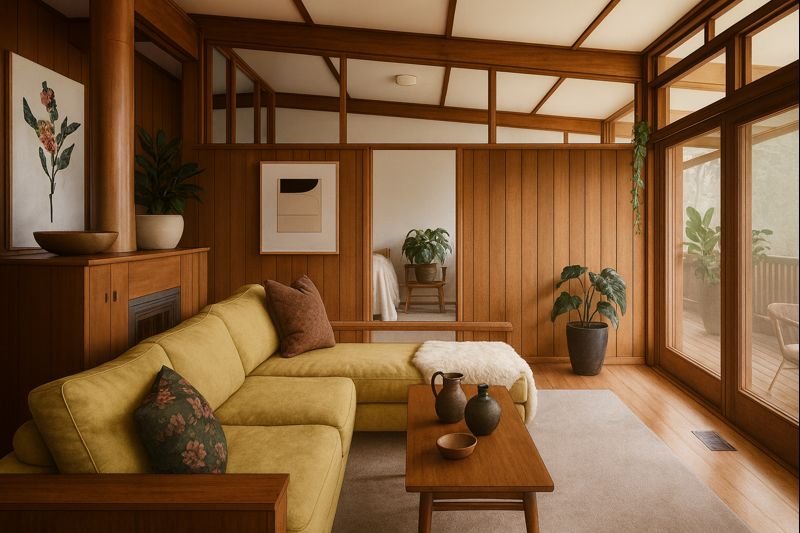
Mid-Century Wood Paneling
Mid-century paneling is characterized by the use of slender wood planks or veneer sheets arranged in horizontal or vertical patterns. It became iconic in post-war architecture (1950s–1970s), where material efficiency and modernist design merged.
Panels were typically made with natural veneers like teak, walnut, or rosewood, bonded over plywood or fiberboard, often with flush, frameless edges. Contemporary reinterpretations leverage this style to add warmth, texture, and continuity to minimalist environments.
- Key features:
- Linear wood grains and directional plank alignment
- Real wood veneer or high-pressure laminate surface
- Warm tone finishes that soften stark interiors
- Ideal applications: Media walls, executive offices, hospitality suites, bedrooms
- Recommended materials: Engineered wood veneer panels, HPL laminates, FSC-certified plywood
- 🪵 Blends modernism with tactile richness for high-end interiors
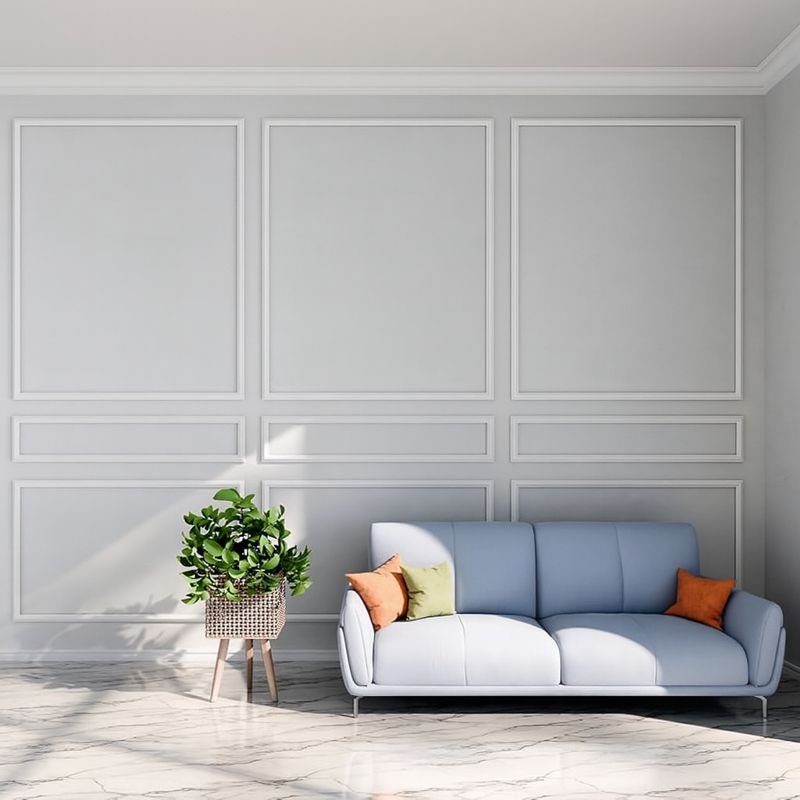
Modern Classic Flat Panels
Flat paneling in the modern classic context strips down traditional raised or recessed panels to their essence—geometric composition, refined symmetry, and clean-lined borders. The result is an architectural surface treatment that is understated yet spatially structured.
These panels are usually laid out in grid or columnar formats, sized to respond to wall dimensions and ceiling height. Thin-profile molding or shadow reveals can be used to accentuate panel edges without overwhelming minimal aesthetics.
- Key features:
- Flush panels with proportional spacing
- Subtle architectural framing using slim trims or reveals
- Ideal canvas for feature lighting or color blocking
- Ideal applications: Contemporary bedrooms, boardrooms, gallery-style interiors
- Recommended materials: Paint-grade MDF, pre-laminated composite boards, aluminum-trim systems
- 🎯 Perfect synthesis of modern classic wall panel designs—elegant, scalable, and versatile
Summary
Classic wall panels offer more than visual appeal—they serve as enduring tools of spatial composition and architectural identity. Whether applied in restoration or new construction, these ten styles provide timeless design value when panel proportion, detailing, and material selection are carefully aligned with the project’s architectural intent.