Introduction
Imagine a residential project approaching completion, with kitchens already installed and final finishes being reviewed. The cabinetry looks right, appliances are in place, but the flooring choice begins to raise concerns—materials that feel dated, surfaces that show wear too quickly, or products that no longer align with current buyer expectations. In many cases, the problem is not installation quality, but flooring selections made without considering how kitchen design trends and performance requirements are evolving.
In 2026, kitchen flooring trends in North America favor warm, natural tones like beige, light oak, and soft brown, replacing cool gray. Low-gloss textures, clean visuals, wide-plank wood looks, straight-lay installations, and subtle stone patterns dominate. Builders continue to rely on water-resistant LVP for efficiency, engineered wood for premium warmth, and large-format porcelain or ceramic tile for durability in moisture-prone kitchens.
Key Kitchen Flooring Trends Shaping 2026 Projects
As kitchens continue to function as multi-purpose spaces rather than purely utilitarian rooms, flooring trends are shifting toward materials that balance visual warmth with high performance. In 2026, builders are seeing less emphasis on highly decorative patterns and more focus on surfaces that feel natural, cohesive, and durable.
One major trend is the move toward warmer, organic aesthetics. Cool gray floors that dominated previous years are steadily being replaced by neutral beiges, soft browns, and natural wood tones. These colors integrate easily with a wide range of cabinet finishes and allow builders to maintain design flexibility without committing to overly specific styles.
Another defining trend is visual continuity. Open-concept layouts remain common, and buyers increasingly expect kitchen flooring to flow seamlessly into adjacent living or dining spaces. This has driven demand for products that can be installed consistently across multiple rooms without transitions, while still meeting kitchen-specific performance requirements such as water resistance and easy maintenance.
Finally, performance-driven design is influencing material selection more than ever. While buyers respond first to appearance, kitchens demand flooring that can handle moisture, temperature changes, and heavy foot traffic. Materials that combine realistic visuals with engineered durability are clearly shaping 2026 specifications.
Popular Kitchen Flooring Styles in North America: What Buyers Are Asking For
Across the U.S. and Canada, buyer preferences for kitchen flooring are becoming more consistent, particularly in new residential developments and renovation projects. Several styles are emerging as clear favorites among builders.
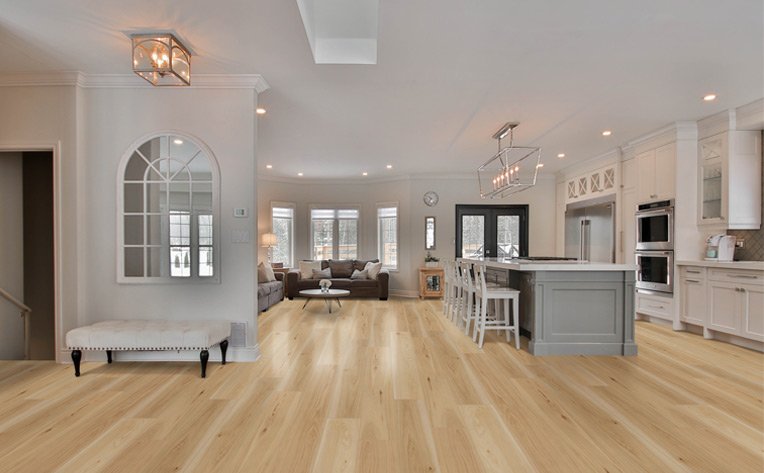
Wide-plank looks continue to gain momentum. Whether in wood-look or stone-inspired designs, wider planks create a cleaner, more modern appearance and reduce the number of visible seams. This style also supports faster installation, an important consideration for builders managing tight timelines.
Natural and understated textures are also in strong demand. Buyers are gravitating toward flooring that mimics real wood or stone without high contrast or heavy patterning. Subtle grain movement and low-sheen finishes tend to age better visually and show less wear over time.
From an installation standpoint, straight-lay layouts are becoming increasingly popular in kitchens, even when other areas of the home use more decorative patterns. Builders report that straight installations simplify layout planning, reduce waste, and align well with modern cabinetry and appliance designs.
Overall, the prevailing style direction favors kitchen floors that feel timeless rather than trendy—surfaces that support the overall space without dominating it.
Material Choices That Balance Durability, Cost, and Installation Efficiency
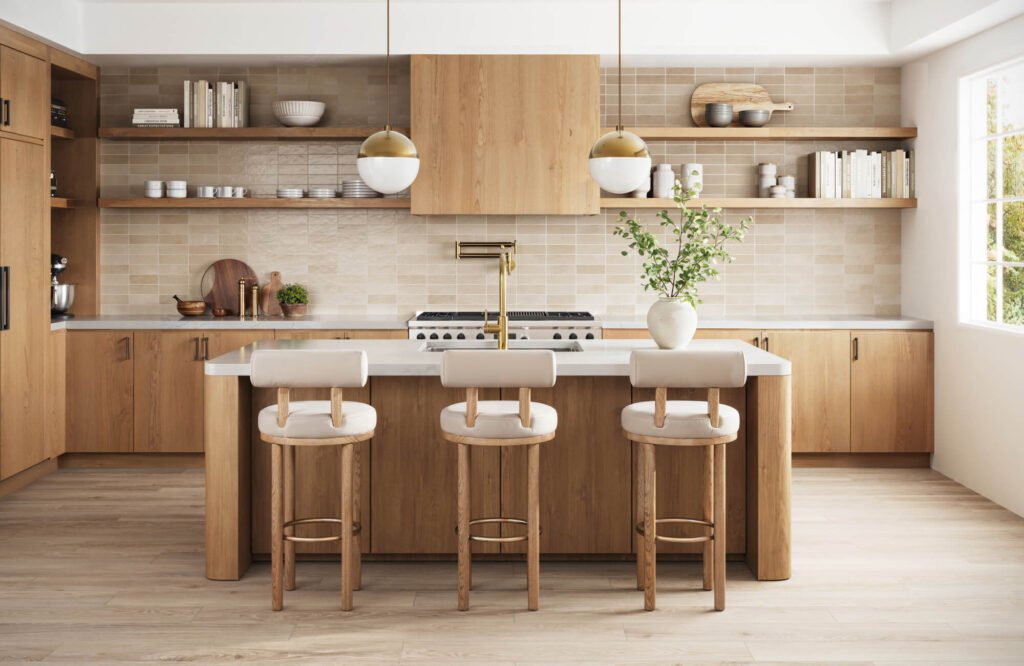
Material selection remains the most critical decision for kitchen flooring, particularly as builders balance budget targets with performance expectations. For 2026 projects, several materials continue to stand out.
Luxury Vinyl Plank (LVP) remains one of the most widely specified options for kitchens. Its water resistance, dimensional stability, and broad design range make it suitable for both entry-level and mid-range residential projects. Builders also value LVP for its straightforward installation and compatibility with open-concept layouts beyond the kitchen.
Engineered wood flooring is seeing renewed interest in higher-end projects where natural materials are a priority. While not suitable for every kitchen environment, improvements in core construction and surface finishes have expanded its use when paired with proper installation methods and moisture control.
Porcelain and ceramic tile continue to play an important role, particularly in markets where durability and moisture resistance are top priorities. Builders are increasingly favoring larger formats and simpler visuals that reduce grout lines and maintenance concerns while delivering long-term performance.
Across all materials, builders are prioritizing products that offer consistent quality, reliable supply, and predictable installation outcomes. Flooring that introduces unnecessary complexity or risk—regardless of appearance—is often avoided in favor of proven systems.
What Builders Should Consider When Selecting Kitchen Flooring for 2026
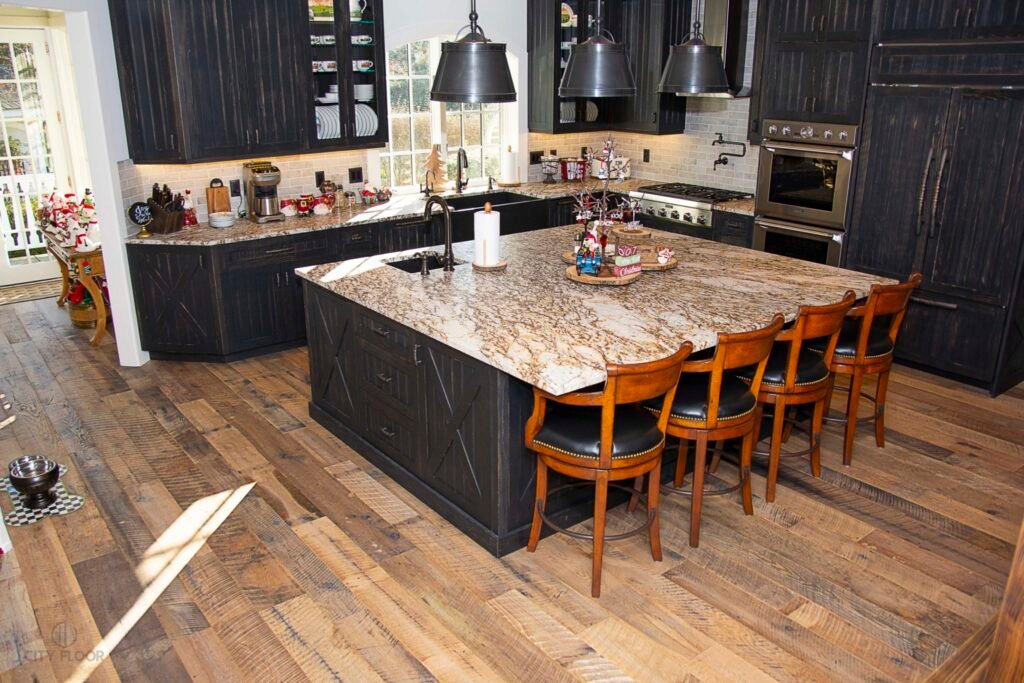
While trends and styles provide useful direction, successful flooring selection ultimately depends on practical decision-making. Builders should evaluate kitchen flooring options based on real-world performance rather than appearance alone.
First, installation efficiency matters. Flooring systems that reduce subfloor preparation, minimize transitions, and allow for faster installation can directly impact labor costs and project schedules.
Second, long-term performance should outweigh short-term savings. Kitchens experience spills, heavy use, and frequent cleaning. Materials that resist moisture, scratching, and wear help reduce post-handover issues and service callbacks.
Third, design flexibility is increasingly valuable. Builders benefit from flooring options that work across multiple home styles and price points, allowing consistent specifications without sacrificing market appeal.
Finally, availability and logistics should not be overlooked. Reliable lead times and consistent product specifications are essential for large or multi-phase projects. Flooring that looks good on paper but creates supply challenges can quickly disrupt timelines.
By approaching kitchen flooring selection with these factors in mind, builders can align trend awareness with practical execution.
Conclusion
Kitchen flooring trends for 2026 reflect a clear shift toward balance—between appearance and performance, cost and durability, and design appeal and installation efficiency. In North America, builders are moving toward warmer tones, simpler styles, and materials that support open layouts while meeting the demanding conditions of kitchen environments.
Rather than chasing short-lived design trends, the most successful projects focus on flooring choices that deliver long-term value. By understanding current market preferences and selecting materials that perform consistently on site, builders can create kitchens that meet buyer expectations today and remain reliable well beyond completion.