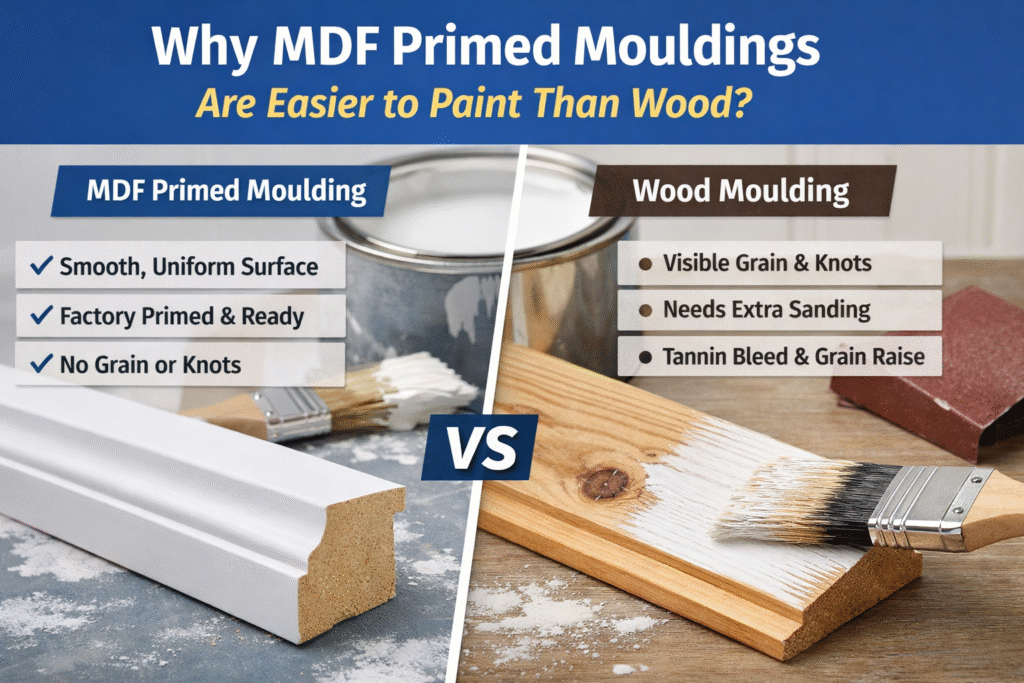
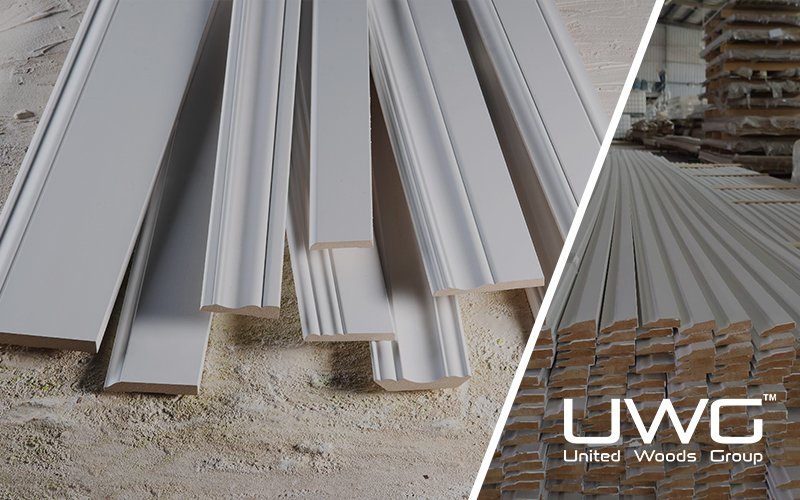
What makes some interior mouldings easier to paint than others? Many builders and designers notice a clear difference between MDF primed mouldings and traditional wood.
MDF primed mouldings stand out because they combine a uniform surface, factory-applied primer, and predictable paint absorption. Compared with traditional wood mouldings, MDF requires less preparation, accepts paint more evenly, and produces consistent, professional results, making it a preferred choice for modern interior trim projects.
The Material Difference Between MDF and Wood
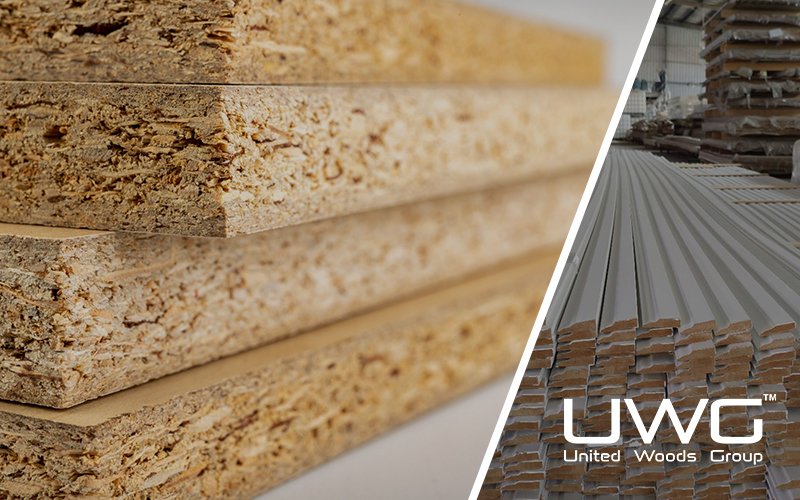
MDF, or Medium Density Fiberboard, is an engineered material made from fine wood fibers bonded with resin and compressed under high pressure. This process creates a dense, stable board with no natural grain or knots. Wood mouldings, on the other hand, are milled from solid lumber, which naturally contains grain patterns, density variations, and imperfections that affect how paint adheres and dries.
These fundamental differences explain why MDF primed mouldings behave more predictably during painting and finishing.
Smooth, Grain-Free Surface for Better Paint Adhesion
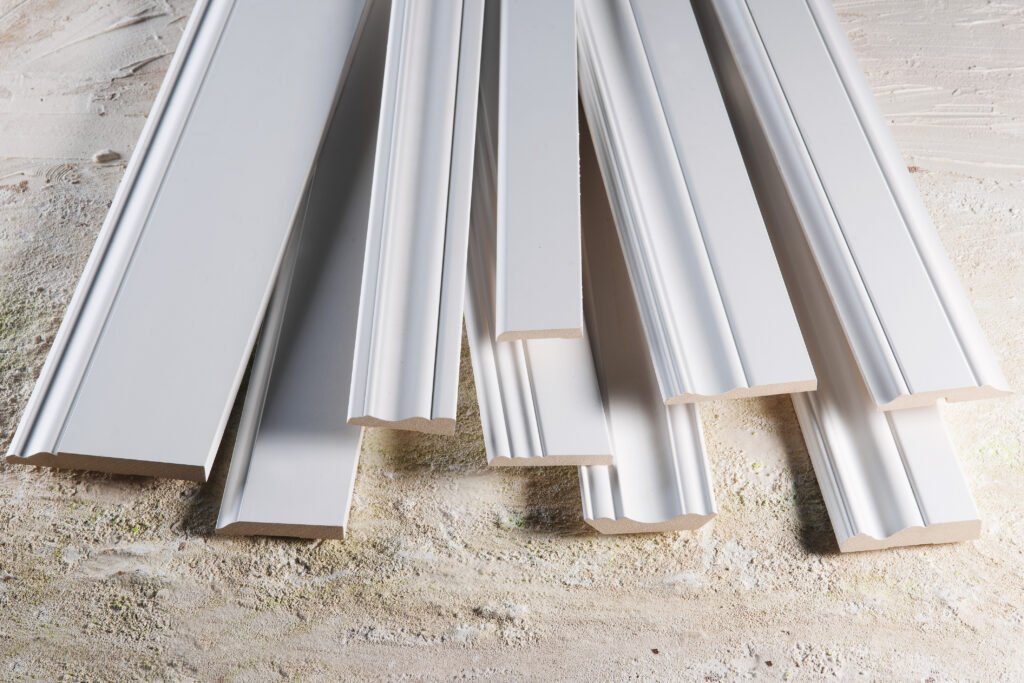
One of the main reasons MDF primed mouldings are easier to paint than wood is their smooth, consistent surface. Without wood grain, paint does not settle unevenly or highlight texture. This allows for a clean, modern finish that is especially desirable for painted baseboards, crown mouldings, and window trim.
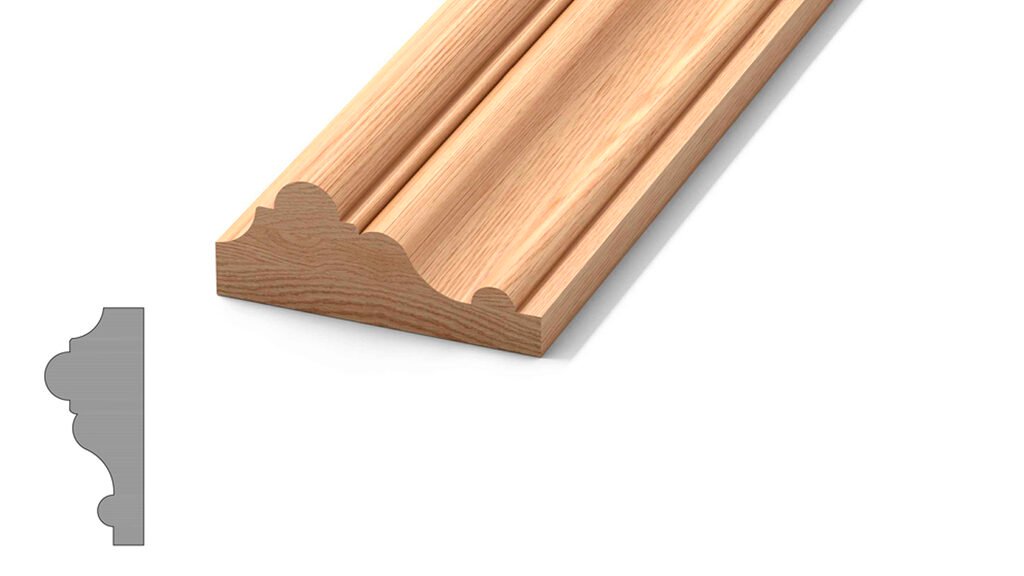
Wood mouldings often require extensive sanding or grain filling to achieve a similar look. Even then, grain lines may remain visible, particularly under semi-gloss or high-gloss paint.
Factory-Applied Primer Reduces Preparation Time
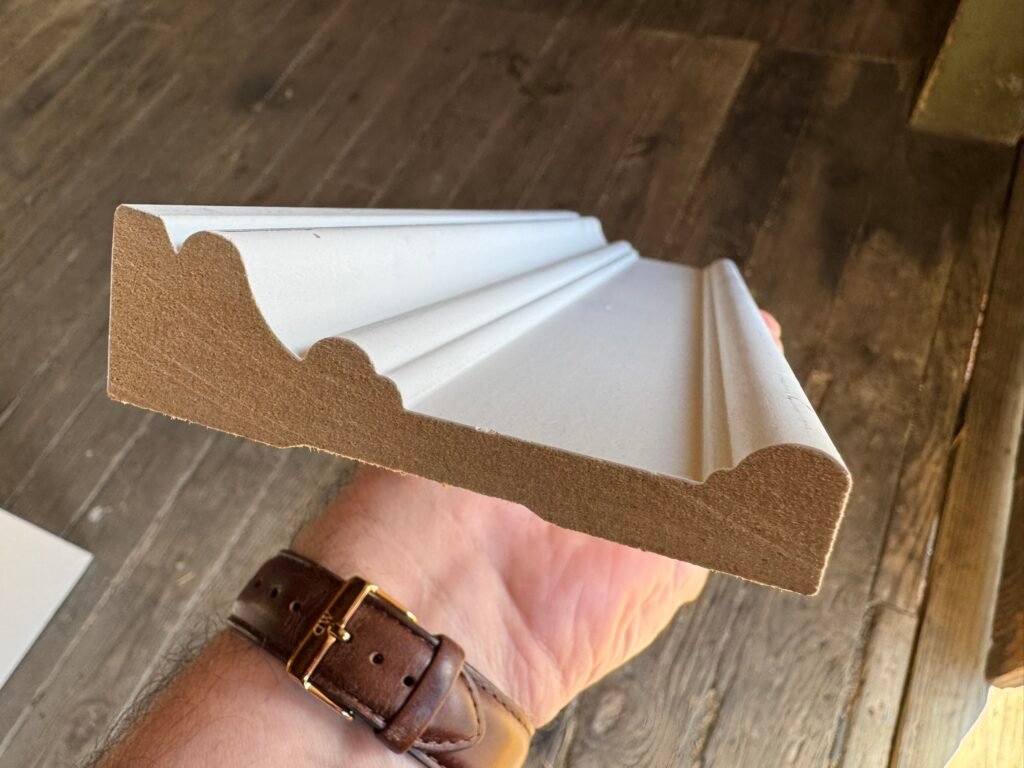
Most MDF mouldings come pre-primed from the factory. The primer is applied in a controlled environment, ensuring even coverage and proper sealing. This creates an ideal surface for topcoat application and eliminates the need for on-site priming.
By contrast, wood mouldings usually arrive unfinished and must be sanded and primed before painting. Different wood species absorb primer at different rates, which can lead to uneven color and additional labor. MDF primed mouldings help streamline the painting process and improve efficiency.
No Grain Raising or Tannin Bleed
Natural wood presents common painting challenges such as grain raising and tannin bleed. When water-based paint is applied, wood fibers can swell and create a rough surface. Some wood species also release tannins that may discolor paint over time.
MDF contains no grain or tannins, making it highly compatible with modern water-based and low-VOC paints. The result is a smoother finish and more stable color over the life of the product.
Fewer Coats and Consistent Results
Because MDF is dense and uniform, paint coverage is more efficient. Full opacity is often achieved in fewer coats compared to wood mouldings. This reduces material usage, labor time, and overall project costs while delivering consistent results across large installations.
Ideal for Interior Painted Trim
While MDF is best suited for dry, interior environments, it is an excellent choice for applications where a painted finish is required. Its ease of painting, stable performance, and cost efficiency make MDF primed mouldings a reliable solution for residential and commercial interiors.
Conclusion
MDF primed mouldings are easier to paint than wood because they offer a smooth, grain-free surface, factory-applied primer, and reliable paint adhesion. With fewer preparation steps and more consistent results, MDF mouldings provide an efficient, high-quality option for interior painted trim projects.