Every cabinet door tells a story. From humble Shaker craftsmanship to sleek modern panels, each design has evolved through centuries of woodworking tradition. Understanding these styles isn’t just about looks — it’s about appreciating the artistry, history, and function behind every cabinet front.
Shaker, Molded, Flat Panel, and Glass Insert cabinet doors each represent a unique design era. Shaker doors emerged in the 18th century with minimalist craftsmanship; Molded doors flourished with ornate European influences; Flat Panels gained fame through mid-century modern simplicity; and Glass Inserts brought openness and light to contemporary spaces. Together, they trace the evolution of cabinetmaking from practicality to timeless design.
Let’s take a closer look at how each cabinet door style evolved — from handcrafted beginnings to the refined, functional designs that dominate today’s kitchens and showrooms.
How Did the Shaker Cabinet Door Style Begin?
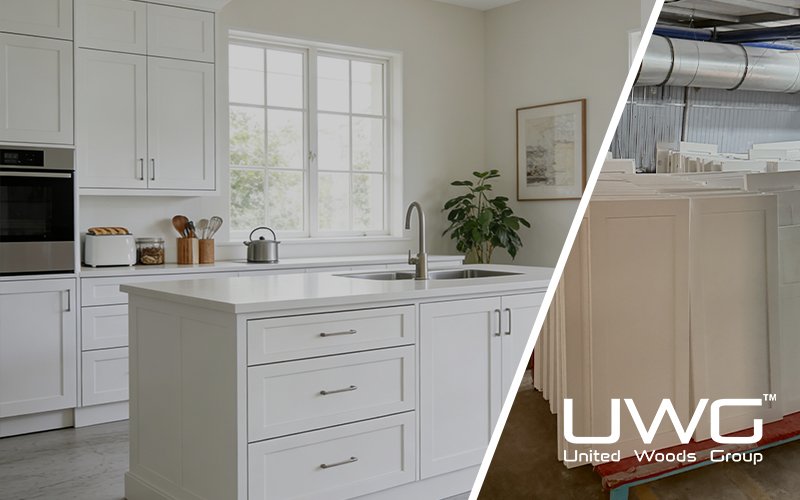
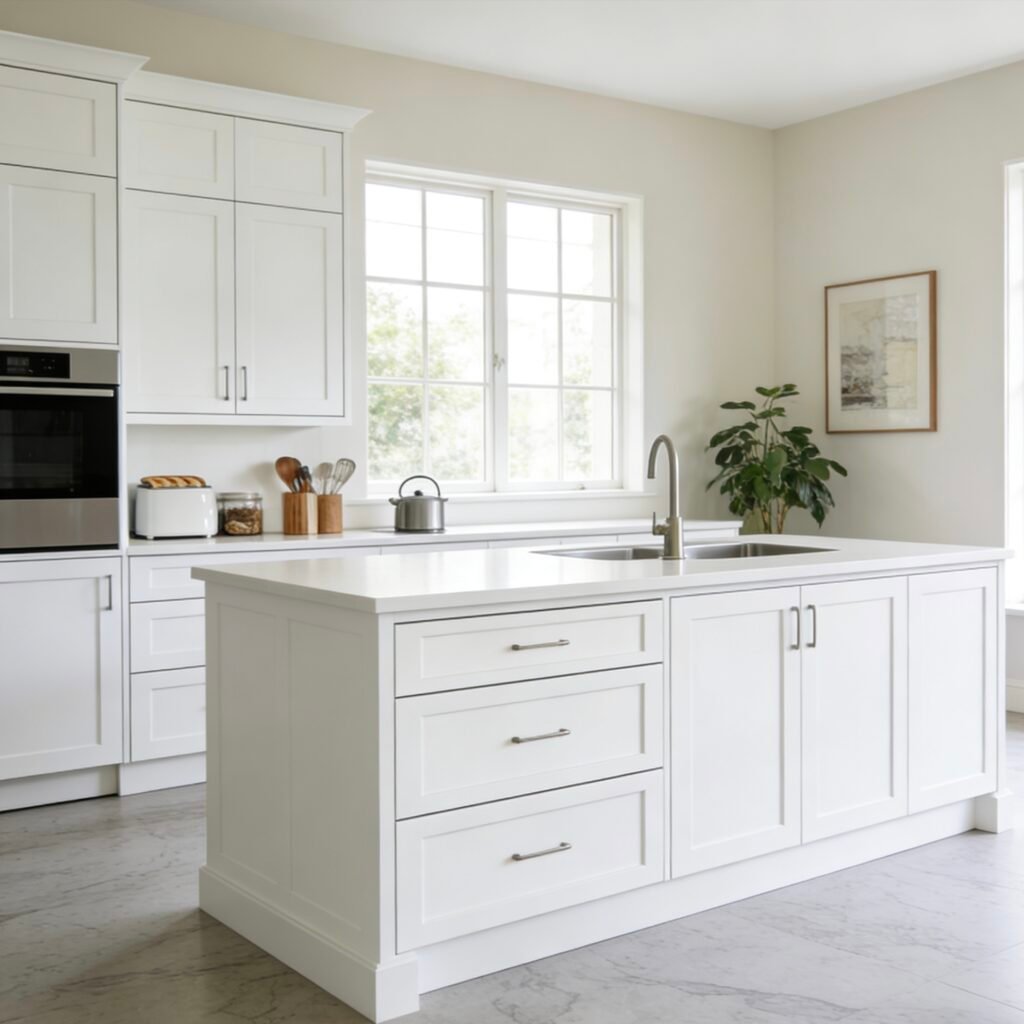
The Shaker cabinet door traces its origin to the Shaker religious community of the late 1700s in America. These artisans believed in simplicity, honesty, and function. Every detail served a purpose — no frills, no waste. The five-piece Shaker door, with its flat center panel and squared edges, reflected this philosophy perfectly. Over time, its clean geometry became a hallmark of both traditional and modern kitchens, admired for its adaptability and durability.
Even today, the Shaker cabinet door style remains a favorite among builders and wholesalers for its cost-efficiency, easy repainting options, and timeless look.
What Is the History Behind Molded Cabinet Doors?
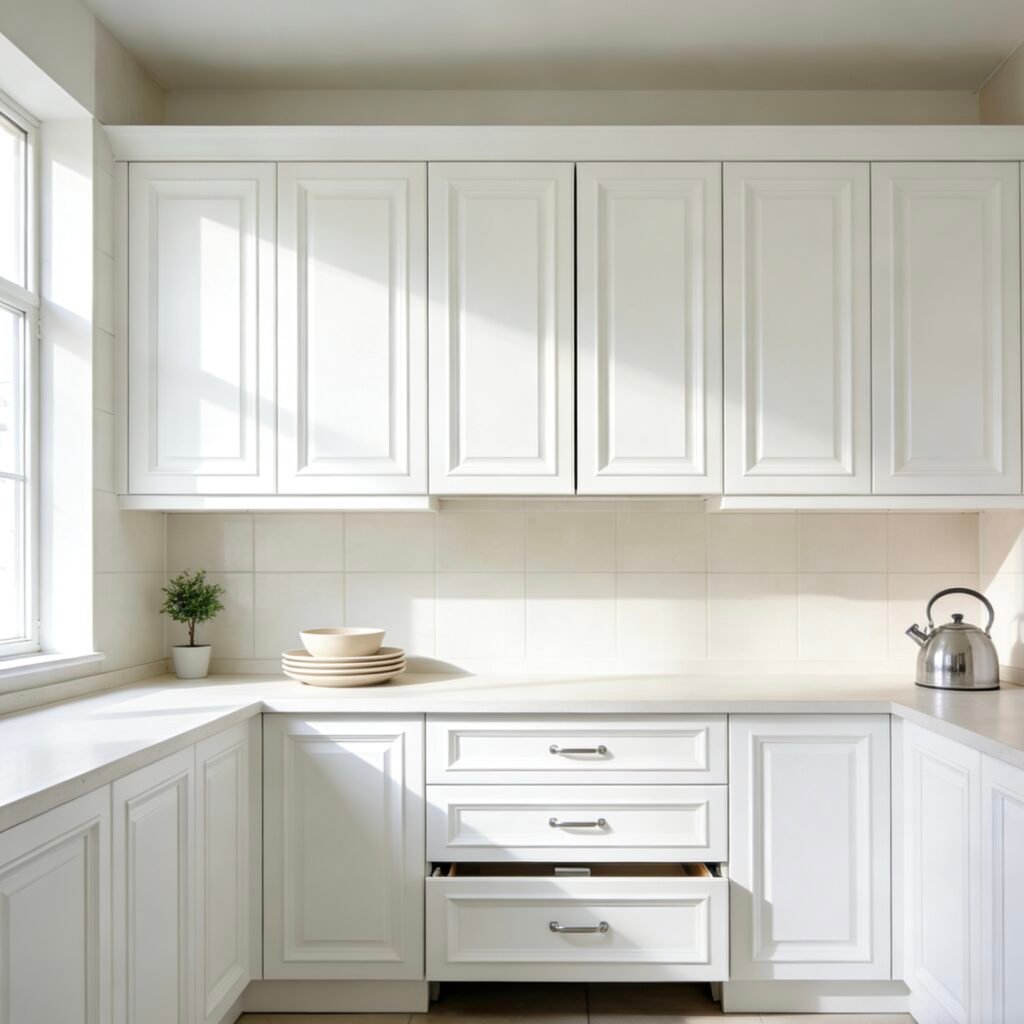
The Molded cabinet door style blossomed in Europe’s Baroque and Rococo eras, when ornamentation was synonymous with craftsmanship. Skilled woodworkers used carved moldings, raised panels, and layered details to showcase luxury. By the early 20th century, molded styles adapted to new materials — MDF, polyurethane, and later thermofoil — allowing mass production of elegant looks without the cost of hand carving.
Today, molded doors bridge the gap between classic opulence and modern practicality, appealing to homeowners who seek texture and depth without excessive ornament.
Why Did Flat Panel Cabinet Doors Become Popular in Modern Homes?
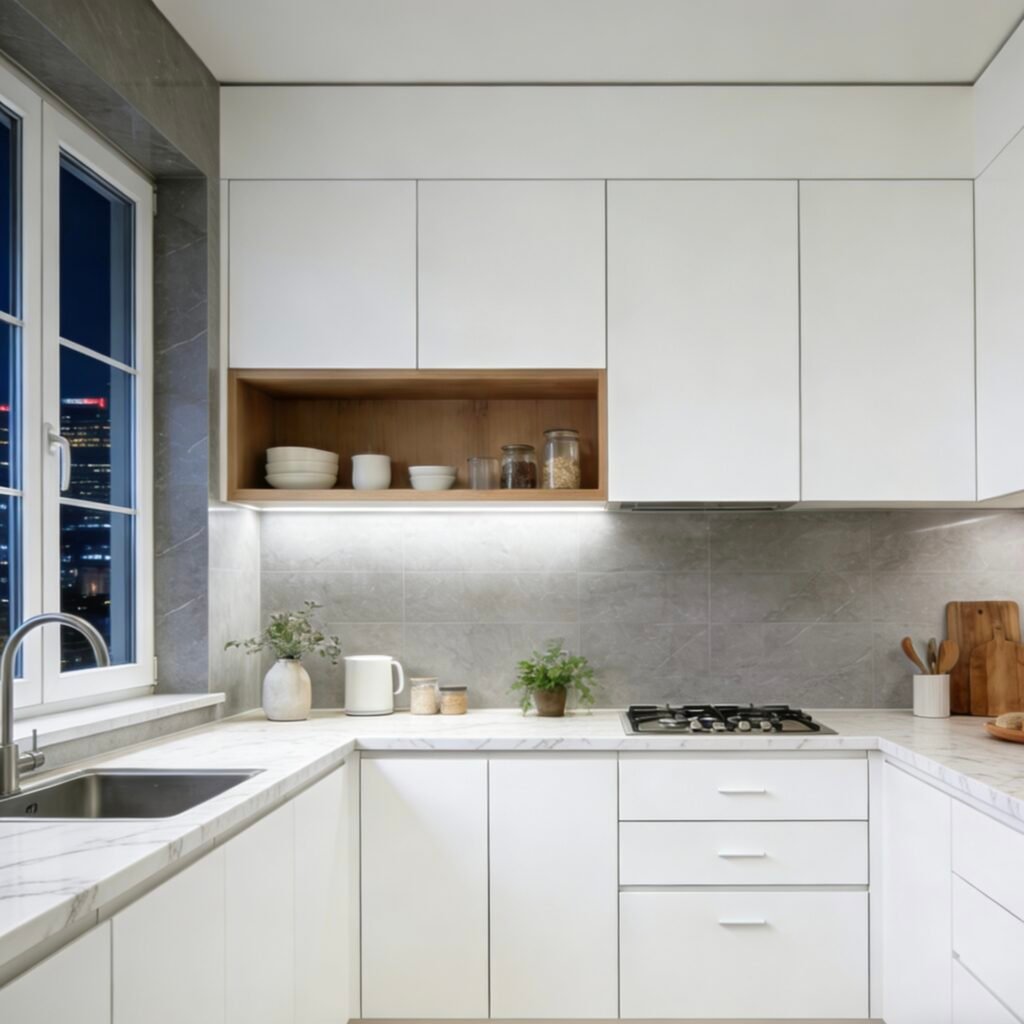
The Flat Panel (or slab) cabinet door gained momentum during the mid-20th-century modernist movement. Architects like Le Corbusier and Frank Lloyd Wright inspired a minimalist approach that celebrated function over form. Flat panels symbolized modernity: no frames, no recesses — just smooth, clean surfaces that complemented sleek kitchen appliances and open floor plans.
Builders and wholesalers embraced them for their cost-effectiveness, durability, and versatile finishes, from glossy laminates to matte wood veneers.
What Is the History Behind Glass Insert Cabinet Doors?
The story of glass insert cabinet doors begins in the Victorian era of the 19th century, when advances in glassmaking made transparent panels affordable and decorative. Early versions were featured in china cabinets and display hutches, where homeowners proudly showcased fine dishware.
As kitchens became more social spaces in the early 20th century, designers adopted glass panels to bring light and visual openness to cabinetry. Art Deco and later mid-century modern movements favored frosted, ribbed, and leaded glass, blending functionality with style.
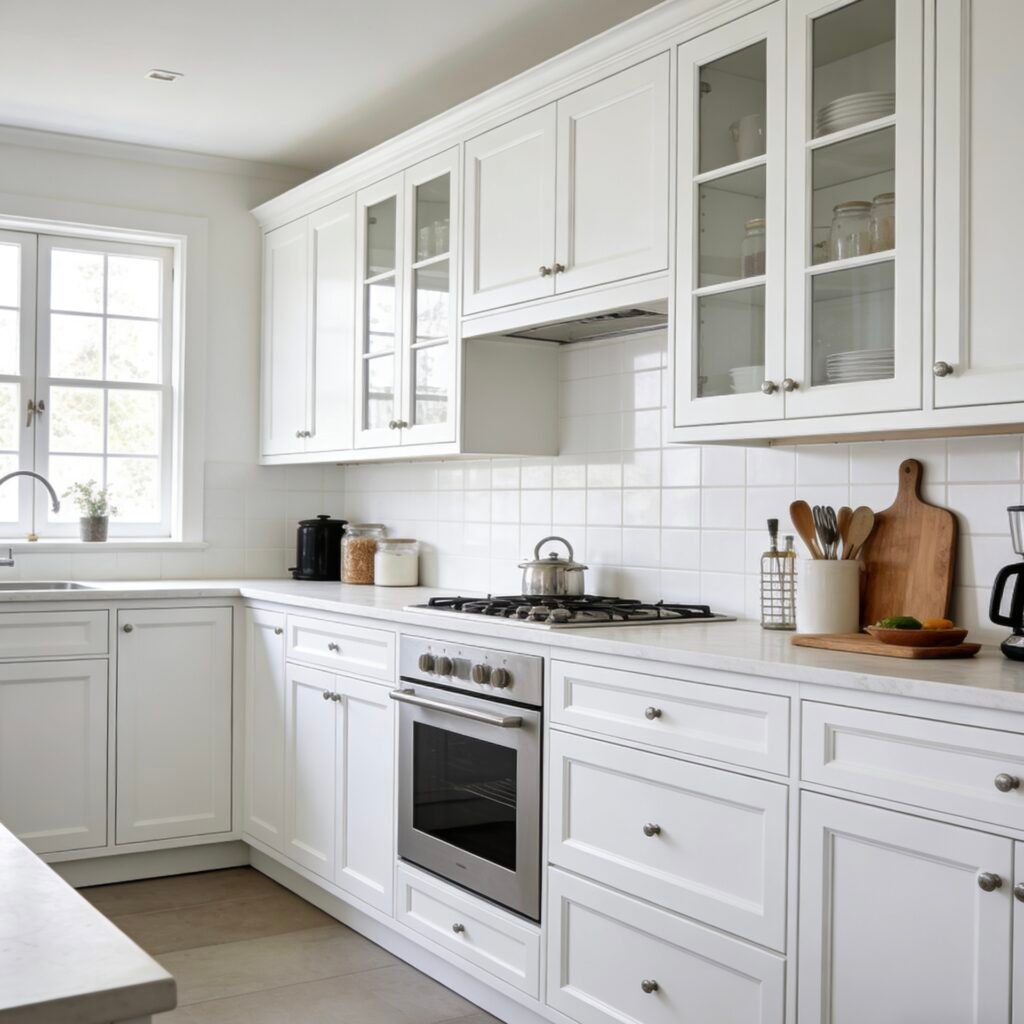
By the 1980s and 1990s, improved safety glass and mass production made glass inserts accessible for residential kitchens. Builders and wholesalers began offering custom-cut glass panels for both traditional Shaker frames and sleek flat-panel doors.
Today, the style symbolizes elegance and transparency, allowing homeowners to merge aesthetic appeal with display functionality. Whether clear, frosted, or textured, glass inserts continue to evolve alongside modern trends emphasizing light, openness, and minimalist design.
What Makes Modern Cabinet Door Styles Different Today?
Modern cabinet design merges heritage with innovation. You’ll find white Shaker cabinet door replacements, paintable Shaker options, and molded MDF alternatives that replicate craftsmanship at scale. Today’s cabinet doors prioritize sustainability, durable coatings, and customizable finishes, offering wholesalers more options to meet client demands. Even the minimalist flat panel continues to evolve, often combined with glass inserts for a balanced blend of openness and sophistication.
How Have Cabinet Door Styles Evolved in Cost and Design Trends?
Pricing has evolved alongside technology.
- Shaker doors remain cost-friendly for their straightforward design.
- Molded doors vary by material complexity and finish type.
- Flat panels are the most affordable in large-scale production.
- Glass insert doors command higher costs due to glass cutting and installation precision.
Builders sourcing cabinet doors “near me” now consider not only price but also aesthetic longevity and maintenance ease when selecting bulk designs.
Summary
From humble 18th-century workshops to today’s design studios, cabinet door styles reflect centuries of evolution in craftsmanship and taste. Whether Shaker, Molded, Flat Panel, or Glass Insert, each design connects history with modern innovation — a perfect blend of heritage and functionality for builders and wholesalers alike.