Can builders deliver clean, upgraded interiors while keeping material costs and labor time under control?
Yes—and MDF primed moulding is one of the most practical answers builders are using today.
For builders, interior trim decisions are never just about appearance. They directly affect material budgets, installation speed, inspection outcomes, and post-handover warranty issues. MDF primed moulding has gained widespread adoption in residential construction because it solves several builder-specific challenges at once: predictable cost, consistent quality, fast installation, and reliable paint results.
This article explains why MDF primed moulding is a smart, cost-effective interior trim solution for builders, how it compares to alternative materials, and where it delivers the most value in residential projects.
What Is MDF Primed Moulding?
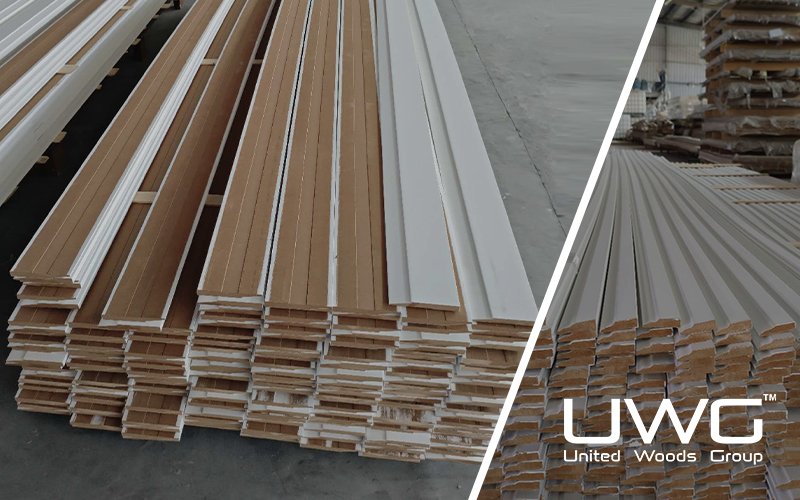
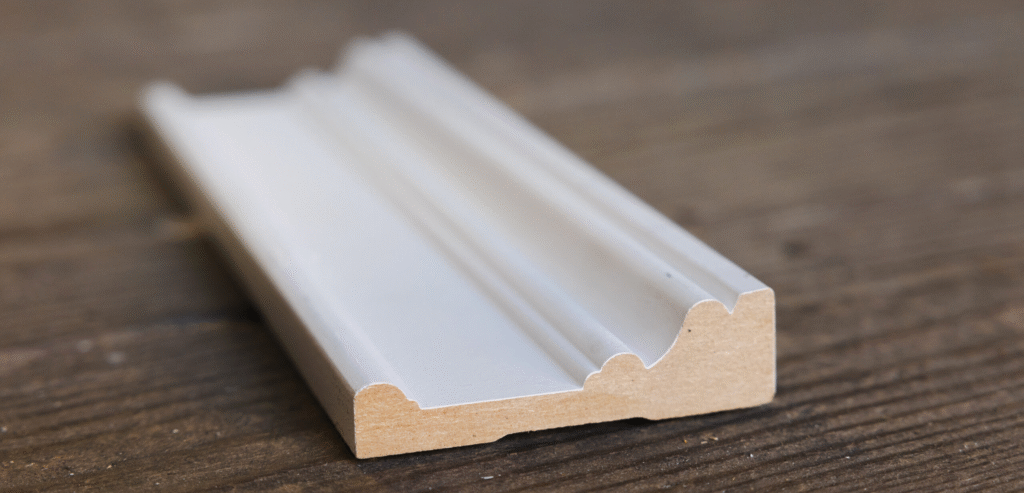
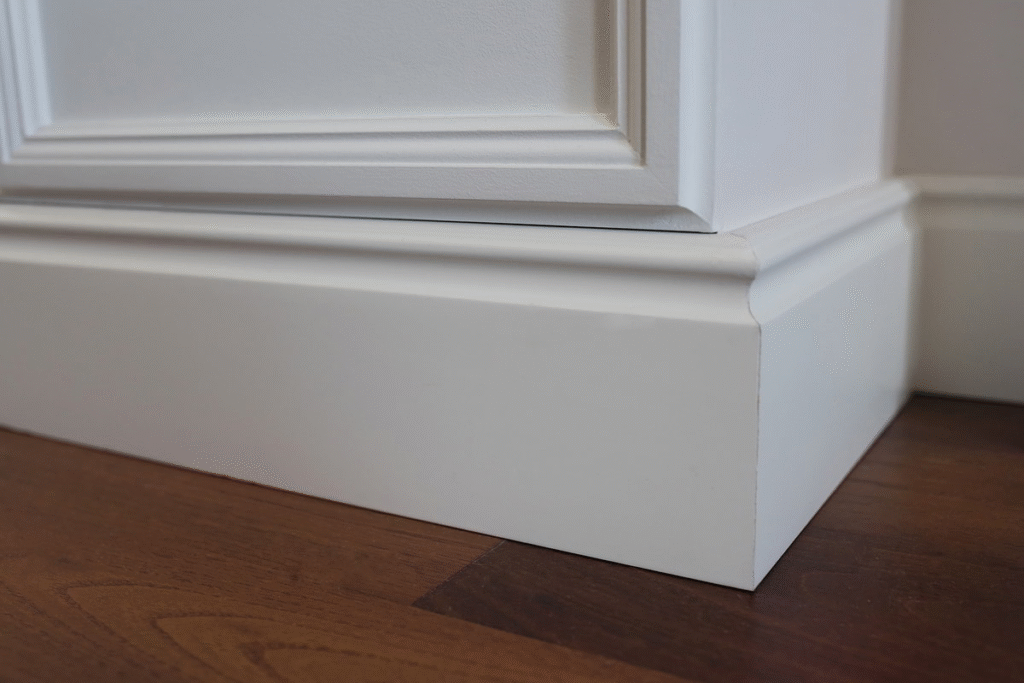
MDF primed moulding is manufactured from medium density fiberboard and factory-coated with a white primer, making it ready for finish paint after installation.
Typical applications in residential construction include:
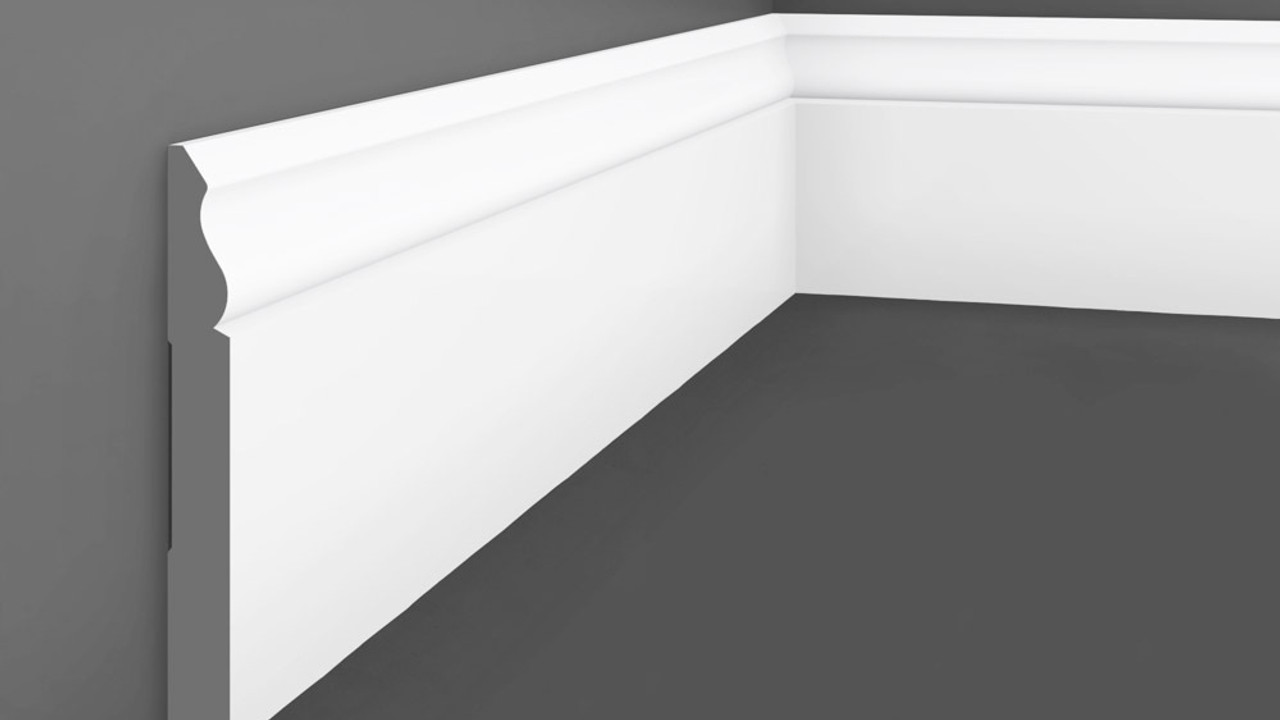
- Baseboards
- Door and window casing
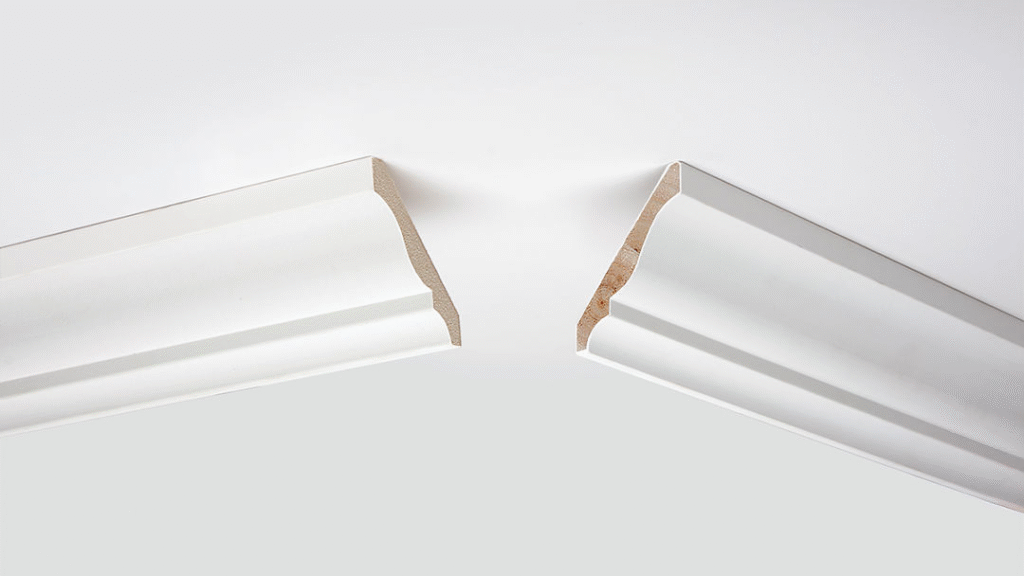
- Crown moulding
- Chair rails
- Feature wall trim
Unlike solid wood trim, MDF moulding is engineered for consistency. Every length is uniform in density and profile, which reduces on-site variability—an important advantage for builders working across multiple units or developments.
Why Builders Choose MDF Primed Moulding
1. Predictable and Lower Material Costs
Cost certainty matters in construction. MDF primed moulding is typically 20–50% more cost-effective than solid wood moulding, depending on profile and market conditions.
For builders managing fixed budgets or competitive bids, MDF offers:
- Stable pricing
- Less waste due to defects
- No premium paid for wood grain that will be painted over
When trim is specified as painted, MDF delivers the required finish without unnecessary material expense.
2. Faster Installation and Finishing
Labor efficiency is one of the strongest arguments for MDF primed moulding.
From a builder’s perspective, MDF reduces:
- Pre-paint preparation
- On-site sanding and sealing
- Rework caused by inconsistent wood grain
Because MDF moulding arrives pre-primed, painters can move directly to finish coats. Installers also benefit from straight, uniform pieces that cut and join cleanly.
The result: shorter trim cycles and faster unit turnover.
3. Consistent Results Across Multiple Units
Builders working on townhomes, apartments, or subdivisions need consistency from unit to unit.
MDF primed moulding provides:
- Uniform profiles across large volumes
- Predictable joint alignment
- Minimal variation in surface texture
This consistency helps avoid visual discrepancies that can trigger punch-list items or buyer complaints.
MDF vs. Solid Wood: A Builder’s Comparison
| Factor | MDF Primed Moulding | Solid Wood Moulding |
|---|---|---|
| Material Cost | Lower | Higher |
| Profile Consistency | Excellent | Variable |
| Paint Finish | Smooth and uniform | Grain may telegraph |
| Movement Over Time | Minimal (interior use) | Expansion / contraction |
| Waste Rate | Low | Higher |
For builders specifying paint-grade trim, MDF often outperforms solid wood in both cost and long-term appearance.
MDF vs. PVC: When MDF Is the Better Choice
PVC moulding is often used in high-moisture environments, but for standard interior applications, MDF has advantages builders should not overlook:
- Sharper, more refined profiles
- Better paint adhesion
- Lower material cost
Unless moisture exposure is expected, MDF primed moulding delivers a cleaner look at a more competitive price point.
Where MDF Primed Moulding Works Best in Residential Construction
MDF primed moulding is ideal for:
- Single-family homes
- Multi-family developments
- Condos and apartments
- Interior hallways and stairwells
- Living spaces and bedrooms
It should be avoided in:
- Exterior applications
- Areas with direct water exposure
- Poorly ventilated bathrooms
Used in appropriate interior environments, MDF moulding performs reliably over the life of the building.
Reduced Callbacks and Warranty Risk
From a builder’s risk-management perspective, MDF offers an important advantage: dimensional stability.
Compared to solid wood, MDF is less prone to:
- Seasonal expansion and contraction
- Joint separation at miters
- Paint cracking along grain lines
This stability translates to fewer post-handover touch-ups and warranty claims—an often-overlooked cost factor in trim selection.
Design Flexibility Without Custom Millwork Costs
MDF machines exceptionally well, allowing manufacturers to produce:
- Clean, detailed profiles
- Custom designs at scale
- Long production runs with consistent quality
For builders aiming to create differentiation between product lines or communities, MDF makes it possible to achieve upgraded trim packages without the cost of custom wood millwork.
Sustainability and Material Efficiency
Many builders are increasingly conscious of material efficiency and environmental impact.
MDF primed moulding:
- Utilizes wood fibers efficiently
- Reduces dependence on slow-growth hardwoods
- Is available in low-formaldehyde and CARB-compliant options
This makes MDF compatible with green building standards and environmentally responsible sourcing requirements.
Best Practices for Builders Using MDF Primed Moulding
To ensure optimal performance on site:
- Seal cut ends with primer
- Use interior-grade paint systems
- Avoid installation in high-moisture zones
- Ensure proper fastening and adhesive support
Following these practices ensures long-term performance and minimizes post-installation issues.
Conclusion: A Practical Trim Solution for Builders
For builders, interior trim is a balance of cost, efficiency, and long-term performance.
MDF primed moulding delivers:
- Lower and more predictable material costs
- Faster installation and finishing
- Consistent appearance across multiple units
- Reduced callbacks and warranty risk
In painted interior applications, MDF primed moulding is not a compromise—it is a strategic material choice that supports profitability, schedule control, and client satisfaction.