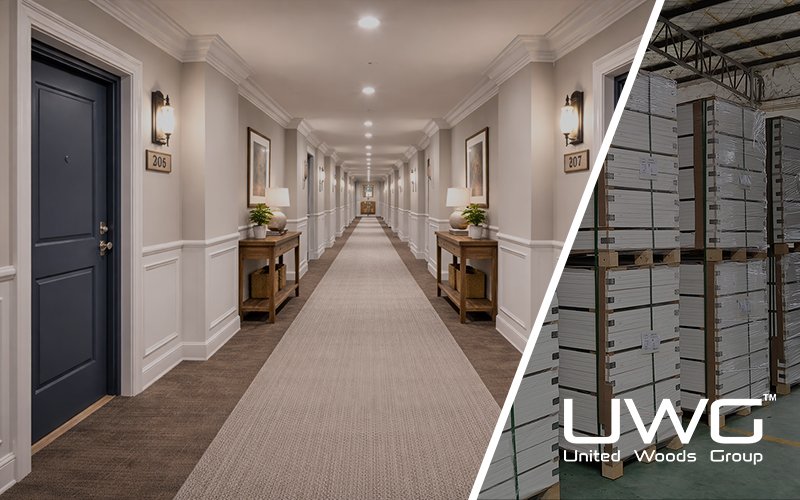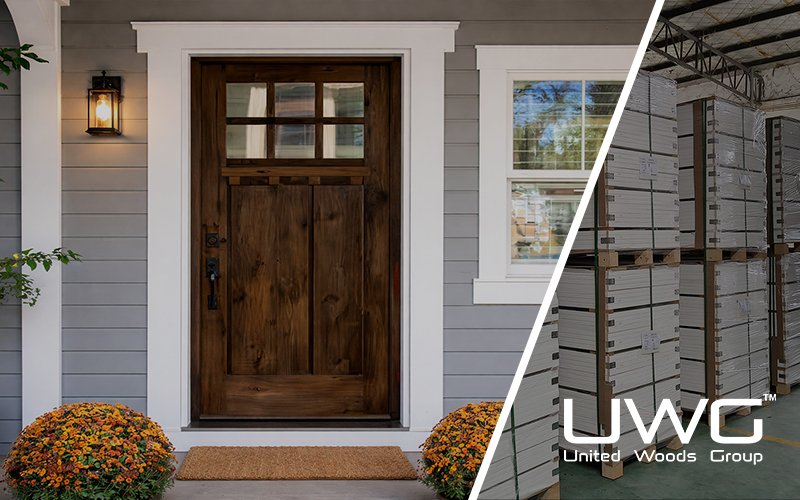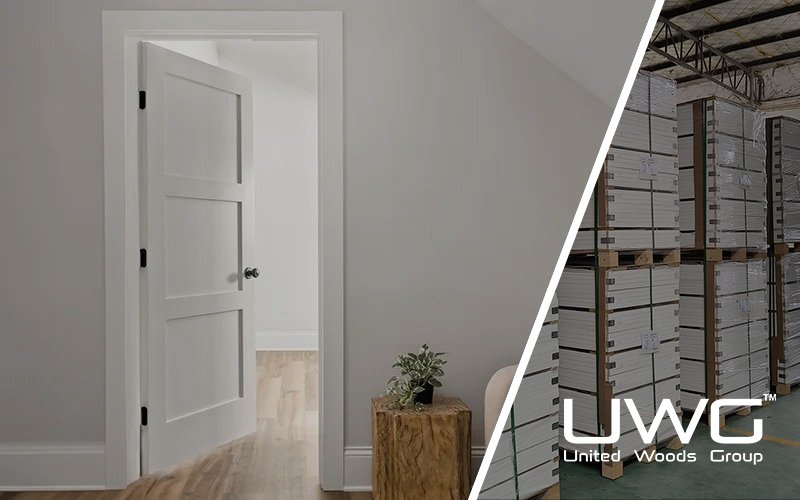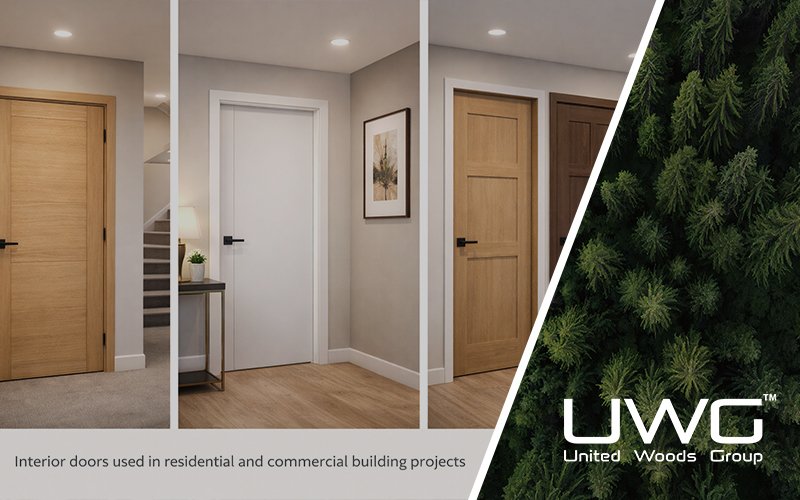
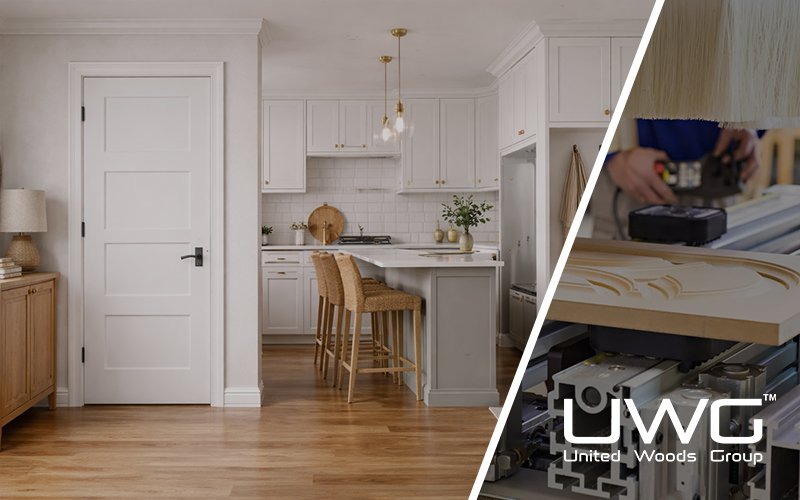
Material selection is becoming a key focus in home upgrades. In 2026, demand is rising for eco-friendly and structurally stable materials in cabinets and doors. Builders and designers need to keep up with these changes to stay competitive and deliver durable, stylish results.
In 2026, cabinet materials such as plywood, MDF, and solid wood continue to dominate the market due to their proven balance of strength, workability, and visual appeal. On the other hand, interior door materials are diversifying, with honeycomb paper, tubular chipboard, full chipboard, MDF, and solid wood gaining traction. These materials cater to different budget levels and functional needs—offering lightweight construction, acoustic insulation, and aesthetic flexibility. Together, these materials define the evolving preferences in modern residential and commercial interior construction.
Let’s break down what’s trending in cabinet and door materials, how they perform, and which ones are best for modern homes in 2026.
What Are the Key Material Trends in Cabinets and Doors in 2026?
Material trends in 2026 reflect a blend of functionality and sustainability. Builders are prioritizing lightweight, high-performance materials that reduce labor, cut costs, and meet environmental standards.
For both cabinets and doors, there’s a shift toward:
- Eco-friendly engineered materials with lower emissions
- Hybrid use of materials
- Texture and tactility, with fabric-like finishes and embedded patterns
Whether it’s kitchen cabinet trends 2026 or modern bedroom door designs, material innovation is now central to modern interiors.
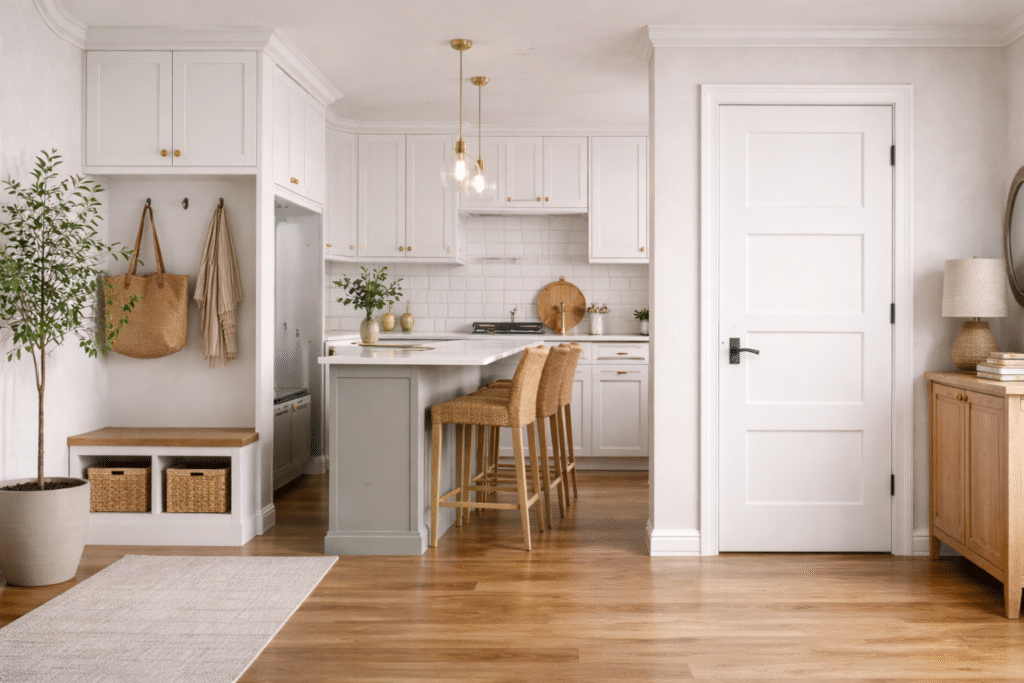
Which Materials Are Commonly Used in Both Cabinets and Doors?
There’s growing overlap between cabinet and door material choices. Builders increasingly prefer materials that simplify procurement and allow consistent finishes across spaces.
MDF (Medium-Density Fiberboard)
MDF remains a favorite for both cabinet doors and interior doors. It’s:
- Smooth and easy to finish (ideal for painting)
- Affordable yet sturdy
- Good for detailed routing or shaping
Solid Wood
Timeless and premium, solid wood is used for:
- High-end kitchen cabinets
- Feature doors in bedrooms and living rooms
However, it requires climate control and has a higher cost, making it ideal for selected zones rather than full-house applications.
Shared use of materials also means faster installations, easier sourcing, and unified design aesthetics—an attractive combination for builders handling multiple units or large projects.
Cabinet Materials: What’s Leading the 2026 Market?
Let’s take a deeper look at what’s trending in kitchen cabinet materials this year.
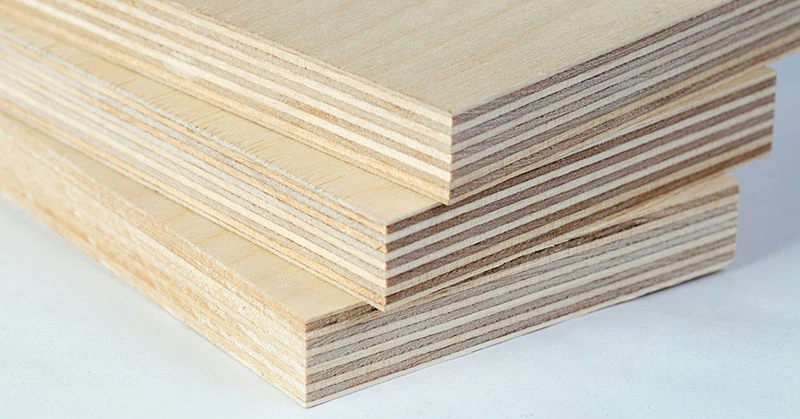
Plywood
A builder’s favorite, plywood balances strength, moisture resistance, and cost. It’s ideal for:
- Base cabinets in kitchens and bathrooms
- Areas prone to humidity
- Projects requiring solid screw-holding capacity
Plywood also contributes to sturdy modular cabinetry systems_.
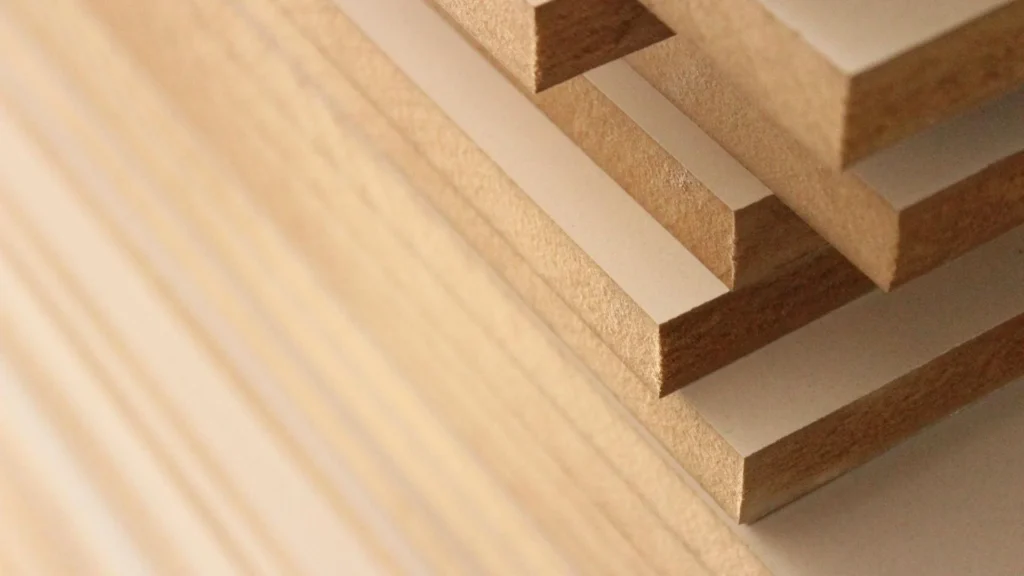
MDF
Still going strong in 2026. It’s valued for:
- Smooth finishes ideal for high-gloss or matte paints
- Resistance to warping under moderate humidity
- Affordability and design versatility
It’s a go-to for flat panel doors and shaker-style cabinets.
Solid Wood
Used in premium builds or heritage-style kitchens. Benefits include:
- Natural grain patterns
- Long-lasting structural integrity
- Luxurious appeal
Downsides? It’s costly, sensitive to humidity, and may expand or contract if not sealed well.
So, when comparing kitchen cabinet color trends 2026 or 2026 kitchen trends pictures, remember: the finish often depends on the material beneath it.
Door Materials: What’s Changing in Interior Door Construction?
Interior and closet doors are evolving just as fast, with new materials offering better performance and aesthetics at competitive prices.
Honeycomb Paper
Lightweight and budget-friendly, honeycomb paper core doors are ideal for:
- Bedroom or closet doors
- Apartment projects requiring low-cost, mass solutions
They’re easy to install but offer less sound insulation or durability.
Tubular Chipboard
A middle-ground option:
- More stable than paper core
- Better acoustic performance
- Lightweight but stronger structure
It’s often used in mid-range homes or offices.
Full Chipboard
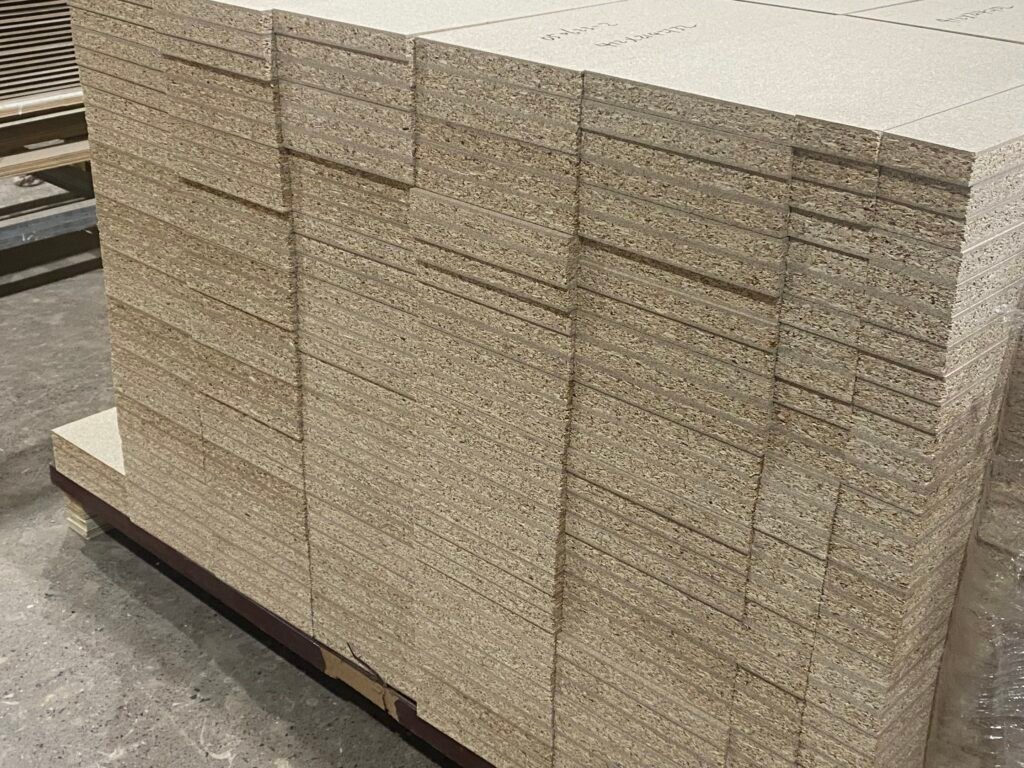
Denser and heavier, full chipboard doors:
- Feel more solid
- Offer great sound insulation
- Are more durable over time
These are often found in high-traffic areas or where door quality reflects overall property value.
MDF & Solid Wood
Used in premium doors for high-end homes. They’re:
- Easy to finish with veneers or laminates
- Structurally sound
- Flexible in design
Looking at 2026 cabinet and door material trends pictures, you’ll often spot textured veneers over MDF or engineered cores—combining look with practicality.
What Materials Are Best for Small Homes or Compact Layouts?
In compact homes, like those shown in small kitchen trends 2026, smart material selection makes a big difference.
Ideal Material Qualities:
- Lightweight (easier to install and reduce stress on hinges)
- Slim profiles (maximize usable space)
- Reflective or bright finishes (visually expand the room)
Recommended Materials:
- Plywood with light wood veneer for cabinets
- Honeycomb or tubular doors to reduce wall load
- MDF with glossy laminate for a sleek modern look
Bonus tip: Avoid heavy solid wood in very tight spaces unless acoustics or aesthetics demand it.
Pro Tips: How to Choose the Right Material by Room Function
Each space has different requirements. Here’s a quick guide:
Kitchens
- Use plywood or MDF for water resistance and strength
- Avoid solid wood near sinks or stoves
Bathrooms
- Look for moisture-resistant MDF or treated chipboard
- Use PVC edging or water-resistant laminates
Living Rooms / Bedrooms
- MDF and tubular chipboard for cost-effective elegance
- Add veneer or laminate for surface protection
Closets
- Honeycomb paper or MDF to keep things lightweight
- Use mirrored or glossy finishes to brighten space
Make sure to also consider:
- Hinge compatibility
- Cutting and routing tolerance
- Finish absorption (especially for paints and laminates)
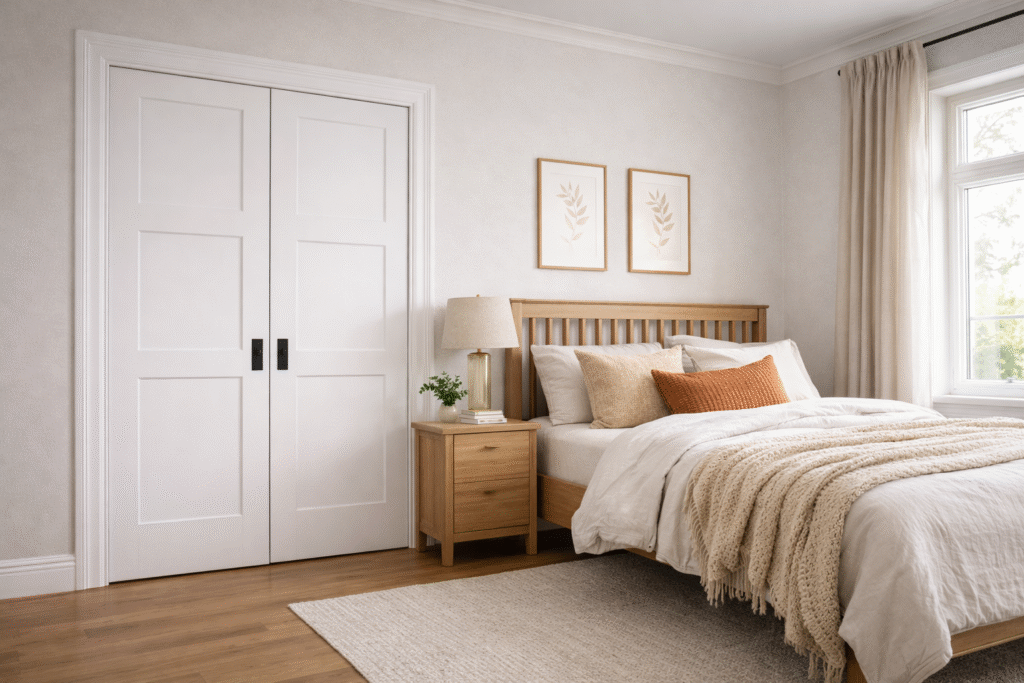
Choosing the right material isn’t just aesthetic—it affects durability, install time, and long-term satisfaction.
Summary
In 2026, cabinet and door materials are evolving to meet the demands of design, sustainability, and practicality. From solid wood elegance to engineered efficiency, selecting the right material has never been more important. Got a favorite material or a pro tip? Share your thoughts in the comments below!
Articles that you may be interested in:
Matte vs Gloss Cabinets: Which Finish Is Winning 2025 Trends?
Shaker Style Home: Complete Guide to Matching Cabinets, Doors, and Trim