China remains one of the world’s most important manufacturing hubs, offering competitive pricing, mature supply chains, and massive production capacity. For overseas buyers, builders, wholesalers, importers, and emerging brands, sourcing from China can unlock strong margins and scalable growth.
However, success doesn’t come from low prices alone, it depends on one critical factor: finding trusted suppliers. While China offers enormous opportunities, buyers often face challenges such as inconsistent quality, limited transparency, and difficulty verifying manufacturing capabilities.
This guide focuses on how to navigate those challenges. By understanding how to identify reliable suppliers, verify factory operations, and build long-term partnerships, buyers can reduce risk and turn China sourcing into a stable, strategic advantage rather than a potential liability.
Understand the Types of Suppliers in China
Before sourcing from China, it’s essential to understand that not all suppliers operate in the same way. Knowing who you’re dealing with and how they fit into the supply chain can help you make smarter decisions and avoid unnecessary risks.
Factories (Manufacturers)
Factories are companies that produce goods in their own facilities. They typically offer the most competitive pricing, better control over quality, and stronger customization capabilities.
- Best for: Long-term partnerships, bulk orders, private-label or customized products
- Advantages: Lower unit costs, direct communication with production teams, clearer accountability
- Things to verify: Factory location, production capacity, certifications, and export experience
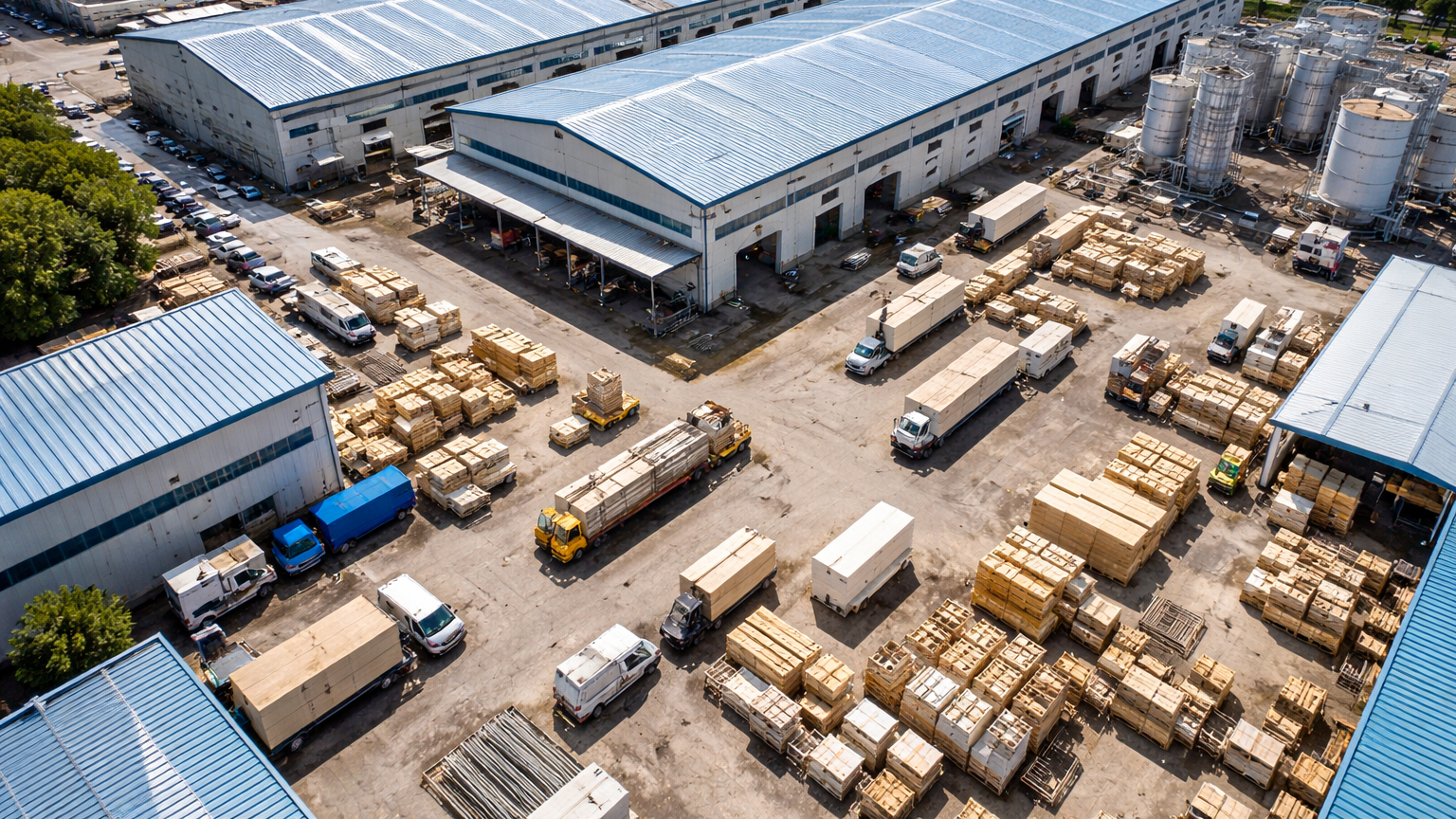
Working directly with factories is often the most cost-effective option for builders and wholesalers, especially for products like building materials, doors, flooring, and mouldings.
Trading Companies
Trading companies act as intermediaries between buyers and factories. They usually don’t own production facilities but source products from multiple manufacturers.
- Best for: Buyers who need product variety or smaller order quantities
- Advantages: Easier communication, consolidated sourcing, flexible MOQs
- Risks: Higher prices due to markups, limited transparency on the actual factory
Sourcing Agents or Sourcing Companies
Sourcing agents represent the buyer rather than the factory. They assist with supplier selection, negotiation, inspections, and logistics.
- Best for: First-time buyers or those unfamiliar with China sourcing
- Advantages: Local expertise, language support, risk reduction
- Costs: Commission-based fees or service charges
Some trading companies operate professionally, but it’s important to confirm whether they truly control quality and production—or simply pass orders along.
Agents can be valuable, but buyers should clearly define responsibilities and ensure the agent works in their best interest.

Where to Find Reliable China Suppliers
Reliable suppliers can be found through several established channels, but knowing how to evaluate them matters more than where you look.
- B2B Platforms: Websites like Alibaba or Made-in-China are common starting points. Focus on supplier history, verified credentials, and product consistency—not just price.
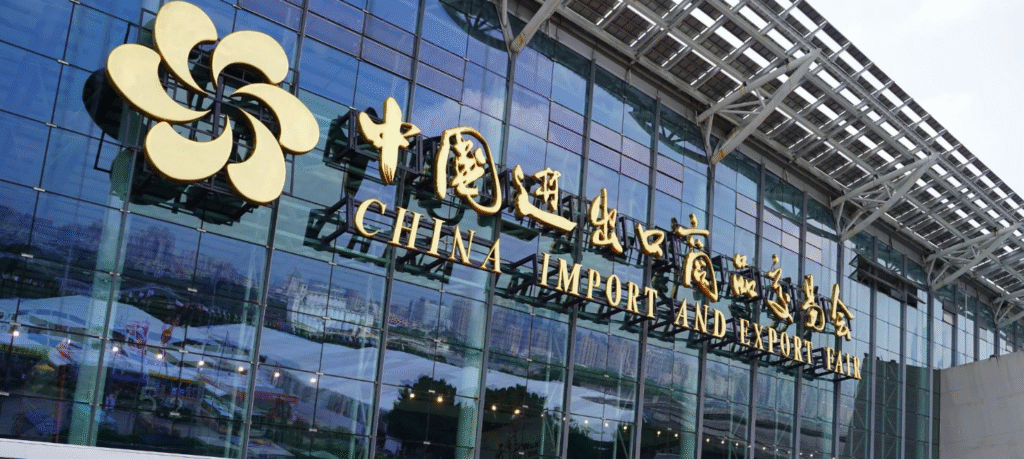
- Trade Fairs: Events such as the Canton Fair allow direct communication, sample inspection, and faster trust assessment.
- Factory Websites: Legitimate manufacturers often showcase production facilities, certifications, and clear product lines on their own sites.
- Referrals: Recommendations from industry partners or existing networks are often the most reliable sourcing path.
- Sourcing Agents: Useful for first-time buyers who need local support, though service fees apply.
How to Verify a Trusted Supplier
Verification is often the difference between a smooth partnership and costly mistakes—never skip this step when sourcing from China.
- Company Background Check Request the supplier’s business license, registered company name, and factory address. Cross-check details across invoices, email domains, and official records to ensure consistency.
- Factory Audits Ask for recent factory photos, production videos, or third-party audit reports. Legitimate suppliers are usually willing to show their facilities and explain their production process.
- Sample Evaluation Always order samples before bulk production. Assess product quality, material consistency, workmanship, packaging, and labeling accuracy to ensure they meet your specifications.
- Communication Quality Pay attention to how clearly and promptly the supplier responds. Professional communication, detailed answers, and proactive updates are strong indicators of reliability.
- Payment Terms Standard terms such as 30% deposit and 70% balance before shipment are common. Be cautious of suppliers demanding full payment upfront or refusing basic contract terms.
Red Flags to Watch Out For
Even experienced buyers can encounter unreliable suppliers. Watch for these warning signs before moving forward:
- Prices That Are Too Low: Quotes significantly below market average often signal compromised quality, hidden costs, or bait-and-switch tactics.
- Lack of Transparency: Suppliers who avoid sharing factory details, certifications, or production information should be approached with caution.
- Inconsistent Information: Mismatched company names, addresses, or product details across documents and communication are common red flags.
- Poor or Evasive Communication: Slow responses, vague answers, or constant changes in contact personnel may indicate internal issues or lack of accountability.
- Pressure for Immediate Payment: Suppliers pushing for full payment upfront or refusing standard contracts increase financial risk.
Building Long-Term Partnerships (Not Just One-Time Deals)
Successful sourcing is not about one-off orders, it’s about relationships.
- Start Small, Then Scale: Begin with trial orders to test quality and reliability before committing to larger volumes.
- Be Clear and Professional: Provide detailed specifications, packaging requirements, and timelines. Clear expectations reduce errors.
- Respect Cultural Differences: Patience and mutual respect go a long way in Chinese business culture.
- Reward Good Performance: Consistent orders, prompt payments, and constructive feedback encourage suppliers to prioritize your business.
Why Working Directly with a Factory Matters
For builders, wholesalers, importers, and emerging brands, working directly with factories offers major advantages:
- Lower Costs – No middleman markup
- Customization – Private label, custom packaging, and product development
- Better Quality Control – Direct oversight of production
- Scalability – Easier to increase volume as your business grows
- Stronger Communication – Faster problem-solving and adjustments
Direct factory partnerships are especially valuable for brands planning long-term growth and market differentiation.
Summary
Sourcing from China offers real advantages, but only when you work with the right partners. By understanding supplier types, knowing where to look, verifying credentials carefully, and recognizing red flags early, buyers can significantly reduce risk and build stable, long-term supply relationships.
Reliable China sourcing isn’t about chasing the lowest price. It’s about transparency, consistency, and collaboration. When suppliers are properly vetted, China becomes not just a sourcing destination, but a strategic advantage for growth.
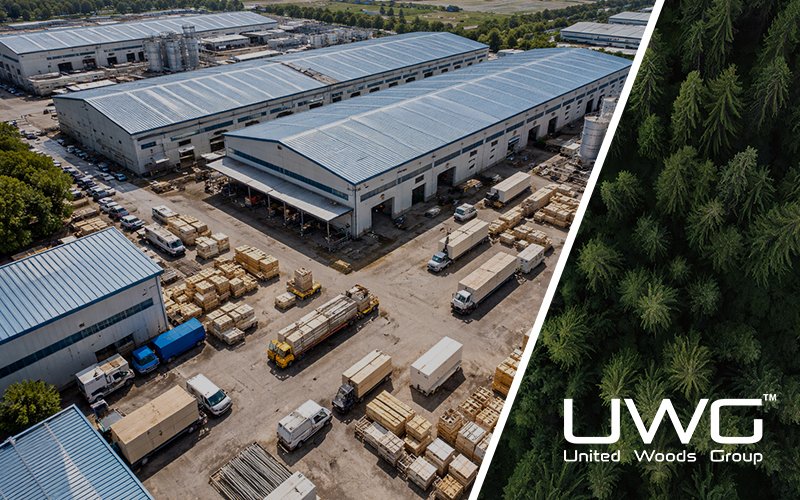
As a direct factory and building materials manufacturer, we specialize in supplying doors, mouldings, flooring, and related building products with clear specifications, stable quality, and export-ready experience. We also offer integrated sourcing support, helping builders and distributors consolidate multiple product categories into one streamlined supply solution.
💬 Looking for a trusted China manufacturing partner? Contact UWG to discuss your sourcing needs, we’re ready to support your projects with reliability, clarity, and long-term value.
Articles that you may be interested in:
Why Do Some Customers Return to Us After Switching Suppliers? Here’s the Reason!
Where Can I Find Factory-Made Kitchen Cabinets? Here’s Why Builders Choose UWG
Why Builders Should Prioritize Factory-Direct Sourcing for Better Pricing