Why does this door always close by itself—and why do some projects require it?
Builders often notice spring hinges only after installation, when a door reliably swings back to the closed position without any assistance. At that point, the question usually isn’t what the hinge is doing—but why it was specified in the first place, and whether it was really necessary.
Is it about convenience? Safety? Code compliance?
The truth is, spring hinges are not a “nice-to-have” hardware option. In many projects, they are a functional requirement that directly affects door performance, building safety, and long-term durability.
Understanding how spring hinges work—and why they are used—helps builders make better hardware decisions, avoid site issues, and meet both design intent and regulatory requirements.
What Is a Spring Hinge?
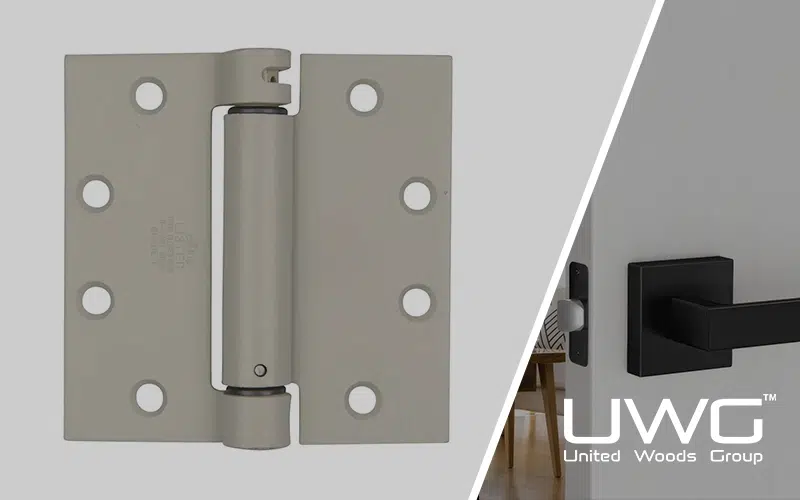
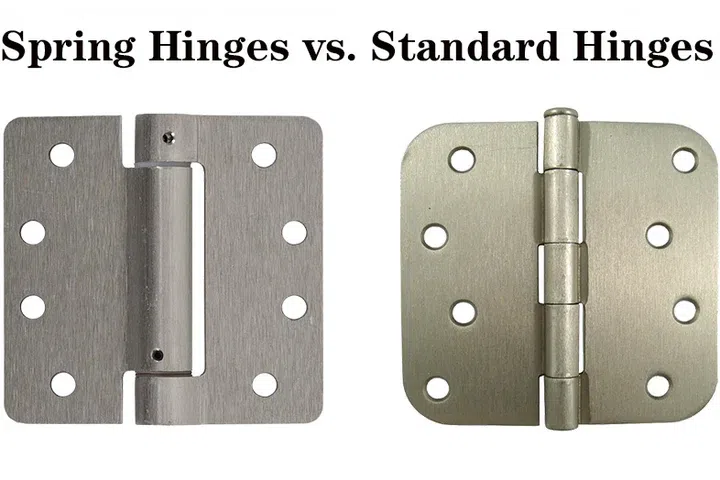
A spring hinge is a type of door hinge that contains an internal spring mechanism designed to automatically return the door to a closed position after it is opened.
Unlike standard butt hinges, which allow free movement, spring hinges actively control door motion.
They are commonly used on:
- Self-closing doors
- Fire-rated doors
- Utility and service doors
- Doors requiring controlled access or separation
Spring hinges can be installed on interior or exterior doors, depending on the application and hinge rating.
How Spring Hinges Work
At the core of a spring hinge is a tensioned spring, usually housed inside the hinge barrel.
Here’s how the mechanism works in practice:
- When the door opens, the spring inside the hinge is wound tighter.
- The stored energy in the spring creates resistance during opening.
- Once the door is released, the spring unwinds.
- This action pulls the door back toward the closed position.
Most spring hinges are adjustable, allowing installers to increase or decrease closing force based on:
- Door weight
- Door size
- Usage frequency
- Code requirements
This adjustability is critical—too much tension can cause slamming, while too little tension defeats the purpose of the hinge.
Single Spring vs. Double Spring Hinges
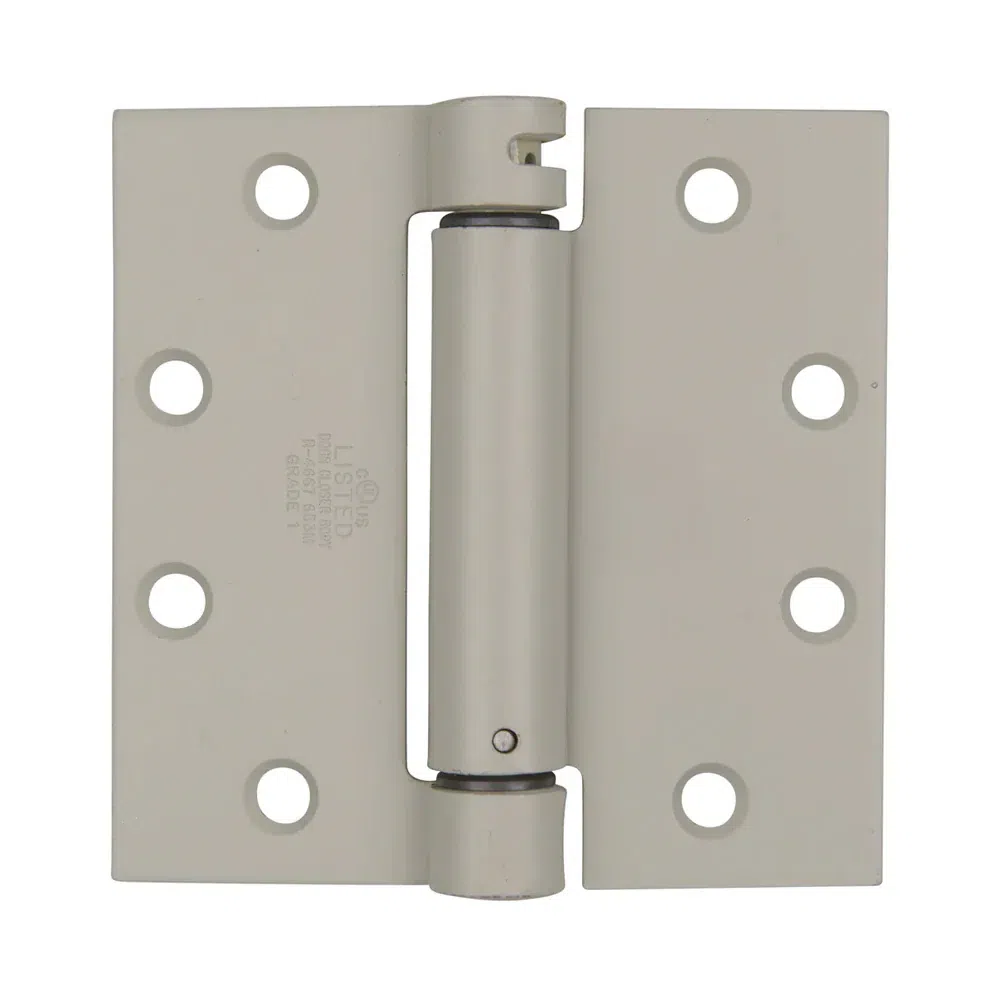
Single Spring Hinges
- Contain one internal spring
- Suitable for lighter doors
- Common in residential or light commercial use
Double Spring Hinges
- Contain two internal springs
- Provide stronger and more consistent closing force
- Often required for heavier doors or code-regulated applications
For builders, selecting between single and double spring hinges should be based on door weight, door size, and required closing performance, not just cost.
Why Spring Hinges Are Used in Building Projects
1. Self-Closing Requirements
Many building codes require certain doors to be self-closing, especially where:
- Fire separation is needed
- Safety zones must remain enclosed
- Climate or pressure control is important
Spring hinges provide a mechanical self-closing solution without the need for surface-mounted closers.
2. Fire-Rated Door Applications
In fire-rated assemblies, doors must reliably return to the closed position to:
- Contain smoke
- Slow fire spread
- Maintain compartmentalization
Spring hinges are often specified as part of fire-rated door systems, provided they are tested and certified for that use.
For builders, it’s essential to ensure that:
- The spring hinge rating matches the fire door rating
- The number of hinges meets the certification requirements
3. Reduced Hardware Complexity
In some designs, architects prefer to avoid:
- Overhead closers
- Floor closers
- Visible control hardware
Spring hinges offer a cleaner visual solution while still meeting functional needs, particularly in residential or hospitality projects.
4. Durability in High-Traffic Areas
Spring hinges are commonly used in:
- Utility rooms
- Back-of-house doors
- Service corridors
These doors experience frequent use, and spring hinges help ensure doors are not left open unintentionally, reducing wear on frames, seals, and adjacent finishes.
Common Builder Mistakes with Spring Hinges
1. Incorrect hinge quantity
Using too few spring hinges often results in:
- Weak closing force
- Uneven door movement
- Premature hinge wear
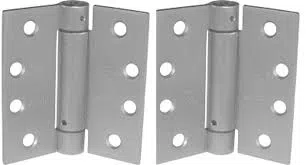
Many applications require two or three spring hinges per door, depending on door height and weight.
2. Improper tension adjustment
Spring hinges are not “set and forget.”
Improper adjustment can cause:
- Door slamming
- Noise complaints
- Frame damage over time
Final tension adjustment should always be done after installation, with finished flooring and seals in place.
3. Ignoring door weight and material
Solid wood doors, fire-rated doors, and oversized doors require stronger hinge systems. Using under-rated spring hinges may lead to failure or non-compliance.
Spring Hinges vs. Door Closers
Builders often ask whether spring hinges can replace door closers entirely.
The answer depends on the project requirements:
| Feature | Spring Hinges | Door Closers |
|---|---|---|
| Visibility | Low | High |
| Closing control | Moderate | Precise |
| Cost | Lower | Higher |
| Maintenance | Low | Moderate |
| Code compliance | Application-dependent | Broad |
Spring hinges are ideal where basic self-closing is required, but door closers are better when controlled closing speed and latching force are critical.
When Builders Should Specify Spring Hinges
Spring hinges are a strong choice when:
- Self-closing is required but aesthetics matter
- Door traffic is moderate to high
- A simpler hardware solution is preferred
- The door system is properly engineered for spring use
They should be specified early—not substituted late—to avoid coordination issues with doors, frames, and fire ratings.
Final Thoughts: Function First, Hardware Second
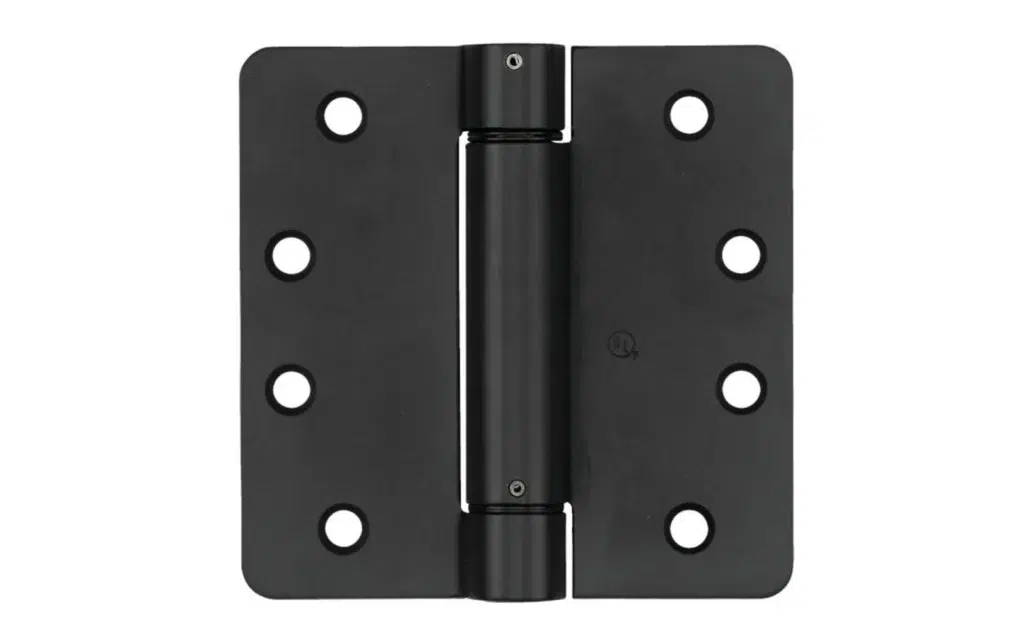
Spring hinges are often treated as a small hardware detail, but their impact on door performance is significant.
For builders, understanding how spring hinges work—and why they are used—means:
- Fewer site issues
- Better compliance with design and code intent
- Longer-lasting door systems
When spring hinges are properly selected, rated, and adjusted, they quietly do their job—exactly as intended.
And in construction, that’s usually the sign of a system done right.
Articles that you may be interested in:
What Are the Best Hinges for Heavy Doors? [Contractor’s Buying Guide]
Flush Hinges Explained: Types, Uses, and Installation Tips
The Complete Guide to Door Hardware Selection: Hinges, Handles, and Locks