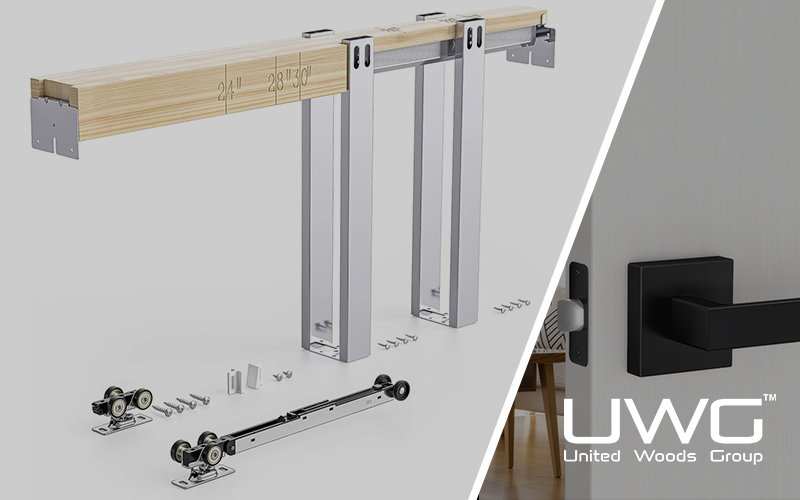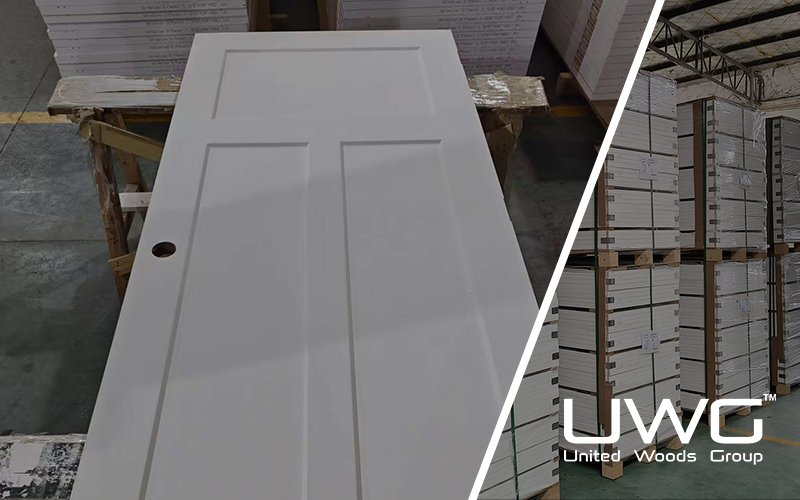
In the door manufacturing and construction industry, the term “knock down door” is commonly used in specifications, quotations, and project discussions. However, for many buyers, homeowners, and even some contractors, the meaning of a knock down door is not always clearly understood. Knowing what a knock down door is, how it differs from other door systems, and when it should be specified is essential for accurate ordering, cost control, and smooth installation on site.
A knock down door, often referred to as a KD door, is a door system supplied in unassembled components, including the door slab and frame parts, which are assembled on site during installation. Unlike prehung doors that arrive fully assembled, knock down doors reduce shipping volume, lower transportation costs, and offer greater flexibility for fitting different wall thicknesses and opening conditions. They are widely used in residential, commercial, and large-scale construction projects where efficiency, customization, and logistics control are priorities.
What Is a Knock Down Door?
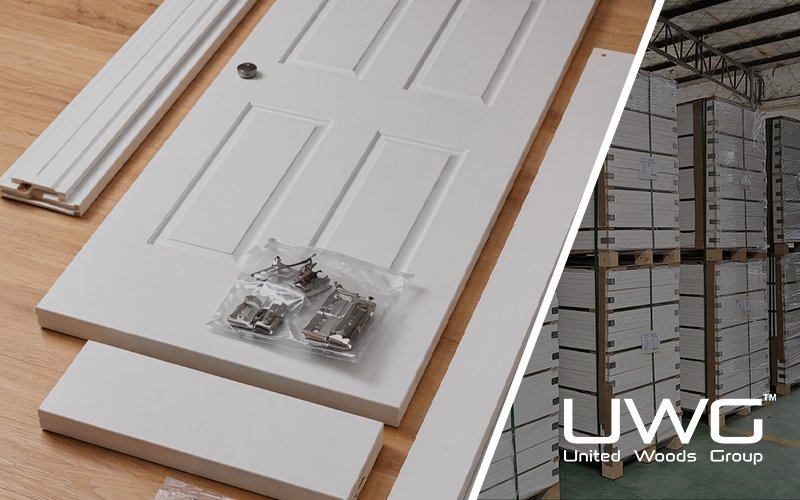
A knock down door is a door unit that is delivered in separate components rather than as a fully assembled door-and-frame system. Instead of arriving ready to install, the door slab, jambs, and sometimes casing or trim are packaged individually and assembled at the job site.
The name “knock down” comes from manufacturing and logistics terminology, where large products are broken down into smaller parts for easier transport and storage. In the case of doors, this approach allows manufacturers to ship flat or modular packages instead of bulky assembled frames.
What Components Are Included in a Knock Down Door?
While the exact configuration depends on the manufacturer, a typical knock down door package includes:
- Door slab (unfinished, primed, or factory finished)
- Side jambs and head jamb supplied as separate pieces
- Optional casing or trim
- Hinges and hardware, either loose or pre-prepared
- Pre-machined or blank lockset areas
Some suppliers offer semi-knock-down systems, where certain elements are partially assembled to reduce installation time while maintaining flexibility.

Knock Down Door vs Prehung Door
Understanding the difference between a knock down door and a prehung door is essential when choosing the right product.
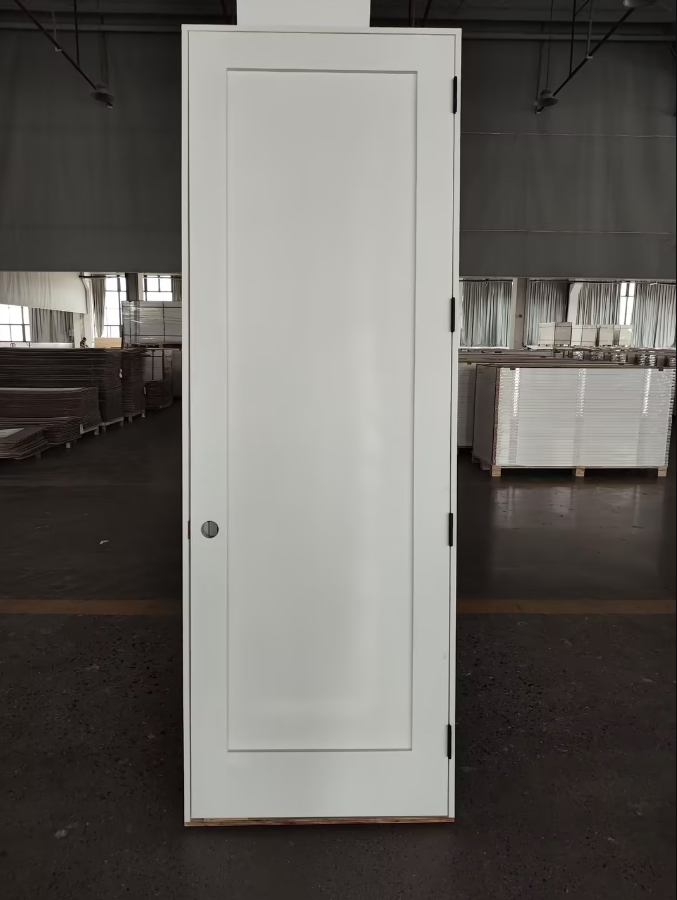
A prehung door arrives fully assembled, with the door slab already mounted in the frame. Installation mainly involves placing the unit into the rough opening, shimming, leveling, and fastening.
A knock down door, by contrast, must be assembled on site. The installer builds the frame, fits it to the wall thickness, and then hangs the door slab. This process takes more time but allows for adjustments that are not possible with prehung doors.
The key differences include assembly location, shipping efficiency, installation flexibility, and labor requirements.
Why Builders Choose Knock Down Doors
One of the main reasons builders specify knock down doors is flexibility. Construction sites often present challenges such as uneven walls, inconsistent opening sizes, or varying wall thicknesses. Knock down doors allow installers to adapt to these conditions more easily.
Another major advantage is logistics efficiency. Because knock down doors are packed flat or in compact bundles, they take up significantly less space during transportation and storage. This reduces shipping costs and minimizes the risk of damage, especially in large projects or international shipments.
Common Applications of Knock Down Doors
Knock down doors are widely used in both residential and commercial construction. Common applications include apartment buildings, hotels, office spaces, student housing, and mixed-use developments.
They are especially popular in projects that require a large number of doors with consistent design but need flexibility during installation. In export markets, knock down doors are often preferred because they reduce container space usage and freight costs.

Installation Considerations
Installing a knock down door requires careful measurement and professional skill. The installer must assemble the frame correctly, ensure it is plumb and square, and hang the door slab with proper clearances.
Because of these requirements, knock down doors are typically installed by experienced contractors rather than DIY users. Proper installation is critical to ensure smooth operation, correct alignment, and long-term durability.
Advantages of Knock Down Doors
Key advantages of knock down doors include reduced shipping volume, lower transportation costs, and greater adaptability to site conditions. They also allow for easier storage on crowded job sites and more efficient inventory management for large developments.
For builders and developers managing multi-unit projects, these benefits can result in significant cost and time savings.
Limitations to Consider
Despite their advantages, knock down doors are not suitable for every situation. Installation takes longer compared to prehung doors, and the quality of the final result depends heavily on installer skill and accuracy.
For small residential projects or DIY installations, prehung doors may be a more practical choice due to their simplicity and speed of installation.
Choosing the Right Door System
When deciding between a knock down door and a prehung door, factors such as project size, labor availability, budget, and logistics should be considered. Large-scale projects with experienced installers often benefit most from knock down door systems, while smaller projects may favor pre-assembled solutions.
Conclusion
A knock down door is an unassembled door system designed for on-site assembly, offering flexibility, efficient transportation, and adaptability to real-world construction conditions. While it requires more installation effort than a prehung door, it provides clear advantages in large-scale, commercial, and export-driven projects. Understanding what a knock down door means allows builders and buyers to make informed decisions that improve installation quality, control costs, and ensure long-term success.
Articles that you may be interested in:
Shaker Door Panel Thickness Guide: Standard Sizes and Custom Options
How to Choose the Perfect Bedroom Doors: Complete Buying Guide 2025