When working on a remodel or new build, choosing the right type of door can affect everything — from your budget to your installation schedule. One of the most flexible and cost-effective options is the slab door, a favorite among experienced builders who prefer more control over framing and finish work. But is it the right choice for your job? In this guide, I’ll walk you through everything you need to know — what a slab door is, how it compares to pre-hung options, how much it costs, how to install one, and when it makes the most sense to use it.
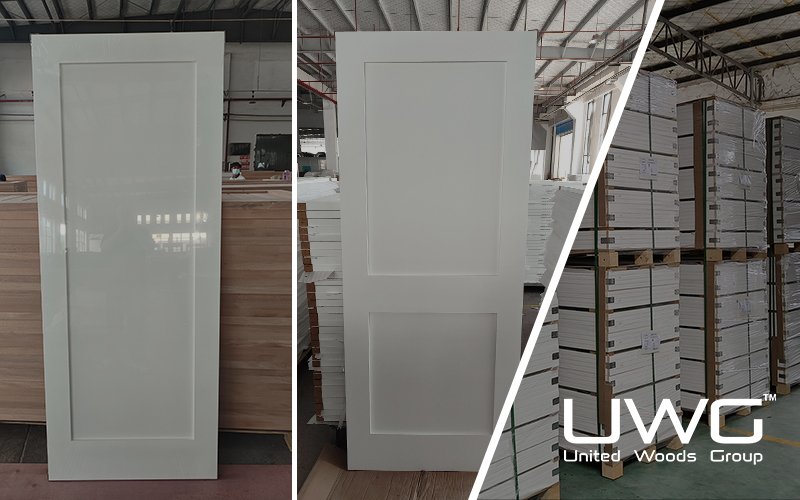
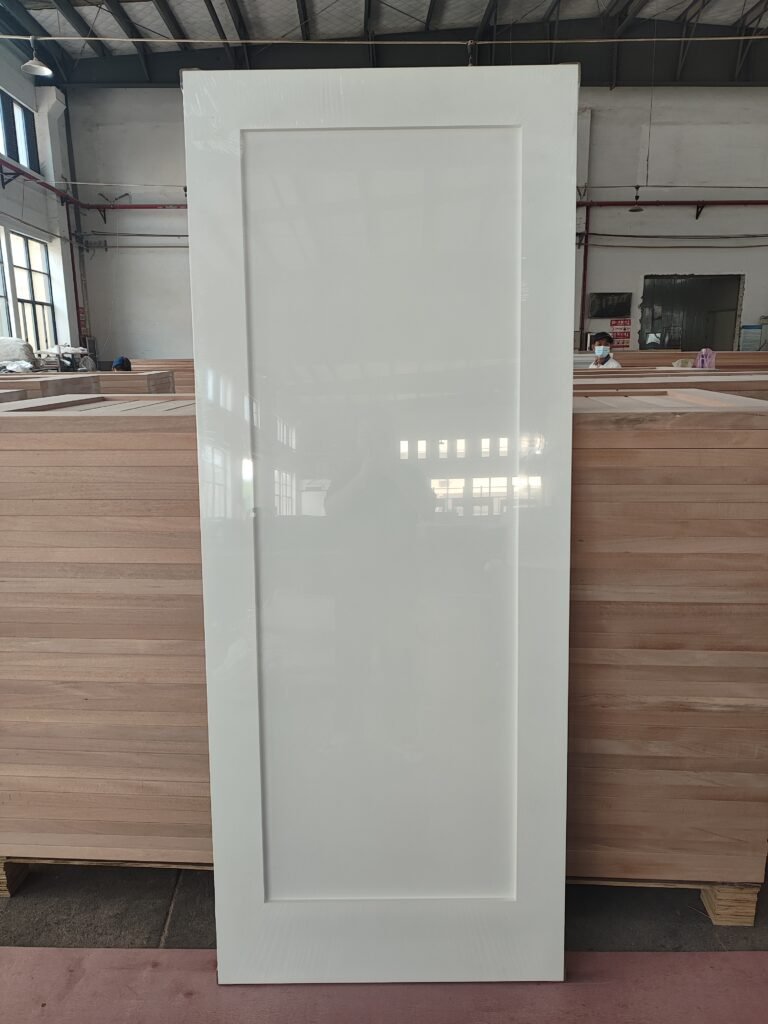
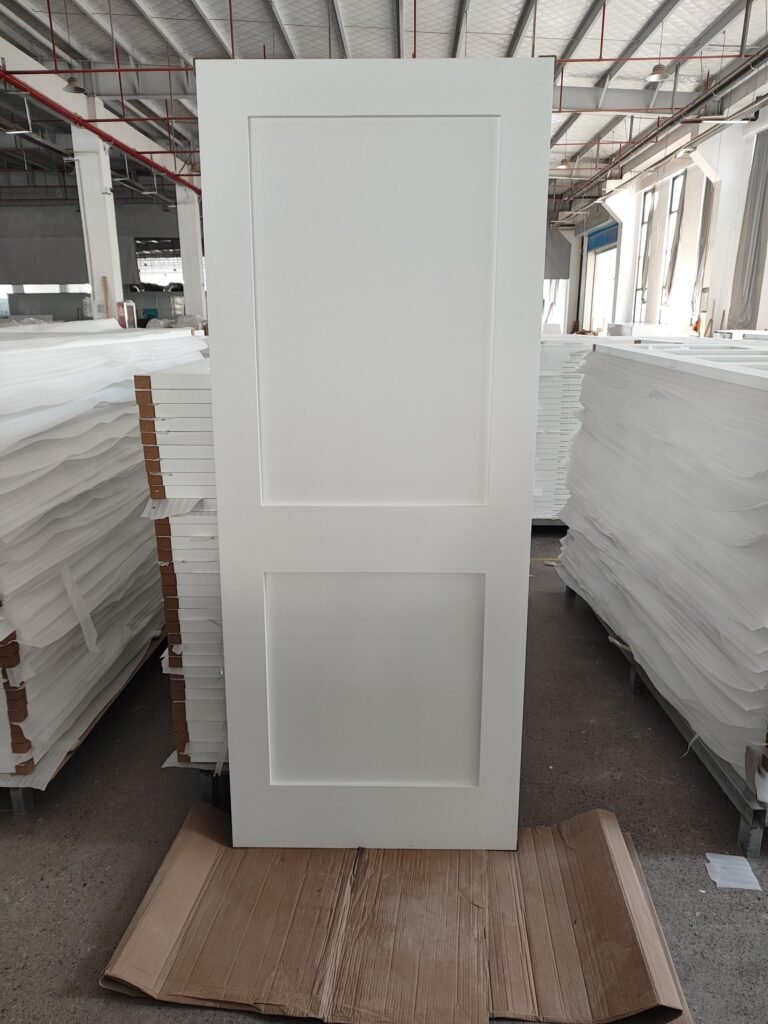
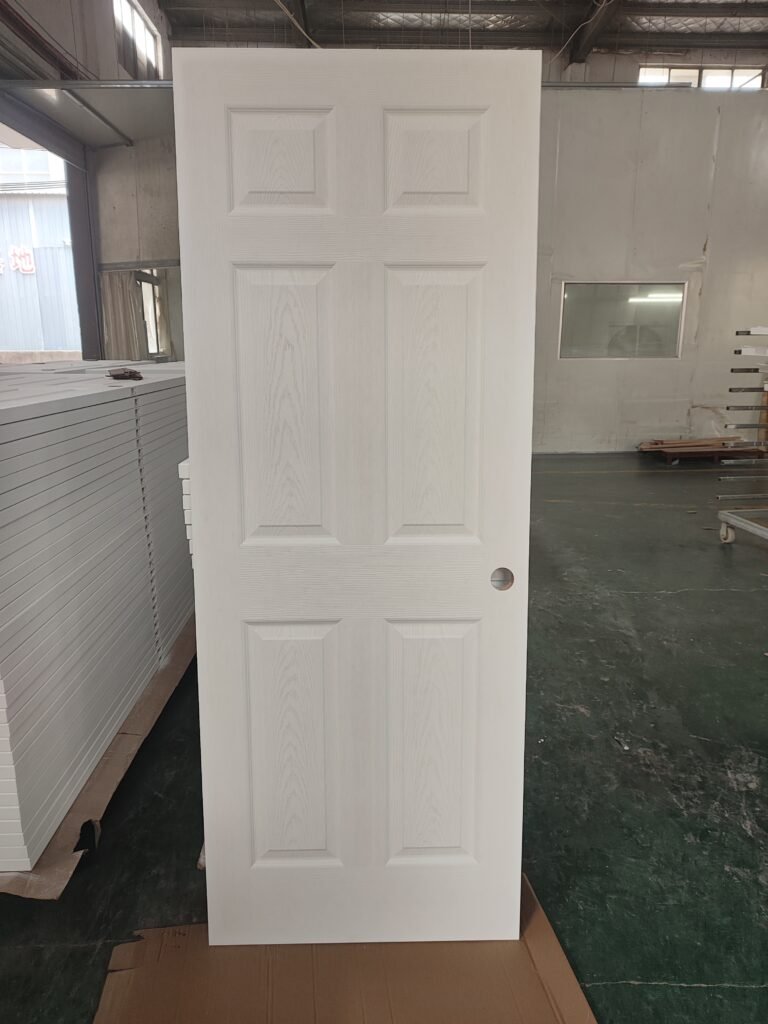
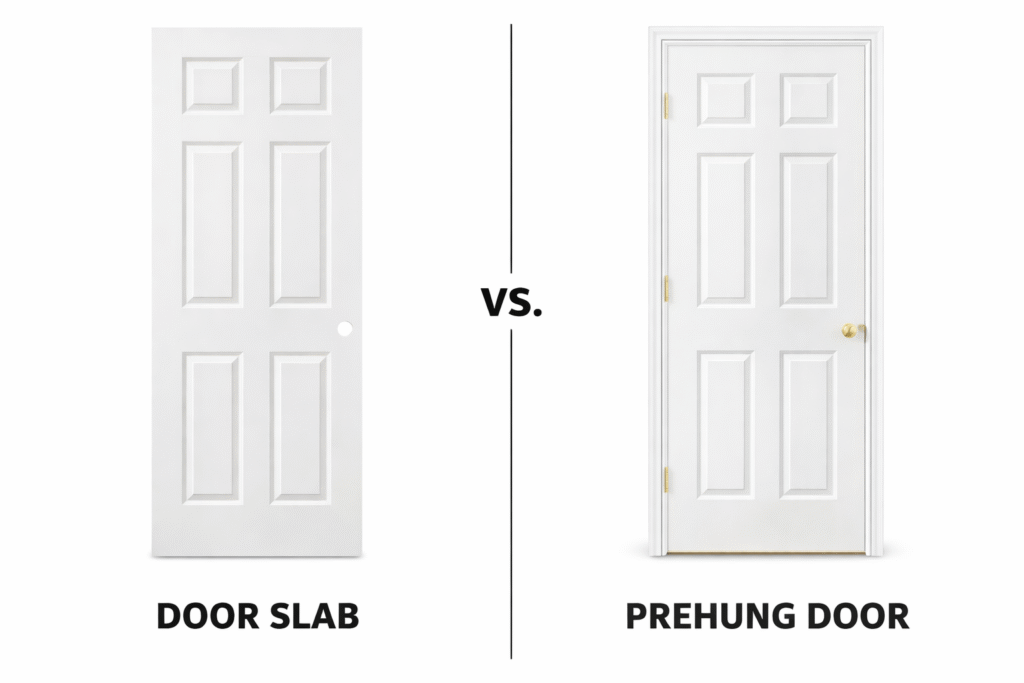
A slab door is a flat, standalone door panel that comes without a frame, hinges, or pre-cut holes for hardware. It’s essentially just the door — no extras included. Unlike a pre-hung door, which comes ready to install with its frame attached, a slab door offers greater flexibility for custom installations or retrofits. This makes it a popular choice for renovation projects or non-standard openings. While slab doors cost less upfront, they require precise measurements and carpentry skill to fit and finish properly.
Here’s your complete builder’s breakdown of slab doors — no fluff, just the information that helps you get the job done right.
What Is a Slab Door?
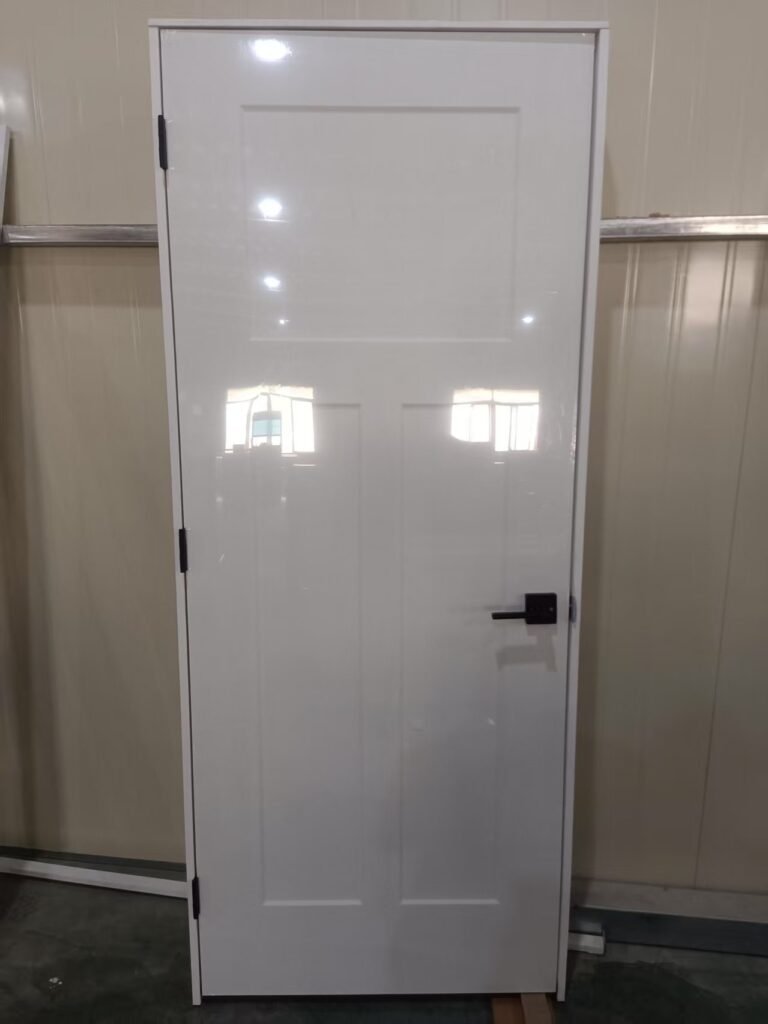
A slab door is exactly what it sounds like — a slab. It’s a flat, rectangular panel with no frame, hinges, or hardware. Slab doors can be made of various materials and used for both interior and exterior applications. They’re ideal when you’re retrofitting an existing space or want total design control.
Common Materials:
- Hollow Core: Lightweight and affordable, best for interior use.
- Solid Wood: Durable and heavy; excellent for high-end interior or exterior use.
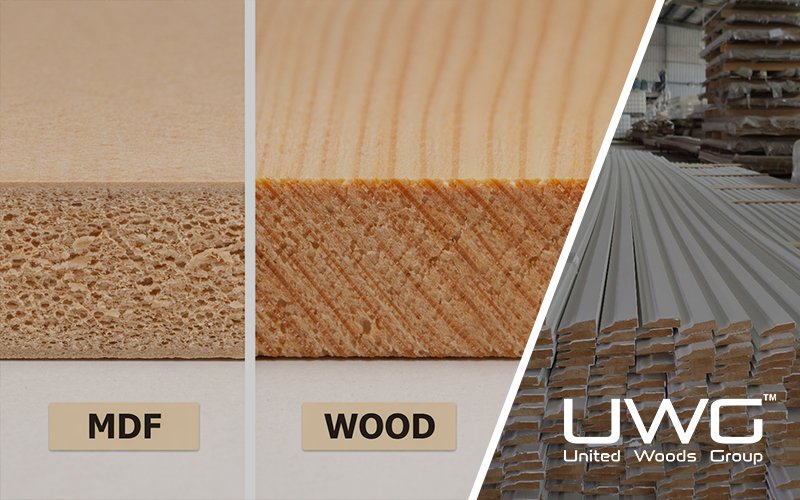
- MDF (Medium-Density Fiberboard): Good for painted finishes.
- Fiberglass or Steel: Often used for exterior doors due to durability and insulation.
Typical Uses:
- Interior room doors
- Closet doors
- Exterior entry doors (when using suitable materials)
- Custom-sized openings or unusual wall thicknesses
Slab doors offer total customization, but with that comes more responsibility in terms of prep, measurement, and installation.
Pros and Cons of Slab Doors
Before choosing a slab door, it’s important to weigh its advantages and disadvantages, especially from a builder’s perspective. While they provide excellent flexibility, they can also slow you down on site if you’re not prepared.
Advantages:
- Lower Material Cost: Typically 20% to 40% cheaper than pre-hung doors.
- Custom Fit: You can cut the door to match any existing frame.
- Wide Range of Styles: Available in flush, paneled, shaker, glass, or solid wood.
- Design Flexibility: Use your own hardware, trims, and finishing touches.
- Perfect for Renovations: Especially when keeping existing frames intact.
Disadvantages:
- Takes More Time to Install: You’ll need to measure, trim, mortise hinges, and drill all hardware holes manually.
- Requires Skill: Not ideal for DIYers or apprentices without guidance.
- No Built-In Frame: That means any misalignment in the existing frame is your problem.
- Extra Tools Needed: Chisels, routers, jigs, and careful measurements are a must.
If you’re managing a tight timeline or working with less experienced installers, these factors can be significant.
Are Slab Doors Difficult to Install?
In a word — yes, at least compared to pre-hung options. While slab doors offer flexibility, they demand greater precision, and small mistakes during the install can cause big problems down the line.
To install a slab door, you need to:
- Trim the door to the exact size of the opening (if needed)
- Mark and mortise hinge locations precisely on both the door and frame
- Drill holes for knobs, locks, and latches at the right height and backset
- Check for level, swing clearance, and frame squareness
Even a seasoned carpenter might spend 1–2 hours on a perfect install. For less experienced hands, it might take longer or require a second attempt.
Key Challenges:
- Dealing with warped or uneven frames
- Getting tight but smooth door swing clearances
- Matching hinge alignment perfectly with the frame
- Managing hollow-core doors that are easy to damage
That said, with the right tools and preparation, slab door installs become manageable — and in some cases, even faster than replacing entire frames.
Slab vs. Pre-Hung Doors: What’s the Difference for Builders?
Choosing between slab and pre-hung doors comes down to the jobsite conditions, skill level, and client needs. Here’s a comparison chart from a builder’s perspective:
| Feature | Slab Door | Pre-Hung Door |
|---|---|---|
| Comes with Frame | No | Yes |
| Includes Hinges/Hardware | No | Usually yes |
| Installation Skill Needed | High | Low to Moderate |
| Flexibility | Very high | Low |
| Time to Install | Longer | Shorter |
| Best For | Renovations, custom fits | New builds, fast installs |
| Material Cost | Lower | Higher |
| Labor Cost | Higher | Lower |
Use slab doors when retrofitting or customizing, and pre-hung doors when you need speed or guaranteed alignment.
How Much Does It Cost to Buy and Install a Slab Door?
Slab doors are typically cheaper than pre-hung doors when it comes to materials, but you may need to budget more for labor unless you’re doing the work yourself.
Material Costs:
- Hollow Core Interior Slab: $50 – $150
- Solid Core or MDF Interior Slab: $150 – $300
- Exterior Fiberglass or Steel Slab: $250 – $600+
- Custom Wood Slab Doors: $500 – $1,500+
Installation Costs:
- DIY Labor (Your Time): 2–3 hours
- Pro Labor Rates: $150 – $400 per door depending on complexity
- Total Installed Cost:
- Interior: $250 – $600
- Exterior: $400 – $1,000+
Keep in mind that if the door needs trimming, cutting hinge mortises, or special hardware, costs can rise quickly. And in high-cost labor areas, pro installs may go higher.
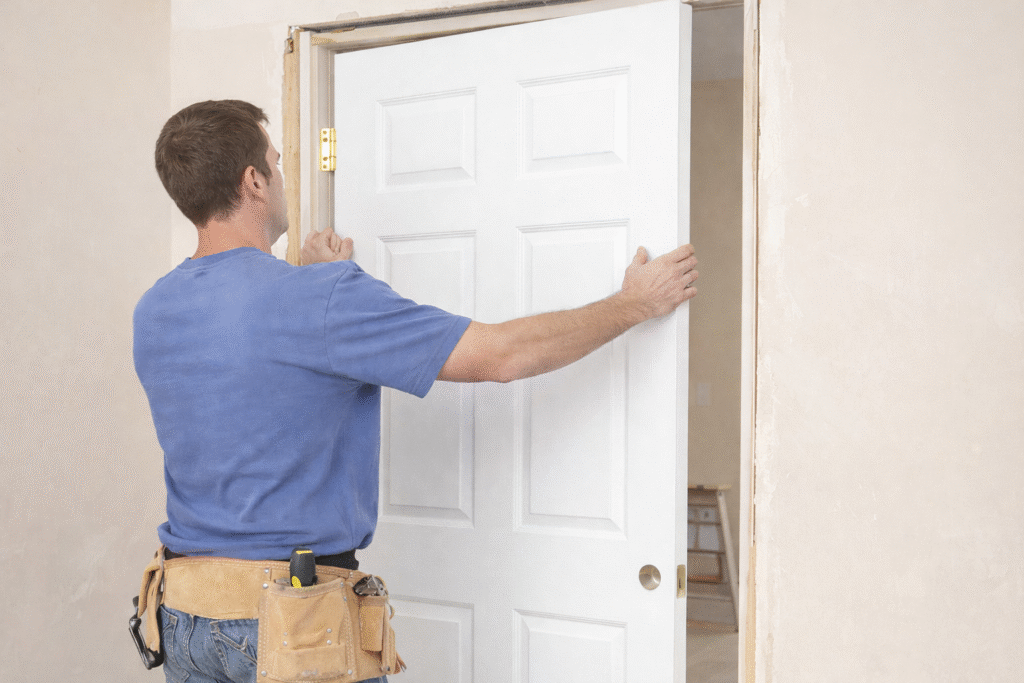
How to Install a Slab Door and Frame Properly
If you’re ready to take on the install yourself, here’s a quick pro-grade guide to doing it right.
Tools You’ll Need:
- Tape measure
- Pencil
- Chisel or router
- Hinge jig (optional)
- Power drill
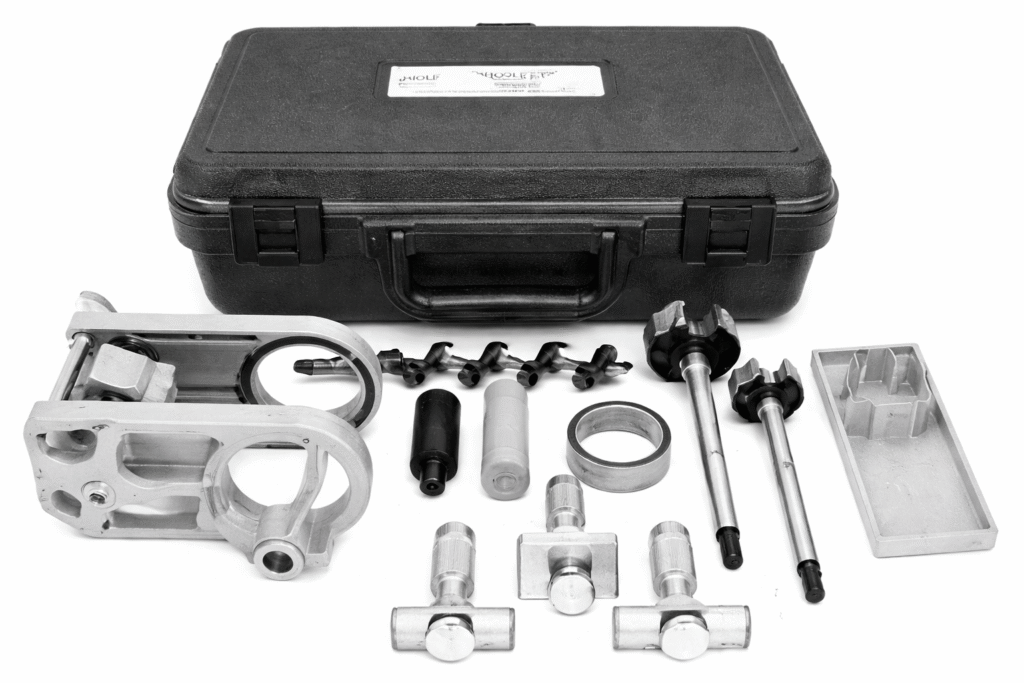
- Hole saw kit for knob/latch
- Level
- Screwdriver
Step-by-Step Process:
- Measure the Opening — Width, height, and thickness.
- Trim the Door (if needed) — Use a circular saw and straight edge guide.
- Mark Hinge Positions — Transfer from the existing frame or use a template.
- Mortise for Hinges — Use a router or chisel to recess hinges.
- Attach Hinges — Test fit into the frame.
- Drill for Lockset — Use a hole saw kit to make knob and latch openings.
- Test the Swing — Adjust hinge depth or plane the edge if needed.
- Finish the Door — Paint or seal for moisture protection (especially exterior).
Using a slab door installation kit can save time and avoid measurement errors.
Pro Advice: When to Choose Slab Over Pre-Hung
Here’s what experienced builders consider when choosing slab vs. pre-hung:
Choose Slab Doors when:
- You’re replacing just the door, not the frame
- You want to match other existing doors in the home
- The frame is in good condition and level
- You’re doing a custom job that needs unusual sizing or finishes
- You want to save on material costs
Choose Pre-Hung Doors when:
- It’s a new construction project
- The existing frame is damaged or out of square
- You need a fast and consistent installation
- You’re managing a larger team with varying skill levels
Remember: slab doors give you the most control, but they demand more from the installer.
Summary
Slab doors are a cost-effective and versatile option for builders who want flexibility and control — especially on renovation projects or custom installs. While they take more time and skill to install, the payoff is in quality and customization. If you’re comfortable with layout, cutting, and fine-tuning — slab doors are a solid choice.
Articles that you may be interested in:
What Is a Prehung Door? Prehung vs Slab Door Explained for Contractors
How Much Should You Pay for Interior Doors in 2026? (Cost Guide for Builders)
How to Choose Interior Doors for Apartments, Condos & Townhomes