Introduction
On a typical residential or multi-unit project, mouldings are often ordered in bulk after most major design decisions have already been made. Baseboards, casings, and other profiles may seem straightforward at first glance, but once installation begins, small issues—material performance, inconsistent dimensions, surface quality, or packaging—can quickly turn into jobsite delays and added labor. In bulk orders, these details are multiplied across hundreds or thousands of linear feet, making early decisions far more critical than they appear on paper.
Before placing a bulk mouldings order, experienced builders generally focus on five key questions: whether the material is appropriate for the project type, whether profiles and dimensions will remain consistent across the entire order, whether the surface finish is truly ready for installation, whether the packaging and delivery method suit jobsite handling, and whether the supplier can reliably support phased or long-term orders. These questions are based on real project experience and are essential for avoiding costly surprises once production and installation are underway.
Question 1: Is the Material Right for the Project Type and Environment?
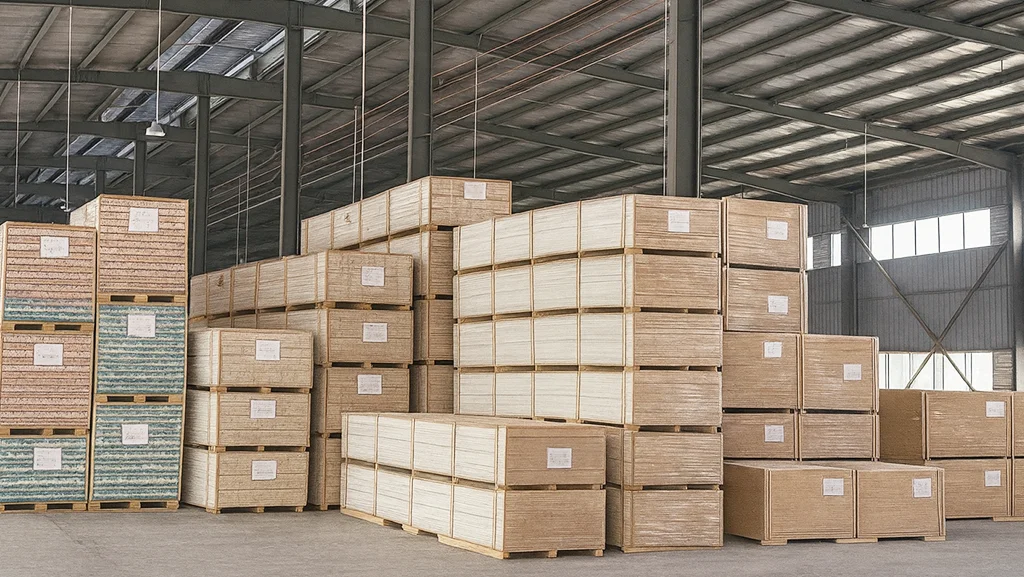
Material selection is one of the most common sources of problems in bulk mouldings orders. While mouldings may look similar once painted, different materials behave very differently once installed—especially across large projects and varying site conditions.
The two most commonly used moulding materials in residential construction are MDF and pine (including finger-jointed pine). Each has clear advantages, but also limitations that should be understood before committing to a full bulk order.
Common Moulding Materials Comparison
| Material | Key Advantages | Potential Risks | Best-Fit Applications |
|---|---|---|---|
| MDF | Smooth surface, consistent density, stable pricing | Sensitive to moisture, edge damage if mishandled | Interior dry areas, painted trim |
| Pine | Strong nail-holding, impact resistant, more forgiving on site | Natural movement, knots, potential warping | Standard residential projects, longer runs |
From experience, material-related issues rarely appear on the first few units—they usually show up after hundreds of linear feet have already been installed. Understanding where each material performs best helps reduce callbacks, touch-ups, and material waste later in the project.
Question 2: Are Profiles and Dimensions Consistent Across the Entire Order?
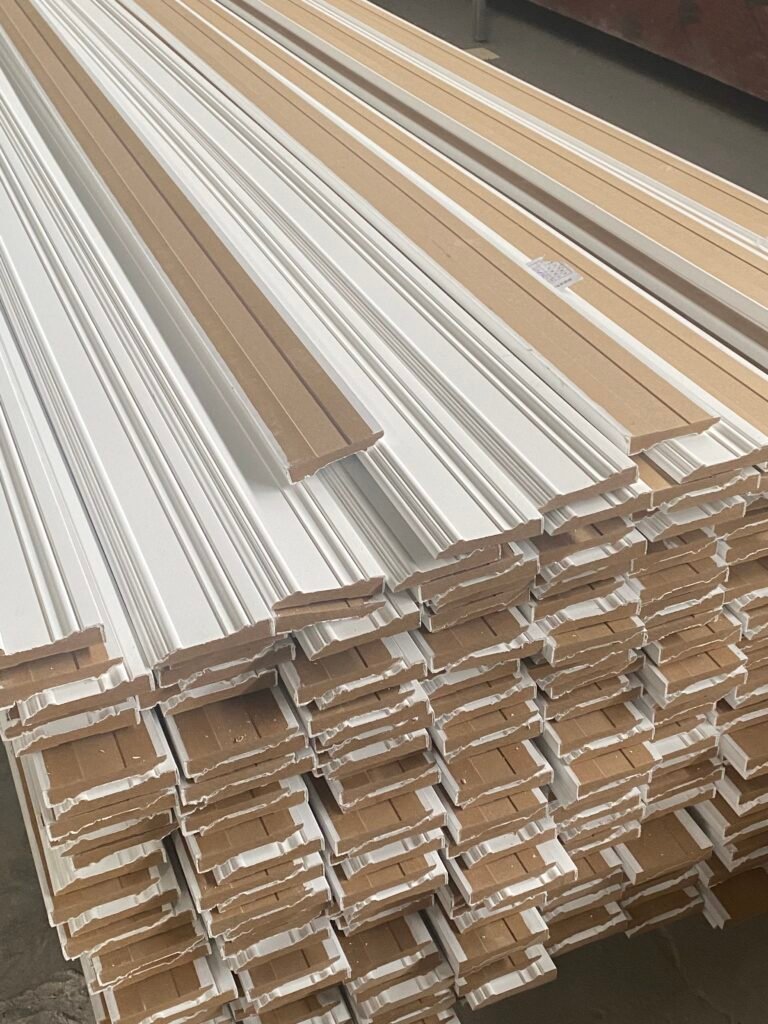
In bulk mouldings orders, consistency matters more than absolute size accuracy. Even small variations in height, thickness, or profile details can become highly visible when mouldings are installed across multiple rooms, floors, or buildings.
Common issues seen on job sites include:
- Slight profile changes between production batches
- Height variations that affect alignment at corners
- Inconsistent back cuts that complicate wall contact
For builders working on phased or multi-building projects, dimensional consistency across deliveries is critical. A sample approved early in the process does not always guarantee full-batch uniformity unless profile control and tooling consistency are properly managed.
Experienced builders often ask for:
- Confirmed profile drawings
- Defined tolerance ranges
- Assurance that the same tooling is used throughout production
These steps help ensure that mouldings installed weeks or months apart still align cleanly once the project is complete.
Question 3: Is the Surface Finish Ready for Installation—or Will It Require Extra Work On Site?
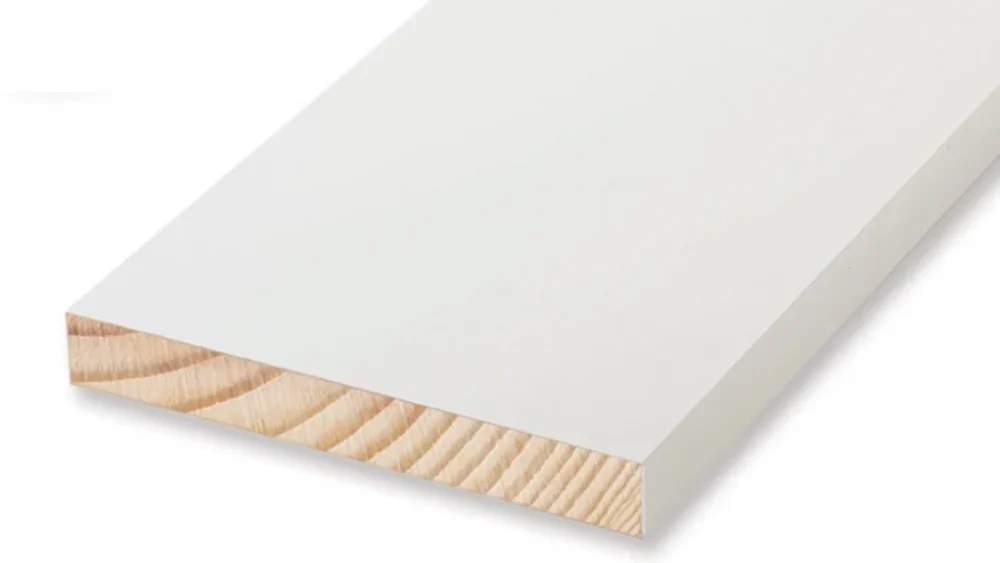
“Primed” mouldings are often assumed to be installation-ready, but in practice, the quality of priming can vary significantly.
Key surface-related factors to evaluate include:
- Primer coverage on edges and back faces
- Joint visibility after installation
- Sanding and touch-up requirements
Lower-quality priming often leads to:
- Additional sanding
- Extra paint coats
- Increased labor time
On large projects, these additional steps can add up quickly. Builders with experience in bulk trim installation know that confirming surface standards upfront is often more effective than addressing finish issues on site.
A high-quality primed surface should reduce—not increase—jobsite finishing work.
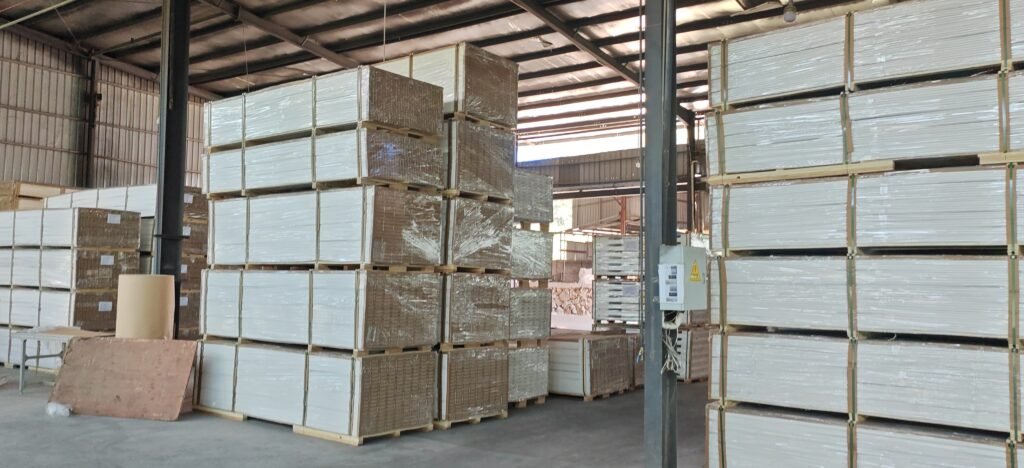
Question 4: How Will the Mouldings Be Packaged, Handled, and Delivered?
Packaging is often overlooked during ordering, yet it has a direct impact on jobsite efficiency and material loss.
In bulk mouldings supply, common packaging methods include packs and bundles, each with different implications for handling and organization.
Packaging Methods vs Jobsite Efficiency
| Packaging Method | Advantages | Potential Issues | Suitable Project Types |
|---|---|---|---|
| Pack (5–10 pcs) | Easy identification, cleaner handling | Slightly higher packaging cost | Small to mid-size projects |
| Bundle | Lower cost, compact loading | Risk of mixed profiles, handling damage | Large-scale developments |
From experience, packaging that works well for transportation does not always work well on site. Clear labeling, consistent bundle sizes, and protection during unloading can significantly reduce confusion and damage once materials reach the jobsite.
Question 5: Can the Supplier Support Long-Term, Multi-Phase Bulk Orders?
Many construction projects do not receive all mouldings at once. Phased deliveries, storage limitations, and changing schedules are common, making supplier capability a key factor in bulk ordering decisions.
Builders typically need suppliers who can:
- Maintain profile and finish consistency across batches
- Support repeat orders without variation
- Communicate clearly on lead times and production changes
Short-term pricing advantages can quickly disappear if a supplier cannot support consistent delivery across multiple phases. For long projects, stability and reliability often matter more than initial unit cost.
Frequently Asked Questions about Bulk Moulding Orders
Q: How much overage should I order for bulk moulding projects?
A: Industry standard is to order 10% to 15% extra. This accounts for cutting waste, corner matching, and potential shipping damage. It is far cheaper to order extra upfront than to halt a project waiting for a small replacement shipment.
Q: Do I need to approve a physical sample before bulk production?
A: Yes, absolutely. Never rely on digital photos or catalog specs alone. Always request a physical “approval sample” to verify the exact profile curve, primer quality, and wood density before authorizing a full container run.
Q: How long should mouldings acclimate on-site before installation?
A: MDF and wood mouldings should be stored in the installation room for at least 48 to 72 hours. This allows the material to adjust to the building’s humidity and temperature, preventing gaps or warping after installation.
Q: What is the lead time for custom vs. stock moulding profiles?
A: Stock profiles (like standard WM623 baseboard) can often ship within 2-4 weeks. Custom profiles require tooling production, which typically adds 2-3 weeks to the timeline, pushing total lead times to 6-8 weeks or more.
Conclusion
Bulk mouldings orders may appear straightforward, but they involve decisions that directly affect installation efficiency, finish quality, and overall project cost. By addressing five key questions—material suitability, dimensional consistency, surface readiness, packaging practicality, and long-term supply capability—builders can significantly reduce risk before placing an order. In large-scale projects, asking the right questions upfront is often the most effective way to protect both schedules and margins.
Articles that you may be interested in:
Beyond Basic: 5 Stunning Interior Moulding Ideas for 2026 & Buying Guide