Shipping terms play a critical role in the true cost and risk of importing building materials. Products such as doors, flooring, and mouldings are heavy, bulky, and often shipped in large volumes—making freight, customs clearance, and delivery responsibilities just as important as the product price itself.
Among the most common international shipping options, FOB (Free On Board) and DDP (Delivered Duty Paid) represent two very different approaches to logistics control. FOB is typically the better choice for experienced importers or large-volume building material orders, where buyers want full control over freight costs and customs processes. DDP, on the other hand, is often preferred for first-time buyers, smaller or mixed orders, or projects that prioritize convenience and reduced risk, even at a higher landed cost.
This article breaks down the key differences between FOB and DDP shipping for building materials, clarifying responsibilities, costs, and risks, so buyers can confidently choose the option that best fits their sourcing strategy and project requirements.
What Is FOB Shipping?
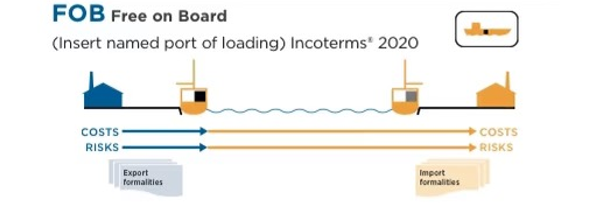
FOB (Free On Board) is an international shipping term under Incoterms® that defines the point at which responsibility and risk transfer from the seller to the buyer. Under FOB terms, the seller is responsible for delivering the goods to the designated port of shipment, handling export customs clearance, and loading the cargo onto the vessel. Once the goods are on board, ownership, risk, and further costs shift to the buyer.
For building materials, FOB shipping means the buyer arranges and pays for ocean freight, insurance, import customs clearance, duties, taxes, and inland delivery at the destination. This option provides greater control over shipping costs and logistics—especially for large or heavy products such as doors, flooring, and mouldings that are typically shipped in full containers.
FOB is most suitable for buyers with established freight forwarders, experience in customs procedures, and the ability to manage overseas logistics. While it requires more coordination, FOB often results in lower overall landed costs and greater flexibility for project-based or high-volume building material imports.
What Is DDP Shipping?
DDP (Delivered Duty Paid) is an Incoterms® shipping term where the seller assumes maximum responsibility for the shipment. Under DDP terms, the seller handles the entire logistics process—from export clearance and international freight to import customs clearance, duties, taxes, and final delivery to the buyer’s specified address.
For building materials, DDP shipping means the buyer receives goods such as doors, flooring, or mouldings fully landed, without needing to arrange freight forwarders, customs brokers, or local delivery. All major logistics costs and risks are included in the quoted price, providing a predictable, all-in cost structure.
DDP is especially suitable for first-time importers, smaller or mixed orders, and buyers who prioritize convenience over logistics control. It can also be helpful for projects without in-house logistics expertise or when importing into markets with complex customs procedures.
However, this convenience often comes at a higher price. Since the seller absorbs shipping risks, customs complexity, and potential delays, DDP quotes typically include a premium. Buyers should also confirm transparency around duties, taxes, and delivery scope to avoid misunderstandings.
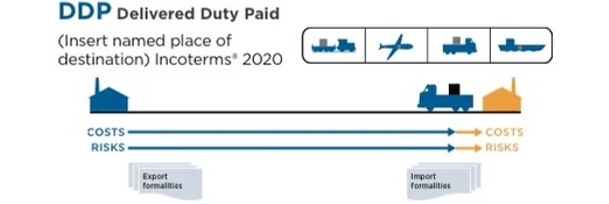
FOB vs DDP: Side-by-Side Comparison
| Feature | FOB | DDP |
|---|---|---|
| Responsibility | Buyer takes over at port | Seller handles full delivery |
| Risk | Shifts to buyer at port | Stays with seller until delivery |
| Cost Transparency | Clear, buyer manages fees | Bundled into seller’s price |
| Ideal For | Experienced importers | First-time importers, convenience-focused buyers |
| Flexibility | High | Low |
| Control | Full control for buyer | Minimal control for buyer |
Which Shipping Term Is Better for Building Materials?
There is no one-size-fits-all answer, choosing between FOB and DDP depends on your order size, experience level, and desired level of control.
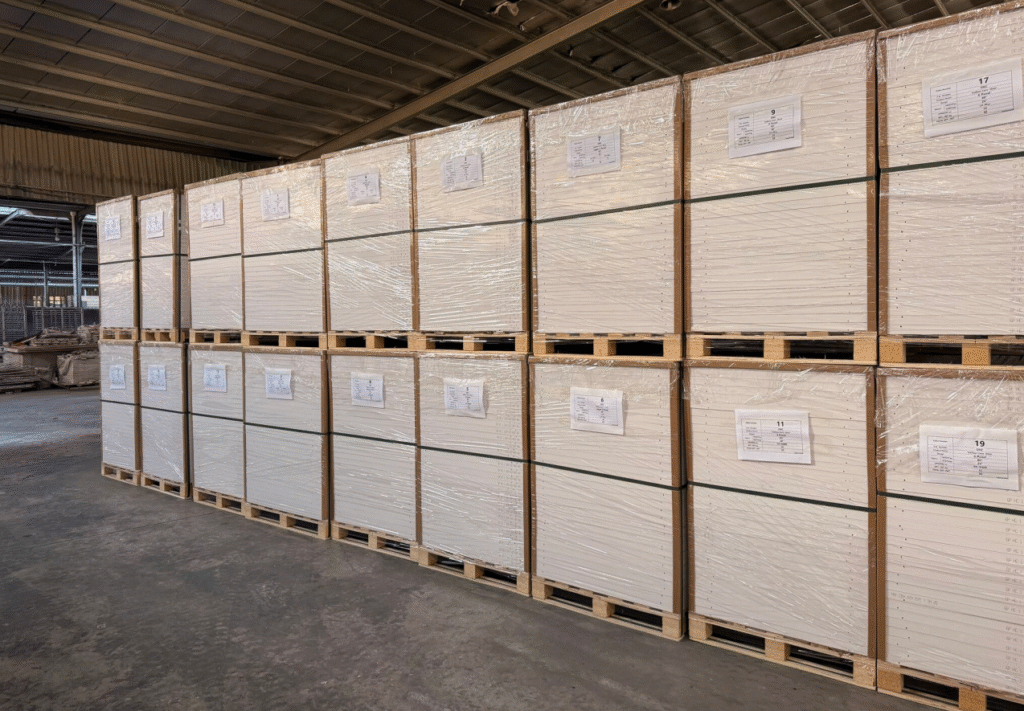
FOB is best suited for buyers importing building materials in bulk, such as doors, flooring, or mouldings in full container loads. It offers greater cost transparency and logistics control, allowing experienced importers to negotiate freight rates, manage customs clearance, and achieve lower total landed costs over time.
DDP, on the other hand, prioritizes simplicity and risk reduction. It is ideal for first-time importers, small or mixed orders, or buyers who prefer a door-to-door solution with predictable pricing and minimal involvement in shipping or customs procedures.
Many importers start with DDP to gain experience and reduce early risk, then transition to FOB as order volumes increase. In practice, a flexible approach, using FOB for large shipments and DDP for samples or urgent orders—often provides the best balance between cost efficiency and convenience.
How to Choose the Right Option
Choosing between FOB and DDP comes down to how much control, experience, and simplicity you want in your shipping process.
Choose FOB if:
- You’re confident managing international freight and logistics.
- You already work with a freight forwarder or customs broker.
- You’re importing building materials in bulk or full containers.
- You want full visibility into freight, duties, and inland delivery costs.
- Cost optimization and long-term savings are a priority.
Choose DDP if:
- You’re new to international shipping or importing for the first time.
- You prefer a simple, door-to-door process with minimal involvement.
- You’re ordering small quantities, samples, or mixed SKUs.
- Your project is time-sensitive and needs predictable landed costs.
- You’re buying from suppliers offering all-in-one, delivered pricing.
If you’re still unsure, compare FOB and DDP landed costs side by side—or consult your freight forwarder before confirming terms with your supplier. Many buyers successfully use both options, depending on order size and urgency.
Summary
Both FOB and DDP have clear advantages when importing building materials. For first-time buyers or smaller, mixed orders, DDP offers a safer and more straightforward solution with predictable, door-to-door delivery. For experienced importers handling large volumes, FOB provides greater cost control, flexibility, and long-term savings. Evaluate total landed costs, delivery timelines, and logistics complexity—then choose the approach that aligns with your project size and operational capacity.
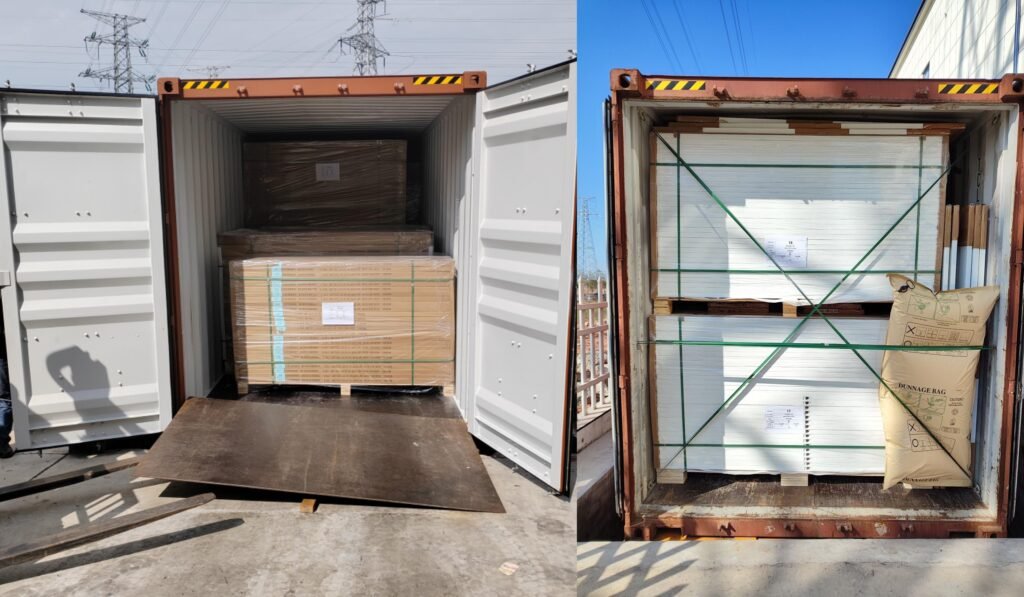
As a direct building materials manufacturer and supplier, we support both FOB and DDP shipping options for products such as doors, flooring, and mouldings. Our team can help you compare scenarios, consolidate products into efficient shipments, and select the most cost-effective delivery strategy for your project. Contact us to discuss your sourcing needs and streamline your building material imports with confidence.
Frequently Asked Questions about FOB vs. DDP
Q: Is DDP shipping always more expensive than FOB?
A: On paper, the DDP price is higher because it includes freight, insurance, and duties. However, FOB can often result in higher final costs for inexperienced buyers due to unexpected destination fees, customs exams, and storage charges that DDP sellers usually absorb or negotiate at better rates.
Q: Who is responsible for customs clearance in FOB vs. DDP?
A: Under FOB, the buyer is legally responsible for hiring a customs broker and paying all import duties and taxes. Under DDP, the seller handles all customs paperwork and payments, making it a “hands-off” experience for the buyer.
Q: Which shipping term is better for a first-time importer?
A: DDP is highly recommended for first-time buyers. It functions like a standard domestic delivery (e.g., Amazon), removing the complex risks of freight forwarding, insurance claims, and import compliance.
Q: Does FOB give me more control over the delivery timeline?
A: Yes. With FOB, you choose the freight forwarder and the shipping vessel. This allows you to prioritize speed over cost if necessary. With DDP, the seller chooses the carrier, often optimizing for cost rather than the fastest delivery speed.
Articles that you may be interested in:
How DDP Simplifies Global Procurement for Builders and Contractors
Top 10 Door Manufacturers: Key Differences and Buying Guide
What Builders Should Know Before Buying Building Materials from China