Staying ahead of design trends is key for builders and wholesalers. Interior doors are no longer just functional—they’re focal points. With 2026 around the corner, trends are shifting fast. Miss them, and you could fall behind. Let’s explore what styles, materials, and colors are defining the year ahead.
The top interior door trends for 2026 include bold colors like navy and deep green, minimalist and frameless designs, natural wood finishes, and increased use of accent doors. Builders favor fluted textures, arched frames, and sustainable materials like MDF with eco cores. Sliding and space-saving doors continue to gain popularity in residential and commercial builds.
Before diving into the latest trends, let’s first understand the most common types of interior doors and how they differ in cost and function.
What are the most common types of interior doors?
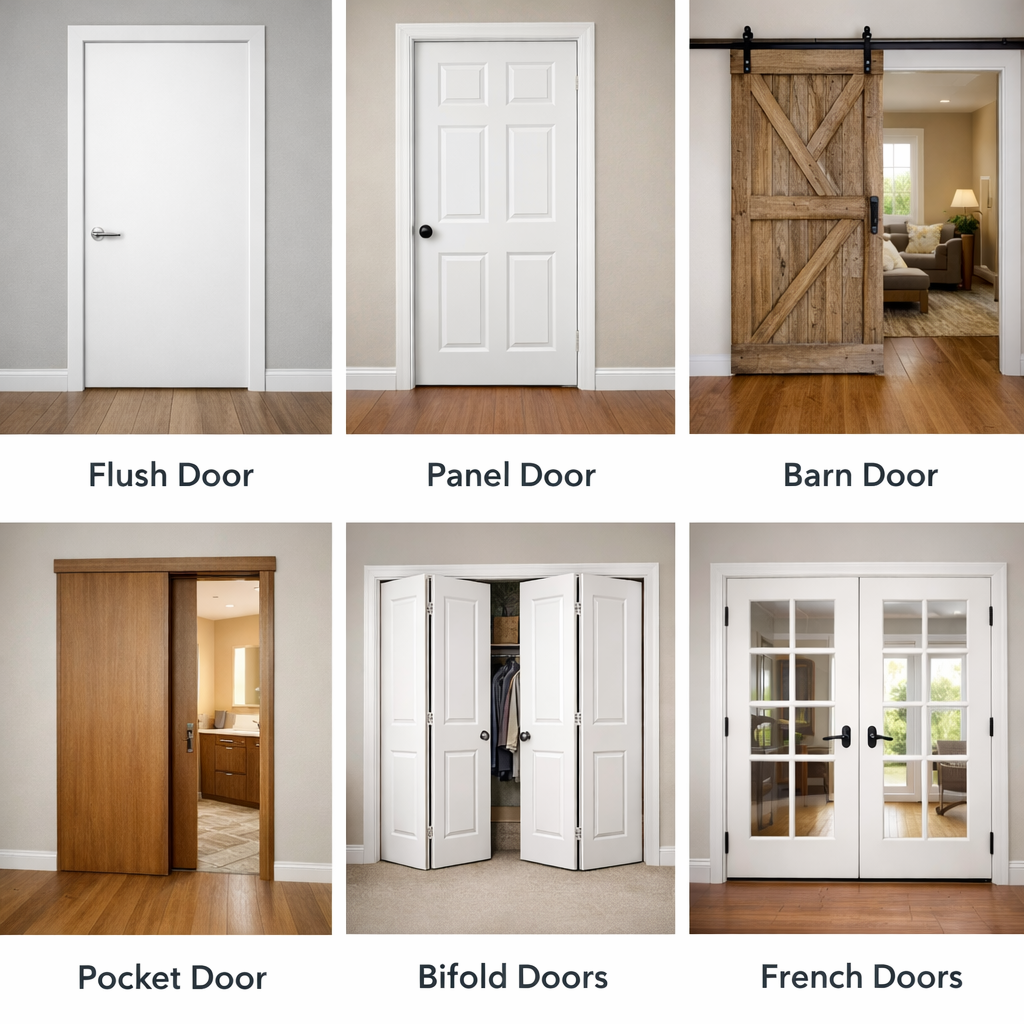
Builders and wholesalers typically stock several core types of interior doors, each catering to different architectural and design needs:
- Flush Doors – Simple and flat-faced, ideal for basic installs.
- Panel Doors – Classic style with raised or recessed panels.
- Barn Doors – Sliding doors that add rustic charm.
- Pocket Doors – Slide into the wall to save space.
- Bifold Doors – Great for closets and utility areas.
- French Doors – Elegant double doors with glass panes.
Each type has its own advantages and installation requirements.
How do different interior door types compare in cost and function?
| Door Type | Avg. Price (USD) | Best Use Case | Pros | Cons |
|---|---|---|---|---|
| Flush Door | $50 – $150 | Budget residential | Inexpensive, easy to install | Plain appearance |
| Panel Door | $100 – $300 | Homes with classic appeal | Durable, timeless design | Mid-range pricing |
| Barn Door | $200 – $600 | Modern/farmhouse homes | Stylish, space-saving | Needs wall clearance |
| Pocket Door | $250 – $800 | Small or tight spaces | Discreet, saves space | Installation complexity |
| French Door | $400 – $1,200 | Luxury or formal rooms | Light-enhancing, decorative | Expensive, more fragile |
All prices above are industry average market estimates for materials and basic production. Actual prices may vary depending on supplier, region, design complexity, and customization.
What are the most popular door core materials in 2026?
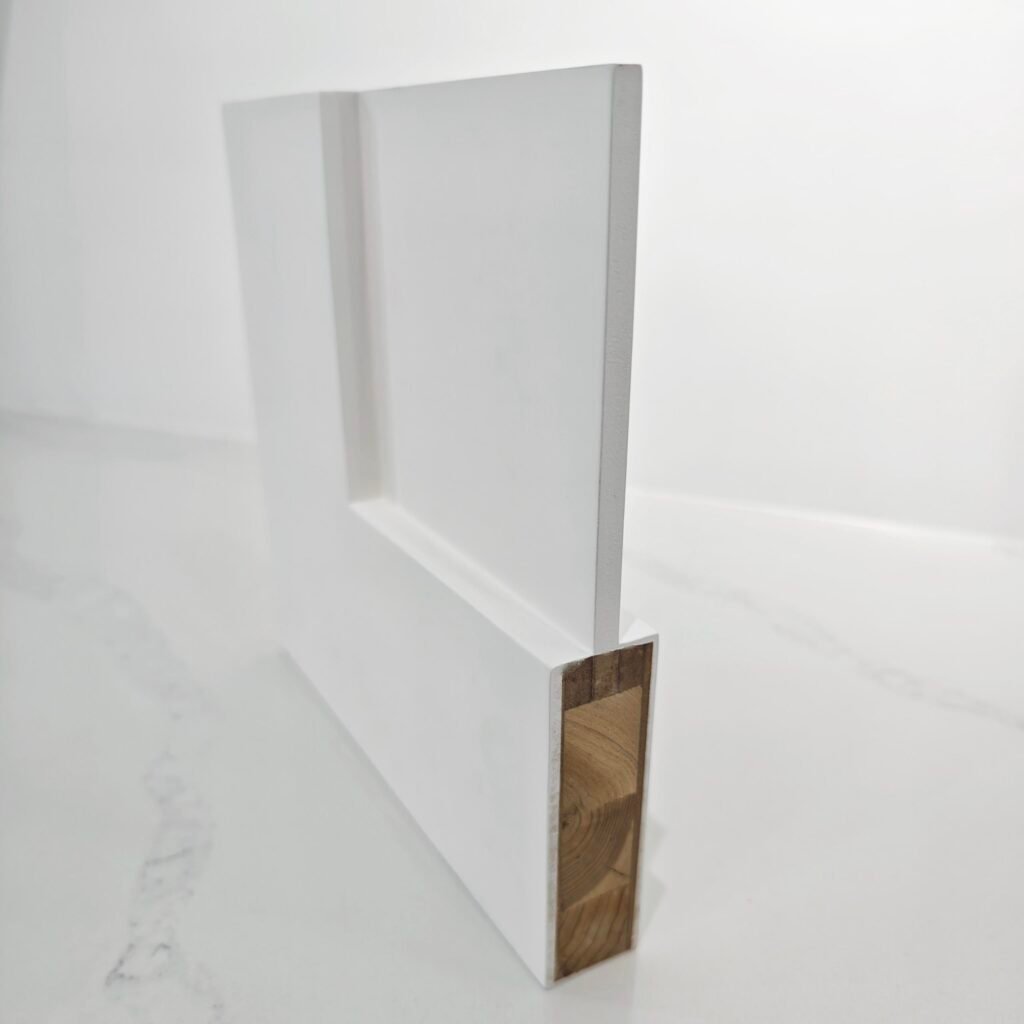
performance, and durability. In 2026, builders and wholesalers are increasingly selecting core materials based on performance requirements and price sensitivity. Common core materials in the market today include a range of hollow and solid fill options:
Hollow Core – Light, Affordable, Standard Use
- Honeycomb Paper Core
- A lightweight, cost‑effective structure made from hexagonal paper cells sandwiched between the door skins.
- Offers basic rigidity while keeping the door very light.
- Common in budget residential flush doors where sound insulation and durability are not priority requirements.
- EPS Foam (Expanded Polystyrene)
- Expanded polystyrene blocks or beads fill the interior cavity.
- Slightly higher rigidity and modest thermal performance compared to paper honeycomb.
- Still lightweight, making installation easier and reducing material cost.
- Often specified in large multi‑unit housing where weight and budget are key considerations.
Hollow core doors are popular in cost‑sensitive projects and spaces where heavy soundproofing is not critical, such as bedrooms, closets, or secondary circulation areas.
Solid Core – Improved Performance for Mid‑Range to Premium Projects
- Wood Strip Core
- Strips of solid wood, glued and stacked to form a stable, dense interior.
- Provides excellent stability, enhanced sound reduction, and solid feel at the door edge.
- Used in mid‑to‑high‑end interior doors where durability and quality perception matter.
- MDF Core (Medium‑Density Fiberboard)
- Homogeneous engineered wood fiber core with good density and smooth surface.
- Offers better acoustic performance than hollow options.
- Consistent quality makes it ideal for painted finishes and precision machining.
- A common choice in modern residential and commercial applications.
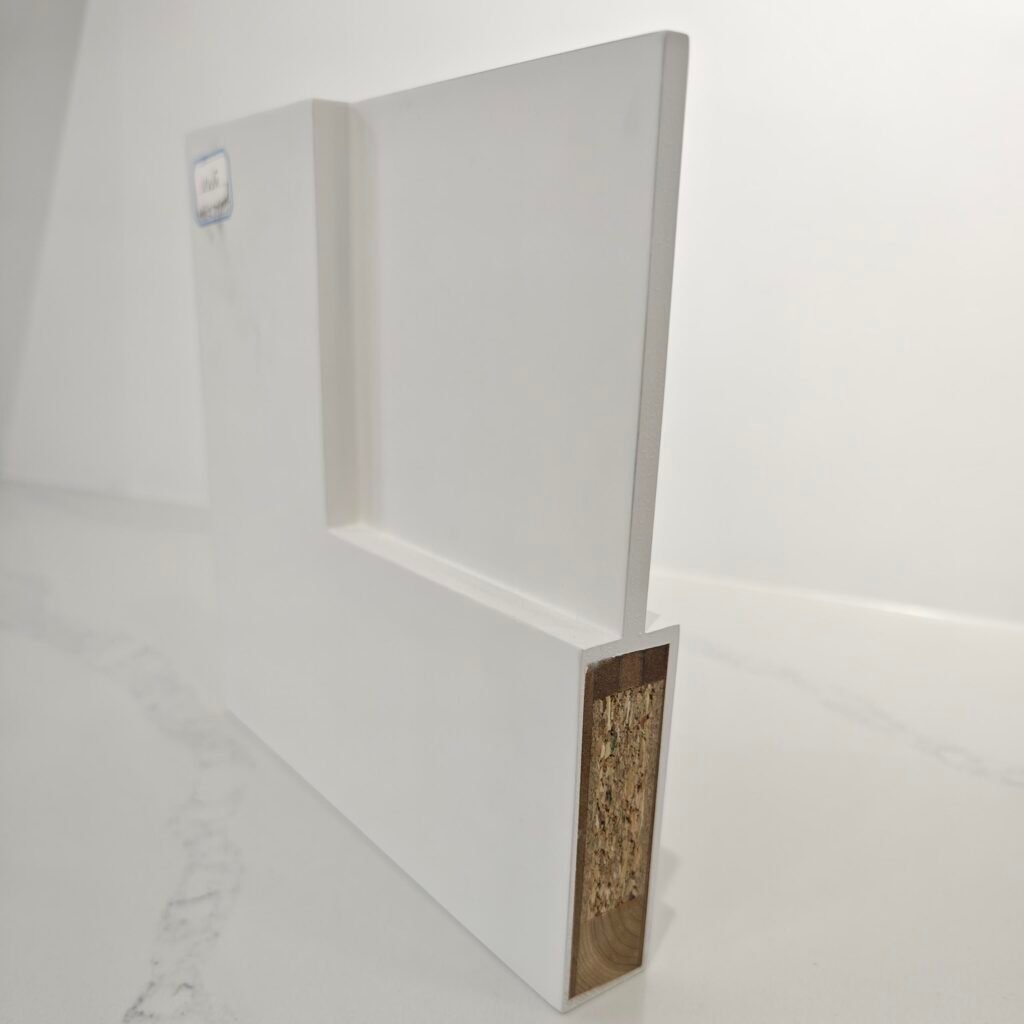
- Particleboard Core (Chipboard)
- Compressed wood chips and resin form a dense panel.
- More affordable than wood strip and MDF, yet heavier than hollow cores.
- Provides good stability and moderate sound insulation.
- Suitable for panel doors and engineered doors where cost and performance are balanced.
- Composite or Bridgeboard Core
- Advanced engineered cores that combine multiple materials (e.g., wood fibers, resins, and recycled elements) for optimized strength and consistency.
- Offers improved weight‑to‑performance ratios.
- Increasingly used in sustainable product lines and higher‑end pre‑finished doors.
Solid core doors are preferred in spaces where acoustic privacy, durability, and a premium feel are desired—such as living rooms, offices, or hospitality interiors.
Key Comparison for Buyers
| Core Material | Weight | Sound Performance | Cost Level | Best For |
|---|---|---|---|---|
| Honeycomb Paper | Very Light | Low | Budget | Closets, secondary doors |
| EPS Foam | Light | Low–Medium | Budget | Multi‑unit housing |
| MDF Core | Medium | Medium–High | Mid | Painted interior doors |
| Wood Strip | Heavy | High | Mid–High | Premium residential |
| Particleboard | Heavy | Medium–High | Mid | Panel doors |
| Composite Core | Medium–High | High | Mid–High | Sustainable / premium lines |
What interior door colors are trending in 2026?
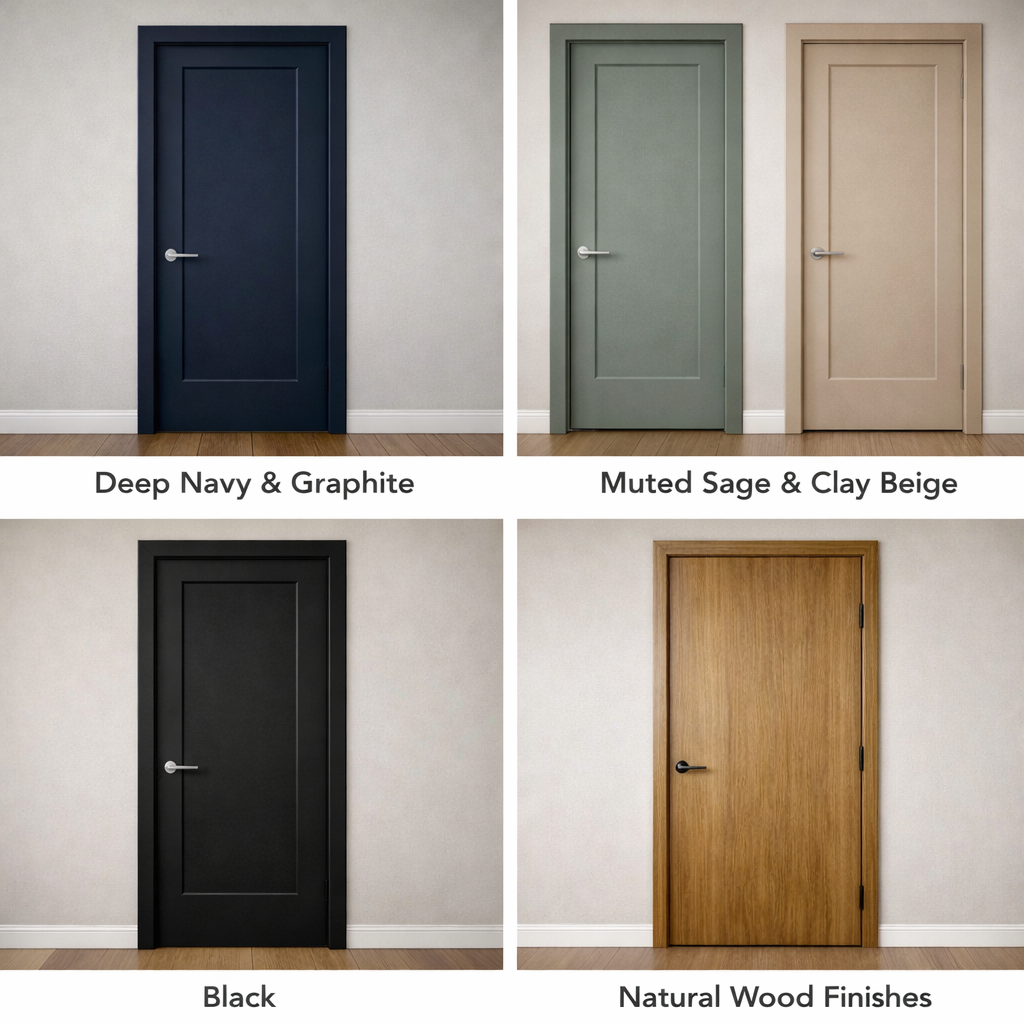
2026 is embracing expressive yet earthy tones for interior doors:
- Deep Navy & Graphite – Dramatic contrast, especially in minimalist spaces.
- Muted Sage & Clay Beige – Earthy tones for calming interiors.
- Black – Bold, modern, and works well with white walls or natural wood.
- Natural Wood Finishes – Oak, walnut, and ash textures are back in demand.
Color isn’t just decoration—it signals the home’s personality.
What shapes and designs are defining 2026 interior doors?
Design is going bold and refined. These features are dominating:
- Fluted Panels & Grooved Textures – Subtle but visually striking.
- Arched Doors – Inspired by Gothic revival and modern curves.
- Frameless / Invisible Doors – Seamless integration with walls.
- Paneled Layouts with Asymmetry – More visual interest in simple forms.
- Oversized 8-Foot Doors – Creating a grand, airy feel indoors.
Expect more custom-shaped doors as personalization becomes the norm.
What materials are preferred for doors in modern builds?
Material choices are critical for cost, longevity, and aesthetics:
- Natural Wood (Oak, Walnut) – Premium, warm feel.
- MDF – Budget-friendly with good surface for painting.
- Laminated Doors – Clean, sleek finish with less upkeep.
- Glass Panel Inserts – Add light and modern flair.
More builders are looking for FSC-certified or recycled materials to meet green building standards.
What interior doors are preferred in construction projects?
Here’s what’s trending across project types:
- Multi-Unit Housing – Hollow core or MDF pre-hung doors for easy installation.
- Luxury Homes – Custom solid-core or natural wood doors with unique styling.
- Commercial Builds – Fire-rated and soundproof doors with clean finishes.
Builders prioritize cost, availability, and install efficiency, especially for large-scale developments.
Frequently Asked Questions about 2026 Door Trends
Q: Are barn doors still in style for 2026?
A: The rustic “farmhouse” barn door trend is fading rapidly. For 2026, architects and designers are favoring pocket doors or hidden sliding systems that offer the same space-saving benefits but with a cleaner, more minimalist aesthetic that blends into the wall.
Q: What is the most popular interior door color for new builds?
A: While white remains standard, the trend is shifting toward warm neutrals (like mushroom, taupe, and cashmere) and natural wood stains (white oak and walnut). High-contrast “stark black” hardware is being replaced by softer brushed gold or bronze accents.
Q: What is a “Micro-Shaker” door?
A: A Micro-Shaker door is a modern update to the classic shaker style. Instead of a wide border, it features a very thin, sleek stile and rail profile (often 1-2 inches wide). This subtle change creates a sophisticated, contemporary look that is highly requested in luxury developments.
Q: Are fluted or textured doors worth the extra cost?
A: For “statement” areas like home offices, primary bedrooms, or pantry entries, yes. Fluted (grooved) wood doors add physical texture and depth that flat paint cannot achieve. They serve as a piece of architectural art, increasing the perceived value of the room.
Summary
Interior door trends in 2026 favor bold design, function, and sustainability. From vibrant colors to minimalist forms, builders and wholesalers can leverage these styles for modern projects. Ready to make informed choices? Let these trends guide your next order.