We’ve supplied doors for over 50 construction projects—ranging from residential homes to schools, offices, and high-end commercial spaces. Across these diverse sites, we’ve encountered all kinds of challenges, surprises, and lessons that no textbook or training course could have fully prepared us for. Doors may seem like a small part of a building, but they touch every stage of a project—from framing to finishing, from aesthetics to security. A mistake with doors can delay your project, impact safety compliance, or leave your client with frustration.
Supplying doors across 50+ construction projects has shown us that underestimated lead times, specification mismatches, and poor communication are some of the most common causes of costly delays. Doors may seem like a small detail, but mistakes—like wrong swing direction, hardware conflicts, or off-size openings—can halt entire schedules. These issues often arise late, when correction is difficult and expensive. The best way to prevent them? Early coordination with all trades, accurate site measurements, consistent documentation, and clear, proactive communication with clients and suppliers. When door planning is done right, it saves time, prevents rework, and keeps the entire project on track.
Let’s dive into each lesson, explain why the issue tends to happen, and share what we’ve found works best to prevent or resolve it.
Lead Times Are Almost Always Underestimated
Why it happens:
Most builders are used to ordering standard materials like drywall or framing timber with short lead times. But doors—especially custom or prehung sets—have much longer timelines. Production lead times can be 4–6 weeks, and if special veneers, hardware, fire ratings, or glass inserts are involved, the timeline can extend to 8–10 weeks or more. That doesn’t even include delivery delays, holiday shutdowns, or customs for imported products.
We’ve seen projects grind to a halt because the door order was placed too late. The frames were ready, the painters were scheduled, and suddenly everything stopped—waiting for doors.
Our advice:
Treat doors as long-lead items. In your initial construction schedule, include deadlines for finalizing the door schedule and placing the order. If you’re dealing with multi-phase construction, coordinate partial deliveries by floor or section. Ask suppliers for production timelines at the quotation stage—not after the order is placed. And most importantly, communicate to your clients that changes after approval will delay the entire process.
Drawings Look Correct, But Site Dimensions Are Off
Why it happens:
Architectural drawings are an idealized version of the project—but construction is messy. Framing crews may adjust wall placements to suit real conditions. Floor build-ups may change due to underlay or insulation. Ceiling heights can shift slightly. All of this affects door openings.
We’ve encountered cases where a door was ordered based on plans, but the final opening was 25mm too short. The result? A rush to resize the door or rework the opening—both of which could have been avoided with a site check.
Our advice:
Never assume the drawings reflect final conditions. We strongly recommend taking real-world measurements after framing and flooring are in place but before drywall is closed. Use a checklist to confirm rough opening width, height, floor level, and plumb. Assign this task to someone accountable—ideally the installer or a site supervisor who understands door tolerances.

Wrong Door Swing Can Derail the Whole Flow
Why it happens:
It’s incredibly easy to misunderstand door swing when interpreting 2D plans. A single arrow pointing the wrong way can result in a door that blocks a cabinet, hits a wall, or creates a safety hazard. We’ve had projects where bathroom doors opened into towel racks, or storage doors hit light switches.
Changes made on-site (like reversed wall studs or relocated plumbing) often aren’t communicated back to the design team or supplier—leading to costly errors.
Our advice:
Standardize swing notation across all documents. Use industry-standard codes (e.g., LH, RH) and always include door swing diagrams for each unit in the door schedule. For larger projects, host a “door review session” where every swing and location is walked through in 3D (or even on-site with masking tape). It may take an hour—but it saves thousands in rework.
Doors and Hardware Often Don’t Match
Why it happens:
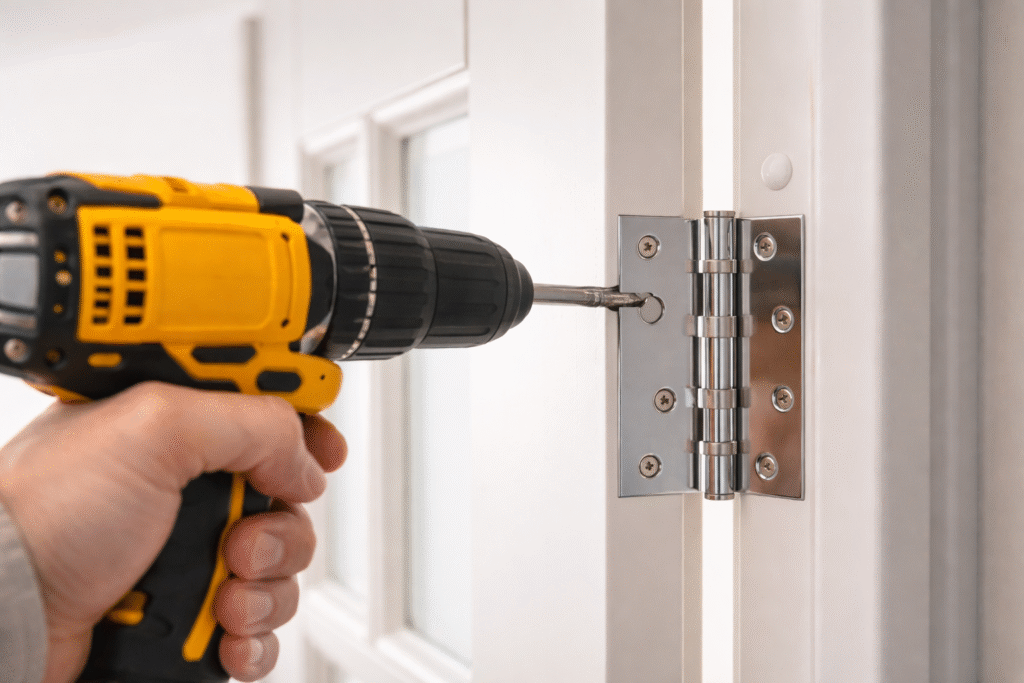
Doors are often ordered early, while hardware is selected later. Or worse, they’re ordered from completely different vendors with different technical knowledge. For example, your door prep might assume a cylindrical lock, but the hardware delivered is a mortise lock. Even worse: a fire-rated door gets non-rated hinges.
Hardware issues often surface only at install time, when everything else is already lined up and deadlines are tight.
Our advice:
Plan door and hardware together. Issue a complete “door and hardware matrix” that shows which locks, closers, hinges, and accessories go with each door. Make sure hardware specs are shared with the door supplier so they can pre-machine everything accordingly. We also recommend mock-up testing for large-scale or high-security projects.
Poor Installation Planning Delays the Schedule
Why it happens:
Door installation involves multiple touchpoints: carpenters, painters, hardware installers, even security or automation teams. If it’s not planned precisely, doors may arrive too early (and get damaged) or too late (delaying other trades). Miscommunication about who is responsible for which part—frame, door leaf, lockset—often causes confusion on site.
In one project, doors were delivered before tiles were installed. The result? Chipped frames, scratched veneers, and hours of clean-up.
Our advice:
Include door installation as a defined phase in your construction schedule. Decide clearly who installs the frames, doors, and hardware. Use labeled packaging to match components to each room. For large sites, have a “door install map” to minimize chaos. Protect installed doors with foam covers or plastic wrap until final handover.
Last-Minute Changes from Clients Cause Delays
Why it happens:
Clients often want to change door styles, colors, or hardware once finishes are installed. They see a sample on Instagram or a neighbor’s house and get inspired—but by that point, production may already be underway.
One client requested a last-minute switch from matte black to brass handles. The new hardware required different prep, different backsets—and the delivery pushed the schedule by 3 weeks.
Our advice:
Set a final approval date for all door and hardware selections. Make it clear in the contract that changes after this date will result in delays and possibly extra charges. Provide visual mockups or samples early to reduce indecision. If you’re working with design-conscious clients, involve them early and get written sign-offs.
Incorrect Wall Openings Make Installation Impossible
Why it happens:
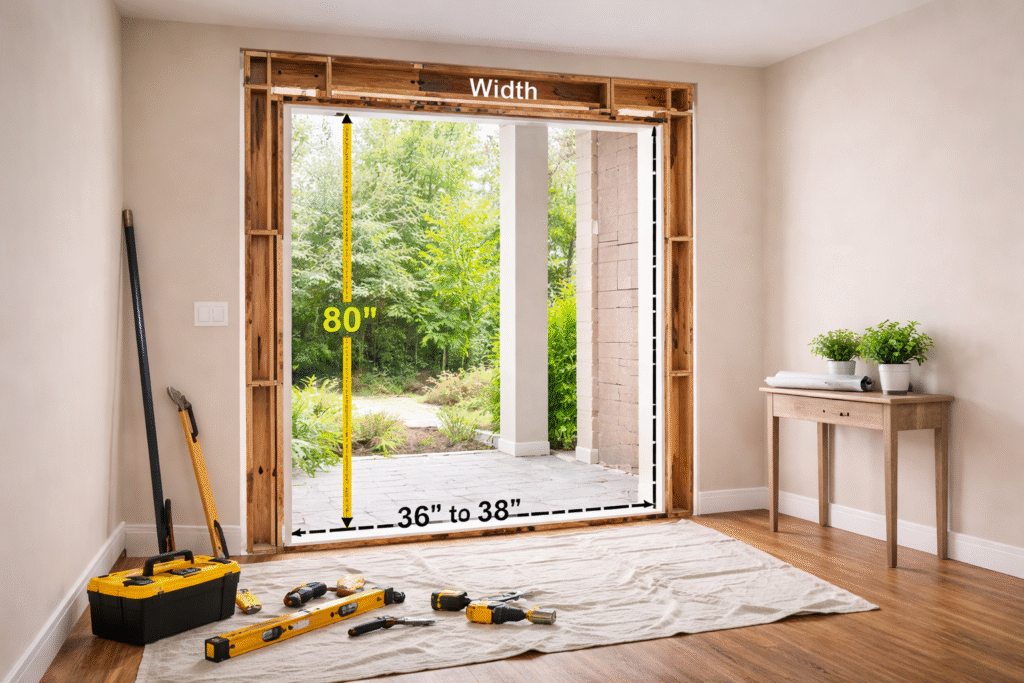
Sometimes the opening is framed incorrectly—either because the crew misunderstood the spec or used outdated drawings. Even a 10mm error can create headaches. For fire-rated or prehung doors, even slight misalignments can void certifications.
We’ve had installers show up to find headers missing, widths too narrow, or walls out of plumb—requiring rework that held up inspections.
Our advice:
Issue a “rough opening guide” with every door order. Include tolerances, clearances, and installation requirements. Conduct a pre-closing inspection with framing and drywall teams to confirm that every opening matches the spec. For prehung doors, make sure the floor level is factored in—especially where tile or hardwood adds height.
Custom Doors Can Complicate the Supply Chain
Why it happens:
Custom doors often require coordination between multiple factories or vendors—core suppliers, veneer finishers, glass fabricators, and hardware preppers. If one piece is delayed, everything else stalls. Add in custom packaging, special handling instructions, and unique install steps—and the risk increases.
We’ve seen custom pivot doors delayed by a single backordered pivot hinge. The entire entryway was ready—but unusable.
Our advice:
Be selective with customization. Unless it’s a feature piece, try to standardize door sizes, frames, and hardware. If going custom, confirm availability and lead times for every component in advance. Have your supplier prepare a detailed production timeline, and keep a backup option (e.g., alternate hinge model) in case of delays.
Door Durability Is Often Overlooked
Why it happens:
Budgets are tight, and doors often get value-engineered to lower grades or cheaper materials. But in the long run, cheap doors cost more—especially when exposed to humidity, high traffic, or poor maintenance. Hollow-core MDF doors in a busy office bathroom? That’s a mistake waiting to happen.
We’ve replaced doors within a year of installation simply because the wrong material was chosen.
Our advice:
Specify door material based on environment and usage—not just aesthetics. In wet areas, choose moisture-resistant cores (like WPC or PVC). For high-traffic zones, opt for solid-core or metal doors. Review warranty options—some doors are rated for commercial durability and come with 10-year guarantees. Make sure your clients understand the tradeoff between upfront savings and long-term performance.
Multiple Versions of the Door Schedule Cause Chaos
Why it happens:
Architects, contractors, suppliers, and installers each maintain their own door list—and not all of them are synced. A single change (e.g., revised hardware or fire rating) in one version can lead to mismatched deliveries, incorrect prepping, or failed inspections.
We’ve seen three versions of a door list circulating on one job. No one knew which one was final—and it showed in the install chaos.
Our advice:
Establish a single source of truth. Appoint one person (usually the GC or PM) to manage and issue the latest door schedule. Include version numbers, date stamps, and revision histories. Use cloud tools like Google Sheets or project management platforms (e.g., Procore, Buildertrend) for real-time tracking. Insist that only the master version is used for ordering and installation.
Frequently Asked Questions about Door Project Management
Q: How early should I order doors for a multi-family project?
A: You should finalize door specifications at least 12-16 weeks before the estimated installation date. Custom manufacturing and ocean freight (if importing) take time. Ordering early creates a buffer for unforeseen shipping delays, ensuring the doors are on-site exactly when the drywall and paint are finished.
Q: Should we trust the architectural plans for Rough Opening (RO) sizes?
A: Never. Plans are theoretical; the job site is reality. We strongly recommend doing a physical “field verify” of the framed openings before releasing the final door production order. Variations in framing lumber and floor leveling often require small adjustments to door heights or widths to avoid costly on-site resizing.
Q: What is the benefit of factory-machined doors?
A: Factory-machining (pre-drilling for hinges and locksets) guarantees 100% precision. Doing this on-site relies on the carpenter’s jig and can lead to inconsistencies or errors. Factory-machining saves hundreds of labor hours on large projects and ensures every handle aligns perfectly.
Q: How do I prevent doors from warping before installation?
A: Do not accept delivery until the building is “conditioned” (HVAC is running) and the concrete/drywall is fully dry. Storing doors in a humid, unconditioned building will cause them to swell and warp. If early delivery is unavoidable, doors must be stored flat on a level surface, off the concrete, and covered.
Summary
After 50+ real-world projects, we’ve come to respect just how complex door supply and installation can be. A smooth door package doesn’t happen by accident—it takes planning, teamwork, and proactive communication. Whether you’re building ten units or two hundred, we hope these lessons save you from costly mistakes, keep your schedule on track, and help you deliver quality work every time. If you’ve got your own hard-earned insights or want to share a door disaster you survived, reach out—we’re always happy to learn from fellow builders.
Articles that you may be interested in:
Noise-Reducing Flooring Solutions for Multifamily Projects (2026 Guide)
Choosing Shaker Door Finishes: Primed vs Painted for Construction Projects
How Can Builders Reduce Project Delays with Smart Material Sourcing?