Choosing between standard and non-standard door sizes may seem like a minor specification detail, but in practice it can directly impact project cost, lead time, and installation risk. Builders, architects, and purchasing managers often underestimate how door size decisions affect manufacturing efficiency, logistics coordination, and on-site scheduling—especially when those decisions are made late in the project cycle.
In general, standard door sizes offer lower costs and faster delivery, with typical lead times of around five weeks, making them a reliable choice for schedule-driven projects. Non-standard door sizes, while offering greater design flexibility for both interior and exterior applications, usually involve higher production costs and longer lead times of six to seven weeks due to additional planning and customization. For U.S. projects, this difference can influence procurement strategy, labor sequencing, and overall project risk.
By understanding these trade-offs early, project teams can better control budgets, avoid delays, and align door specifications with real-world construction timelines—rather than reacting to cost and schedule impacts after production has begun.
What Are Standard Door Sizes?
Standard door sizes are dimensions that are widely adopted across the construction industry and routinely produced by manufacturers in high volumes. These sizes are designed to match common wall openings, framing practices, and hardware systems, allowing doors to be manufactured efficiently and installed with minimal on-site adjustment.
Common U.S. Standard Interior Door Sizes
In U.S. residential and multifamily projects, standard interior doors typically follow these nominal dimensions:
- Widths: 24″, 28″, 30″, 32″, and 36″
- Height: 80″ (6′-8″), with 84″ becoming increasingly common in modern homes
- Thickness: 1-3/8″ for interior applications
These sizes are widely used for bedrooms, bathrooms, closets, and interior passage doors, making them readily available and cost-effective.
Common U.S. Standard Exterior Door Sizes
Exterior doors follow slightly different standards to meet structural and code requirements:
- Widths: 36″ (most common), with 32″ and 34″ used in select applications
- Height: 80″, 84″, and 96″ for modern or upscale homes
- Thickness: 1-3/4″ for added strength and insulation

What Are Non-Standard Door Sizes?
Non-standard door sizes refer to doors that fall outside commonly accepted industry dimensions for width, height, or thickness. These doors are typically custom-made to meet specific architectural, design, or site conditions rather than mass-production standards.
In U.S. residential and multifamily projects, non-standard sizes often appear in situations such as taller ceiling heights, custom wall openings, or renovation projects where existing rough openings do not match standard dimensions. This can include doors with increased height (such as above 84″), uncommon widths, or modified thicknesses to accommodate special hardware, soundproofing, or fire-rating requirements.
From a manufacturing perspective, non-standard doors usually require additional engineering review, customized tooling, or manual production steps, which reduces production efficiency and increases material waste. As a result, these doors typically come with higher unit costs and longer lead times compared to standard sizes.
While non-standard door sizes offer greater design flexibility and can enhance architectural character, they require early coordination and accurate measurements to minimize risk. For builders and procurement teams, understanding when and why to specify non-standard doors is essential to balancing design intent with budget control and schedule reliability.
Cost Implications: Standard vs Non-Standard
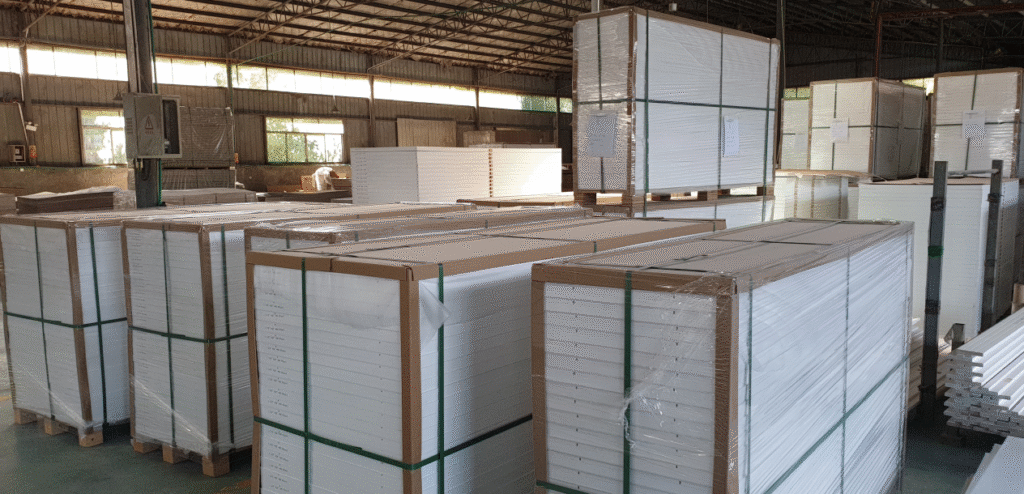
Door size selection has a direct impact on manufacturing and procurement costs. Standard door sizes benefit from mass production, optimized material usage, and predictable labor inputs, which typically results in lower unit pricing. Because these doors are produced in high volumes using established tooling, manufacturers can minimize waste and maintain consistent pricing across large orders.
In contrast, non-standard door sizes often require additional setup, engineering review, and manual production adjustments. Custom dimensions can increase material waste, reduce production efficiency, and add labor hours—factors that contribute to higher per-door costs. Even small deviations from standard widths or heights can move a door into a custom pricing category.
From a project perspective, standard doors also reduce indirect costs, such as re-measuring, coordination time, and installation adjustments. Non-standard doors, while offering design flexibility, may increase overall project cost through higher unit pricing and increased risk of rework if site conditions change.
In most cases, projects that prioritize cost efficiency and scalability benefit from standard door sizes, while non-standard doors should be reserved for locations where design requirements clearly justify the added expense.
Lead Time Implications
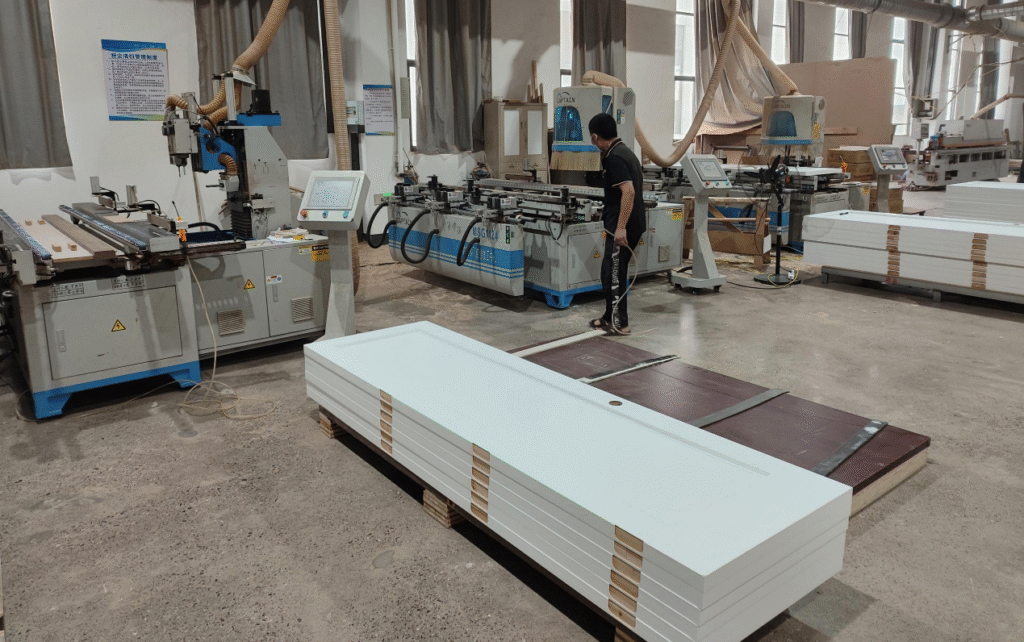
Lead time is one of the most critical differences between standard and non-standard door sizes—especially for schedule-driven construction projects. Standard door sizes are typically integrated into manufacturers’ regular production schedules, with materials, tooling, and labor already optimized. As a result, standard doors often have shorter and more predictable lead times, commonly around four to five weeks, depending on order volume and finish requirements.
Non-standard door sizes, on the other hand, usually require additional steps before production can begin. These may include engineering review, shop drawing approval, material adjustments, and production scheduling outside of standard runs. As a result, lead times for non-standard doors are generally longer, often extending to six to seven weeks or more, particularly for larger or more complex orders.
From a project management standpoint, longer lead times increase exposure to scheduling risks. Delays in door delivery can affect framing completion, finishing trades, and final inspections. For this reason, projects that rely heavily on non-standard door sizes benefit from early specification and advance ordering to avoid disruptions to the construction timeline.
Installation & Risk Considerations
Standard door sizes are designed to match common framing and hardware, making installation faster and more predictable with minimal on-site adjustments. This reduces labor time and installation risk across large projects.
Non-standard door sizes require precise field measurements and closer coordination between the factory and job site. Any framing changes or measurement errors can lead to delays, rework, or costly replacements. To reduce risk, custom door sizes should be finalized early and verified before production begins.

Frequently Asked Questions About Door Sizes
Q: What are the standard interior door sizes in the US?
A: In U.S. residential and multifamily projects, standard interior doors typically feature widths of 24″, 28″, 30″, 32″, and 36″. The standard heights are 80″ (6′-8″) or 84″ for modern homes, with a standard thickness of 1-3/8″.
Q: What are the standard exterior door sizes?
A: Standard U.S. exterior doors are usually 36″ wide to meet code requirements, though 32″ and 34″ are sometimes used. Heights are typically 80″, 84″, or 96″ for upscale homes, and they feature a thicker profile of 1-3/4″ for added structural strength and insulation.
Q: What is the lead time difference between standard and non-standard doors?
A: Standard doors generally have a faster and more predictable lead time of around five weeks. Non-standard (custom) doors require more engineering and manual production steps, extending the typical lead time to six or seven weeks.
Q: Why do non-standard door sizes cost more?
A: Non-standard doors fall outside mass-production workflows. They require customized tooling, additional engineering review, and manual production steps. This reduces manufacturing efficiency and increases material waste, resulting in higher unit costs.
Summary
There is no one-size-fits-all answer when choosing between standard and non-standard door sizes. Standard doors offer cost efficiency, shorter lead times, and lower installation risk. Non-standard doors deliver design flexibility but require careful planning to manage cost and schedule impacts.
At UWG, we manufacture both standard and non-standard interior and exterior doors, helping project teams find the right balance between performance, aesthetics, and delivery timelines. If you’re evaluating door options for an upcoming project, we’re always happy to help you assess which solution best supports your goals.
If you’d like to discuss door sizing, costs, or lead times for your next project, feel free to reach out to UWG for guidance tailored to your schedule and specifications.
Articles that you may be interested in:
Molded vs Shaker vs Shaker-Style Molded Doors: How Builders Choose in 2026
What Are the Best Budget-Friendly Molded Doors for Contractors?
Top 5 Ways to Enhance Door Soundproofing for Better Noise Control