Interior doors are often assumed to be safe from sunlight damage. In reality, UV exposure inside buildings can still affect finishes over time. We see builders and wholesalers increasingly asking whether UV resistance matters indoors—and when it should be specified.
Yes, UV resistance does matter for interior door finishes, especially in spaces with strong natural light. Sunlight entering through windows, skylights, and glass partitions can cause fading, yellowing, and surface degradation over time. UV-resistant finishes help maintain color stability, appearance, and durability, reducing maintenance issues and callbacks for builders and wholesalers in the US market.
To understand when UV resistance is truly necessary indoors, we need to look at where interior UV exposure comes from and how different finishes respond.
What causes UV exposure inside buildings?
Many people associate UV damage only with exterior doors, but indoor environments are not UV-free.
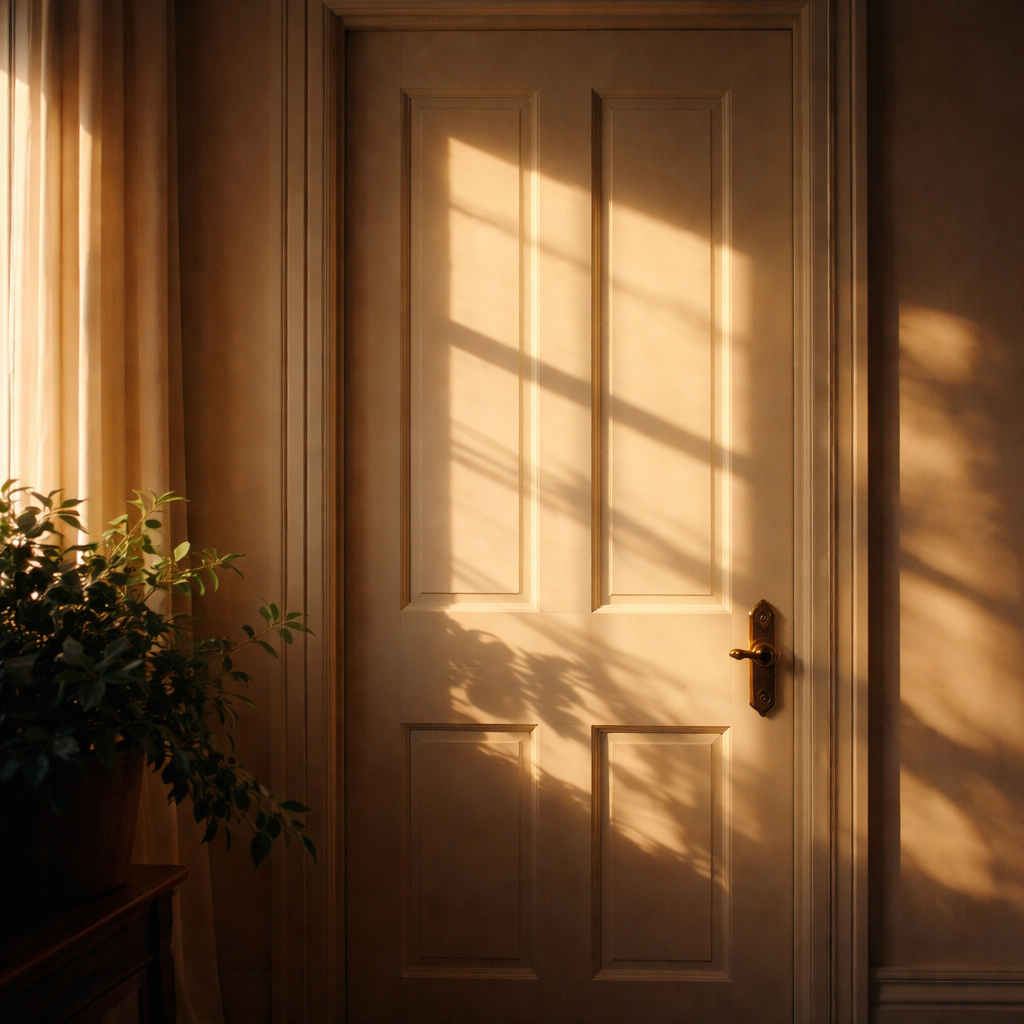
In modern US buildings, large windows, floor-to-ceiling glass, skylights, and open layouts allow significant sunlight penetration. South- and west-facing rooms receive the highest UV exposure, especially in residential projects, offices, hotels, and retail spaces.
Over time, this exposure can:
- Fade painted or stained surfaces
- Yellow clear coats
- Reduce gloss and visual consistency
For builders, this often shows up as customer complaints years after installation. For wholesalers, it affects product reputation and repeat orders.
What is the best finish for an interior door?
The “best” interior door finish depends on location, light exposure, and performance expectations.
Common interior finishes include:
- Painted finishes (satin or semi-gloss)
- Veneer doors with clear coatings
- Laminated or composite surfaces
Standard finishes perform well in low-light areas. However, in sun-exposed interiors, finishes with UV absorbers or stabilizers perform noticeably better.
We often recommend considering UV cured finish for wood in projects where consistency and longevity matter. These finishes are factory-controlled and offer uniform protection that field-applied coatings often lack.
What is the best paint for doors in direct sunlight?
For interior doors installed near windows or glass walls, paint selection becomes critical.
In the US market, acrylic latex paints with UV inhibitors are widely accepted for interior use. These paints resist pigment breakdown better than basic formulations and help slow fading.
Key considerations for builders include:
- Light colors fade less noticeably than dark tones
- Semi-gloss finishes hold up better than flat finishes
- UV-resistant additives extend repaint cycles
From a wholesale perspective, offering doors pre-finished with UV-enhanced coatings reduces on-site variability and improves customer satisfaction.
What is the best wood finish for sun exposure?
Natural wood doors are especially sensitive to UV light. Even indoors, sunlight can darken or bleach wood unevenly.
Clear coatings with UV absorbers help protect the wood surface while maintaining its natural appearance. This is where best UV cured wood finish solutions stand out. UV-cured coatings form a dense, durable layer that slows UV penetration and minimizes color change.
While no finish completely stops UV effects, the right coating significantly extends the door’s visual life.
What is the best door for full sun exposure?
Finish performance is closely tied to door material.
In high-UV interior areas, better results come from combining:
- Stable door cores
- Quality surface materials
- UV-resistant finishes
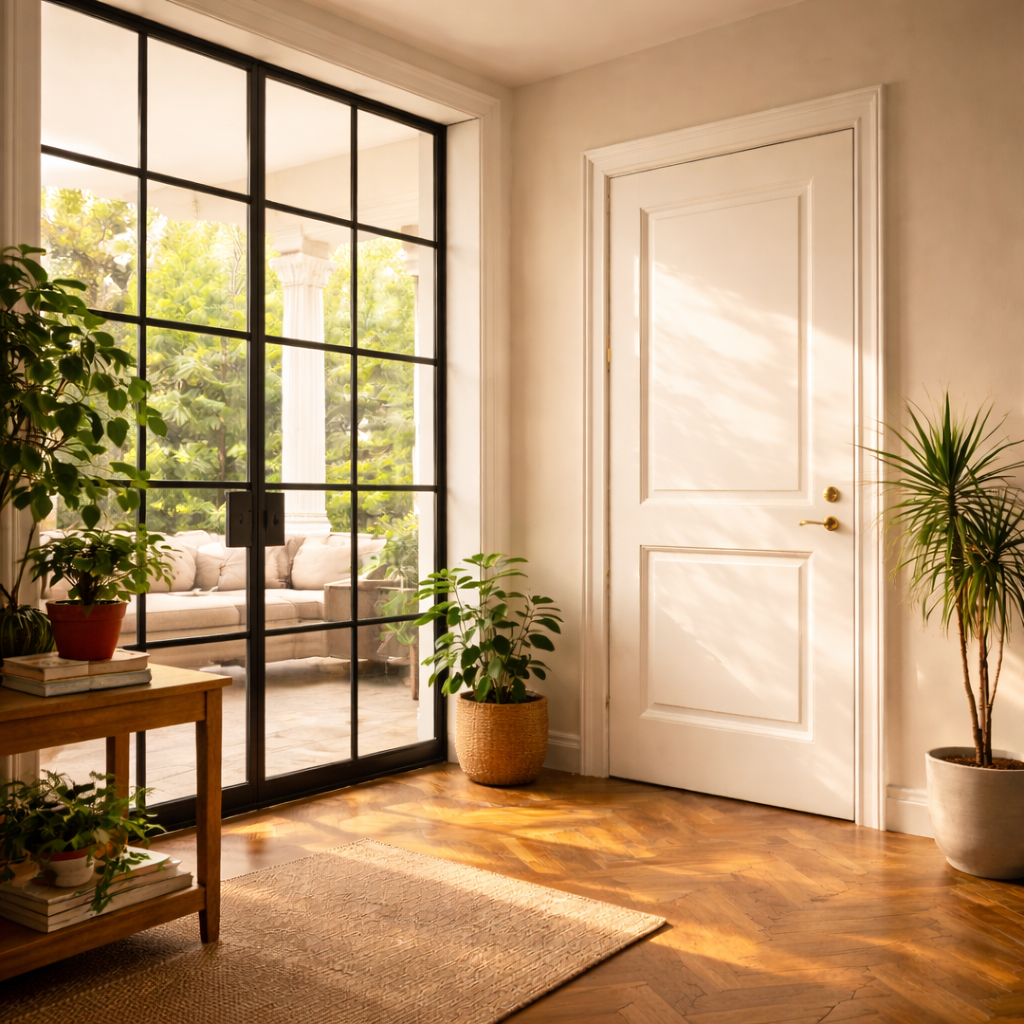
Engineered wood doors with factory-applied UV coatings outperform solid wood doors finished on site. When doors are installed near glass walls or atriums, this combination reduces warping, fading, and warranty claims.
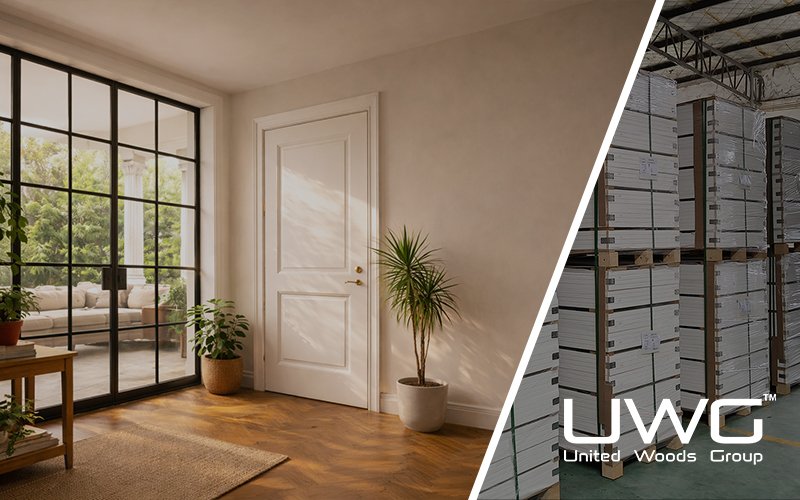
Image: Interior door installed beside a large glass partition
What are UV-cured finishes and why are they used indoors?
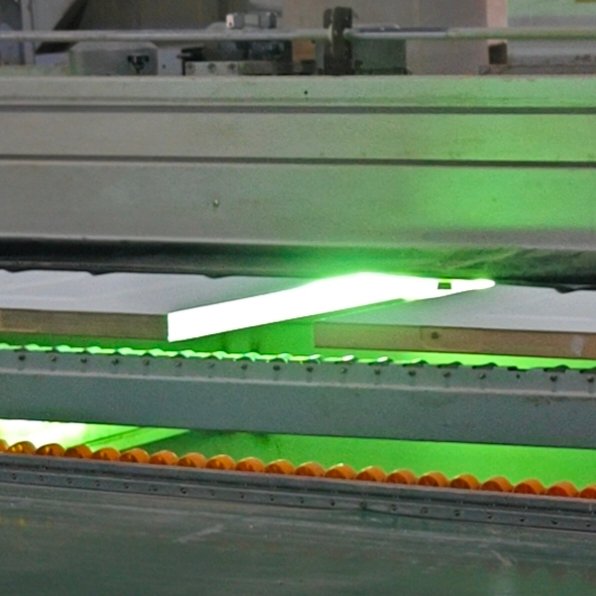
UV-cured finishes are coatings hardened instantly using ultraviolet light in a controlled factory environment.
Key advantages include:
- Fast curing and consistent quality
- High surface hardness
- Excellent chemical and wear resistance
- Improved UV stability
Manufacturers rely on UV cure finish systems because they deliver repeatable results. Advanced UV wood finishing equipment ensures even coating thickness and proper curing, which is difficult to achieve on site.
Image: UV curing line in a door manufacturing facility
Are UV curable paints used for interior doors?
Yes, UV curable paint is increasingly used for interior doors, frames, and components.
These coatings are common on:
- Painted MDF doors
- Metal frames and trims
- Commercial interior systems
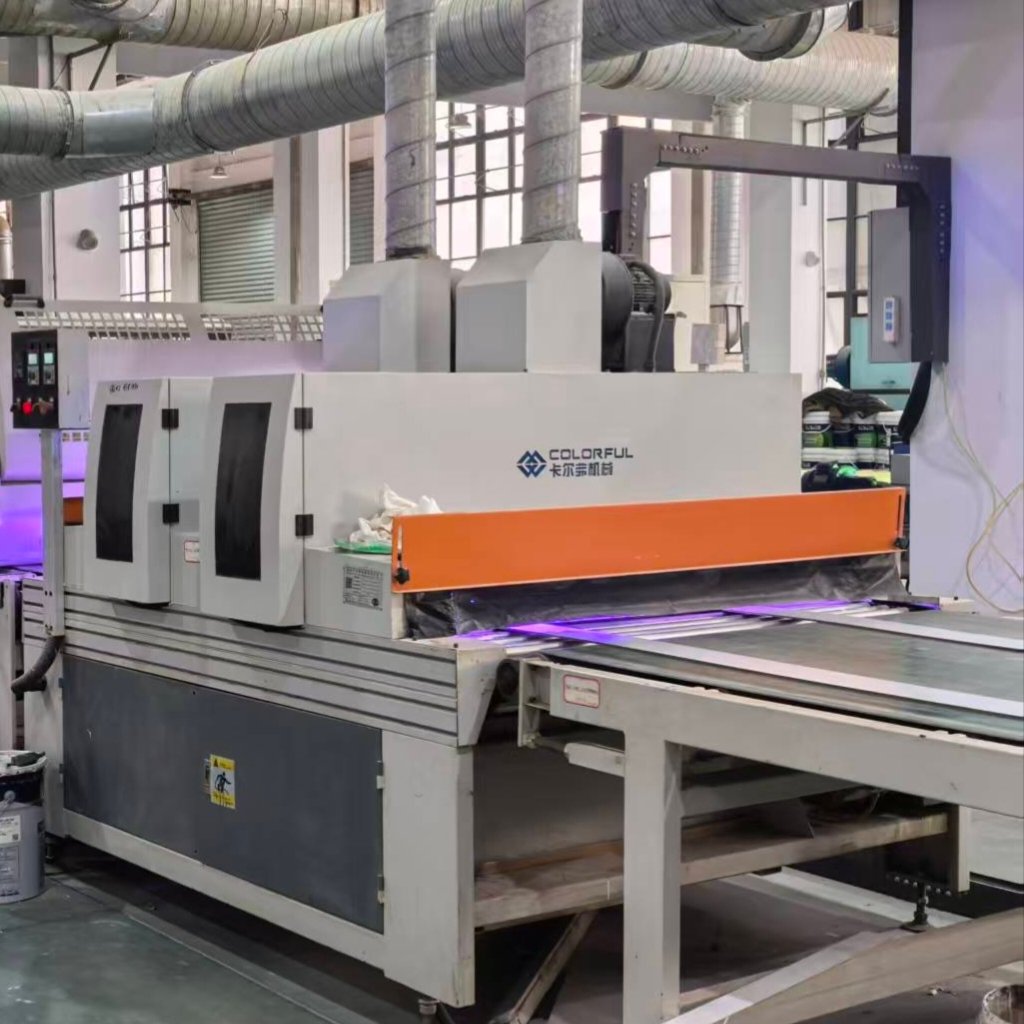
UV curable paint for metal is especially valuable for interior door frames exposed to sunlight, offering excellent adhesion and long-term color stability. UV-curable systems also support faster production and lower defect rates.
Image: Factory application of UV-curable paint on interior door components
Summary
UV resistance in interior door finishes does matter when sunlight is present. For builders and wholesalers, specifying UV-resistant or UV-cured finishes improves long-term appearance, reduces maintenance issues, and delivers more reliable performance in modern, light-filled interior spaces.
Articles that you may be interested in:
Standard vs Non-Standard Door Sizes: Cost and Lead Time Implications
Painted vs Stained Interior Doors: How to Choose the Right Finish
Molded vs Shaker vs Shaker-Style Molded Doors: How Builders Choose in 2026