Introduction
In real-world construction, builders work with drawings, specifications, and assumed dimensions, but on-site conditions often tell a different story. Changes in framing methods, added insulation, finishes, or renovation layers can all affect wall depth. When wall thickness varies from standard assumptions, door installation becomes more complex. Issues such as misaligned frames, poor reveals, additional trim work, and even long-term performance failures can occur. By understanding how wall thickness variations affect door installation, builders can plan more accurately, reduce rework, and deliver a higher-quality finished product.
Wall thickness variations affect door installation by altering jamb depth, frame positioning, door swing clearance, and the integration of air and water barriers. Thicker or thinner walls often require custom jambs, door jamb extensions, or modified installation techniques. If these variations are not addressed during planning and installation, builders may face operational issues, aesthetic inconsistencies, increased labor costs, and long-term performance problems such as air leakage and frame movement.
With the core impact clearly defined, it’s important to address the most common questions builders ask before examining the technical details and on-site solutions in depth.
Understanding Wall Thickness Variations in Construction
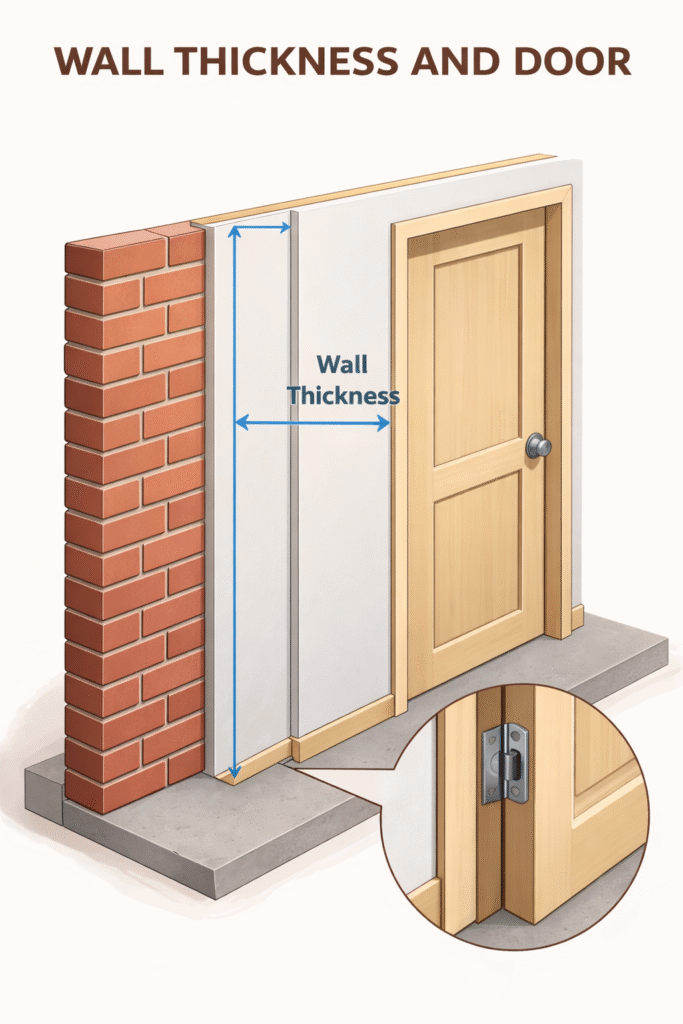
Wall thickness varies due to many factors, including framing size, sheathing layers, insulation systems, and interior and exterior finishes. Exterior walls are often thicker than interior walls, especially in energy-efficient or commercial buildings. Load-bearing walls may also differ from partition walls.
In renovation projects, wall thickness is even less predictable. Added drywall layers, plaster repairs, or retrofitted insulation can significantly alter dimensions. Builders who rely solely on drawings without verifying actual wall thickness often encounter installation surprises that affect door fit and finish.
Does door thickness matter when replacing a door?
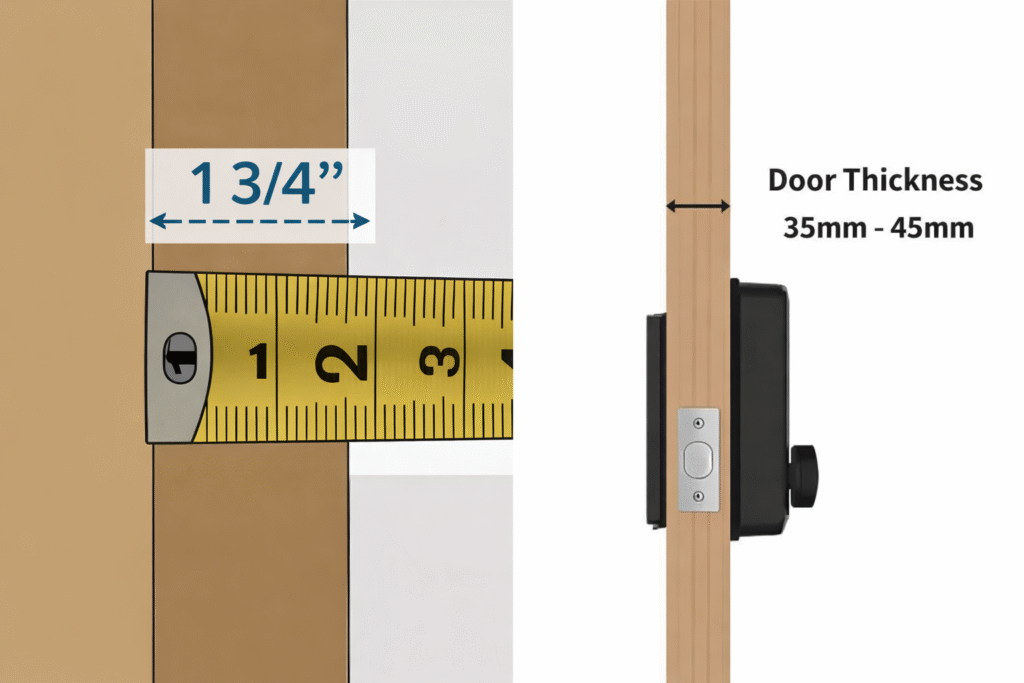
Door thickness plays a critical role in both function and appearance. When replacing a door, even small differences in thickness can affect hinge alignment, latch operation, and how the door sits within the frame. I’ve seen thinner replacement doors cause loose hinge screws and visible gaps, while thicker doors may rub against the frame or sit proud of surrounding finishes.
From a builder’s perspective, matching door thickness to the existing frame and wall assembly helps avoid unnecessary adjustments. It also ensures smoother operation and a cleaner finished look, especially when working within existing wall constraints.
Does internal door thickness matter?
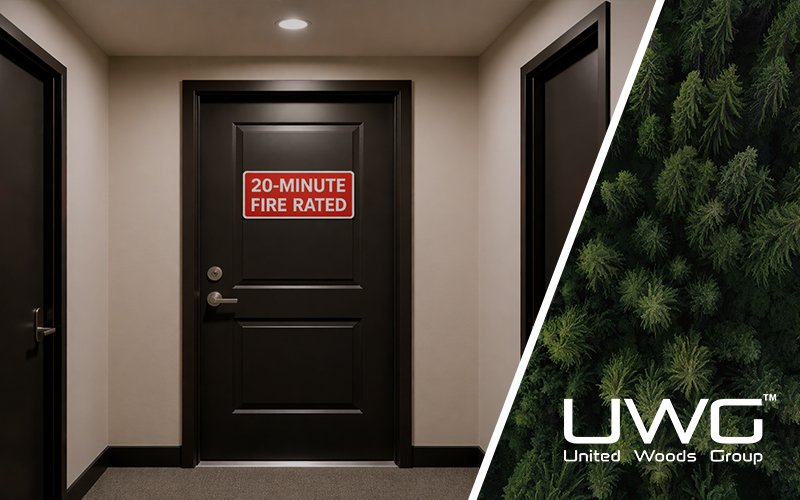
Internal door thickness is often overlooked, but it matters more than many builders expect. Standard interior doors are thinner and designed for typical wall assemblies. Fire-rated or acoustic doors, however, are significantly thicker and must be installed within compatible frames.
When internal walls are thicker than standard, internal doors may require deeper jambs or extensions to maintain proper alignment and trim detail. Failing to account for this can result in inconsistent finishes and inspection issues.
How does door thickness affect door cost?
Door thickness directly impacts cost in several ways. Thicker doors require more material, which increases manufacturing costs. Installation costs also rise, as thicker doors may need heavier hardware, reinforced frames, or modified jambs. In some cases, thicker doors lead to longer installation times due to additional fitting and adjustment.
However, thicker doors may offer benefits such as improved durability, sound control, or thermal performance. Builders must balance initial costs with long-term value, particularly for exterior or high-use doors.
Wall Too Thick for a Prehung Door: A Common Site Issue
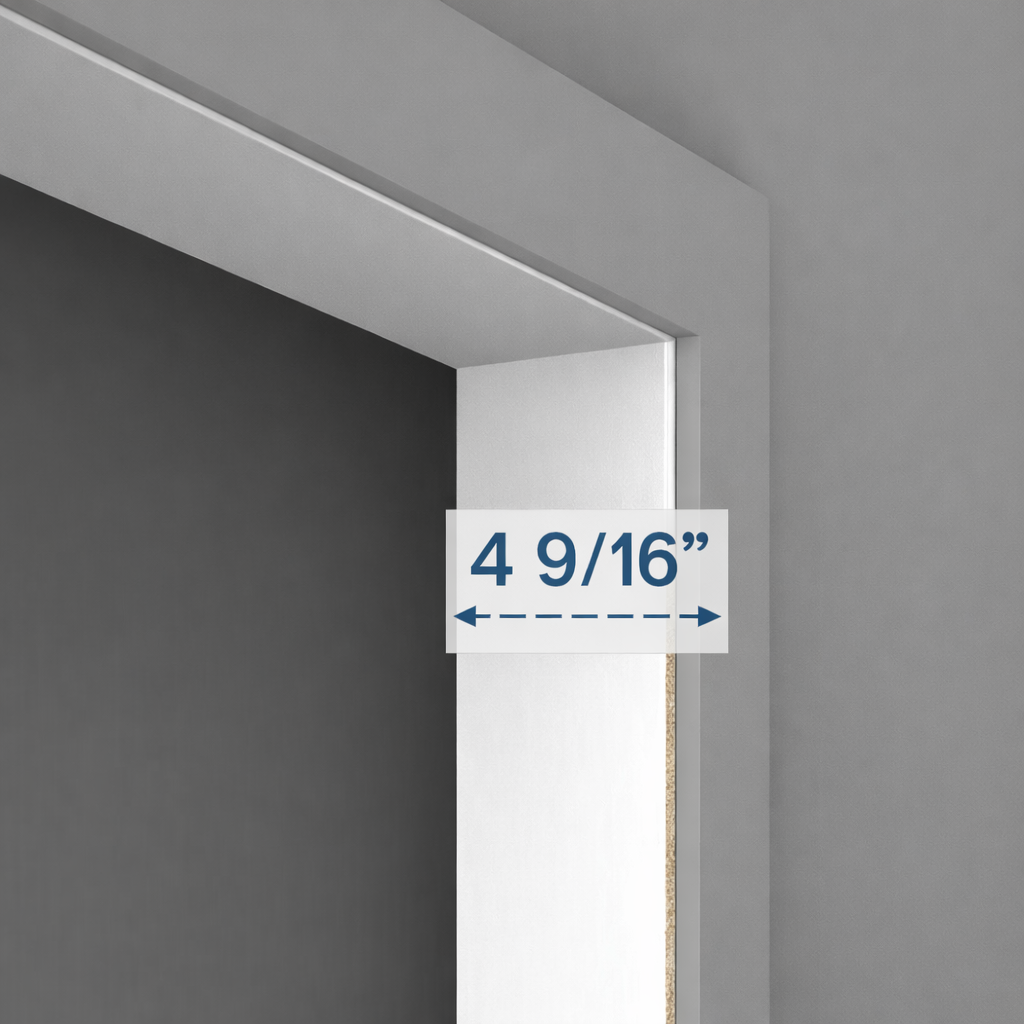
A wall that is too thick for a prehung door is one of the most frequent problems on-site. Standard prehung doors are manufactured based on assumed wall depths. When walls exceed those dimensions, the jamb does not fully cover the wall thickness, leaving unfinished edges exposed.
This situation forces builders to choose between jamb extensions, repositioning the door, or ordering custom components. Each option has cost, time, and aesthetic implications. Addressing wall thickness early helps builders select the most efficient solution.
Thick Wall Door Frames and Exterior Door Installations
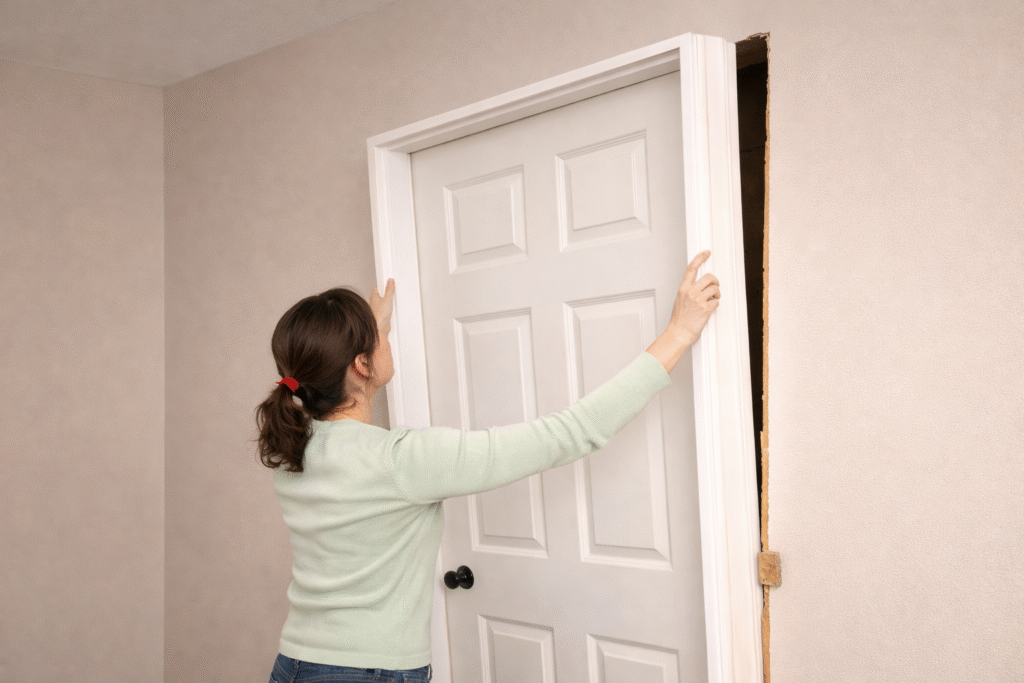
Exterior doors installed in thick walls introduce additional complexity. A thick wall door frame must accommodate insulation layers, structural framing, and weatherproofing systems. Builders must carefully coordinate door placement with flashing, WRB, and air barrier continuity.
For example, installing an exterior door for an 8-inch wall requires decisions about whether the door should align closer to the interior or exterior plane. Incorrect placement can lead to water intrusion, thermal bridging, or poor door operation over time.
Placeholder resource: Exterior door manufacturer installation guidelines for thick wall assemblies
How Wall Thickness Variations Affect Door Performance
Wall thickness variations can affect long-term door performance. Improperly supported frames may shift over time, causing doors to sag, bind, or fail to latch properly. Uneven wall depths can also place stress on hinges and hardware.
From my experience, doors that are forced to compensate for wall thickness issues often show problems months or years after installation. Addressing wall depth correctly at the start helps maintain consistent performance and reduces maintenance issues.
Finishing Challenges Caused by Wall Thickness Differences
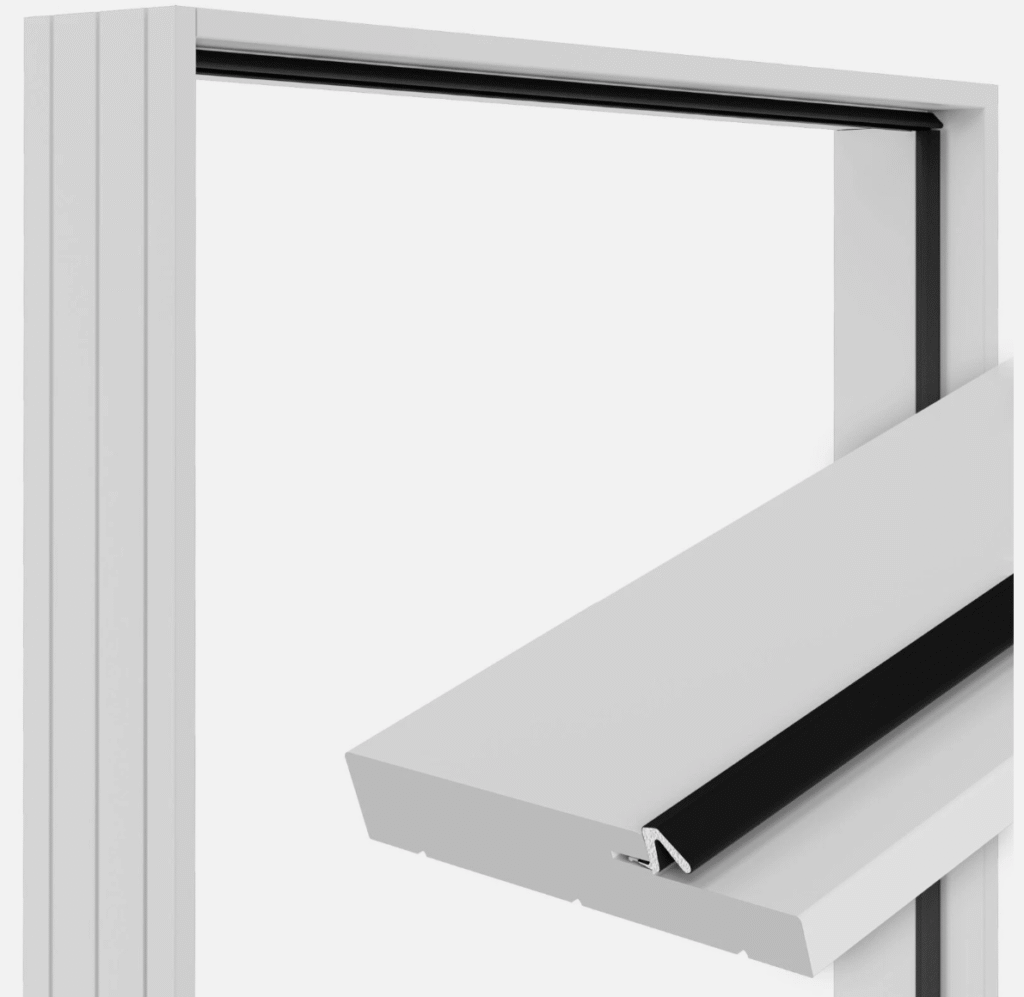
Finish work often reveals the consequences of poor planning. When jamb depth does not match wall thickness, trim must compensate, leading to oversized casing or awkward filler pieces. These visual issues are especially noticeable in high-end residential or commercial projects.
Builders focused on quality workmanship should treat wall thickness as a key finishing consideration. Proper alignment between jambs, walls, and trim creates clean lines and professional results.
Renovation vs New Construction Considerations
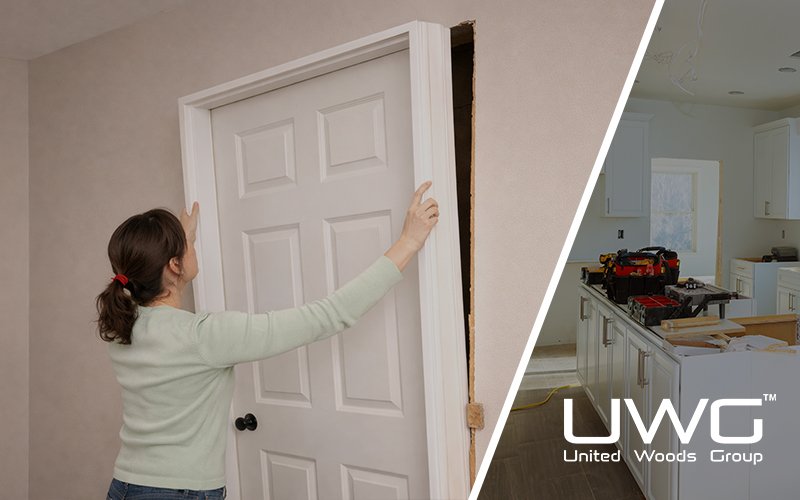
In new construction, wall thickness can usually be planned and coordinated across trades. In renovations, however, conditions are rarely consistent. I always recommend measuring wall thickness after demolition and before ordering doors.
Many builders share similar experiences in online discussions such as “how wall thickness variations affect door installation reddit”, which highlights how common these issues are. Verifying dimensions early is one of the simplest ways to avoid costly mistakes.
Professional Advice for Builders
Based on field experience, I recommend builders follow these professional practices:
- Measure wall thickness after finishes are finalized
- Confirm jamb depth with door suppliers before ordering
- Use custom jambs for significant wall variations
- Install jamb extensions carefully to maintain clean reveals
- Coordinate door placement with air and water barrier systems
These steps help builders reduce rework, control costs, and deliver doors that perform well over time.
Summary
Wall thickness variations significantly affect door installation, from initial fit to long-term performance. By understanding wall assemblies, planning for non-standard conditions, and using proper solutions such as custom frames or jamb extensions, builders can avoid common problems and achieve consistent, professional results.
Articles that you may be interested in:
Door Tolerances & Gaps: What Builders Often Overlook