If you’ve worked on enough construction projects, you’ve probably noticed a frustrating pattern. Interior doors are rarely the first item anyone worries about, yet they are often the last thing holding up completion. For builders, this delay is especially painful because it happens at the end of the schedule, when pressure is highest. Owners are expecting turnover, trades are stacked, and margins are already tight. What makes interior door delays so frustrating is that they feel unnecessary. The reality is that interior doors arrive late not because they are insignificant, but because they are misunderstood.
Interior doors arrive late on construction projects because they are typically ordered too late, their true lead times are underestimated, and they require more upfront coordination than builders expect. Custom specifications, unfinished design decisions, slow shop drawing approvals, and incomplete ordering information all delay production. As a result, interior doors frequently become a critical-path item instead of a simple finishing product.
From the outside, interior door delays look like a supply issue. In practice, they are almost always the result of early planning decisions — or the lack of them — that only become visible when the project is already close to completion.
Why do interior doors delay construction projects so often?
Interior doors delay construction projects because they depend on more finalized information than most other interior finishes. Doors are not generic components that can be swapped in at the last minute. They rely on confirmed wall thicknesses, finished floor heights, hardware schedules, fire or sound ratings, and exact swing directions.
When even one of these variables is unresolved, suppliers cannot move forward. Builders often assume doors can be ordered once framing is complete, but by then, any delay immediately impacts the final schedule. Unlike early-phase materials, there is no buffer left to absorb mistakes.
In short, doors delay projects because they demand early decisions — and construction projects are full of late ones.
Why interior doors have longer lead times than expected
Many builders underestimate door lead times because they compare them to trim, hardware, or drywall. Interior doors, however, are manufactured products. Even “standard” doors are often custom-sized, factory-finished, or produced in coordinated batches.
Production schedules are fixed weeks in advance. If a project misses its slot, it does not simply move to the next day — it moves to the next production window. That single slip can add weeks to the schedule.
Once this happens, the builder is no longer waiting on delivery. They are waiting on an entire manufacturing cycle to restart.
Why interior doors are ordered too late on most projects
A common mindset on job sites is that doors come after framing, drywall, and paint. While doors are installed late, they must be ordered early. Confusing installation timing with ordering timing is one of the most expensive scheduling mistakes builders make.
By the time framing is complete, most of the schedule flexibility has already been used. Any delay in door ordering immediately impacts the end date. This is why builders frequently search phrases like “why do interior doors arrive late on construction projects reddit” — the problem feels widespread because it is rooted in a shared assumption.
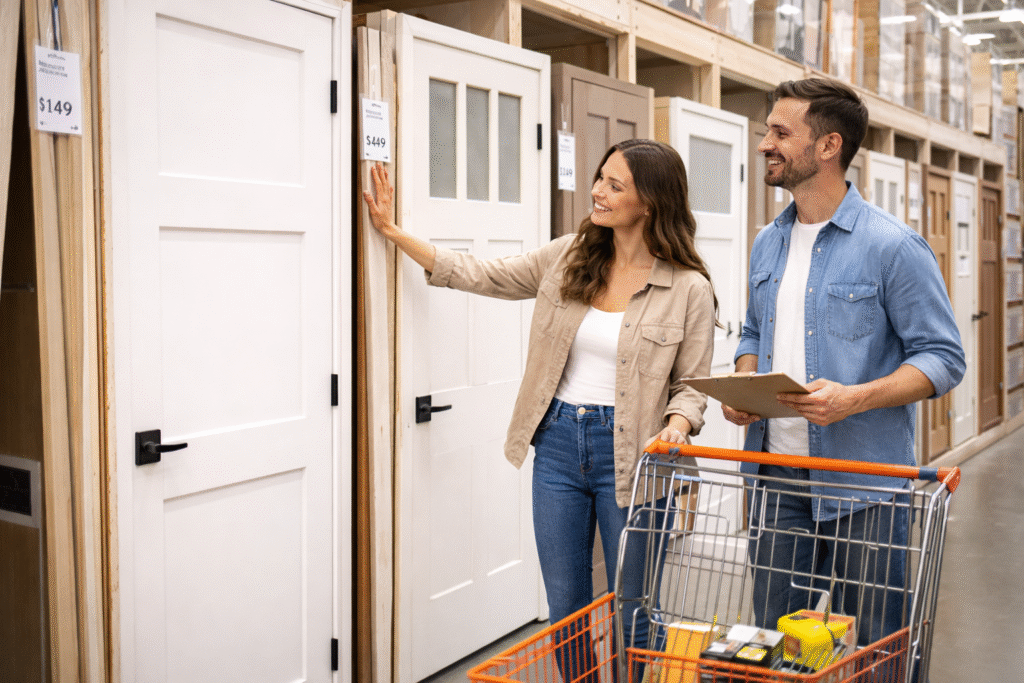
How custom interior doors create scheduling risk
Custom interior doors increase risk because they reduce tolerance for error. Non-standard heights, special finishes, unique profiles, or matching doors across multiple phases all add complexity.
Each custom feature requires additional verification, approvals, and coordination. A single late design change can force a full revision of shop drawings or production schedules. When that happens, the clock resets.
What starts as a minor aesthetic decision can quietly become a multi-week delay.
How wrong door takeoffs cause weeks of delay
Incorrect takeoffs are another frequent cause of late doors. Errors such as incorrect rough openings, wrong swing directions, missing ratings, or inconsistent hardware sets often require rework.
When discovered early, these mistakes are manageable. When discovered late, they can require revised drawings, new pricing, and resubmission to production. Even if materials are available, the administrative reset alone can add weeks.
These errors are especially damaging because they usually occur quietly, without visible warning signs.
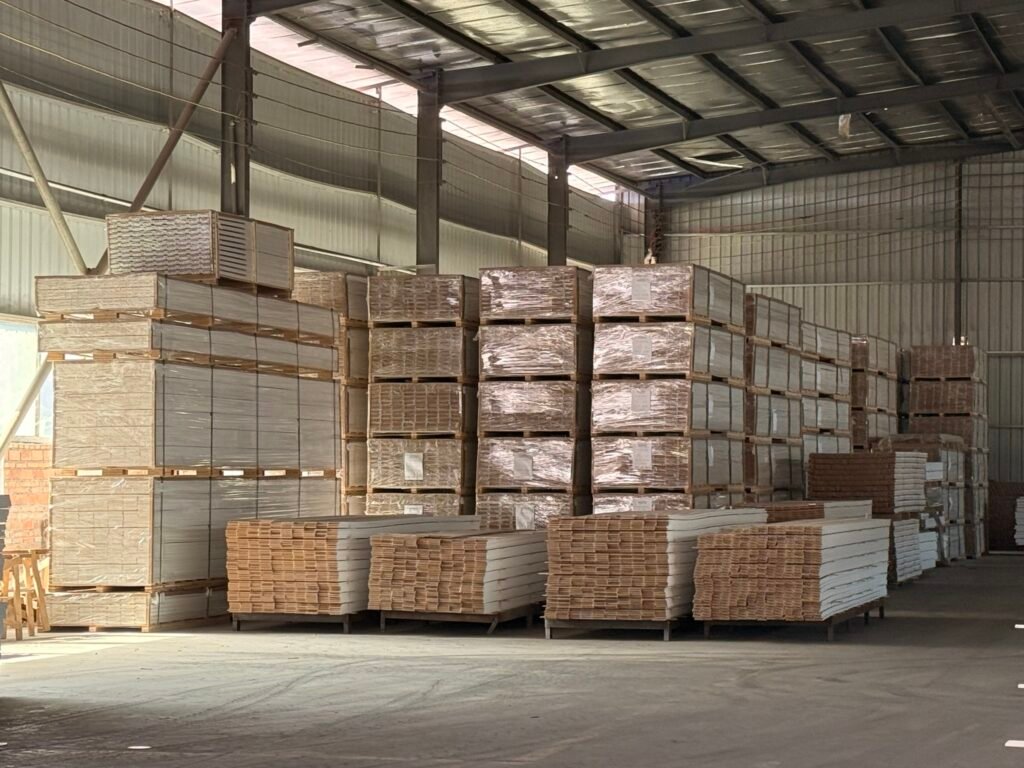
Why interior doors become a critical-path item
Interior doors impact far more than their own installation. Without doors, hardware cannot be installed, final painting is delayed, punch lists remain open, and inspections cannot be completed.
At the end of a project, schedules are tight and trades are stacked. There is no room to recover lost time. This is why doors often feel like the final obstacle — because they truly are.
Once doors fall behind, the entire project follows.
Professional Advice for Builders
Order interior doors earlier than feels comfortable
If ordering doors feels early, it usually means you are doing it right. Doors should be released as soon as specifications are reasonably stable, not when everything is perfect.
Waiting for complete certainty almost always costs more time than it saves. Early orders create schedule protection, even if minor adjustments are needed later.
Provide suppliers with complete information upfront
Suppliers can only move as fast as the information they receive. Incomplete specs, missing schedules, or unclear priorities force production to stop and restart.
Clear communication, fast approvals, and realistic timelines keep door orders moving smoothly through the system.
Treat interior doors as high-risk materials
Interior doors should be managed like windows, elevators, or curtain wall systems — not like trim. Track them closely, build buffer into the schedule, and follow up regularly.
Builders who do this rarely find themselves searching “contractor taking too long reddit” — because their projects are not the ones falling behind.
Summary
Interior doors arrive late on so many construction projects because they are planned too casually for how complex they really are. They are not simple finish items, but coordinated, manufactured products with real lead times and real risks. When builders recognize this early and plan accordingly, interior doors stop being the reason projects miss the finish line.
Articles that you may be interested in:
Choosing the Right Interior Door for a 2×6 Wall: A Builder’s Guide
Trendy Interior Door Paint Colors for 2025
Matte or Satin Finish: Choosing the Right Paint for Interior Doors