Introduction
In today’s construction and remodeling market, builders are under increasing pressure to deliver projects faster, control costs more tightly, and meet evolving design preferences. One noticeable trend across residential and multi-family developments is the growing demand for simpler door profiles. From flat-panel slab doors to clean Shaker-style designs, minimalistic door aesthetics are becoming the default choice in many new builds.
But why are simpler door profiles gaining popularity among builders? The answer lies in a combination of cost efficiency, construction practicality, design versatility, supply chain advantages, and alignment with modern architectural trends. This article explores the key reasons behind this shift and what it means for builders, developers, and suppliers.
Simpler door profiles are gaining popularity among builders because they reduce production costs, simplify installation, improve supply chain efficiency, and align with modern design trends. Clean lines and minimal detailing make them versatile across residential and commercial projects, while also minimizing finishing defects and maintenance issues. For builders focused on speed, scalability, and budget control, simple door designs offer practical advantages without compromising aesthetic appeal.

Cost Efficiency in Large-Scale Construction
One of the primary reasons simpler door profiles are increasingly preferred is cost control. In high-volume residential developments and multi-unit projects, even small cost differences per door can significantly impact the total project budget.
Lower Manufacturing Costs
Simpler profiles typically involve:
- Fewer machining steps
- Less intricate routing
- Reduced labor time
- Lower tooling complexity
Flat-panel or basic Shaker doors, for example, require fewer processing stages than ornate raised-panel or heavily molded designs. This translates into lower production costs, which builders can leverage to stay competitive.
Reduced Finishing Expenses
Doors with complex moldings often require:
- Additional sanding
- Careful paint or stain application
- More quality inspection time
Simpler door profiles reduce finishing inconsistencies, which means fewer reworks and faster turnaround times.

Faster Installation and On-Site Efficiency
Time is money in construction. Builders value products that simplify workflow and reduce on-site delays.
Easier Handling and Alignment
Minimalist door designs typically:
- Have flatter surfaces
- Present fewer alignment challenges
- Require less precision fitting around decorative details
This speeds up installation and reduces labor hours per unit.
Lower Risk of Damage
Intricate profiles are more vulnerable to:
- Edge chipping
- Paint cracking in grooves
- Handling damage during transport
Simple slab or clean-line doors are structurally more resilient, leading to fewer replacement costs and less site waste.
Alignment with Modern Architectural Trends
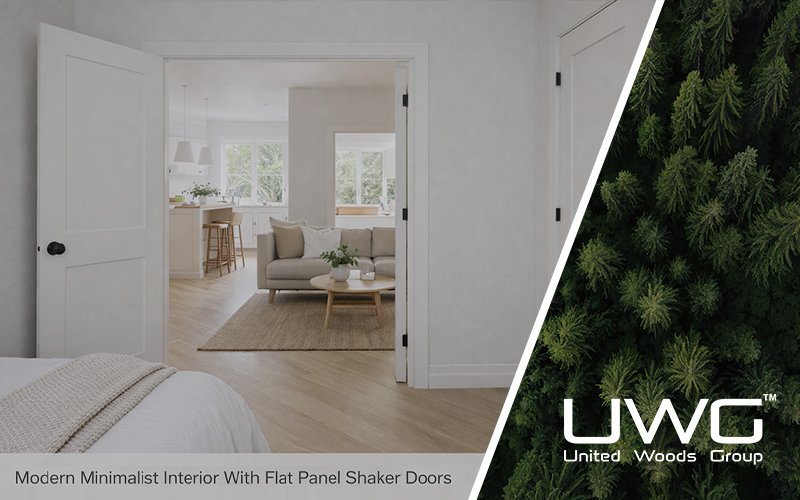
Design trends have shifted significantly in the past decade. Modern, transitional, and Scandinavian-inspired interiors emphasize simplicity, clean lines, and minimal ornamentation.
Clean Aesthetics Appeal to Buyers
Homebuyers increasingly prefer:
- Neutral palettes
- Smooth surfaces
- Minimal detailing
Simple door profiles complement contemporary flooring, cabinetry, and wall treatments. They provide a subtle backdrop that enhances overall interior cohesion.
Versatility Across Styles
One key advantage of simpler door designs is adaptability. A basic Shaker or slab door can fit into:
- Modern homes
- Transitional interiors
- Farmhouse-inspired spaces
- Multi-family rental projects
Builders benefit from using a standardized door profile across multiple project types.

Supply Chain and Inventory Advantages
In today’s construction environment, supply chain reliability is critical.
Easier to Stock and Standardize
Simpler door profiles allow manufacturers and distributors to:
- Maintain standardized SKUs
- Reduce inventory complexity
- Streamline logistics
This makes it easier for builders to reorder matching doors or scale up projects without extended lead times.
Faster Production Cycles
Because simpler designs require fewer production stages, factories can:
- Produce larger volumes quickly
- Maintain consistent quality
- Reduce lead time variability
For builders operating under tight project schedules, predictable supply is a major advantage.
Reduced Maintenance and Long-Term Durability
Builders and developers are increasingly focused on lifecycle performance, not just initial installation.
Easier to Clean
Doors with deep grooves and ornate carvings:
- Accumulate dust
- Are harder to wipe down
- Show wear more visibly
Flat or minimally detailed surfaces are easier to maintain, especially in rental units, hospitality settings, and high-traffic environments.
Lower Risk of Finish Cracking
Complex profiles are more prone to:
- Paint cracking at joints
- Stress fractures in sharp corners
Simpler profiles distribute structural stress more evenly and reduce long-term cosmetic issues.
Better Compatibility with Engineered Materials
Modern construction frequently uses engineered wood products, MDF, HDF, and composite materials. Simpler door designs are better suited to these materials.
Improved Stability
Intricate carvings in engineered materials can increase:
- Edge fragility
- Moisture vulnerability
Simpler routing patterns preserve structural integrity and enhance dimensional stability.
Optimized for Modern Finishes
Flat or lightly detailed doors perform well with:
- UV-cured coatings
- Laminates
- Veneers
- Painted finishes
This flexibility supports both cost-effective and premium product lines.
Sustainability and Waste Reduction
Sustainability is becoming a central focus in building practices.
Simpler door profiles:
- Generate less material waste during machining
- Require less energy-intensive processing
- Minimize rework due to finishing defects
By reducing manufacturing complexity, builders indirectly support more sustainable supply chains.
Market Scalability and Standardization
For large developers and production builders, scalability matters.
Using simpler door profiles enables:
- Standardized design packages
- Easier value engineering
- Faster model home replication
- Simplified procurement processes
When building dozens or hundreds of units, standardized minimal door designs streamline decision-making and reduce change orders.
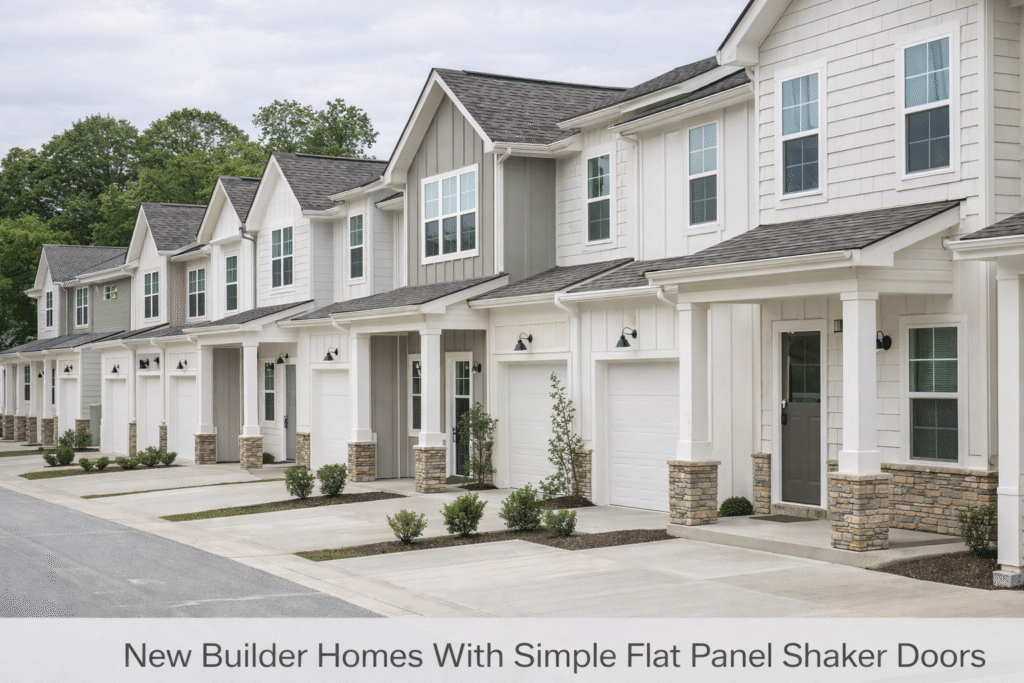
Conclusion
The growing popularity of simpler door profiles among builders is not just a passing design trend. It reflects a broader shift toward efficiency, cost control, modern aesthetics, and supply chain reliability. Simple door designs offer practical benefits in manufacturing, installation, durability, and scalability—while still meeting the expectations of today’s homeowners and developers.
As construction timelines tighten and design preferences continue to favor clean, contemporary spaces, simpler door profiles are likely to remain a dominant choice in both residential and commercial building projects. For builders focused on balancing quality, speed, and profitability, simplicity is proving to be a strategic advantage rather than a compromise.