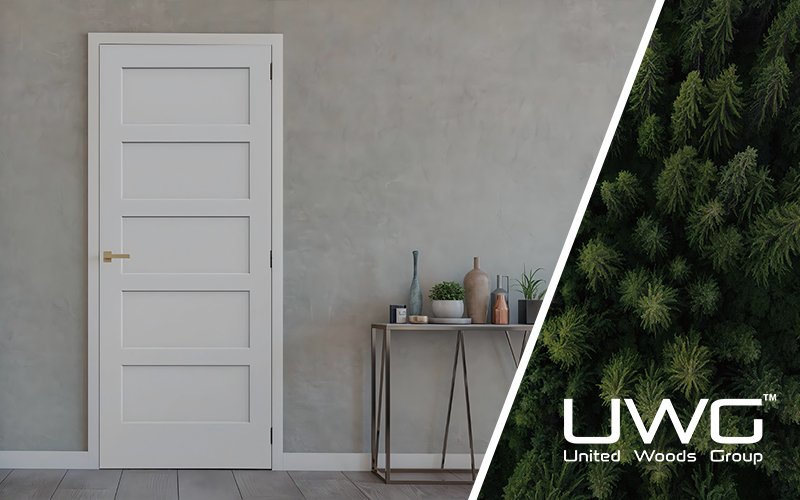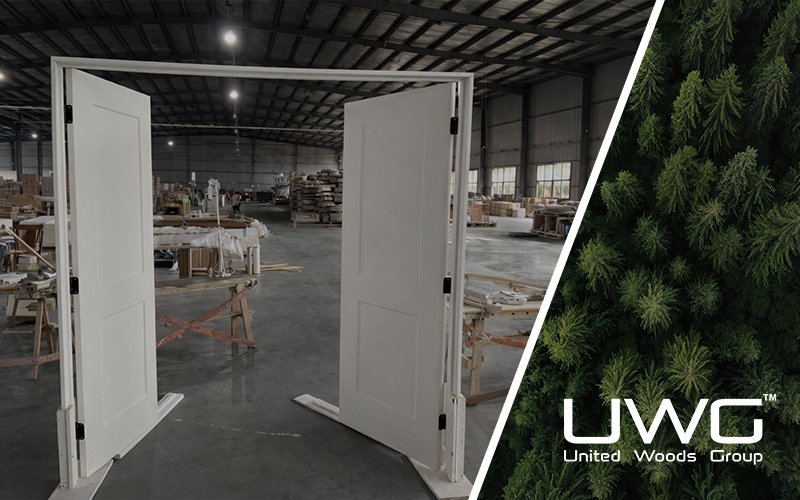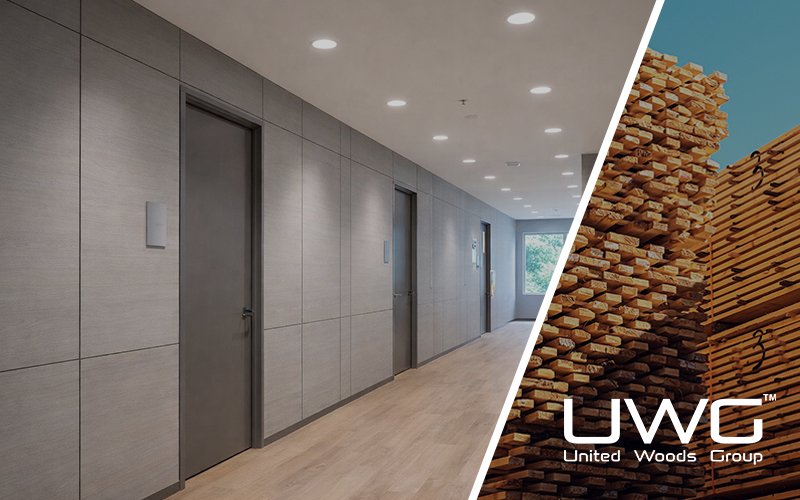
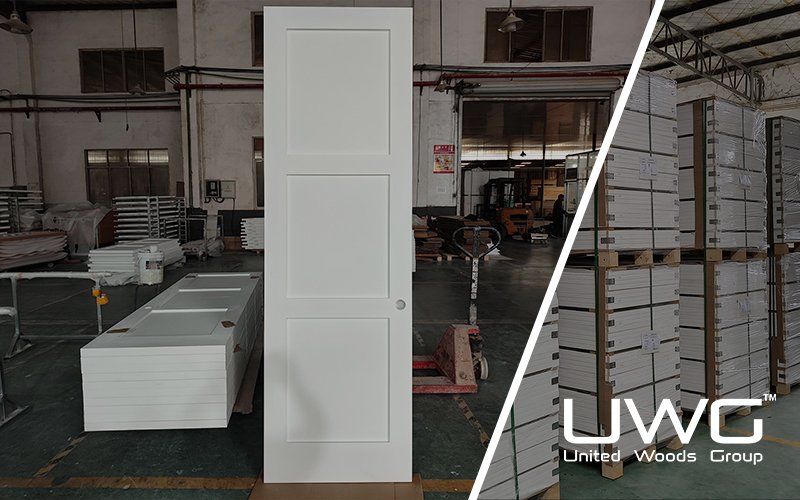
Shaker doors are one of the most widely used interior door styles in modern residential construction and renovation projects. Known for their clean lines, recessed center panels, and minimalist design, Shaker doors are commonly installed in apartments, single-family homes, and contemporary interior spaces. Their simple yet elegant structure allows them to fit seamlessly into both traditional and modern architectural styles.
Although Shaker doors appear visually simple, their construction involves several technical considerations that influence both appearance and performance. One important detail that builders, developers, and distributors often ask about is door panel thickness.
In professional door manufacturing, panel thickness is not chosen randomly. It is usually determined by the relationship between door height, overall door thickness, material stability, and structural balance. Selecting the correct panel thickness ensures that the door maintains durability, stability, and a consistent appearance over time.
In this article, we will explain what Shaker doors are, how they are manufactured, the most common panel thickness standards, the materials used for panels, and how to choose the most suitable Shaker door panel thickness for your project.
What Is a Shaker Door?
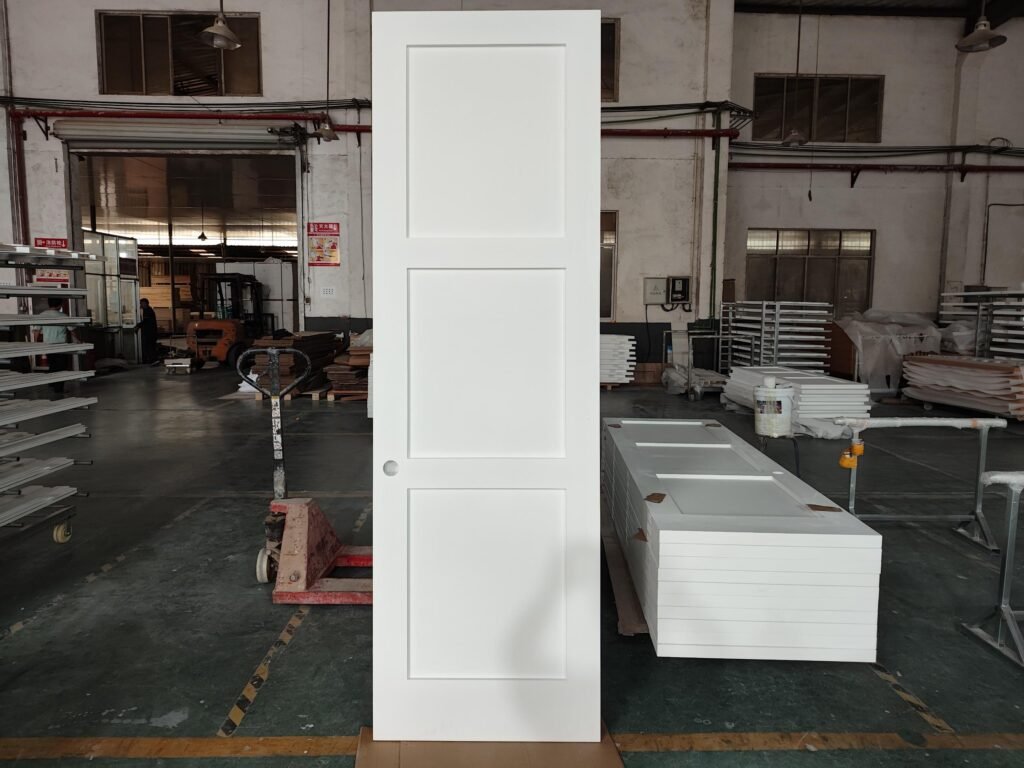
A Shaker door is a door style characterized by a flat recessed center panel surrounded by a simple frame structure. The design originated from the Shaker religious community in the 18th century, which emphasized simplicity, functionality, and craftsmanship.
Unlike traditional raised-panel doors that feature decorative carvings, Shaker doors focus on clean geometry and balanced proportions. Because of this minimalist aesthetic, Shaker doors have become extremely popular in modern architecture and interior design.
They are widely used in:
- residential homes
- apartments and condominiums
- office interiors
- renovation and remodeling projects
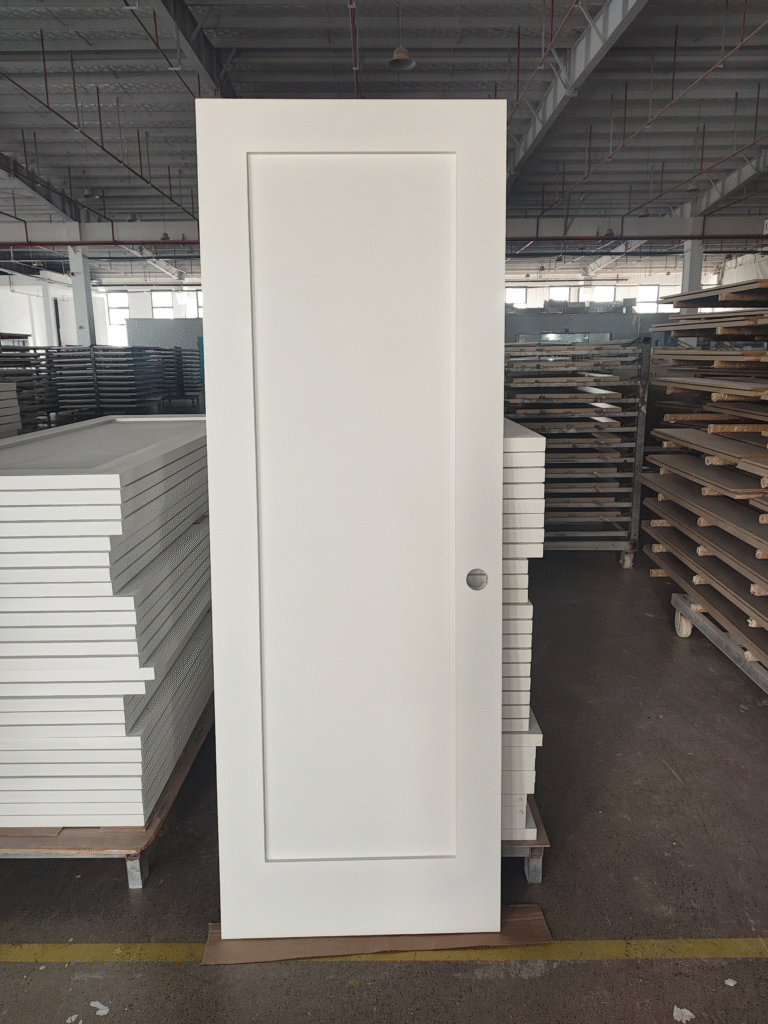
The structure of a Shaker door consists of three main components:
Stiles – the vertical structural elements on both sides of the door
Rails – the horizontal components that connect the frame
Center Panel – the recessed flat panel positioned inside the frame
This frame-and-panel construction gives Shaker doors their distinctive appearance while also allowing flexibility in panel thickness and material selection.
Shaker Door Manufacturing Process
Although Shaker doors look simple, their production involves several carefully controlled manufacturing steps.
First, the door frame components (stiles and rails) are manufactured using engineered wood or solid wood materials. These components are precisely machined to include grooves designed to hold the center panel securely.
Next, the center panel is produced separately. The panel is then inserted into the grooves of the rails and stiles during the assembly process.
Because the center panel is positioned inside these grooves, manufacturers can adjust panel thickness during production without changing the overall door design.
After assembly, the door typically goes through several finishing processes such as:
- sanding
- priming
- painting or laminating
In large residential construction projects, manufacturers often standardize panel thickness to maintain consistent production quality and simplify installation.
Why Panel Thickness Matters in Door Construction
Panel thickness plays an important role in determining the strength, durability, and visual quality of a Shaker door.
Structural Strength
Thicker panels provide stronger structural support. They are less likely to bend, warp, or deform over time, especially in taller doors such as 96-inch interior doors.
Durability and Impact Resistance
Doors experience daily wear from opening, closing, and occasional impacts. A thicker panel improves the door’s resistance to dents and damage, helping extend the product’s lifespan.
Stability Against Environmental Changes
Temperature and humidity changes can cause materials to expand or contract. Proper panel thickness helps improve dimensional stability, reducing the risk of cracking or deformation.
Compatibility with Door Size
Panel thickness is usually selected according to the overall door height and thickness.
For example:
- 8 mm panels are commonly used for 80-inch doors with 35 mm thickness
- 12 mm panels are typically used for 96-inch doors or doors with 45 mm thickness
This balance ensures that the door remains structurally stable.
Aesthetic Depth
Thicker panels create deeper shadow lines and stronger visual definition, which can make the door appear more premium.
Common Shaker Door Panel Thickness
In the North American interior door market, panel thickness is usually standardized to simplify manufacturing and installation.
The two most widely used thickness options are 8 mm and 12 mm.
8 mm Panel Thickness
An 8 mm panel is commonly used in standard interior doors.
It is typically used for Shaker doors with a height of 80 inches and a thickness of 35 mm.
Advantages of 8 mm panels include:
- lighter door weight
- lower production cost
- sufficient durability for most residential applications
Because of these benefits, 8 mm panels are often used in large apartment developments and standard housing projects.
12 mm Panel Thickness
A 12 mm panel is considered a thicker and more premium option.
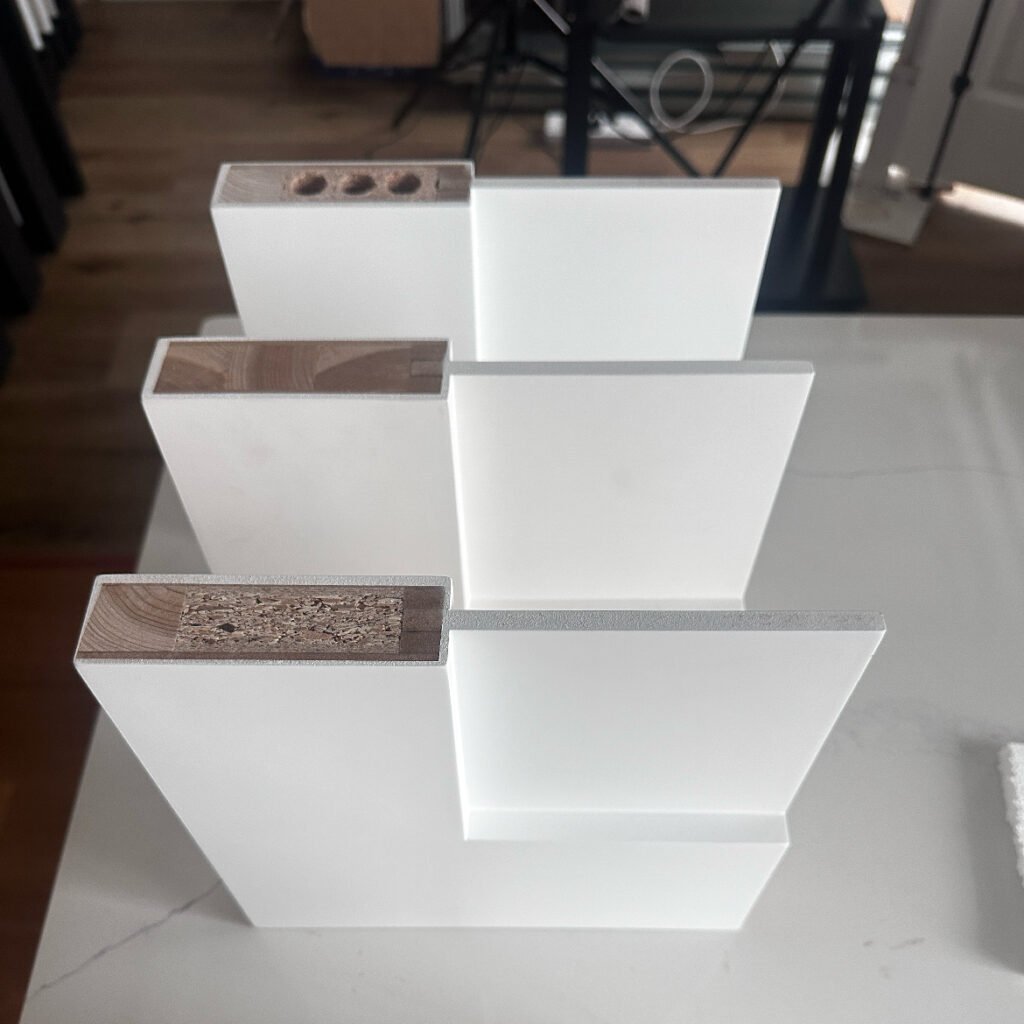
Shaker doors with a height of 96 inches typically use a 12 mm thick center panel by default. In addition, doors with an overall thickness of 45 mm are also commonly manufactured using a 12 mm panel.
Advantages of 12 mm panels include:
- stronger structural stability
- deeper recessed panel appearance
- improved resistance to impact
These panels are often used in high-end residential projects or custom homes.
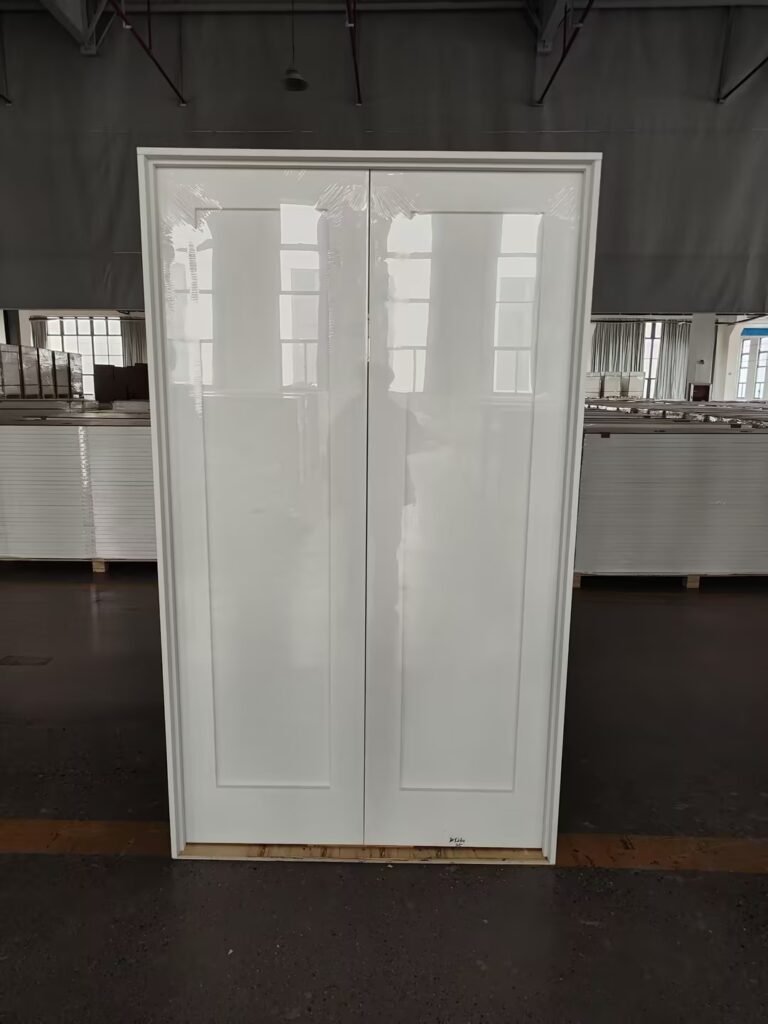
Shaker Door Panel Materials: MDF vs Solid Wood
| Feature | Solid Wood Panel | MDF Panel |
|---|---|---|
| Material Structure | Natural wood cut from logs | Engineered board made from compressed wood fibers |
| Stability | Expands and contracts with humidity | Highly stable and consistent |
| Surface Finish | Visible wood grain | Smooth surface ideal for paint |
| Warping Risk | Higher | Much lower |
| Cost | Higher | More cost-efficient |
| Production Consistency | Natural variation | Uniform density |
| Best Application | Stained wood doors | Painted shaker doors |
MDF Panels
Medium Density Fiberboard (MDF) is one of the most widely used materials for Shaker door panels.
Advantages include:
- smooth and uniform surface for painting
- excellent dimensional stability
- resistance to cracking and warping
- cost-efficient production
Because MDF does not significantly expand or contract with humidity, it performs very well in modern interior environments.
Solid Wood Panels
Solid wood panels are sometimes used in traditional or luxury doors.
However, natural wood reacts to environmental changes. Temperature and humidity variations can cause:
- expansion and contraction
- panel warping
- surface cracking
For this reason, many modern manufacturers prefer MDF panels for painted Shaker doors.
How to Choose the Right Shaker Door Panel Thickness
Selecting the correct panel thickness depends on several practical factors.
Consider Door Application
For standard interior doors, 8 mm panels are usually sufficient. For premium projects requiring stronger durability, 12 mm panels may be preferred.
Consider Door Size
The center panel thickness of Shaker doors can be customized based on door height and overall thickness.
Typical configurations include:
- 8 mm – for 80″ doors with 35 mm thickness
- 12 mm – for 80″ doors with 45 mm thickness or 96″ doors
Evaluate Material Stability
If the door will be painted, MDF panels are typically the best choice because they provide a smooth finish and maintain dimensional stability.
Balance Design and Budget
Thicker panels create a deeper visual effect but also increase manufacturing costs. Builders and developers should balance design requirements with project budgets.
Consider Project Scale
For large residential developments involving hundreds of doors, standardizing panel thickness helps simplify procurement, manufacturing, and installation.
Frequently Asked Questions About Shaker Door Panel Thickness
Q: Can Shaker door panel thickness be customized?
A: Yes, panel thickness can usually be customized depending on the door construction, overall thickness, and project requirements. In volume residential construction, the two most common and cost-effective panel thicknesses are 8 mm and 12 mm.
Q: When should I choose an 8mm vs a 12mm Shaker panel?
A: An 8mm panel is typically used for standard 80-inch doors (35mm overall thickness), offering an excellent balance between cost and performance. A 12mm panel is strongly recommended for taller 96-inch doors (45mm overall thickness) to provide improved structural durability and deeper visual definition.
Q: What is the best material for Shaker door center panels?
A: Most modern Shaker doors use MDF (Medium Density Fiberboard) for the center panels. Unlike natural wood, MDF provides superior dimensional stability—meaning it won’t expand, contract, or crack at the joints—and it offers a perfectly smooth surface for painted finishes.
Q: Why does panel thickness matter in interior door construction?
A: Panel thickness directly impacts the structural strength and impact resistance of the door. Thicker panels provide a heavier, premium feel and prevent the door from warping, bending, or deforming over time, which is especially critical in taller doors.
Conclusion
Shaker doors remain one of the most popular interior door styles due to their clean design, structural simplicity, and versatility in modern architecture. While the appearance of Shaker doors may seem straightforward, the thickness of the center panel plays an important role in determining both visual quality and long-term durability.
In most interior door applications, 8 mm and 12 mm panels are the most common options. Panel thickness can often be customized because of the frame-and-panel construction used in Shaker doors.
When choosing the right panel thickness, buyers should consider factors such as door size, material stability, durability requirements, and project budget.
Because of their stability and smooth surface for painted finishes, MDF panels are widely preferred in modern Shaker door production.
By understanding these technical considerations, builders, distributors, and developers can select the most suitable Shaker door panel thickness to ensure reliable performance, consistent quality, and long-lasting appearance.