High-traffic commercial units put extreme stress on door hardware. When builders underestimate durability or code requirements, failures happen fast—leading to costly replacements, safety risks, and unhappy property owners. The solution is choosing Grade 1, UL-listed, fire-rated commercial door hardware designed specifically for North American building standards.
To choose door hardware for high-traffic units in North America, builders should specify ANSI/BHMA Grade 1 commercial door hardware that is UL listed and fire-rated where required. Select heavy-duty hinges, high-cycle tested door closers, and mortise or commercial cylindrical locks designed for multifamily, hospitals, schools, and hotels. Prioritize code compliance, lifecycle durability, and application-specific performance to reduce maintenance costs and ensure long-term reliability.
Now let’s break down the key technical factors builders should evaluate, including door type, hardware grade, locking systems, fire-rating requirements, and performance expectations across different commercial project types.
Which Type of Doors Should Be Used in High-Traffic Commercial Buildings?
For high-traffic environments, the door and hardware must work together as a system.
In most North American commercial projects, heavy-gauge hollow metal doors are the preferred choice. Steel doors offer superior durability, security, and low maintenance. They perform exceptionally well in:
- Multifamily corridors
- Hospitals
- Schools
- Government facilities
Aluminum doors may be suitable for storefront applications due to corrosion resistance and aesthetics, but they generally offer lower impact resistance than steel.
For stairwells and rated corridors, builders must specify fire-rated door assemblies that meet local IBC and NFPA standards.
What ANSI/BHMA Grade Is Required for High-Traffic Units?
When reviewing a commercial door hardware guide, one specification matters most: ANSI/BHMA grade.
- Grade 1 – Highest performance level (recommended for high-traffic buildings)
- Grade 2 – Medium-duty commercial
- Grade 3 – Residential use
For hospitals, schools, airports, and multifamily buildings, Grade 1 door hardware is strongly recommended. It is tested for extreme cycle counts and heavy usage.
Hardware that passes high-cycle testing ensures better lifecycle cost control and fewer warranty claims.
Reference: [BHMA Certification Standards – placeholder link]
Choosing lower-grade hardware in high-traffic units often leads to premature failure and increased maintenance costs.
| Specification | Standard Hinge | Ball Bearing Hinge | Heavy-Duty Ball Bearing Hinge |
| Typical Material | Steel | Steel / Stainless Steel | Heavy Gauge Steel |
| ANSI/BHMA Grade | Grade 3 | Grade 2 / Grade 1 | Grade 1 |
| Load Capacity | Light Doors | Medium to Heavy Doors | Heavy Commercial Doors |
| Recommended Application | Residential / Light Offices | Schools, Offices, Multifamily | Hospitals, Airports, High-Traffic Buildings |
| Durability | Low–Medium | High | Very High |
| Maintenance | May require frequent replacement | Minimal maintenance | Long service life |
Should Builders Choose Mortise Locks or Cylindrical Locks?
This is one of the most common specification decisions.
Mortise Locks
- Stronger internal construction
- Higher durability
- Ideal for heavy-use environments
- Common in hospitals and institutional projects
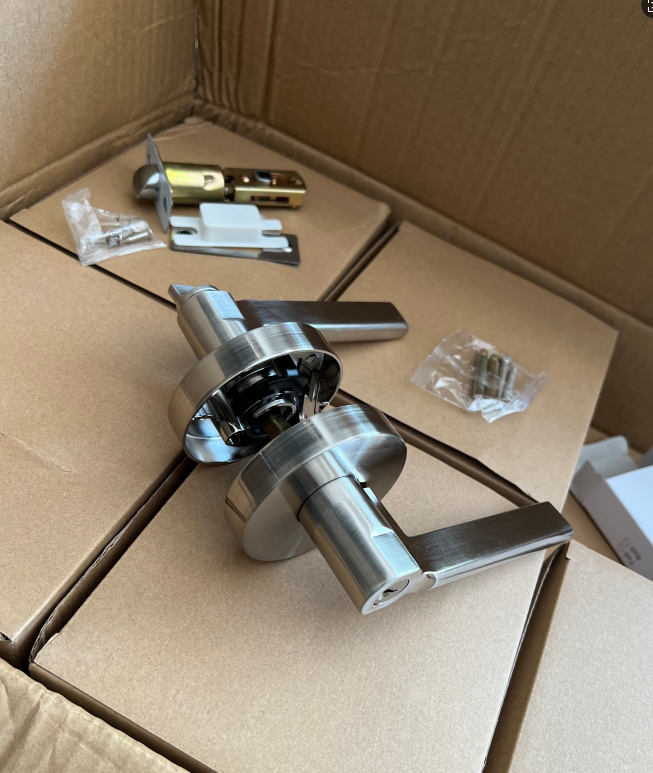
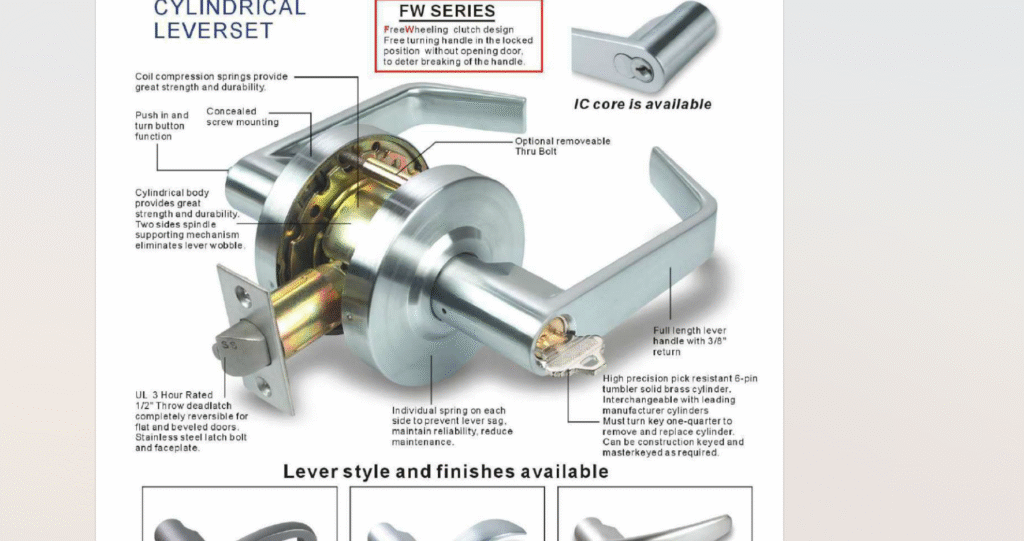
Commercial Cylindrical Locks
- Easier installation
- Lower upfront cost
- Suitable for moderate-to-high traffic multifamily projects
For true high-traffic units, many builders prefer mortise locks because of their longer lifespan. However, high-quality commercial cylindrical locks with Grade 1 certification can also perform well when properly specified.
If access control systems are planned, compatibility with electrified hardware should be considered early in the design phase.
What Door Closers and Hinges Perform Best in High-Traffic Areas?
Even the best lock cannot perform well if hinges and closers are under-specified.
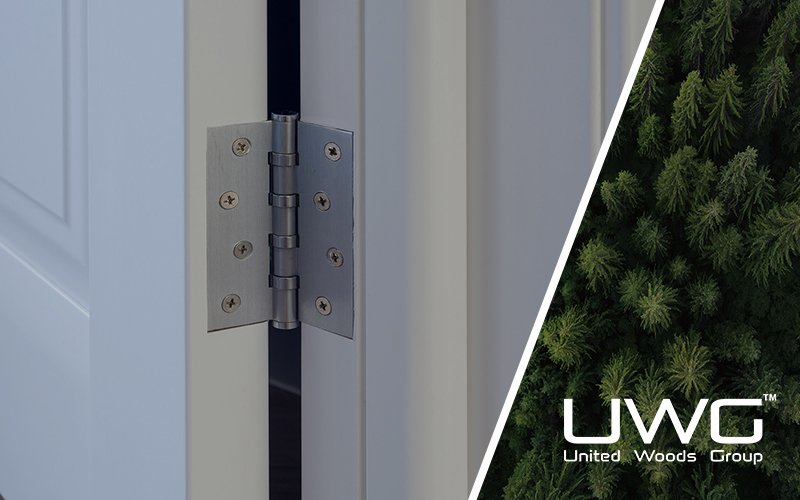
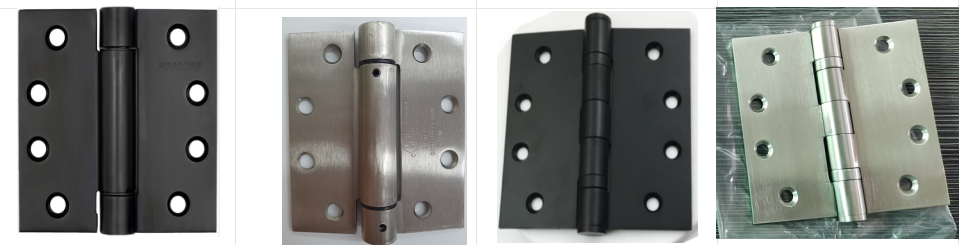
Heavy-Duty Hinges
For high-traffic units, builders should specify:
- Ball-bearing hinges
- Heavy-duty weight rating
- Corrosion-resistant finishes
In schools and healthcare projects, hinges endure constant movement. Low-grade hinges often lead to door sagging and alignment issues.
Commercial Door Closers
Door closers designed for high traffic typically include:
- Adjustable closing speed
- Backcheck functionality
- High-cycle durability
- Surface-mounted or concealed options depending on design
Closers must also comply with ADA accessibility requirements and fire-rated door standards when installed on rated assemblies.
Reference: [NFPA 80 Fire Door Standard – placeholder link]
When Is UL-Listed and Fire-Rated Hardware Required?
In North America, code compliance is essential for commercial projects.
UL listed door hardware is typically required when installed on fire-rated door assemblies. Common areas requiring fire-rated hardware include:
- Stairwells
- Exit corridors
- Mechanical rooms
- Multifamily corridor doors
Fire-rated door hardware must match the fire rating of the door (20-minute, 45-minute, 60-minute, or 90-minute assemblies).
Builders should always confirm requirements with the Authority Having Jurisdiction (AHJ) to avoid delays during inspections.
Specifying certified UL listed hardware ensures compliance with both IBC and NFPA regulations and improves overall building safety.
What Door Hardware Is Best for Different Commercial Project Types?
Different building types require different hardware strategies.
Multifamily Housing
- Grade 1 cylindrical or mortise locks
- Fire-rated corridor hardware
- Durable yet cost-balanced hardware selections
Hotels
- Electronic locks or access control systems
- High-cycle closers
- Durable finishes with aesthetic appeal
Hospitals
- Grade 1 mortise locks
- Heavy-duty hinges
- Antimicrobial finishes
- Fire-rated hardware for compliance
Schools
- Vandal-resistant hardware
- Heavy-duty closers
- Classroom function locks
- High-cycle tested components
Office Buildings
- Access control compatibility
- ADA-compliant lever handles
- Durable architectural finishes
Each project type requires balancing security, durability, regulatory compliance, and long-term maintenance planning.
Why Lifecycle Cost Matters More Than Initial Cost
Builders who focus only on upfront hardware pricing often experience higher long-term costs.
High-quality commercial door locks, heavy-duty hinges, and tested door closers significantly reduce:
- Maintenance service calls
- Hardware replacement cycles
- Tenant complaints
- Operational disruptions
For high-traffic units, durable door hardware protects both the building’s reputation and the owner’s long-term investment.
Summary
Choosing door hardware for high-traffic units requires prioritizing Grade 1 durability, UL-listed fire-rated compliance, and application-specific performance. For North American builders, the right specification prevents failures, protects occupants, and reduces lifecycle costs—making commercial door hardware a long-term investment rather than a short-term expense.