Builders, contractors, and building material suppliers often encounter confusion when selecting wall panels or wainscoting for interior wall decoration. While both systems use panels to enhance interior walls, their structure, coverage, installation methods, and design purposes are quite different.
Wall paneling is a full-wall decorative system commonly used in modern interiors, while wainscoting is a partial-wall trim system traditionally used for wall protection and architectural detail.
Understanding the difference helps builders and designers choose the right solution for residential homes, commercial interiors, and renovation projects.
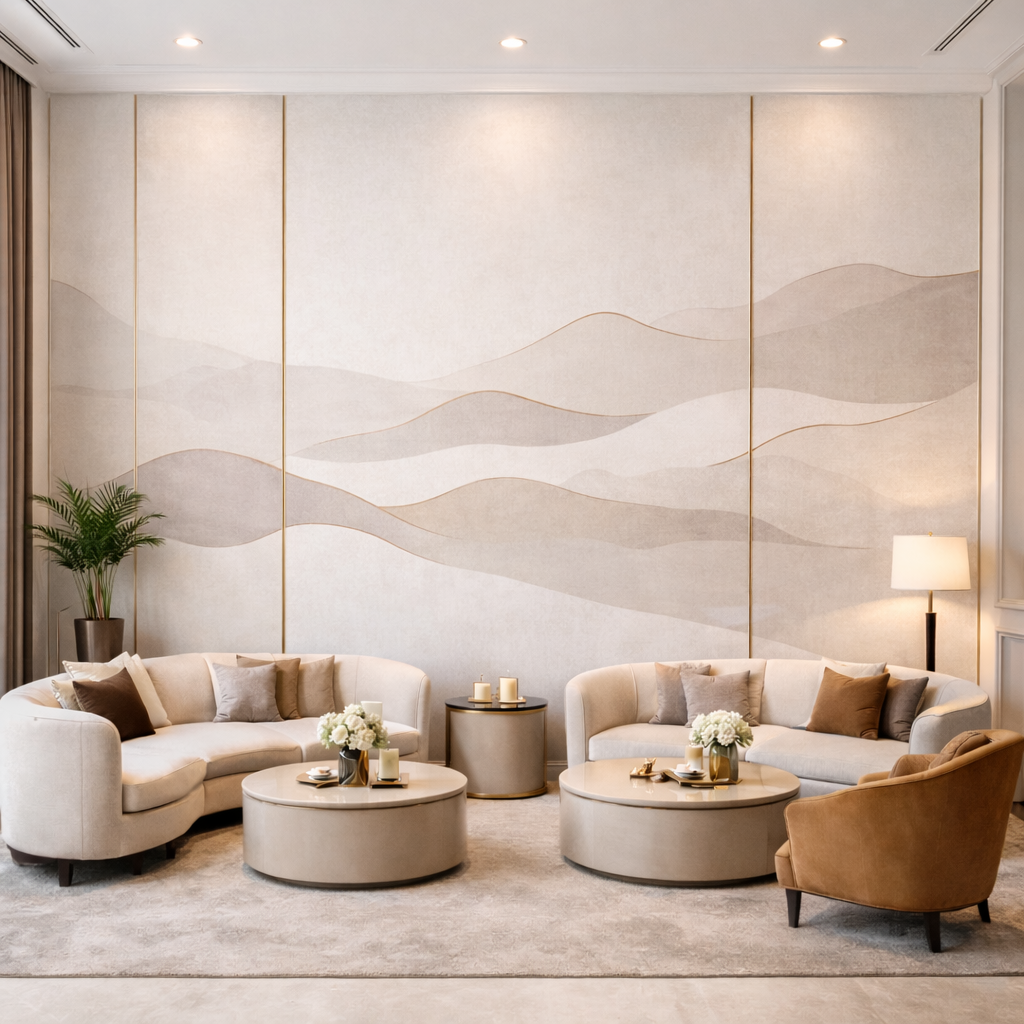
What Is Wall Paneling?
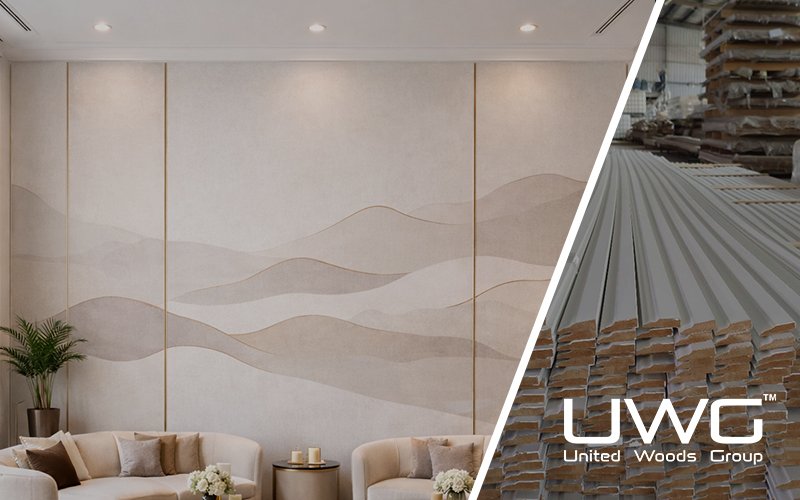
Wall paneling refers to decorative or functional interior wall panel systems installed across an entire wall surface, typically covering the wall from floor to ceiling.
Unlike traditional trim systems, modern wall panels create a continuous wall cladding surface that enhances both appearance and performance.
Wall panels are widely used in:
- Hotels
- Office buildings
- Apartment complexes
- Retail spaces
- Conference centers
In many commercial interiors, designers use decorative wall paneling to create:
- Feature walls
- Acoustic wall systems
- Architectural interior finishes
Common Wall Panel Materials
Common materials used for wall panels include:
- Wood wall panels
- PVC wall panels
- WPC (Wood Plastic Composite) panels
- MDF decorative panels
- Acoustic fabric panels
- Decorative laminate panels
From a construction perspective, many modern systems use modular wall panel designs, hidden clips, or adhesive installation, allowing faster installation compared with traditional finishing methods.
In several hospitality renovation projects our team supplied materials for, contractors selected WPC wall panels for guest room corridors and public spaces because they offered better moisture resistance and required less long-term maintenance than traditional wood paneling.
What Is Wainscoting?
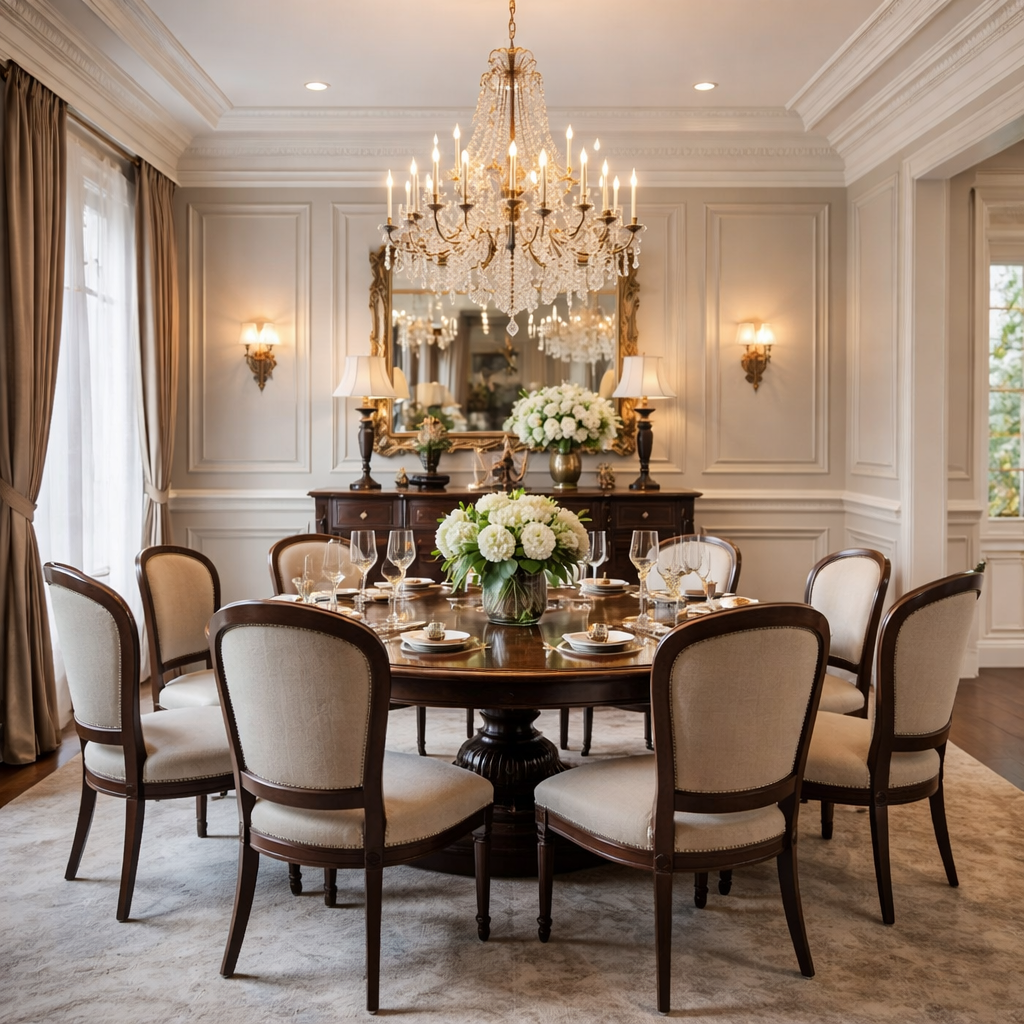
Wainscoting is a decorative wall treatment that covers only the lower portion of a wall, usually between one-third and one-half of the total wall height.
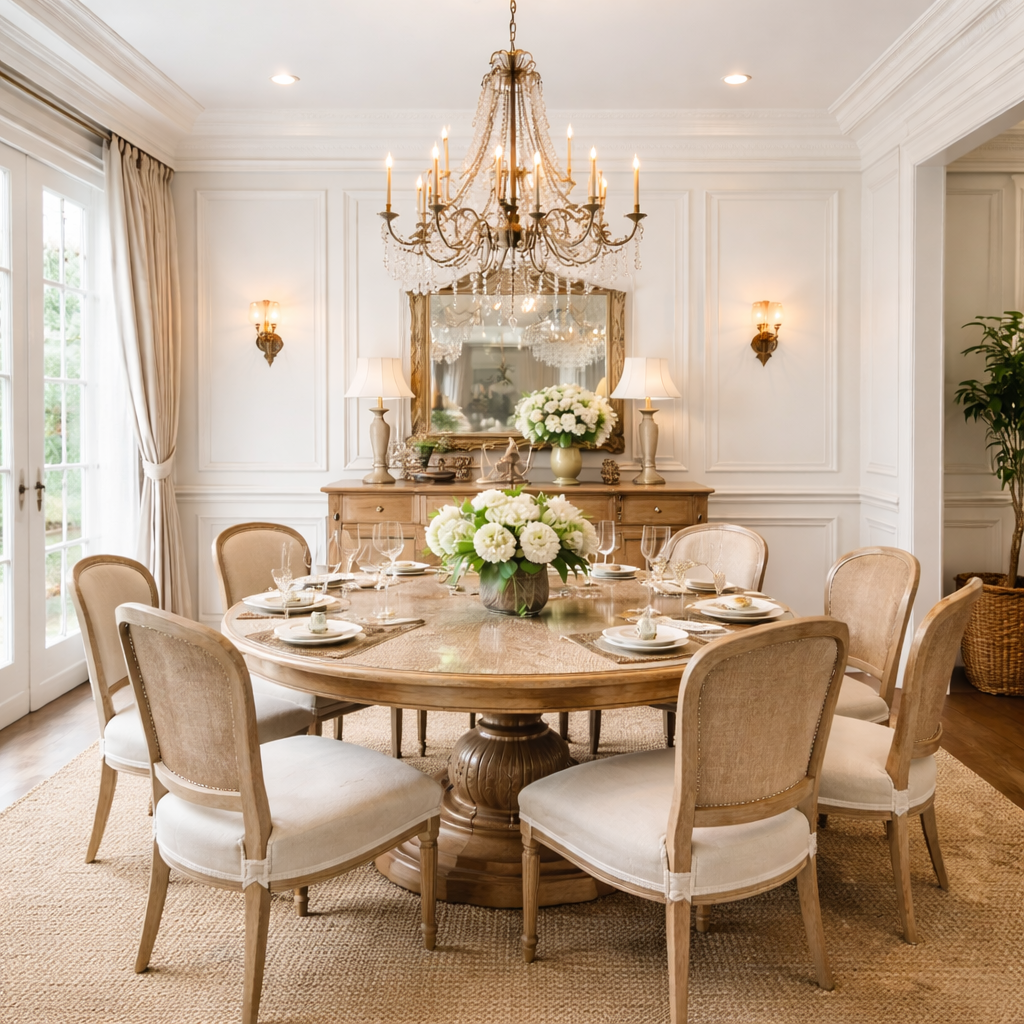
The upper wall area is typically finished with:
- Paint
- Wallpaper
- Drywall finish
A chair rail or molding separates the panel section from the upper wall surface.
Historically, wainscoting originated in 16th-century Europe, where wooden panels were installed to protect walls from moisture, furniture damage, and everyday wear. Over time, it became a key architectural element in traditional interior design.
Popular Wainscoting Styles
Popular styles of wainscoting include:
- Beadboard
- Raised panel
- Flat panel
- Board and batten
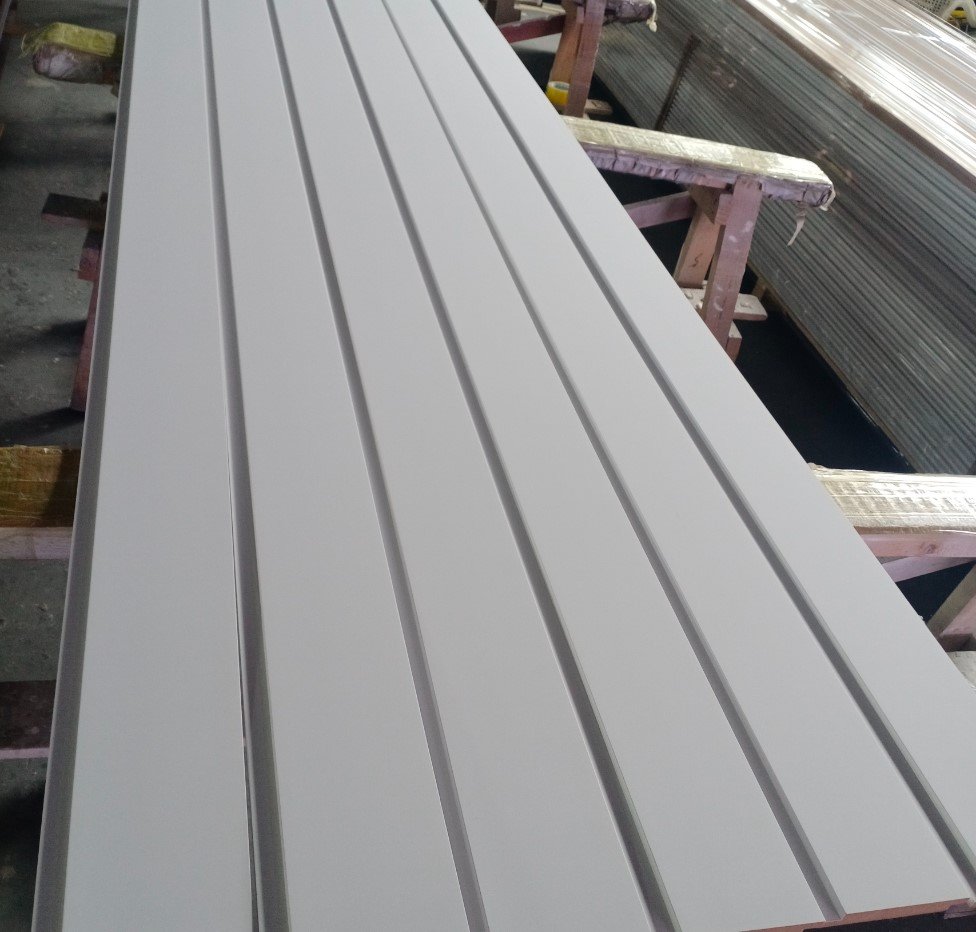
These styles are frequently installed in:
- Dining rooms
- Entryways
- Hallways
- Staircases
- Traditional residential interiors
Compared with full wall panel systems, wainscoting provides architectural character while using less material coverage.
Wall Panel vs Wainscoting: Quick Comparison
The easiest way to understand the difference between wall paneling and wainscoting is to compare their structure and applications.
| Feature | Wall Panel | Wainscoting |
| Wall Coverage | Full wall (floor to ceiling) | Lower portion of wall |
| Primary Purpose | Decorative surface, acoustic control, wall protection | Decorative trim and lower-wall protection |
| Installation | Large panels or modular systems | Panel frames combined with trim and molding |
| Design Style | Modern or contemporary interiors | Traditional or classic interiors |
| Common Applications | Hotels, offices, apartments | Dining rooms, hallways, staircases |
In simple terms:
- Wall panels create a full architectural wall surface
- Wainscoting adds decorative detail to the lower part of a wall
Installation and Cost Differences
Installation structure is one of the biggest differences between wall panels and wainscoting.
Wall Panel Installation
Wall panels typically use large panels or modular systems, which can be installed using:
- Hidden clip systems
- Adhesive mounting
- Framing structures
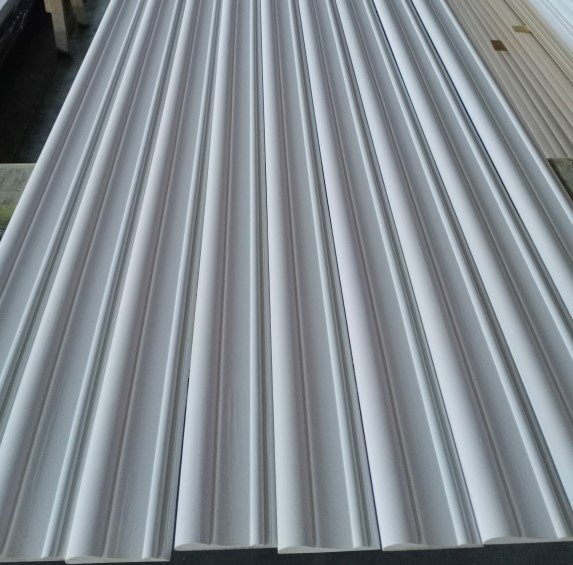
Because panels often cover the entire wall, more material is required, but installation can be faster in large projects due to modular design.
This is why commercial construction projects frequently choose wall panel systems.
Wainscoting Installation
Wainscoting is built from multiple trim components, including:
- Baseboards
- Panel frames
- Chair rails
- Decorative molding
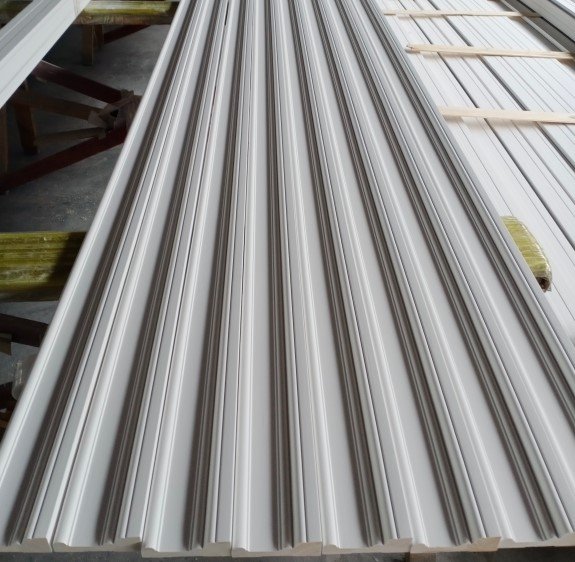
This layered system requires more detailed carpentry work, but since it covers only part of the wall, it usually uses less material overall.
As a result, wainscoting is often considered a cost-effective decorative upgrade for residential homes.
When Should Builders Use Wall Panels?
In modern construction projects, wall panels are often selected for their design flexibility, durability, and installation efficiency.
Commercial designers frequently choose full wall panel systems because they create large decorative surfaces that define the interior style of a space.
Wall panels are commonly used in:
- Hotels
- Commercial offices
- Apartment buildings
- Retail stores
- Conference centers
Many modern systems also integrate additional functions such as:
- Acoustic insulation
- Moisture resistance
- Fire-rated materials
- Modular installation systems
These features make wall panels particularly suitable for large-scale commercial developments and hospitality projects.
When Should You Choose Wainscoting?
Wainscoting is typically chosen when the design goal is architectural detail and classic interior style rather than full wall coverage.
For example, in residential remodeling projects, designers often install raised panel wainscoting in dining rooms or entry hallways to add visual depth and protect walls from chair damage.
Advantages of Wainscoting
Key advantages include:
- Elegant traditional appearance
- Additional protection for lower walls
- Lower material cost compared with full wall panels
Because it covers only part of the wall, wainscoting is a practical way to add character to interior spaces without dramatically increasing renovation costs.
How Builders Choose Between Wall Panels and Wainscoting
When deciding between wall panels and wainscoting, builders usually evaluate three main factors.
1. Project Type
Commercial spaces such as hotels and offices often prefer full wall panel systems, while residential homes more commonly use decorative wainscoting.
2. Design Style
Modern interiors frequently use large-format wall panels or vertical slat panels, while traditional homes favor trim-based architectural details like wainscoting.
3. Installation Efficiency
For large construction projects, modular wall panel systems can significantly reduce installation time and on-site finishing work.
Understanding these factors helps contractors and building material suppliers determine the most suitable wall treatment for each project.
Is Wall Paneling Still Popular in 2026?
Yes. Decorative wall paneling continues to grow in popularity across both residential and commercial interiors.
According to interior design insights from the National Association of Home Builders (NAHB) and residential design trend reports, textured wall treatments are increasingly used in modern construction.
Key Industry Trends
Several trends driving demand include:
- Acoustic slat wall panels
- WPC composite wall panels
- Vertical wood panel designs
- Large decorative feature walls
Because of these trends, building material wholesalers and distributors are seeing increasing demand for modular wall panel systems that combine strong visual design with efficient installation.
FAQ
Is wainscoting cheaper than wall panels?
In most residential projects, wainscoting is usually more affordable because it covers only part of the wall. Full wall panel systems require more material but may reduce labor time in commercial construction projects.
Can wall panels replace drywall?
Some decorative wall panels can be installed directly over drywall or existing walls. However, drywall is still commonly used as the base wall structure in most buildings.
Which option is better for commercial interiors?
Wall panels are generally the preferred option for commercial interiors such as hotels, offices, and retail spaces because they create a strong visual impact and can integrate acoustic or fire-rated materials.
Summary
Both wall panels and wainscoting are widely used decorative wall treatments, but they serve different purposes.
Wall panels cover an entire wall surface and are commonly used in modern commercial interiors.
Wainscoting covers only the lower portion of a wall and is typically used to add architectural detail in residential spaces.
For builders, contractors, and building material suppliers, understanding these differences helps determine the most suitable wall system for each project.