Residential construction trends continue to evolve, but certain design elements remain consistently popular. Builders and wholesalers are increasingly selecting Farmhouse and Shaker door styles because they combine timeless aesthetics with practical manufacturing advantages. In today’s competitive housing market, choosing door styles that appeal to homeowners while maintaining cost efficiency is essential for successful residential projects.
Farmhouse and Shaker doors have emerged as reliable solutions that balance modern design preferences with long-lasting functionality.
As residential architecture continues to blend traditional charm with contemporary simplicity, these two door styles provide flexible design solutions that meet the expectations of modern homeowners and developers.
What Defines a Farmhouse-Style Door?
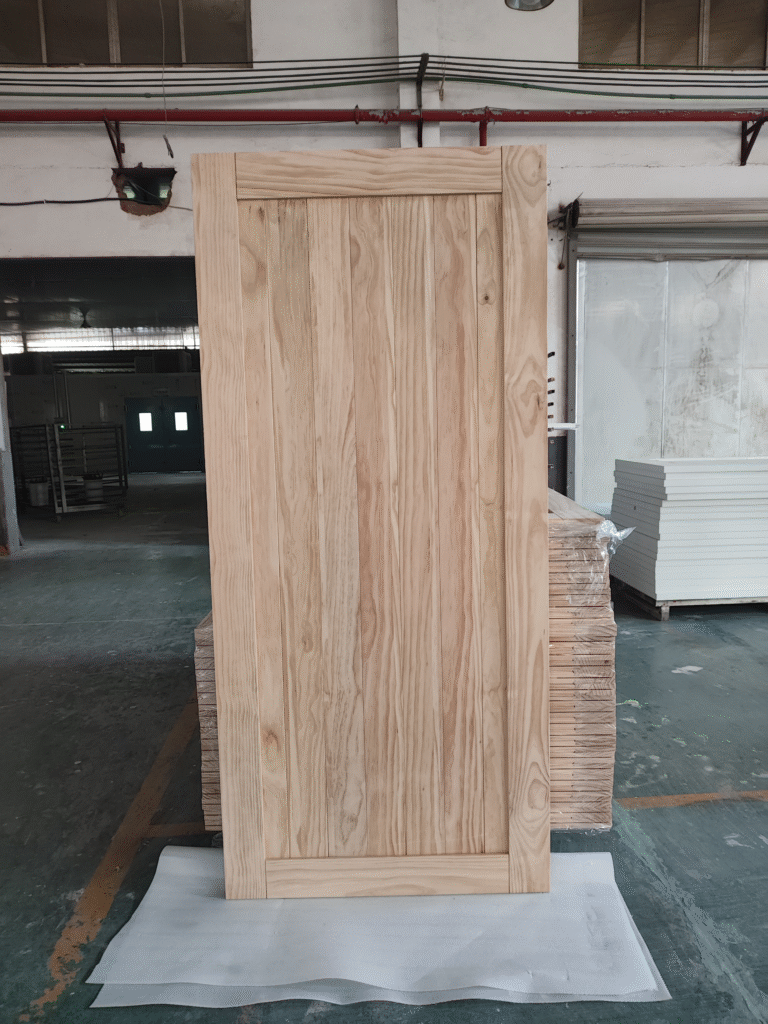
Farmhouse doors are inspired by traditional rural homes, yet they have evolved into a major component of modern residential design. Their popularity stems from their ability to create warmth, authenticity, and character in both new construction and renovation projects.
Key characteristics of farmhouse-style doors include:
- Natural wood textures and visible grain patterns
- Neutral or earthy color palettes
- Clean but rustic design elements
- Solid construction that emphasizes durability
Unlike overly decorative traditional doors, farmhouse doors emphasize simplicity and natural materials. Builders often choose finishes such as oak, pine, or walnut to highlight the organic beauty of the wood.
Another defining feature of modern farmhouse doors is their versatility. They can be used as:
- Front entry doors
- Interior passage doors
- Sliding barn-style doors
- Pantry or closet doors
This flexibility makes them highly attractive for residential developments aiming for a cohesive architectural theme.
Why Are Shaker Doors So Popular in Modern Homes?
Shaker doors have become one of the most widely used interior door styles in residential construction. Their design originates from the Shaker craftsmanship tradition, which emphasizes simplicity, precision, and functionality.
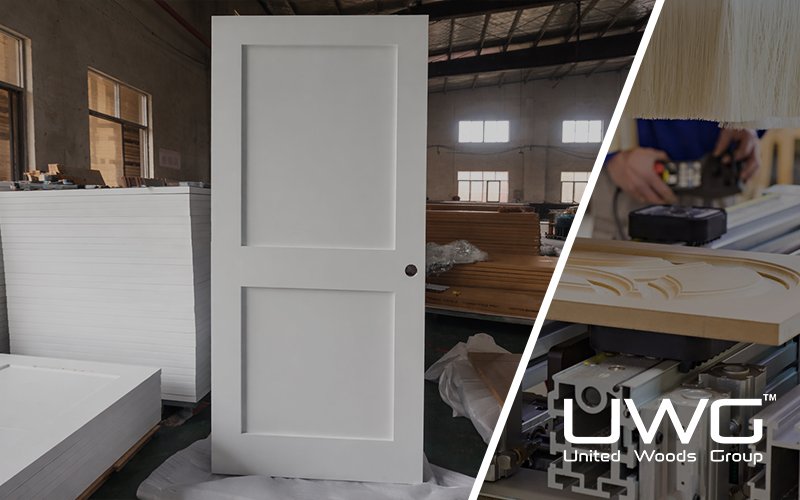
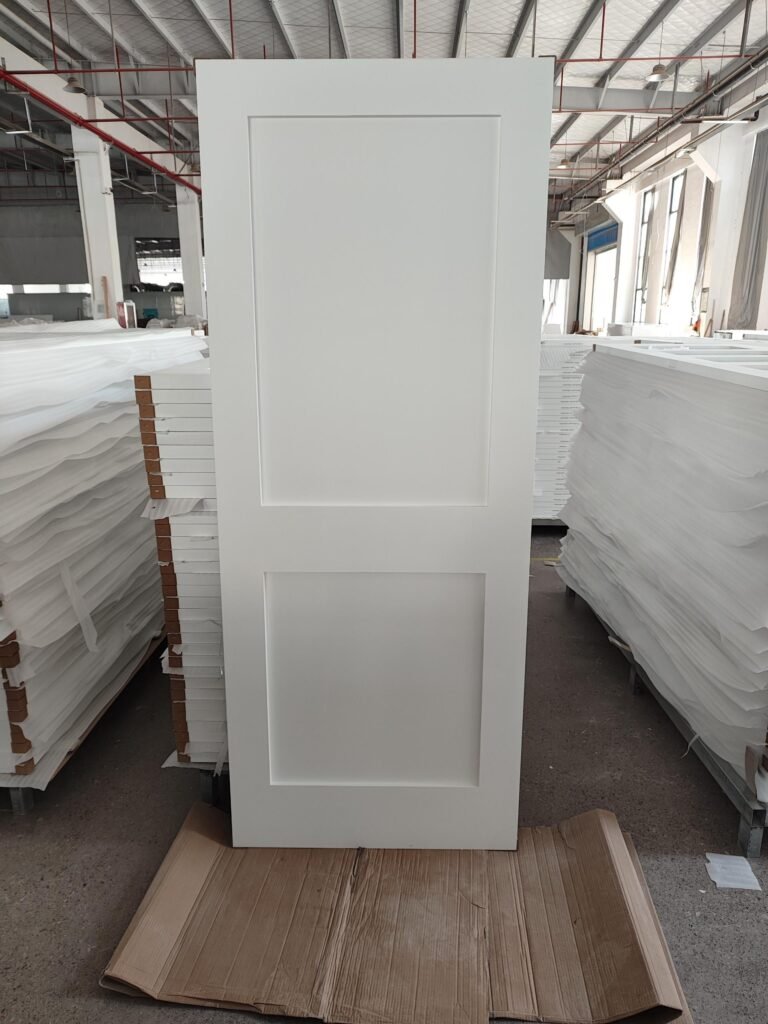
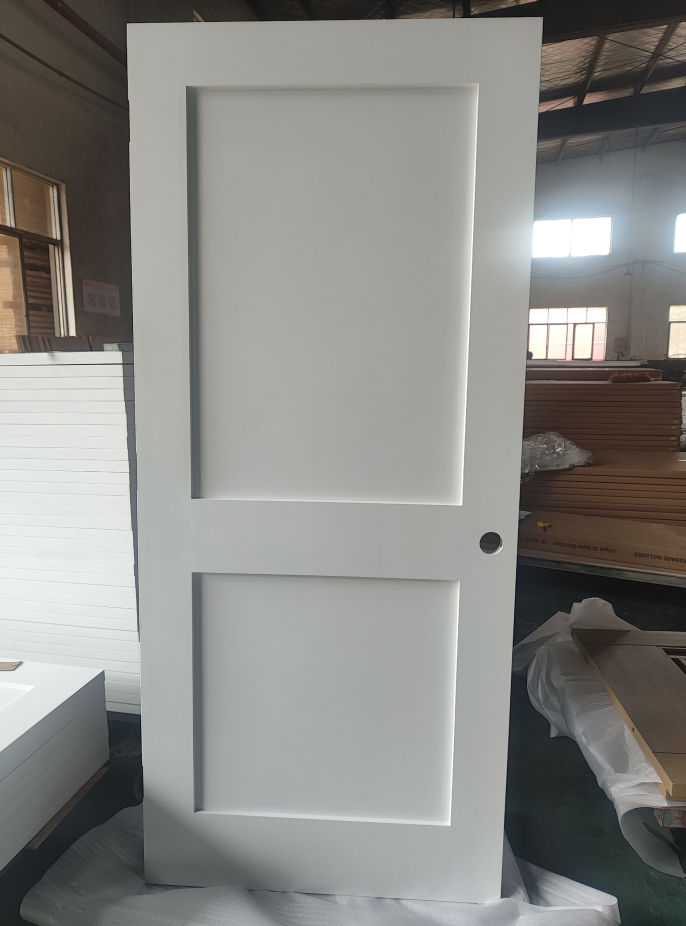
The defining feature of a Shaker door is its recessed center panel surrounded by a simple frame. This clean structure gives the door a balanced and minimalist appearance.
For builders and wholesalers, Shaker doors offer several practical advantages:
1. Timeless Design
Shaker doors work well across multiple architectural styles, including:
- Modern homes
- Transitional interiors
- Farmhouse designs
- Contemporary apartments
Because of this versatility, they remain in demand even as interior trends change.
2. Manufacturing Efficiency
The simple structure of Shaker doors allows manufacturers to produce them efficiently. This results in:
- Lower production complexity
- Consistent quality control
- Competitive wholesale pricing
3. Wide Finish Options
Shaker doors can easily adapt to different finishes, including:
- Painted white or neutral tones
- Natural wood stains
- Matte black or modern colors
These options allow builders to customize homes while maintaining a consistent door design.
Are Shaker Doors Suitable for Modern Farmhouse Design?
Yes, and in many cases, Shaker doors are considered the ideal complement to modern farmhouse interiors.
Modern farmhouse design combines rustic elements with contemporary simplicity. While farmhouse aesthetics emphasize warmth and natural materials, the overall design philosophy favors clean lines and uncluttered spaces.
Shaker doors naturally align with this concept.
Their straight edges and recessed panels create a subtle architectural detail without overwhelming the room. When paired with farmhouse elements such as wood beams, natural flooring, or vintage-style lighting, Shaker doors help maintain a balanced design.
Many builders incorporate Shaker doors in:
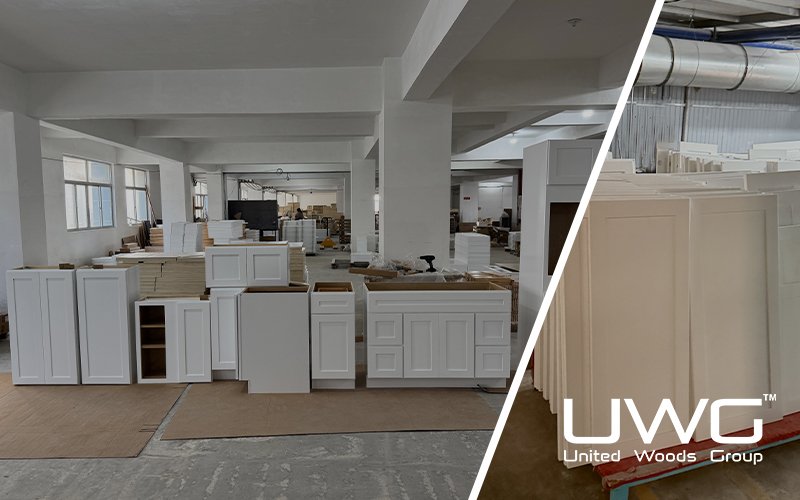
- Kitchens with shaker cabinet doors
- Bedrooms and bathrooms
- Hallway and closet doors
This consistent use of Shaker-style cabinetry and doors helps create a cohesive interior design throughout the home.
What Materials Are Most Popular for Farmhouse and Shaker Doors?
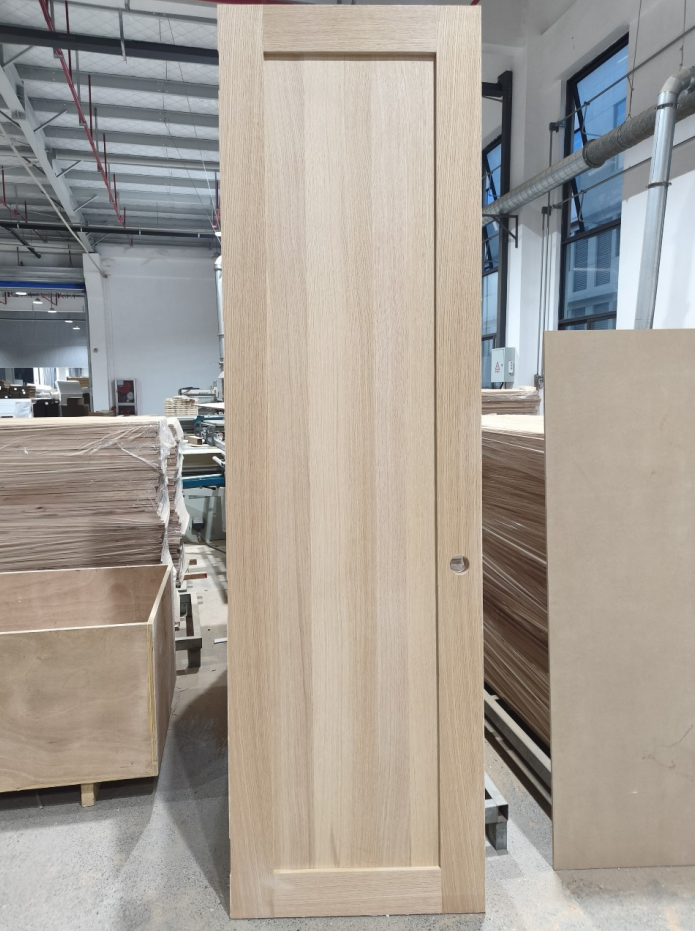
Material selection plays a critical role in determining the durability, appearance, and price point of residential doors. Builders and wholesalers typically choose materials that balance structural stability and cost efficiency.
Common materials include:
Solid Wood
Solid wood remains a premium option for farmhouse-style doors.
Popular species include:
- Oak
- Maple
- Pine
- Walnut
These woods provide strong structural integrity and attractive grain patterns.
MDF Core with Veneer
Many interior Shaker doors use MDF cores combined with wood veneer. This structure provides:
- Smooth painted surfaces
- Reduced warping or cracking
- Lower manufacturing costs
Engineered Wood
Engineered wood doors are widely used in large-scale residential developments. They provide:
- High dimensional stability
- Consistent quality
- Good resistance to environmental changes
For builders managing large projects, these materials allow reliable supply and predictable installation performance.
Are Shaker Doors Still in Style in New Construction?
Industry data and residential design trends indicate that Shaker doors remain one of the most specified interior door styles in new housing developments.
Several factors contribute to their continued popularity:
Compatibility with Modern Design Trends
Modern interiors often favor:
- Minimalist architecture
- Neutral color palettes
- Clean geometric lines
Shaker doors naturally support these design principles.
Builder-Friendly Standardization
For residential builders, using standardized door styles simplifies:
- Procurement
- Installation
- Replacement and maintenance
Because Shaker doors are widely produced, wholesalers can maintain consistent inventory and competitive pricing.
Consumer Demand
Homebuyers frequently associate Shaker doors with modern, well-designed homes, which helps developers market new properties more effectively.
What Is the Difference Between Shaker Doors and Traditional Panel Doors?
Understanding the differences between door styles helps builders choose the most suitable option for specific projects.
| Feature | Shaker Doors | Traditional Panel Doors |
|---|---|---|
| Design | Simple recessed panel | Decorative raised panels |
| Style Compatibility | Modern, farmhouse, transitional | Traditional or classic homes |
| Manufacturing | Efficient production | More complex construction |
| Market Demand | High in new residential projects | Declining in modern developments |
Traditional raised-panel doors often feature intricate detailing that may not align with contemporary design preferences. In contrast, Shaker doors offer a clean, adaptable appearance that suits a wide range of homes.
Frequently Asked Questions About Residential Door Trends
Q: Why are Shaker doors so popular in modern residential construction?
A: Shaker doors feature a simple recessed center panel and clean lines, making them highly versatile for modern, transitional, and farmhouse interiors. Their straightforward design also allows for efficient manufacturing, consistent quality, and competitive wholesale pricing.
Q: What defines a farmhouse-style interior door?
A: Farmhouse doors emphasize simplicity, natural materials, and warmth. They often feature visible wood grain patterns, earthy color palettes, and solid construction that adds authentic, rustic character to a residential space.
Q: Are Shaker doors a good fit for modern farmhouse designs?
A: Yes, Shaker doors are considered an ideal complement to modern farmhouse interiors. Their uncluttered, minimalist structure perfectly balances the rustic warmth of farmhouse design, creating a cohesive and contemporary look without overwhelming the room.
Q: What are the main benefits of using Farmhouse and Shaker doors for builders?
A: For builders and wholesalers, these door styles offer timeless aesthetic appeal that homeowners love, adaptability to various architectural designs, and cost-effective production, ensuring reliable supply and profitability for large residential developments.
Summary
Farmhouse and Shaker door trends continue to shape modern residential construction because they combine timeless design, practical manufacturing, and strong market demand. For builders and wholesalers, these door styles offer a dependable solution that aligns with contemporary architectural preferences while maintaining long-term appeal for homeowners.