Choosing the perfect baseboard height is more than just about the room’s dimensions — it’s also about complementing the room’s style. The right baseboard not only improves the aesthetic appeal of the room but also plays an important role in achieving a balanced design. Whether you’re renovating a traditional living room, creating a modern office space, or designing a rustic kitchen, the right baseboard height will depend largely on the interior style. But how do you choose the ideal size for each interior style?
Choosing the Right Baseboard Height for Different Interior Styles
Traditional Styles
Traditional interior designs often rely on grand proportions and detailed features. For homes with traditional styling, baseboards should reflect the room’s sense of formality and strength. A good rule of thumb is to choose baseboards that are 5 to 7 inches tall for rooms with 8-foot ceilings. However, for larger rooms with higher ceilings (9-10 feet), baseboards should be taller, ranging from 7 to 8 inches to preserve the room’s grandeur. A classic design with ornate moulding and larger proportions emphasizes the richness and elegance often associated with traditional style. The ratio of 7% — the baseboard height should be approximately 7% of the overall ceiling height — works particularly well here. For instance, if your room has a ceiling of 9 feet, a 6.3-inch baseboard height would work best.
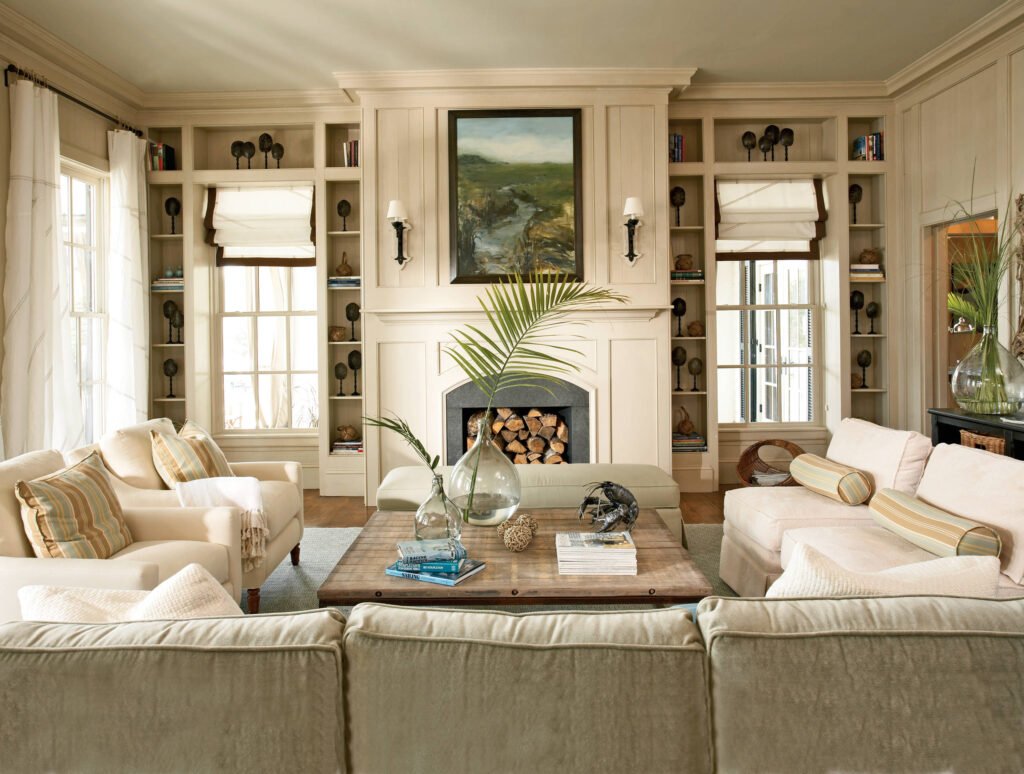
- Style Tip: Look for baseboards with intricate mouldings and details like curves or fluting that emphasize the formal, luxurious look. In addition, pair them with other traditional features, such as crown moulding and panelled doors, for a cohesive design.
Modern Styles
Modern design is all about clean, simple lines and functionality. In contemporary spaces, baseboards should be sleek and minimalistic, typically ranging from 3 to 4 inches for an 8-foot ceiling. The focus is on creating a seamless and uncluttered environment, so a thinner baseboard is ideal for emphasizing these design principles. If your room features higher ceilings, say 10 feet, baseboards can go up to 5 to 6 inches to provide a balanced visual weight without compromising the minimalist aesthetic. It’s important to avoid overly ornate designs; instead, opt for baseboards with straight edges and simple moulding profiles.
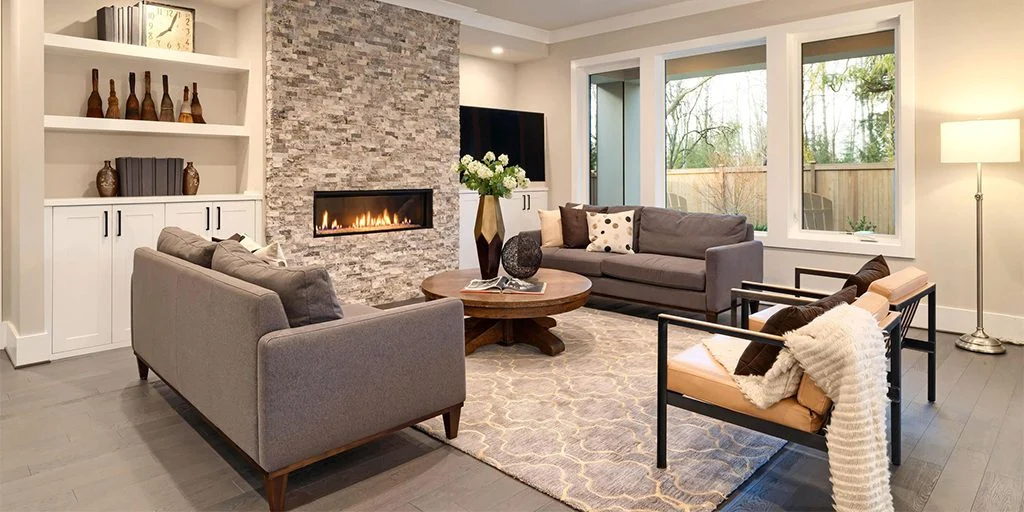
- Style Tip: For the most modern look, consider flat baseboards with sharp edges and a matte finish to enhance the clean lines that are characteristic of modern interiors.
Transitional Styles
Transitional spaces bridge the gap between modern and traditional design, offering a balance of simplicity and elegance. Here, the baseboard height should typically fall between 4 and 6 inches, depending on the room’s size and the design’s overall balance. For smaller rooms with 8-foot ceilings, baseboards closer to 4 inches help maintain a balanced proportion, while in larger rooms, baseboards can rise to 6 inches to emphasize the space’s elegance. For example, in transitional rooms with vaulted ceilings, baseboards up to 7 inches might be appropriate to ground the design and add visual weight.
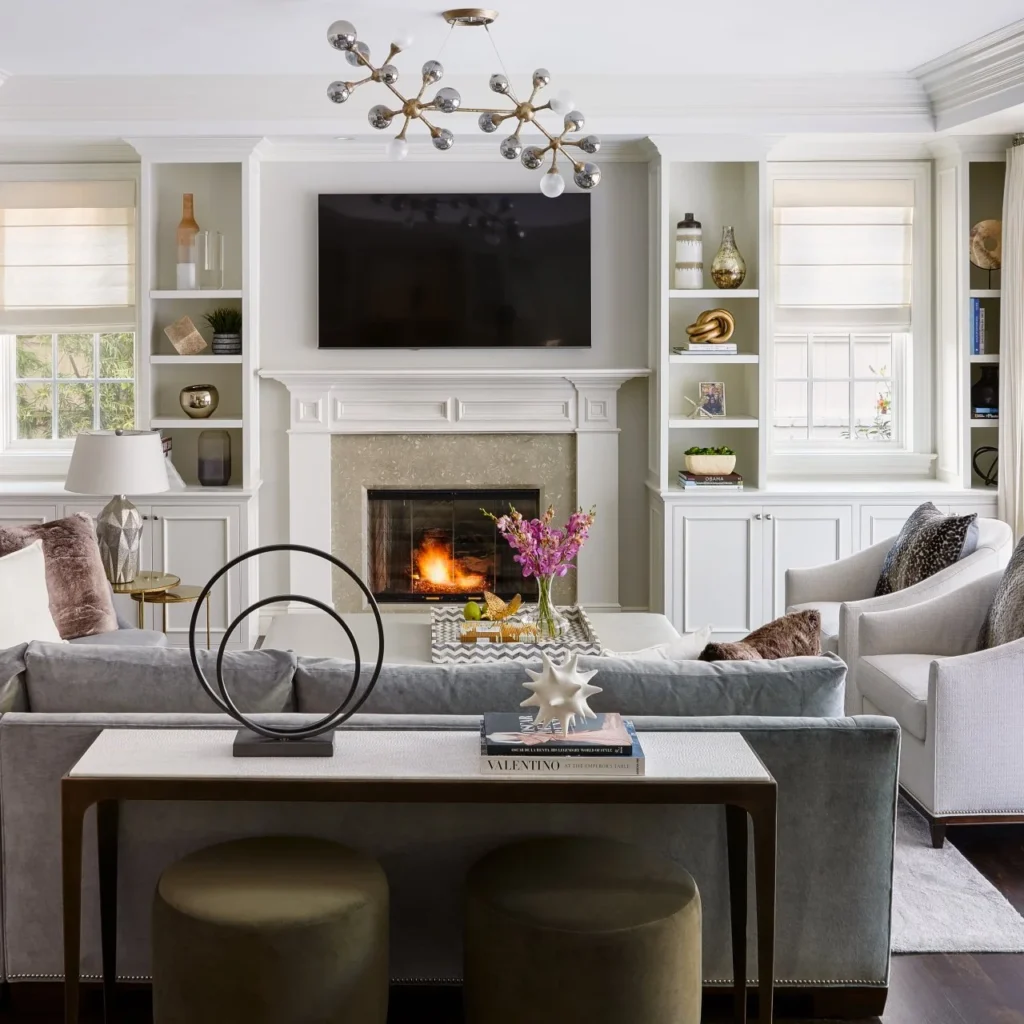
- Style Tip: Baseboards with subtle moulding profiles or slight bevels are ideal for transitional spaces. These designs combine the clean simplicity of modern interiors with the warmth and richness of traditional elements.
Rustic and Farmhouse Styles
Rustic and farmhouse interiors embrace natural, earthy aesthetics, often featuring raw textures and a down-to-earth vibe. Baseboards in these spaces are usually chunkier, typically ranging from 5 to 6 inches, to provide a grounded and sturdy feel. These baseboards also help highlight the natural materials that define this style, such as reclaimed wood or rough-hewn textures. For rooms with higher ceilings, you can opt for even taller baseboards, particularly in larger open spaces, where baseboards of up to 8 inches may be used to anchor the room’s visual proportions. The chunky baseboards help to emphasize the homely, rustic charm of the space.
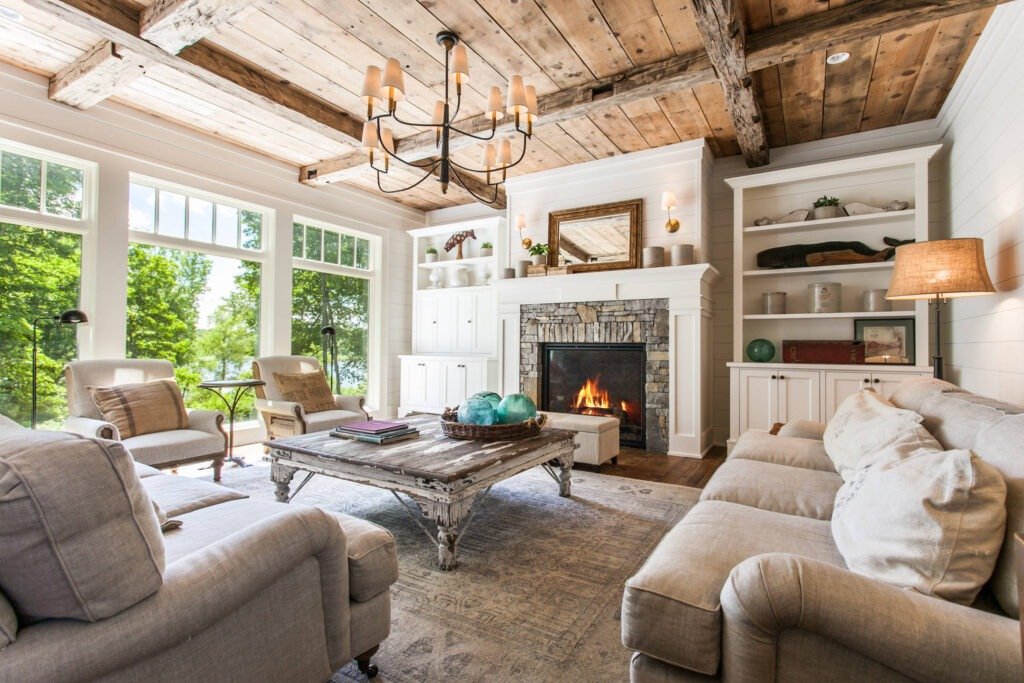
- Style Tip: Choose baseboards with a distressed or weathered finish to match the rustic feel. Incorporating natural wood tones or a raw, unfinished look can further complement the farmhouse aesthetic.
Contemporary Styles
Contemporary homes often feature an evolving mix of modern sensibilities with a touch of traditional charm. For contemporary spaces, baseboards should still prioritize sleek lines but may include more design elements than in strictly modern styles. Baseboards typically range from 3 to 5 inches for an 8-foot ceiling. For taller ceilings, baseboards can extend from 5 to 7 inches, but they should remain visually unobtrusive to retain the contemporary vibe. It’s essential to choose baseboards that don’t dominate the space but instead blend seamlessly with the overall design.
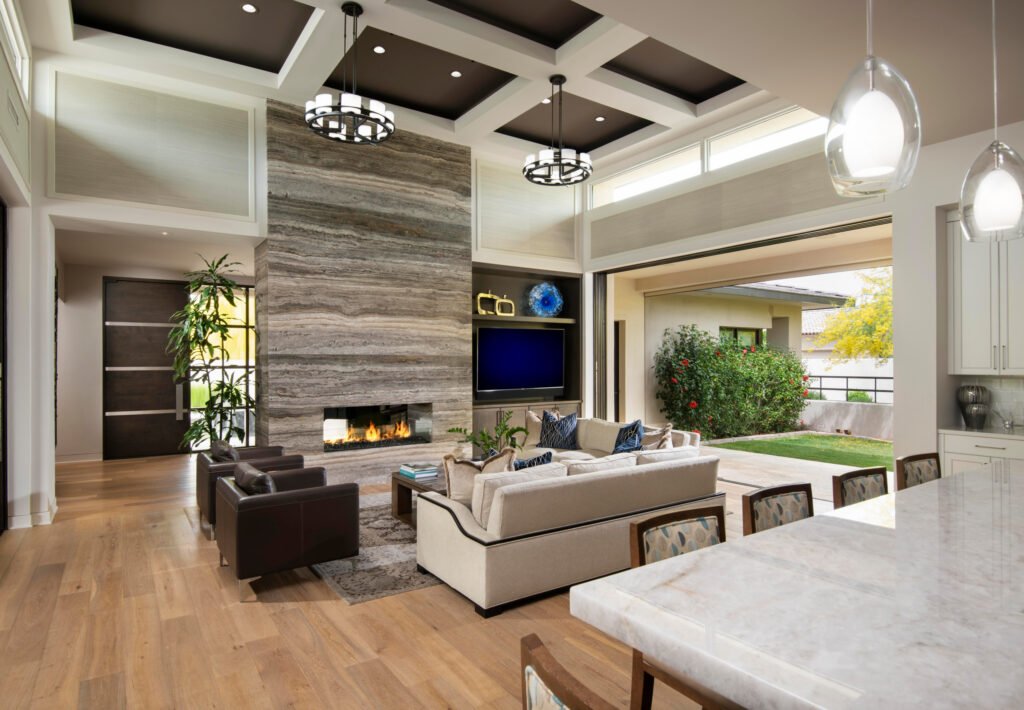
- Style Tip: Consider baseboards with subtle variations in texture or material, such as matte finishes or contrasting materials like wood or metal for a modern twist.
What Size Baseboards Are Popular Now?
Baseboards have seen a shift in popularity over the past few years, influenced by evolving interior design trends. Here’s what’s trending in 2025-2026:
- Modern and Minimalist Homes:
Flat, clean-edge baseboards of 3–4 inches are widely favored for 8-foot ceilings. The focus is on simplicity and seamless integration with walls and flooring. - Traditional Homes:
Larger, more ornate baseboards remain popular, typically 5–7 inches for 8-foot ceilings. Homeowners are combining classic moulding with subtle details for an elegant appearance. - Transitional Spaces:
A balanced choice of 4–6 inches suits both small and large rooms, combining modern minimalism with traditional touches. - Rustic and Farmhouse Trends:
Chunkier baseboards of 5–6 inches are trending, often with distressed finishes or natural wood tones to emphasize a cozy, grounded aesthetic. - Ceiling Considerations:
For taller ceilings (9–10 feet), baseboards trending around 6–8 inches create a harmonious proportion. The “7% rule” — baseboard height being roughly 7% of ceiling height — is gaining traction among designers.
Style Tip: When choosing a popular baseboard size, always consider your ceiling height and overall room style. Trending sizes are meant to guide proportion, not limit creativity.
| Style | Ceiling Height | Popular Baseboard Height |
|---|---|---|
| Traditional | 8 ft | 5–7 in |
| Modern | 8 ft | 3–4 in |
| Transitional | 8 ft | 4–6 in |
| Rustic/Farmhouse | 8 ft | 5–6 in |
| Contemporary | 8 ft | 3–5 in |
Matching Baseboards with Wall and Flooring Styles
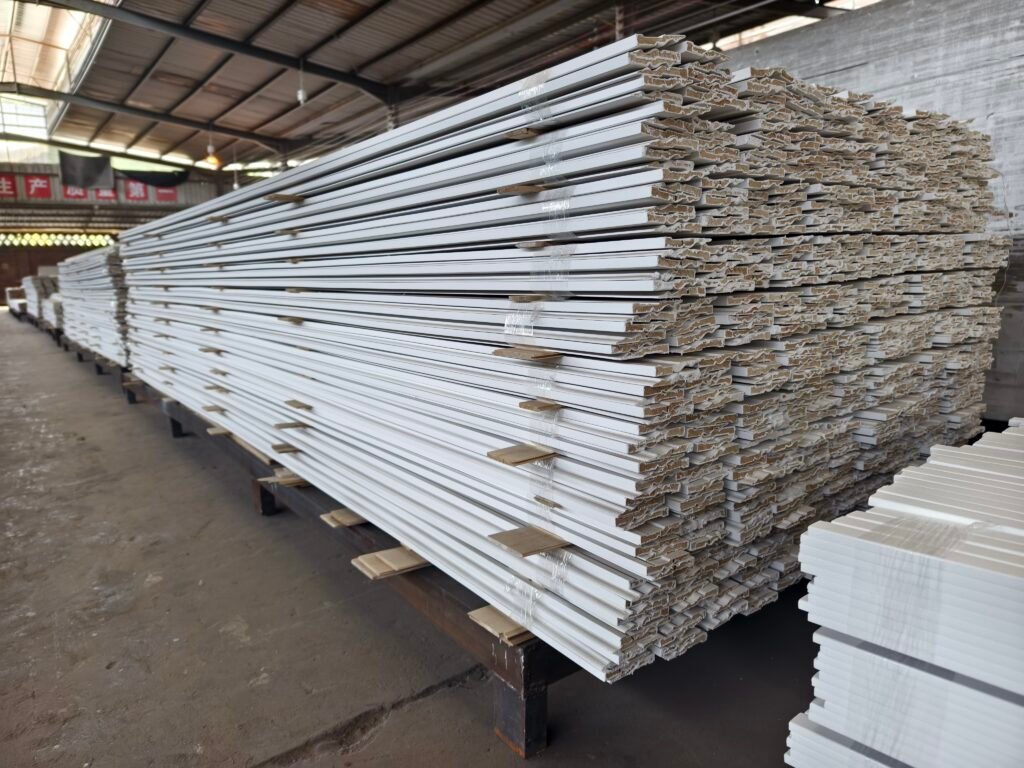
Choosing the right baseboard goes beyond height—it’s also about how it complements your walls and flooring. A well-matched baseboard can tie the room together, enhance the design, and highlight your interior style. Here’s a guide to matching baseboards with different wall and flooring choices:
1. Modern and Minimalist Interiors
- Walls: Neutral tones like white, grey, or soft pastels
- Flooring: Hardwood, laminate, or polished concrete in light to medium shades
- Baseboard Tip: Use sleek, flat baseboards with a height of 3–4 inches. Matte finishes in white or subtle shades blend seamlessly with walls, emphasizing clean lines.
2. Traditional Interiors
- Walls: Rich, warm colors or classic wallpapers
- Flooring: Dark hardwood, parquet, or patterned tiles
- Baseboard Tip: Choose taller baseboards (5–7 inches) with ornate moulding or fluting. Painted white or in a complementary wall color, they add elegance and balance the room’s grandeur.
3. Transitional Spaces
- Walls: Soft neutrals or a mix of warm and cool tones
- Flooring: Medium-toned hardwood, engineered wood, or subtle tiles
- Baseboard Tip: Medium-height baseboards (4–6 inches) with slight bevels or subtle profiles work best. They bridge the gap between modern simplicity and traditional elegance.
4. Rustic and Farmhouse Styles
- Walls: Natural tones, textured finishes, or shiplap
- Flooring: Reclaimed wood, distressed hardwood, or stone tiles
- Baseboard Tip: Chunky baseboards (5–6 inches) in natural wood or distressed finishes emphasize a grounded, cozy feel. They should highlight the texture and warmth of rustic materials.
5. Contemporary Interiors
- Walls: Light neutrals, soft pastels, or accent walls
- Flooring: Hardwood, vinyl, or tiles with modern textures
- Baseboard Tip: Sleek baseboards (3–5 inches) with subtle texture or mixed materials (wood + metal) add a modern twist without overpowering the room.
Style Tip: When selecting baseboards, always consider contrast and continuity. Lighter baseboards can brighten a room, while darker ones can anchor the space, creating visual interest and proportion.
Ideal Baseboard Heights for Different Ceiling Heights
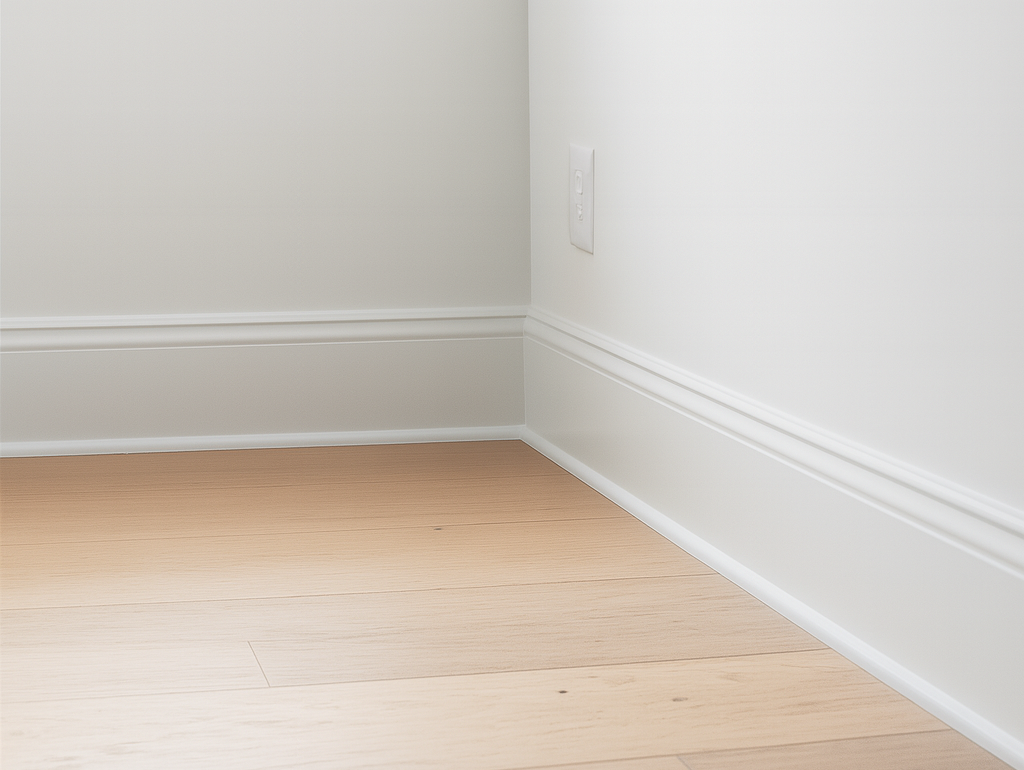
- 8-foot ceiling: For most styles, baseboards should be between 3 and 5 inches. Traditional and farmhouse styles may opt for 5-7 inches for a more substantial look.
- 9-foot ceiling: Baseboards of 5 to 6 inches complement these spaces, with transitional and modern designs leaning toward the shorter range, and traditional styles towards the taller range.
- 10-foot ceiling: Baseboards should be between 6 and 7 inches to balance the space’s proportions, especially in larger, more open rooms.
- Ceilings above 10 feet: For rooms with higher ceilings, you can opt for baseboards that are 7 inches or more to create a balanced, grand appearance.
Conclusion
Choosing the right baseboard height for your room isn’t just about the dimensions of the space. It’s also about how the baseboard works with the style and mood you want to create. Whether you’re working with traditional, modern, transitional, rustic, or contemporary designs, the key is to maintain balance and proportion. By considering ceiling height and the aesthetic goals of your room, you can choose the ideal baseboard height to complement and enhance your interior space.