Designing and building homes in humid or coastal regions brings a unique set of challenges — and flooring is one of the most critical.
Humidity, salt air, and temperature swings can warp, swell, or even destroy traditional flooring materials if they’re not chosen carefully. Whether it’s a beachfront villa, a lakeside cabin, or a tropical family home, selecting the right flooring can make the difference between long-lasting beauty and costly repairs.
For humid or coastal homes, the best flooring options are Luxury Vinyl Plank (LVP) or SPC flooring, ceramic or porcelain tile, engineered hardwood, bamboo flooring, and epoxy-coated concrete. These materials resist moisture, warping, mold, and salt exposure while providing durability, stability, and easy maintenance. Choosing the right flooring ensures long-lasting performance, protects the investment, and keeps coastal or humid homes both beautiful and functional.
The Challenge: Moisture Meets Materials
In humid or coastal areas, the air is constantly filled with moisture. Floors face daily exposure to high humidity, occasional flooding, and salty air, all of which can cause:
- Warping and swelling in solid wood floors
- Delamination in low-quality laminate
- Mold and mildew growth under porous materials
- Corrosion on fasteners and metal trims
Because flooring covers such a large surface area, the wrong choice can quickly turn into a maintenance nightmare.
What to Look for in Flooring for Humid Climates
When selecting flooring for high-humidity or seaside environments, builders and homeowners should look for these characteristics:
- Moisture Resistance – The material must resist swelling, warping, or rotting.
- Dimensional Stability – It should maintain its shape even under varying temperatures and humidity.
- Ease of Maintenance – Resistant to mold, stains, and easy to clean.
- Durability & Longevity – Withstands sand, salt, and foot traffic without wearing down.
- Aesthetic Flexibility – Should offer the look of wood or stone without the drawbacks.
Top Flooring Options for Humid or Coastal Homes
1. Luxury Vinyl Plank (LVP) or SPC Flooring
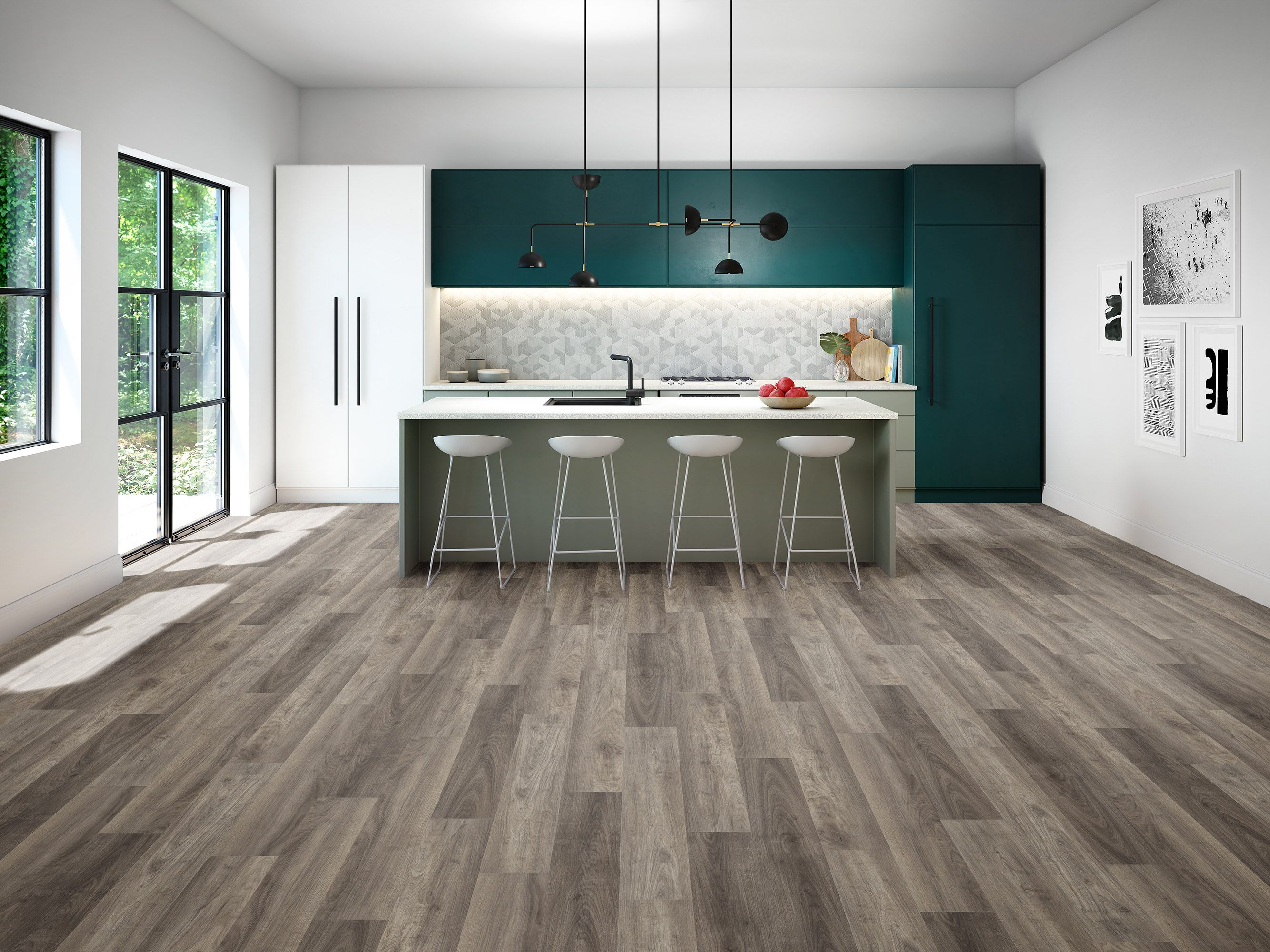
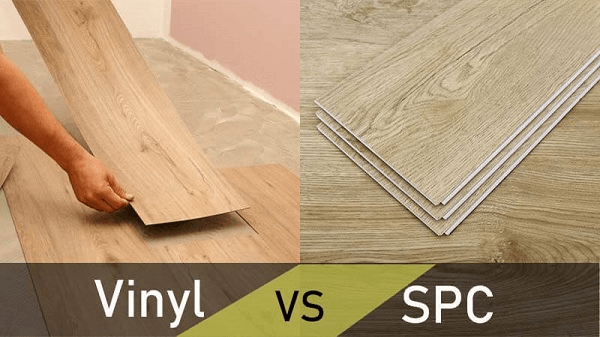
This is one of the most popular and practical choices for humid areas. LVP (Luxury Vinyl Plank) and SPC (Stone Plastic Composite) floors are 100% waterproof, durable, and available in designs that mimic real wood or stone.
Advantages:
- Completely waterproof, preventing warping or swelling.
- Resistant to mold and mildew.
- Easy to clean and maintain.
- Affordable with realistic wood or stone aesthetics.
Best Use: SPC is ideal for areas with extreme temperature fluctuations or direct sunlight exposure due to its stone composite core, which enhances dimensional stability.
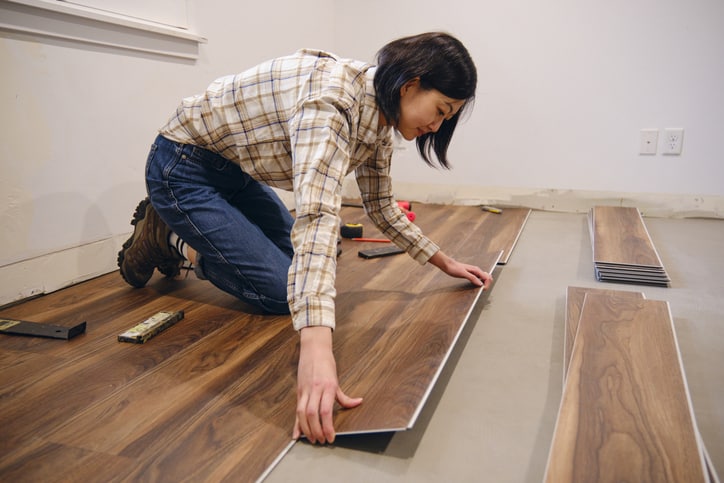
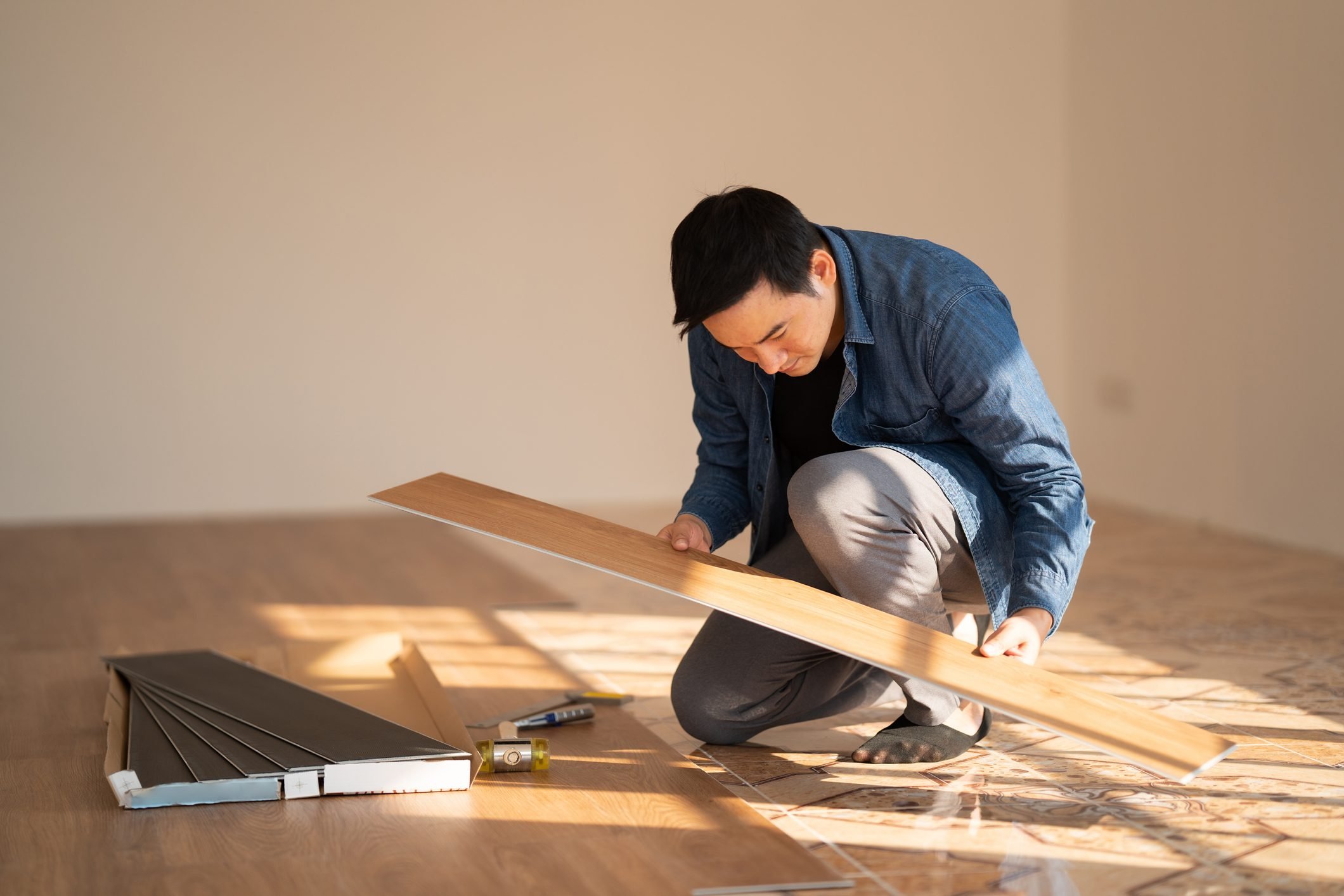
Installation Tip: Ensure a flat, level subfloor and follow manufacturer guidelines for expansion gaps to avoid buckling.
2. Ceramic or Porcelain Tile
Ceramic and porcelain tiles are time-tested solutions for humid or tropical homes. Non-porous and highly durable, they resist water, salt, and humidity.
Advantages:
- Excellent water and salt resistance
- Ideal for kitchens, bathrooms, and entryways
- Cool underfoot — great for hot climates
Best Use: Kitchens, bathrooms, entryways, or full ground floors in tropical or coastal homes.
Pro Tip: Use textured or matte tiles to improve slip resistance in wet areas. Seal grout to prevent moisture absorption and mold growth.
3. Engineered Hardwood
If the homeowner loves the warmth and texture of natural wood, engineered hardwood is a smart alternative. Unlike solid wood, it’s made with multiple layers that resist moisture-related movement.
Advantages:
- Real wood surface with better stability
- Works well in air-conditioned coastal interiors
- Can be refinished once or twice for longevity
Best Use: Ideal for living rooms, bedrooms, and interior spaces in coastal or humid homes where moderate moisture exposure occurs. Avoid wet areas like bathrooms or unfinished basements.
Pro Tip: Always acclimate the engineered hardwood to the indoor environment before installation. Use a proper vapor barrier over concrete subfloors to prevent moisture damage, and maintain consistent indoor humidity levels for long-term stability.
4. Bamboo Flooring
Eco-friendly and naturally resilient, bamboo is a strong contender for humid regions — especially strand-woven bamboo, which is denser and more moisture-resistant.
Advantages:
- Renewable and sustainable
- More stable than traditional hardwood
- Unique, natural aesthetic
Best Use: Living areas, bedrooms, and indoor spaces in coastal homes.
Pro Tip: Choose engineered bamboo with a water-resistant finish for maximum performance in humid or coastal regions.
5. Epoxy-Coated Concrete
For modern, minimalist designs — especially in beach houses — epoxy concrete floors are gaining popularity. They’re seamless, waterproof, and can handle both humidity and salt exposure with ease.
Advantages:
- Extremely durable and water-resistant
- Customizable finishes (matte, glossy, metallic)
- Ideal for basements, garages, or entire ground floors
Best Use: Ideal for garages, basements, ground floors, or entire coastal homes requiring a highly durable, moisture-resistant surface. Works well in modern, industrial, or beach house designs.
Pro Tip: Ensure professional installation with meticulous surface preparation. Use primer and multiple epoxy layers for long-term durability. Maintain the surface with gentle cleaners to preserve finish and prevent wear over time.
Installation & Maintenance Best Practices
To ensure long-lasting performance in humid or coastal environments:
- Install vapor barriers or subfloor sealing before flooring installation.
- Use adhesives rated for high-humidity and coastal conditions.
- Maintain a regular cleaning and inspection schedule, especially in salt-exposed areas.
- Consider professional installation for sensitive materials like engineered hardwood or epoxy floors.
The Smart Way to Specify Flooring
Choosing the right flooring isn’t just about the material — it’s about the system. Builders should ensure:
- Proper subfloor sealing or vapor barrier installation
- High-quality adhesives designed for humid environments
- Routine maintenance plans, especially for coastal exposure
At United Woods Group, we work closely with builders and designers to source high-performance flooring solutions that stand up to humidity, heat, and heavy use — while keeping the look and feel of premium natural materials.
Final Thoughts
Homes built near the coast should reflect resilience as much as beauty. The right flooring not only enhances aesthetics but also protects your investment from moisture and climate stress.
From SPC waterproof planks to engineered bamboo and porcelain tile, modern materials now allow coastal homeowners to enjoy lasting comfort without compromise.
Durability starts from the ground up — and the right floor makes all the difference.