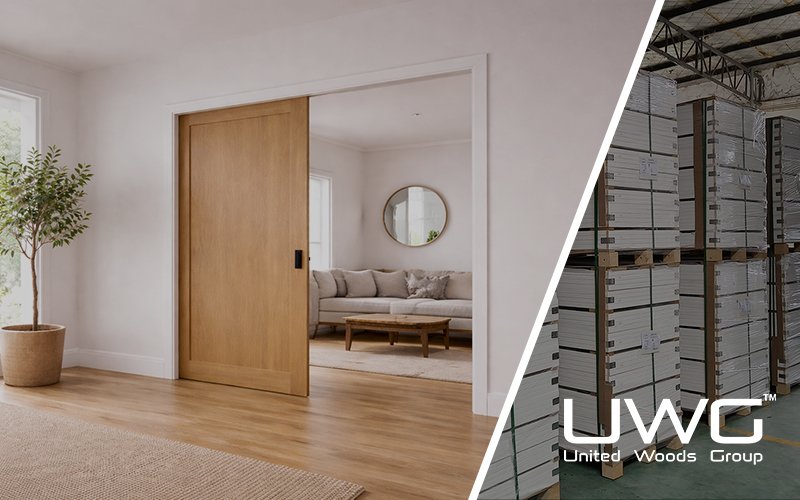
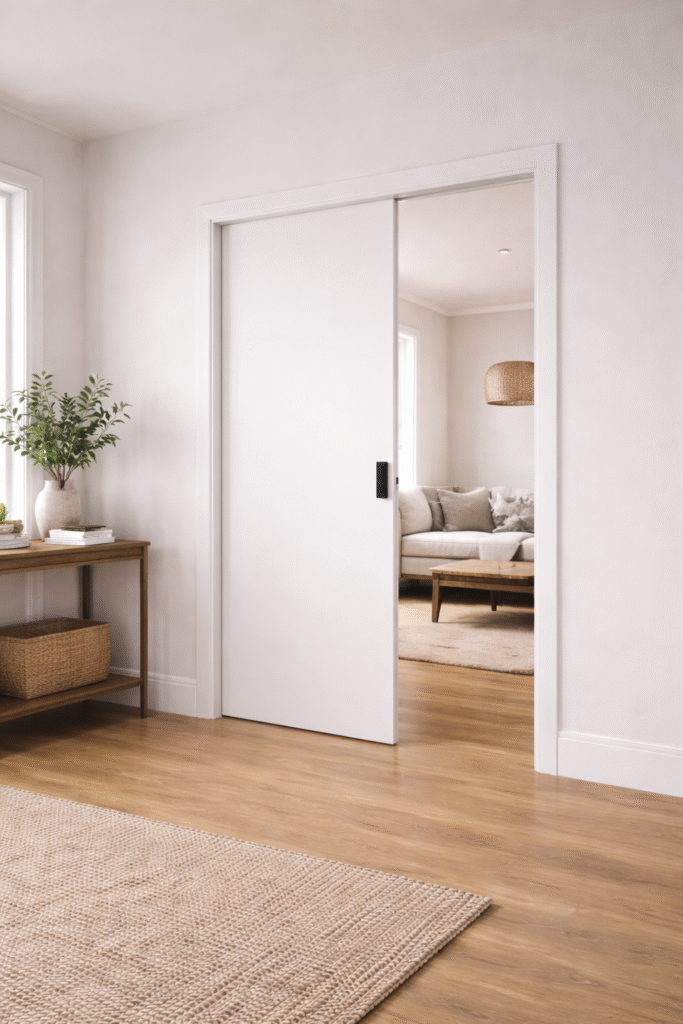
Pocket doors have become a popular solution in modern interior design, especially in apartments, compact homes, and renovation projects where maximizing space is essential. Unlike traditional hinged doors that swing open, pocket doors slide horizontally into a hidden cavity within the wall, allowing the doorway to remain completely clear when the door is open. This design not only saves space but also creates a clean, minimalist appearance that works well in contemporary interiors.
Pocket doors are commonly used in areas such as bathrooms, closets, home offices, kitchens, and laundry rooms. They are also frequently used in apartments and multi-family housing projects where efficient use of floor space is critical.
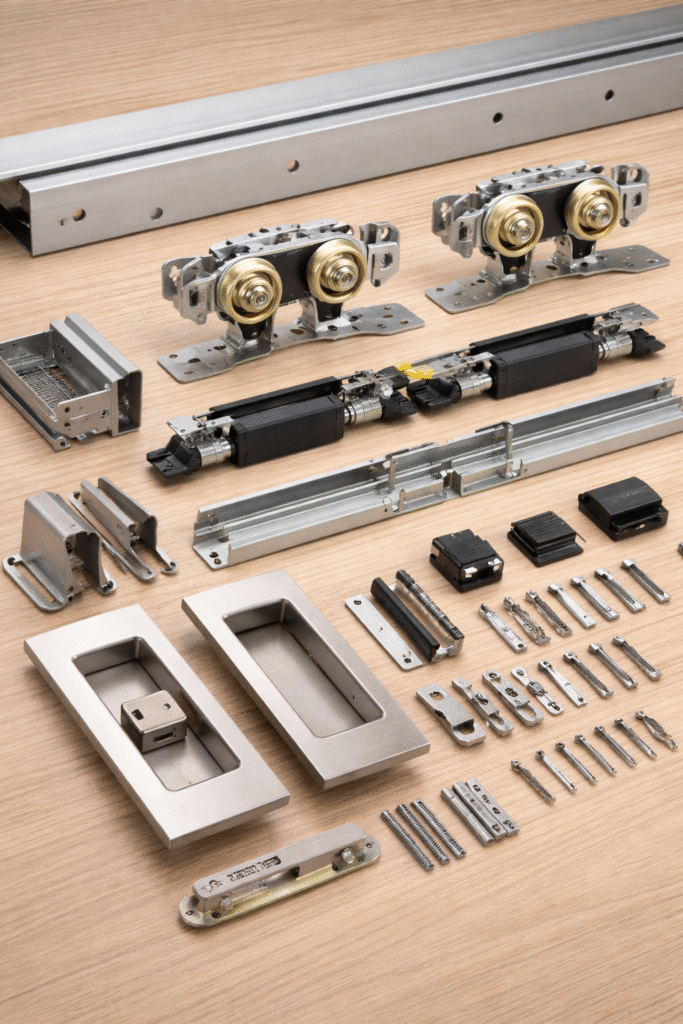
A pocket door system typically includes several key components: the door panel, sliding track, rollers, pocket frame, soft-close mechanism, and recessed handles. These hardware components work together to allow the door to slide smoothly into the wall cavity. Because pocket doors rely heavily on proper hardware and structural planning, choosing the wrong materials or components can lead to poor performance, noise, or installation problems.
Understanding the most common mistakes when selecting pocket doors can help homeowners, builders, architects, and designers ensure smoother installation, better durability, and long-term functionality. This article explains the most frequent mistakes people make when selecting pocket doors and provides practical ways to avoid them.
Understanding Pocket Door Components
Before choosing a pocket door, it is important to understand the main components of the system. Pocket doors rely on a combination of structural framing and hardware systems to function properly.
Key components include:
- Door panel – the sliding door itself, usually made of MDF, solid wood, glass, or engineered wood.
- Track system – mounted above the door opening to guide the door’s movement.
- Rollers – allow the door to slide smoothly along the track.
- Pocket frame – a metal or wood structure inside the wall that holds the sliding door cavity.
- Soft-close mechanism – optional hardware that slows the door before closing.
- Recessed door pulls – handles designed specifically for sliding doors.
Choosing compatible components is essential for reliable performance.
1. Ignoring Wall Structure Requirements
One of the most common mistakes when installing pocket doors is assuming that any wall can accommodate the door system. Pocket doors require a hollow cavity inside the wall that is large enough for the door to slide completely inside.
However, many interior walls contain:
- Electrical wiring
- Plumbing pipes
- HVAC ducts
- Load-bearing structural studs
Installing a pocket door in such walls without proper evaluation can cause construction complications or structural damage.
How to Avoid This Mistake
Before installing a pocket door:
- Verify that the wall is not load-bearing, or consult a structural engineer.
- Check for electrical wiring and plumbing inside the wall.
- Ensure the wall thickness can accommodate the pocket frame.
Planning the installation early in the design phase is the best way to avoid costly modifications later.
2. Choosing Low-Quality Sliding Hardware
The sliding track and roller system determine how smoothly a pocket door operates. Many buyers focus only on the door panel while overlooking the importance of the hardware system.
Low-quality hardware can lead to problems such as:
- Loud sliding noise
- Uneven door movement
- Track misalignment
- Short hardware lifespan
Over time, poor-quality rollers may wear down and cause the door to stick or jam.
How to Avoid This Mistake
Choose high-quality pocket door hardware that includes:
- Aluminum or steel heavy-duty tracks
- Ball-bearing rollers
- Adjustable hangers
- Soft-close systems
Premium hardware systems improve durability and ensure quieter door operation.
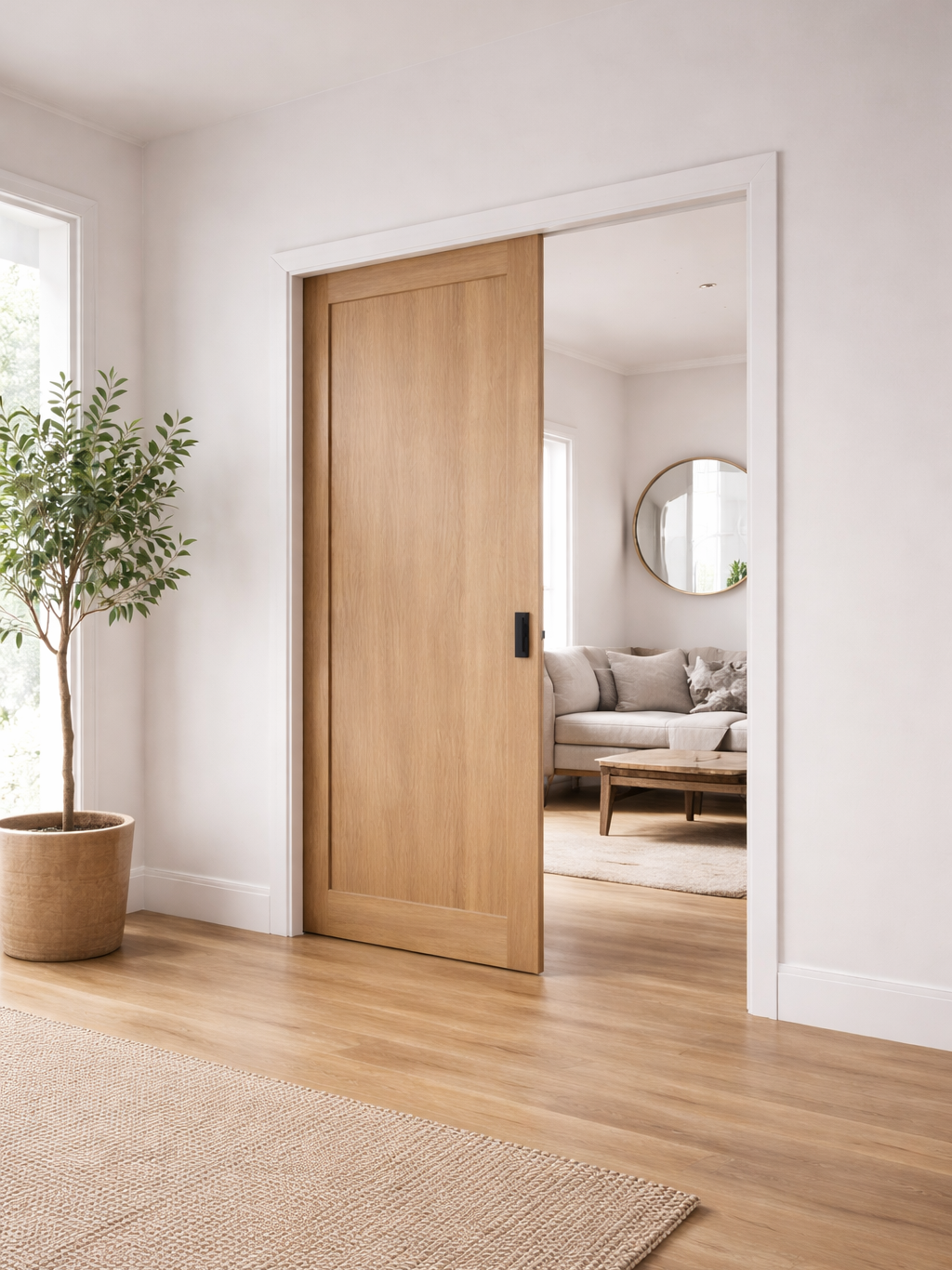
3. Selecting the Wrong Door Material
The material of the door panel directly affects the weight, stability, and durability of the pocket door system. Choosing the wrong material may lead to excessive strain on the hardware or long-term deformation of the door.
For example, solid wood doors may be visually appealing but can be heavy and susceptible to humidity changes.
The following table compares common pocket door materials:
| Door Material | Advantages | Disadvantages | Best Applications |
|---|---|---|---|
| Solid Wood | Natural appearance, strong structure | Heavy, sensitive to humidity | High-end residential interiors |
| MDF | Smooth surface, stable, easy to paint | Moderate moisture resistance | Interior residential doors |
| Engineered Wood | Good stability and durability | Higher cost | Apartments and modern homes |
| Glass Panel | Modern design, allows natural light | Requires special hardware | Offices and contemporary spaces |
We once supplied pocket doors for a beachfront project in Florida. The client initially insisted on solid wood, but considering the local humidity, we recommended switching to engineered wood with a real wood veneer. Two years later, the doors remain perfectly straight, with none of the warping issues common with solid wood that can cause pocket doors to jam.
How to Avoid This Mistake
For most residential interior pocket doors, MDF or engineered wood doors offer a good balance between durability, stability, and weight.
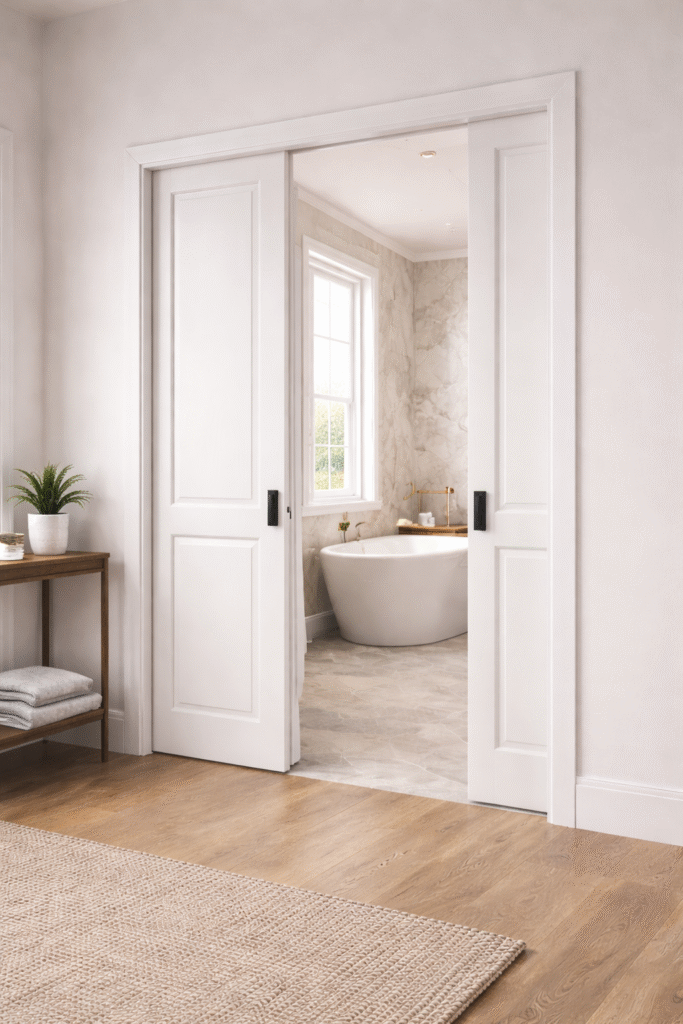
4. Ignoring Door Thickness and Weight Limits
Pocket door systems are designed to support specific door thicknesses and weight limits. Choosing a door that exceeds these limits can result in installation difficulties or poor sliding performance.
Typical specifications include:
- Door thickness: 35 mm – 45 mm
- Standard heights: 80 inches (2032 mm) or 96 inches (2438 mm)
- Weight capacity depending on hardware system
A door that is too heavy may damage the rollers or cause the door to slide unevenly.
How to Avoid This Mistake
Always check the manufacturer’s technical specifications and confirm:
- Maximum door weight supported by the track system
- Compatible door thickness
- Hardware compatibility
This ensures proper installation and smooth sliding performance.
5. Overlooking Maintenance and Accessibility
Pocket doors are hidden inside the wall, which means maintenance can be more challenging compared to traditional doors. If the hardware fails or requires adjustment, accessing it may require partial wall removal.
How to Avoid This Mistake
Choose pocket door systems designed with maintenance access in mind. Many modern systems offer:
- Adjustable rollers accessible from the door opening
- Removable door panels
- Anti-jump hardware mechanisms
Planning maintenance access during installation can prevent costly repairs in the future.
Frequently Asked Questions About Pocket Door Selection
Q: What is the most common mistake when installing a pocket door?
A: The most common mistake is ignoring the wall structure requirements. Builders must ensure the wall cavity is free of plumbing, electrical wiring, HVAC ducts, and is not a load-bearing structural support before installing the pocket frame.
Q: Why is high-quality sliding hardware so important for pocket doors?
A: Low-quality hardware leads to noisy operation, track misalignment, and a short lifespan. High-quality systems equipped with heavy-duty aluminum or steel tracks, ball-bearing rollers, and soft-close mechanisms ensure smooth, quiet, and durable performance over time.
Q: What are the best door materials to use for a pocket door system?
A: Dimensionally stable materials like MDF (Medium Density Fiberboard) or engineered wood are highly recommended. Natural solid wood is more prone to warping and bowing due to humidity changes, which can cause the door to rub or get permanently stuck inside the pocket cavity.
Q: How does door weight affect pocket door hardware?
A: Every pocket door track and roller system has a specific maximum weight capacity. Underestimating the door slab’s weight—especially for solid core or glass-paneled doors—can lead to premature roller failure, making the door difficult to open or close.
Conclusion
Pocket doors provide an efficient and stylish solution for saving space in modern interiors. Their ability to slide into the wall cavity makes them particularly useful in small rooms, apartments, and renovation projects.
However, selecting the wrong pocket door system can lead to performance issues, installation challenges, and higher long-term costs. Common mistakes include ignoring wall structure requirements, choosing low-quality hardware, selecting unsuitable door materials, and overlooking size compatibility.
By carefully evaluating wall conditions, selecting reliable sliding hardware, choosing stable door materials such as MDF or engineered wood, and ensuring the door size matches the hardware specifications, homeowners and builders can avoid these common mistakes.
When properly selected and installed, pocket doors offer smooth operation, durability, and elegant space-saving functionality that enhances both residential and commercial interiors.