When planning a new home or upgrading an existing space, one of the most important design choices is how to connect your indoor living area with the outdoors. Patio doors play a key role in that transition, affecting not only how your home looks but also how it functions. Among the most popular options today are sliding patio doors and bi-fold patio doors, both offering their own unique aesthetic and functional benefits.
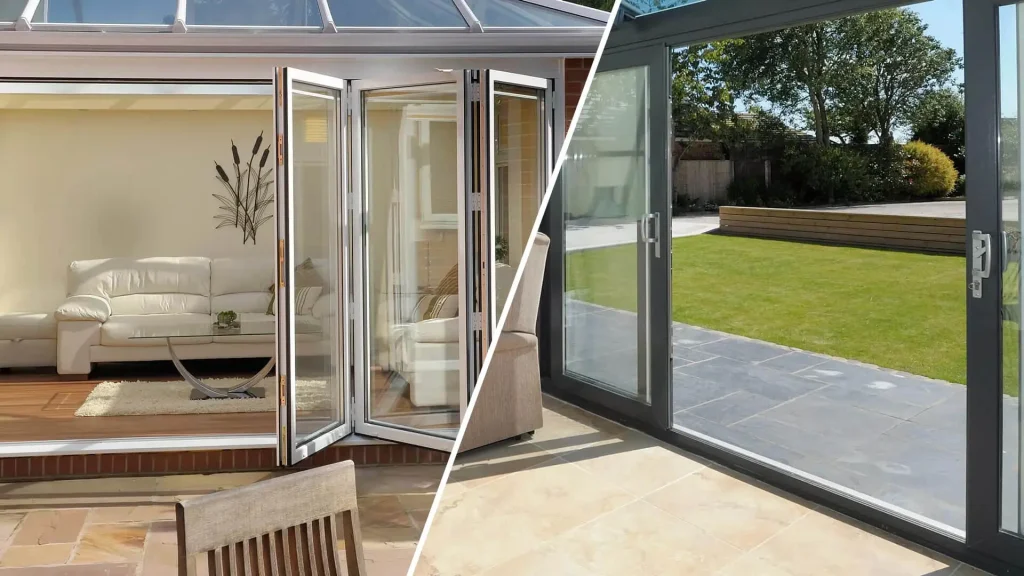
While sliding doors move horizontally along a fixed track, bi-fold doors fold and stack neatly to one side. In simple terms, sliding doors are ideal when you want a clean, modern look and efficient use of space—perfect for smaller patios, balconies, or contemporary apartments. Bi-fold doors, on the other hand, are designed for larger openings and create a seamless flow between indoor and outdoor areas, making them a favorite choice for luxury homes, open-concept living spaces, and entertainment areas. Sliding doors emphasize practicality and space-saving design; bi-fold doors focus on openness and a high-end architectural statement.
Both types can transform a space, but your final choice depends on what matters most—space, aesthetics, or lifestyle. Understanding their differences is the first step toward choosing the right one for your project.
Design, Operation, and Space Considerations
When comparing sliding and bi-fold patio doors, the differences become clear not only in appearance but also in how they function and interact with your living space. Each type of door creates a distinct atmosphere and suits different architectural layouts.
Sliding Patio Doors
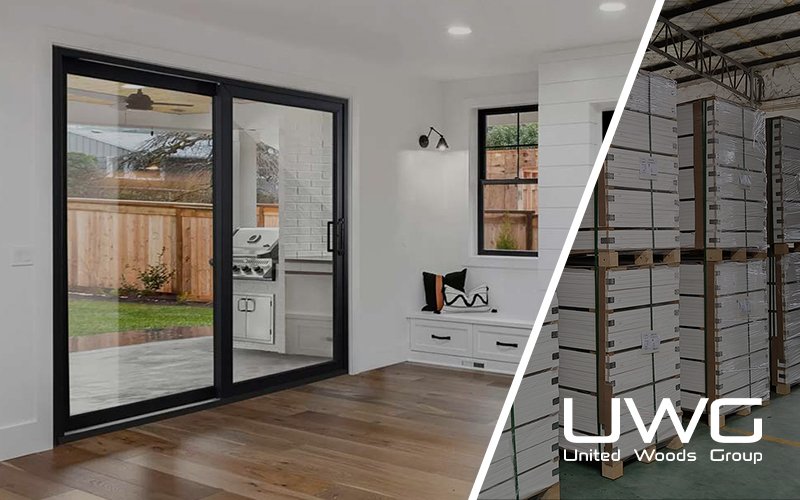
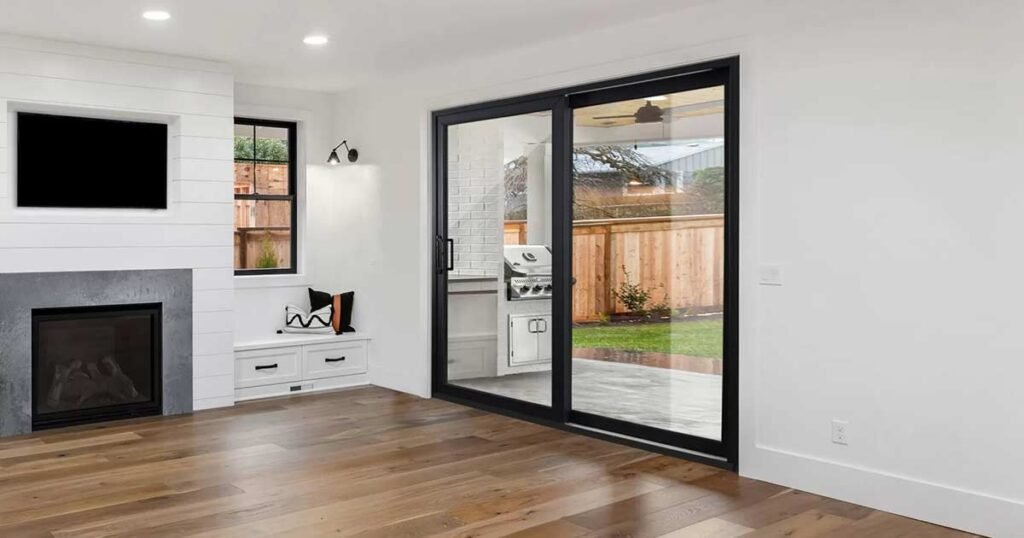
Sliding doors feature one or more large glass panels that glide horizontally along a track. Because they don’t swing inward or outward, they require no extra floor space, making them perfect for compact areas or urban homes. Their sleek frames and uninterrupted glass create a modern, minimalist aesthetic that maximizes outdoor views—even when closed.
Key advantages of sliding patio doors:
- Space-saving design
- Modern and clean aesthetic
- Energy-efficient insulation and weather sealing
- Low maintenance and durability
Bi-Fold Patio Doors
Bi-fold doors consist of multiple connected panels that fold and stack to one side. Fully opened, they create a wide, unobstructed passage, blurring the line between indoor and outdoor spaces. This design is perfect for large patios, garden openings, or entertainment areas. Bi-fold doors suit contemporary and luxury homes, as well as commercial projects emphasizing natural light and indoor-outdoor flow.
Key advantages of bi-fold doors:
- Seamless indoor-outdoor flow
- Dramatic visual and architectural impact
- Ideal for entertainment and open-concept living
- Customizable materials: aluminum, uPVC, or wood finishes
Sliding doors prioritize functionality and simplicity, while bi-fold doors deliver flexibility, openness, and a luxury feel. Sliding doors often provide better insulation and energy efficiency, while bi-fold doors create a strong experiential impact.
Which Door Fits Your Project?
Choosing between sliding and bi-fold patio doors ultimately comes down to how you plan to use the space and what kind of experience you want to create. While both options enhance the connection between indoor and outdoor living, their practical strengths vary across different project types and user needs.
For Homeowners and Renovators
Sliding patio doors: Best for smaller homes, apartments, or areas with limited patio depth. Affordable, easy to operate, and low-maintenance.
Bi-fold patio doors: Perfect for homeowners who want a luxurious, dynamic space. Fully opened, they flood the home with light and create a resort-style connection between indoor and outdoor areas.
For Builders and Developers
Sliding doors: Affordable, versatile, and easy to install, making them ideal for multi-unit developments or commercial projects.
Bi-fold doors: Premium option for custom homes and luxury developments. Offer high design value and appeal to discerning buyers.
For Wholesalers and Distributors
Understanding customer priorities is key. Builders often prefer sliding systems for volume projects, while design-driven clients and renovators lean toward bi-fold doors. Offering both types ensures your product lineup meets a broad spectrum of customer needs.
In essence, sliding patio doors deliver simplicity, affordability, and efficiency, while bi-fold patio doors deliver openness, luxury, and architectural flair. The right choice depends not only on space and budget but also on how the door complements the project’s overall vision.
Cost, Installation, and Long-Term Value
Beyond aesthetics and functionality, cost and practicality are often the deciding factors in choosing between sliding and bi-fold patio doors. Understanding the investment, installation process, and maintenance requirements of each option can help you plan for both the short and long term.
Initial Cost
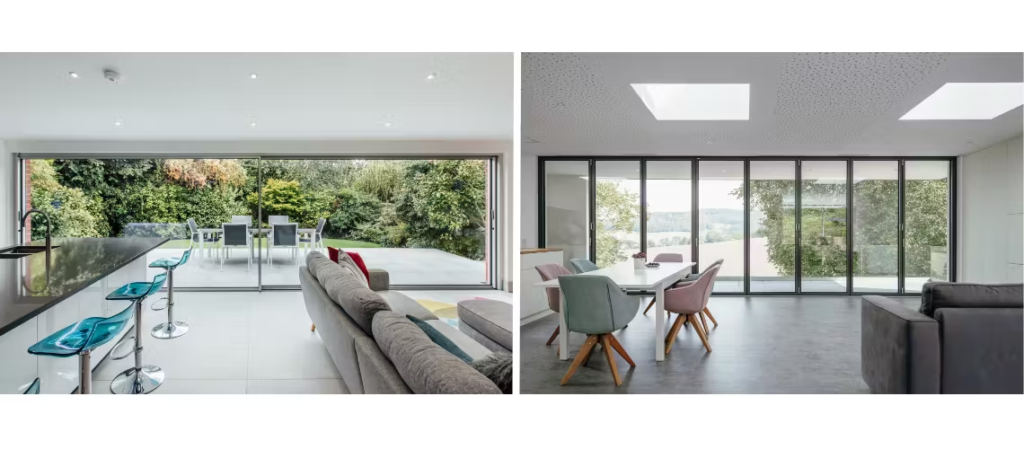
Sliding patio doors are generally more budget-friendly. Their design is simpler—typically two large glass panels on a single track—making them economical to manufacture, transport, and install. For builders and wholesalers managing large projects, this translates into lower per-unit costs and faster turnaround times.
Bi-fold doors, by contrast, have a more intricate design, involving multiple hinged panels, tracks, and precision hardware. This complexity leads to higher material and labor costs, especially for larger openings. However, the premium is often justified by their impressive visual impact and added property value, particularly in custom homes or upscale renovations.
Installation and Structure
Installing sliding doors is straightforward: they require minimal framing modifications and can often replace standard door openings. Their compact track system makes them easy to align and adjust, which helps contractors save on installation time and cost.
Bi-fold systems, on the other hand, demand greater precision and structural support. The alignment of tracks, hinges, and folding panels must be exact to ensure smooth operation and long-term reliability. For builders, this means more labor and sometimes reinforced headers to bear the additional weight. While installation takes longer, the result is a striking architectural feature that adds a sense of luxury to any project.
Maintenance and Durability
When it comes to maintenance, sliding doors are relatively low-effort. Keeping the tracks clean and lubricated ensures smooth operation, and replacement parts are widely available. Their enclosed design also offers better weather resistance, which minimizes drafts and helps maintain consistent indoor temperatures.
Bi-fold doors require a bit more attention. Because of their multiple hinges and folding mechanisms, they benefit from regular checks and adjustments to prevent sagging or misalignment. However, with proper installation and occasional maintenance, they remain durable and reliable for many years.
Material choice also influences longevity—aluminum and uPVC are popular for their weather resistance and low upkeep, while wood or wood-clad finishes appeal to buyers seeking warmth and character, albeit with slightly higher maintenance.
Long-Term Value
Over time, both options can offer excellent returns depending on the property type. Sliding doors contribute steady value through energy efficiency, durability, and universal appeal, while bi-fold doors often increase perceived property value by enhancing space and design.
For developers, sliding doors deliver consistent ROI on large-scale projects; for homeowners, bi-fold doors provide lifestyle value that can elevate a home’s overall experience. The best investment is the one that aligns with your project goals—whether that means optimizing cost efficiency or maximizing architectural impact.

Sliding vs Bi-Fold Patio Doors: Comparison Table
| Feature | Sliding Patio Doors | Bi-Fold Patio Doors |
|---|---|---|
| Operation | Horizontal sliding along a track | Multiple panels fold and stack to one side |
| Space Requirement | Minimal clearance needed | Requires stacking space to fold panels |
| Best For | Small patios, apartments, compact spaces | Large patios, open-concept living, luxury homes |
| Aesthetic Style | Sleek, modern, minimalist | Dramatic, open, luxurious |
| Energy Efficiency | High – tight frame and sealed panels | Moderate – more panels can reduce sealing efficiency |
| Maintenance | Low – keep track clean and lubricated | Medium – hinge adjustments may be needed |
| Installation | Quick, simple, minimal structural modification | Precise alignment, may need reinforced headers |
| Cost | Budget-friendly | Higher initial cost |
| Indoor-Outdoor Flow | Limited when closed | Seamless when fully opened |
| Long-Term Value | Steady ROI through durability and energy efficiency | Adds lifestyle value and architectural impact |
Making the Right Choice
There’s no one-size-fits-all answer when it comes to patio doors. Sliding doors offer a clean, space-saving, and budget-friendly solution—ideal for smaller homes and modern designs. Bi-fold doors, meanwhile, bring openness, flexibility, and a luxurious feel, perfect for wide spaces and design-focused projects.
Your final choice depends on what matters most—practicality or impact. Sliding doors make everyday living easy and efficient, while bi-fold doors transform your space into an experience. Choose the one that best matches your lifestyle, project goals, and the atmosphere you want to create.