Introduction
In interior design, it’s often the smallest details that make the biggest difference. You might spend weeks choosing the perfect paint color, flooring, or furniture, yet the edges—where floors meet walls or cabinets meet tiles—can make or break the finished look. That’s where decorative quarter round molding comes in. Subtle yet transformative, this slender trim piece can elevate an ordinary room into a refined, cohesive space.
More than just a finishing touch, a decorative quarter round serves both functional and aesthetic purposes. It covers small gaps between surfaces, protects baseboards from damage, and creates a smooth transition that makes interiors feel complete. When designed with decorative profiles, rich materials, or complementary colors, it also becomes a design element in itself—adding depth, sophistication, and visual balance to any room. Whether you’re a builder perfecting a project, a designer curating a cohesive theme, or a homeowner enhancing everyday spaces, decorative quarter rounds bring a subtle sense of craftsmanship that ties the whole room together.
What Is a Decorative Quarter Round?
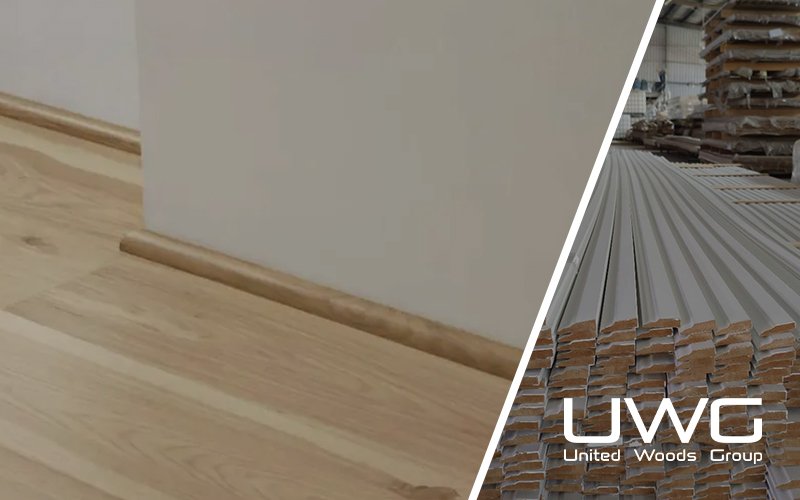
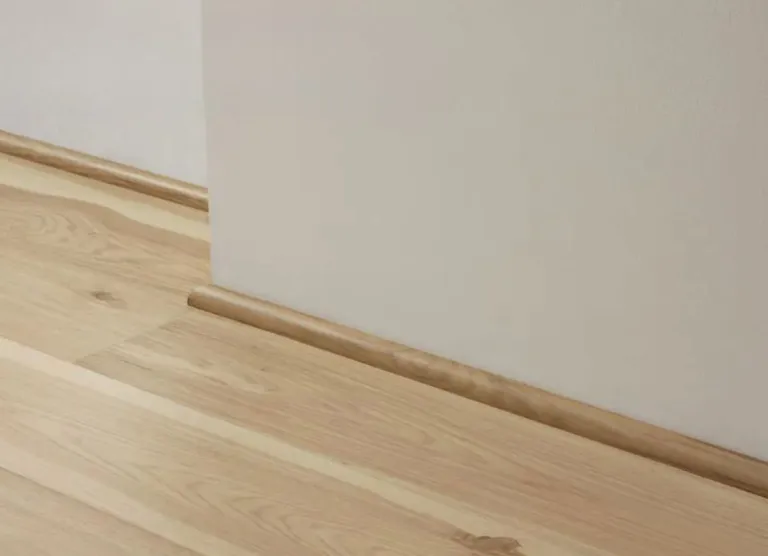
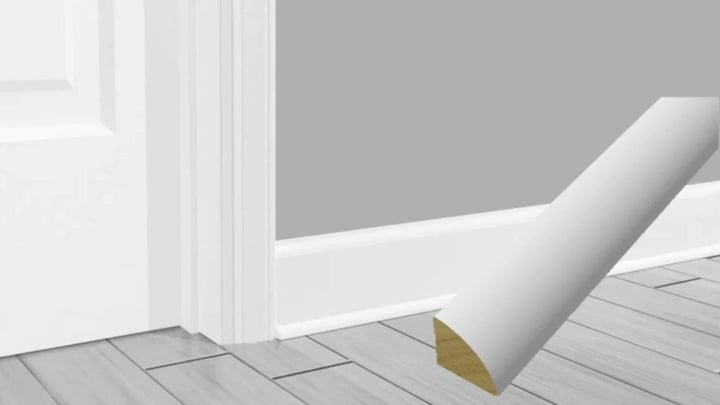
A decorative quarter round is a small but essential type of molding—typically a quarter of a round dowel—that’s installed where floors meet walls, cabinets, or other vertical surfaces. Its curved edge creates a soft transition between two planes, hiding gaps or uneven edges while providing a clean, polished finish. Though often subtle, it’s one of the most effective ways to bring harmony and precision to interior design.
Traditionally, quarter rounds were used for practical reasons—to conceal expansion gaps in flooring, protect wall edges from scuffs, and seal areas where dust might accumulate. But in modern design, their purpose extends far beyond function. Decorative quarter rounds incorporate different materials, finishes, and profiles that can complement or accentuate the room’s overall style. Whether painted to blend seamlessly with the baseboard or stained to contrast beautifully with the floor, they introduce a sense of intentionality and craftsmanship that completes a space.
These moldings are available in a variety of styles and materials, from smooth minimalist profiles for contemporary interiors to more ornate designs for traditional or classic settings. For example:
- In modern spaces, white-painted or sleek metal quarter rounds create a clean, linear look.
- In farmhouse or rustic designs, stained wood adds warmth and natural texture.
- In transitional interiors, subtle profiles in neutral tones can balance old-world charm with modern simplicity.
In essence, a decorative quarter round is both a protector and a design enhancer—a small architectural element that makes every edge look intentional, every transition seamless, and every room more cohesive.

Room-by-Room Design Inspirations
Decorative quarter rounds may be small, but they have the power to pull an entire room together. Whether used to highlight transitions, conceal imperfections, or add a refined touch, these trims can enhance the design flow and overall atmosphere of every space. Here’s how they can bring out the best in each room.
Living Room
The living room is where design and comfort meet, and the right quarter round can quietly elevate both. For modern interiors, choose smooth, painted trims that align with the baseboard color to maintain a crisp and continuous flow. A matte black or deep walnut tone can introduce subtle contrast against light flooring, creating visual depth without overpowering the décor.
For traditional or transitional spaces, consider stained wood quarter rounds that echo the tone of furniture legs, ceiling beams, or door frames. This creates harmony across vertical and horizontal elements. If your living room features large windows or open spaces, a continuous quarter round line can help visually “frame” the area, giving it structure and elegance.
Designer Tip: Add a narrow LED light strip just above the quarter round for a soft wall wash effect—a modern trick to blend functionality with mood lighting.
Kitchen
The kitchen is all about precision, practicality, and polish. Decorative quarter rounds help conceal gaps between cabinets, flooring, or countertops while contributing to a cohesive design.
If you’re working with white shaker cabinets, go for matching semi-gloss white trims to enhance that clean, timeless aesthetic. In modern or industrial kitchens, brushed metallic finishes—such as aluminum or stainless-look PVC—can tie in with appliances and fixtures. For farmhouse-style kitchens, warm wood or off-white trims with slight distressing add charm and authenticity.
Pro Tip: Install quarter rounds around the base of a kitchen island to create a framed look and visually separate it from the surrounding floor material. This subtle detail adds craftsmanship and helps define zones in open-plan layouts.

Bathroom
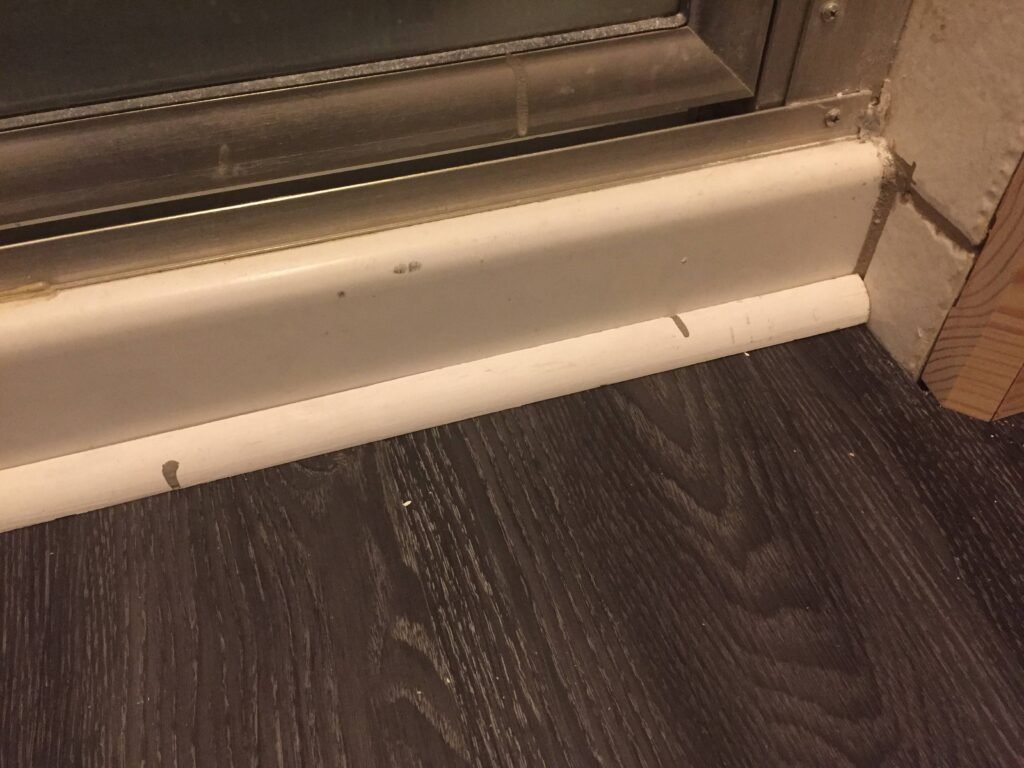
In the bathroom, durability meets design. PVC or vinyl quarter rounds are ideal for wet environments because they resist water and mold. Choose high-gloss white or soft neutral finishes to complement tiles and reflect light, giving the room a brighter and cleaner appearance.
Use quarter rounds along bathtub edges, vanity bases, and tiled walls to create smooth, watertight transitions. For a more luxurious look, try stone-effect PVC or metallic-finish trims that coordinate with faucets and hardware.
Designer Tip: Combine quarter rounds with matching caulk for a seamless, waterproof finish that looks professional and lasts longer.
Bedroom
Bedrooms thrive on calmness and balance, and decorative quarter rounds can subtly contribute to that sense of peace. Choose softer tones that blend with wall and floor colors to maintain a restful atmosphere. For wood flooring, matching the trim’s stain creates a unified flow.
In modern bedrooms, white-painted or ultra-thin quarter rounds work best to keep the lines clean and understated. For classic or romantic designs, opt for cream or pale gray trims with a satin finish that add warmth without drawing attention.
Designer Tip: Frame built-in wardrobes or window nooks with slim quarter rounds in the same color as your wall—this creates a tailored, custom-built feel with minimal effort.

Hallways and Staircases
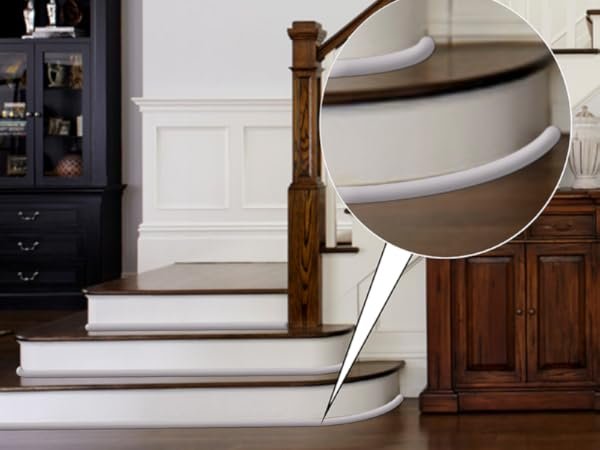
These connecting spaces often set the tone for the entire home. Quarter rounds here can serve both as protection and design accents. Along hallways, they prevent scuffs from shoes or cleaning tools while outlining the space with a sense of order.
For narrow corridors, use light-colored trims to open up the space visually. In staircases, quarter rounds can be applied to each step riser or along wall edges, enhancing definition and adding safety by making edges more visible.
To create visual drama, try contrasting colors—for example, charcoal trims against light oak stairs or metallic lines along white walls. This not only enhances architectural rhythm but also gives the space a designer-level finish.
Designer Tip: In open stairways or landings, combine quarter rounds with LED step lighting or wall sconces for a modern, gallery-like effect.
Home Office or Study
As more people work from home, creating a polished workspace has become a design priority. A decorative quarter round around built-in desks, bookshelves, or accent walls gives the room a professional finish.
For contemporary offices, choose thin white or metal-look trims for precision and simplicity. For classic libraries or studies, deep mahogany or espresso finishes complement wood furniture and lend sophistication.
Designer Tip: Use quarter rounds to hide cable channels along the baseboard—it keeps the design clean while improving functionality.
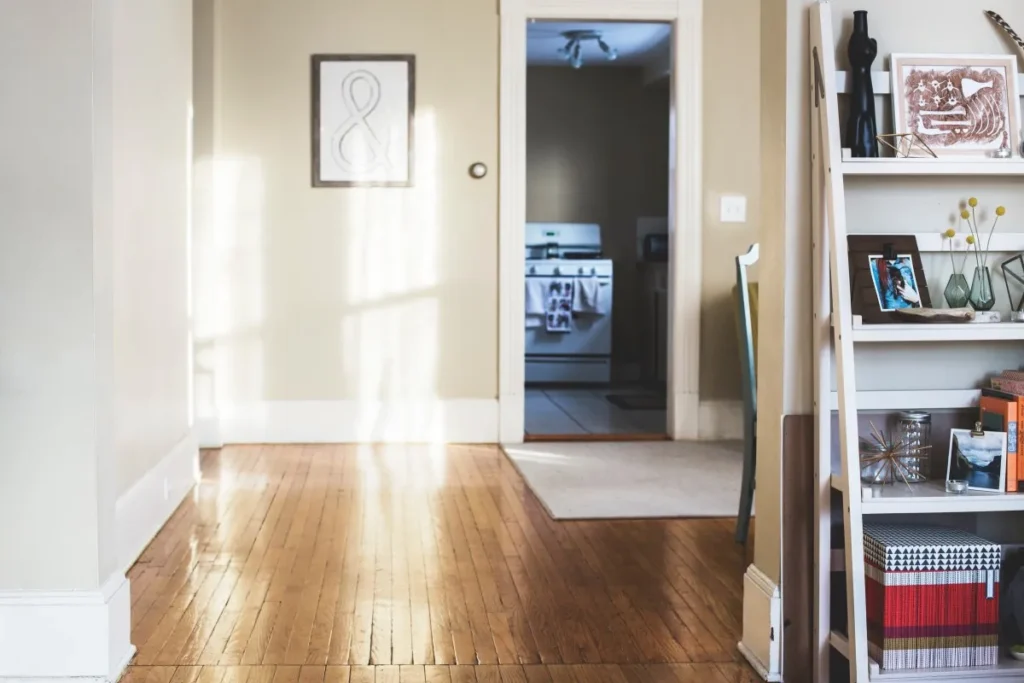
From living rooms to hallways, decorative quarter rounds are more than a finishing touch—they’re the small design element that brings structure, unity, and refinement to every corner of the home.
Choosing Materials and Styles
Once you know how decorative quarter rounds can enhance each room, the next step is choosing the right material, finish, and profile to match your project’s needs. The right choice ensures not only a cohesive aesthetic but also durability and easy maintenance over time.
Solid Wood: Classic and Timeless
Solid wood quarter rounds remain a staple in both traditional and high-end interiors. Common species include oak, maple, pine, and walnut—each offering its own texture and warmth. Wood trims can be stained, painted, or varnished to match baseboards or flooring, providing a continuous and natural look.
They’re ideal for living rooms, bedrooms, and hallways, where humidity is low and visual warmth is desired. While wood offers unmatched beauty, it does require regular maintenance to protect against moisture and wear.
Best for: Traditional, farmhouse, and transitional designs seeking a natural or custom-finished look.
MDF: Affordable and Versatile
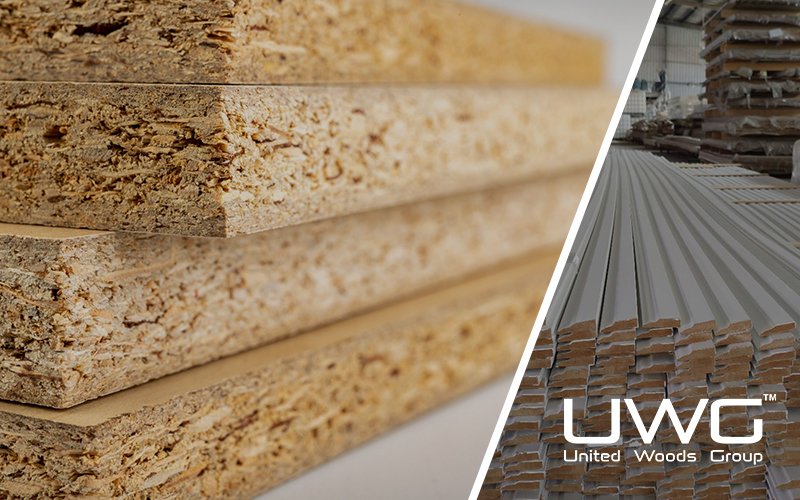
MDF (Medium-Density Fiberboard) quarter rounds are a cost-effective alternative for large projects or modern interiors. Smooth and easy to paint, MDF offers a consistent finish without knots or grain variations. It’s perfect for urban apartments, commercial builds, or large-scale developments, where uniformity and budget control are key.
However, since MDF is not moisture-resistant, it’s best suited for dry indoor spaces. A coat of high-quality primer and paint can extend its lifespan and give it a professional-grade appearance.
Best for: Modern homes, commercial spaces, or multi-unit projects where cost efficiency matters.
PVC and Polystyrene: Moisture-Proof Performance
For kitchens, bathrooms, and basements, PVC or polystyrene quarter rounds are unbeatable. These materials are waterproof, lightweight, and resistant to mold and mildew, making them perfect for humid environments. Many are pre-finished in white, metallic, or woodgrain effects, offering visual flexibility without additional painting.
Because they’re so easy to install and clean, they’ve become a favorite among contractors and homeowners alike. Their flexibility also allows for easy cutting and adjustment on uneven surfaces.
Best for: Moisture-prone areas or spaces that require easy upkeep and long-lasting performance.
Metal and Composite Finishes: Sleek and Modern
If your design leans toward the modern, minimal, or industrial aesthetic, aluminum and composite quarter rounds make a bold statement. They deliver sharp edges and reflective finishes that pair beautifully with glass, concrete, and stone surfaces.
Metal trims are also incredibly durable, resisting dents and scratches in high-traffic areas. Brushed or anodized finishes can complement hardware, door frames, or lighting fixtures, creating a unified visual language across the space.
Best for: Modern kitchens, commercial interiors, or design-forward spaces that value precision and style.
Style and Color Matching
A decorative quarter round can either blend seamlessly or act as a subtle accent, depending on the desired visual effect. Here are some style-matching ideas:
- Modern: Smooth profiles, white, black, or metallic finishes.
- Classic: Rounded edges in warm neutral tones or stained wood.
- Farmhouse: Lightly distressed textures with natural or whitewashed finishes.
- Minimalist: Ultra-thin profiles in the same tone as walls or flooring.
When the profile, material, and color work in harmony, the quarter round becomes more than trim—it becomes an intentional design detail that enhances the room’s personality.
Conclusion: Elevate Every Corner with Decorative Details
Decorative quarter rounds may be small, but their impact is undeniable. They bridge the gap between design and craftsmanship, turning practical transitions into elegant finishing touches. Whether you choose natural wood for warmth, sleek metal for modern appeal, or PVC for durability, the right quarter round brings balance and sophistication to any space.
For builders and designers, these details reflect precision and quality that clients immediately notice. For homeowners, they’re an affordable way to make a room look more polished, cohesive, and complete.
In the end, good design isn’t only about what catches the eye—it’s about how every edge, line, and transition feels intentional. With thoughtful selection and placement, decorative quarter rounds can truly enhance any room—one subtle detail at a time.