
Replacing a door isn’t just cosmetic—it’s a structural and performance upgrade that directly affects a building’s energy efficiency, security, and long-term durability. For builders, it’s a high-impact, high-ROI task that demands precision and planning. But what’s the best approach to ensure reliable, code-compliant door replacement?
To replace a door effectively, builders must assess the existing opening, verify framing conditions, and select an appropriate door type—pre-hung or slab-only—based on site demands. Choose materials (steel, fiberglass, composite, wood) based on security, thermal performance, and aesthetics. Proper shimming, sealing, and hardware alignment are critical for durability and code compliance. Door replacement isn’t just installation—it’s precision integration into the building envelope, affecting everything from R-value to air infiltration.
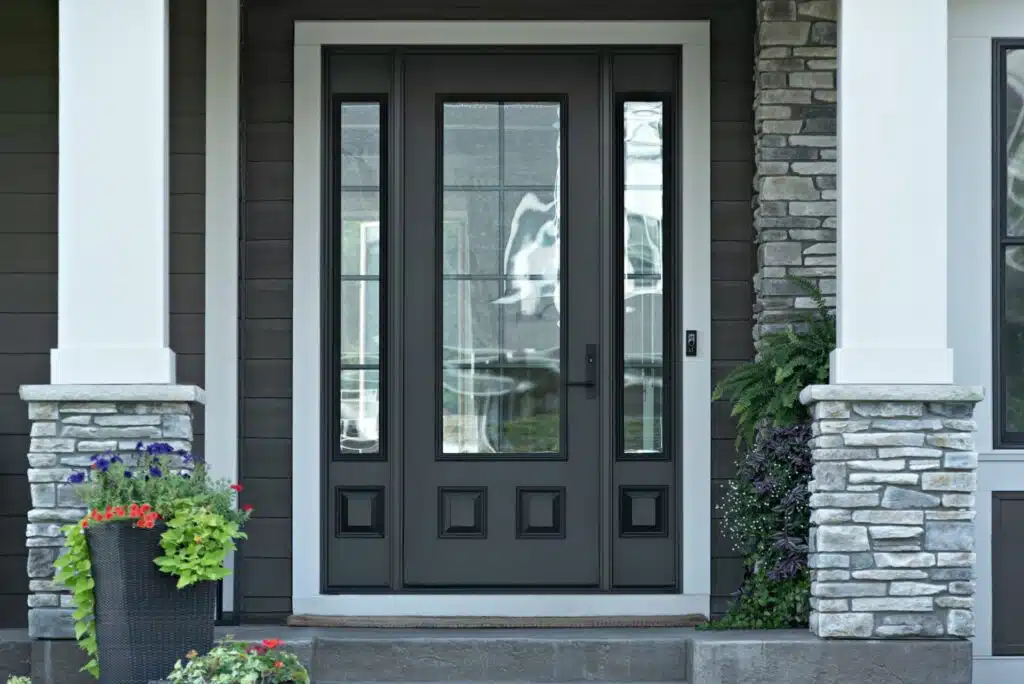
Why Should You Replace a Door?
Whether you’re working on a retrofit, a full renovation, or new construction, entry door replacement is one of the highest ROI upgrades in residential work. According to recent remodeling reports, replacing a front door can return over 70–90% of its cost at resale—especially when energy efficiency and curb appeal are improved.
Security Upgrade
Old doors often have shallow strike plates, weak jambs, and non-reinforced locks. A new unit can accommodate multi-point locking systems, steel reinforcements, and deadbolt shields—especially in fiberglass and steel doors designed for high-security environments.
Energy Efficiency
Modern doors are engineered with high R-values, thermal breaks, and compression seals. Replacing an old solid wood door with a foam-core steel or fiberglass model can significantly reduce air leakage (often measured by a blower door test). This contributes directly to lower HVAC loads and energy code compliance (e.g., IECC standards).
Structural Reasons
- Rotted jambs or threshold components
- Doors out of square due to settling foundations
- Improper shimmed installs from prior renovations
Replacing the door allows for resetting or re-framing, correcting years of misalignment or water intrusion.
Design & Functionality
Modern homeowners demand more than function. Whether it’s ADA-compliant thresholds, smart lock compatibility, or glass inserts with Low-E coatings, new doors offer features that weren’t standard a decade ago.
What Types of Doors Are Best for Home Entryways?
Choosing the right door involves two core decisions: material composition and functional purpose. Each affects installation methods, lifespan, code adherence, and client expectations.
Door Materials: Pros, Cons, and Use Cases
| Material | Strengths | Limitations | Recommended For |
|---|---|---|---|
| Solid Wood | Timeless aesthetic, naturally insulative, customizable | Prone to warping/cracking in moisture-heavy climates; costly | High-end projects; heritage home renovations |
| Engineered Composite | Dimensionally stable, resists swelling/shrinkage, budget-friendly | Less traditional visual appeal | Standard residential retrofits |
| Steel Core (Foam-filled) | Superior security, fire-rated options, excellent weather sealing | Dents under impact, susceptible to corrosion if coating is compromised | Multi-family units, value-conscious builds |
| Fiberglass | Excellent R-value, customizable skins, lowest maintenance | Mid-high cost, some models lack structural rigidity | Climate-variable zones, energy-efficient homes |
Door Types by Function
| Type | Application | Technical Notes |
|---|---|---|
| Entry Doors | Front, side, or rear egress | Must be weather-rated, typically 36″ wide; include threshold and sweep |
| Interior Passage Doors | Bedrooms, offices, closets | Generally hollow-core; focus is on acoustics and finish |
| Sliding Doors | Patio access, tight spaces | Requires correct header support and track calibration |
| Folding (Bi-fold / Accordion) | Wide openings or transitional indoor-outdoor | Requires multi-point floor/ceiling tracking and clear swing paths |
Code Considerations:
- Entry doors must have a minimum clear width of 32 inches (per IRC)
- If used as egress, certain doors must swing outward (fire safety)
- ADA-compliant thresholds must be ≤ ½ inch in height and beveled
How Do You Modernize an Existing Door Without Replacing It?
If the existing door slab is structurally sound, upgrading the components can deliver significant performance and appearance improvements with lower material cost and minimal disruption.
Mechanical & Performance Upgrades
- Swap to Ball-Bearing Hinges or Concealed Hinges
- Reduces friction, prevents sag over time
- Especially valuable for heavier solid-core doors
- Replace Locks with Multi-Point Locking Systems
- Boosts perimeter security
- May require full stile routing or latch mortising
- Install Adjustable Sill + Compression Gaskets
- Creates a tighter seal
- Improves energy efficiency and air/water resistance
- Rehang and Plane the Door for Even Reveal
- Fixes poor fit from foundation shift
- Ensures uniform gaps (1/8″ at top/sides typical)
Aesthetic & Functional Surface Treatments
- Apply New Veneer Skins or Panel Kits (MDF, PVC)
- Modernizes look without full tear-out
- Paint or stain to match current trim
- Integrate Glass Inserts with Sealed IGUs
- Retrofit kits available for standard sizes
- Requires jigsaw cut + frame caulk + seal tape
- Upgrade Threshold to ADA-Compliant or Zero-Clearance
- Ideal for elderly clients or garage transitions
- May need undercutting the door
Can You Replace an Entry Door Without the Frame?
Yes—but only when the existing frame is structurally sound, square, and undamaged. This approach is known as a slab-only replacement, and while faster, it requires precision.
Key Considerations:
- Precise Measurement The existing frame’s height, width, and hinge locations must match the new door exactly. Use a calibrated square and laser level to verify squareness.
- Hinge Alignment Existing mortise locations must align with the new slab’s hinge placements. Otherwise, you’ll need to chisel or patch, which affects performance.
- Warped Openings Frames that have shifted due to settlement may require re-shimming, or the new door may not latch properly.
- Sealing Always inspect and upgrade perimeter weatherstripping and threshold seals. Leaks here will cause air loss and water infiltration.
If the frame shows signs of water damage, warping, or misalignment, opt for a pre-hung door replacement. This ensures proper fit, alignment, and insulation.
What’s the Best Front Door Material for Security?
When door security is a primary concern, the material selection directly impacts performance against forced entry, fire, and environmental wear.
Material Comparison for Security:
- Steel Doors These provide the best resistance to forced entry. Most are built with a solid foam core and can integrate reinforced strike plates and multi-point locking systems.
- Fiberglass Doors Highly resistant to denting and corrosion, they can incorporate security-rated cores and are often used in hurricane zones with impact-rated glazing.
- Solid Wood Doors While heavy and solid, they are vulnerable to splitting and moisture damage over time, especially if not sealed properly on all edges.
- Composite Doors Offer steel-reinforced cores with woodgrain or smooth skins, combining good durability with modern locking hardware compatibility.
Security performance also depends on lock hardware, hinge placement, and jamb reinforcement—not just the slab material.
Tips to Make Door Replacement Easier for Builders
Efficient door replacement relies on preparation, material selection, and proper tooling. Below are field-tested strategies to streamline the process.
- Verify All Rough Openings in Advance Measure width, height, and diagonal squareness. Mismatched openings increase labor time and trim modification.
- Use Pre-Hung Units for Predictable Results Pre-hung doors come factory-aligned, reducing field adjustments. Ideal for projects where speed matters.
- Seal, Shim, and Insulate Thoroughly Use foam backer rod, closed-cell spray foam, and continuous shims to avoid air infiltration and callbacks.
- Keep a Mobile Tool Kit Ready Include long screws (3″), caulk guns, utility knives, hinge shims, and digital levels for accurate installations.
- Offer Performance Upgrades Energy-efficient cores, low-e glass, smart lock prep, and ADA thresholds can add value without extending install time.
- Plan for Disposal or Reuse of Old Doors Factor in time and cost for hauling or salvaging old units—often missed in estimates.
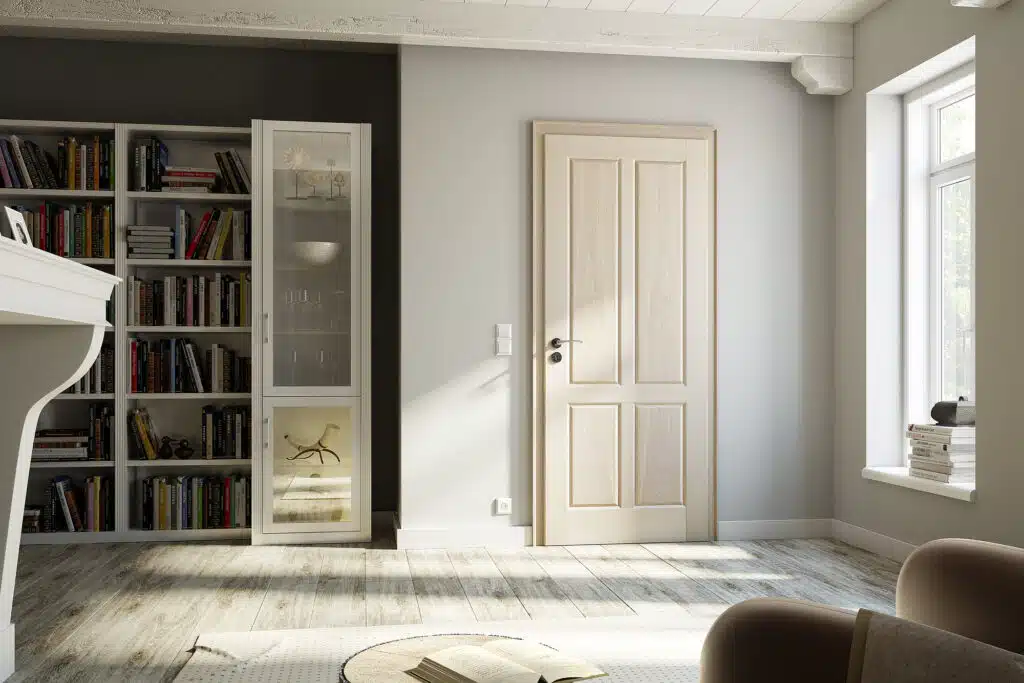
- Use Visual Aids During Sales Show clients real examples of front door entrance ideas exterior to guide style and feature selection.
Conclusion: Bring New Life to Any Entryway
Door replacement is one of the most impactful upgrades a builder can offer—affecting energy efficiency, security, aesthetics, and resale value. With the right material, correct installation process, and attention to detail, you can transform an outdated entry into a high-performing feature.
Whether you’re upgrading one unit or managing a full development, a well-executed door replacement speaks volumes about quality.