Why does a perfectly sized door still cause problems on site?
Many builders have asked this question—often after a door has already been installed.
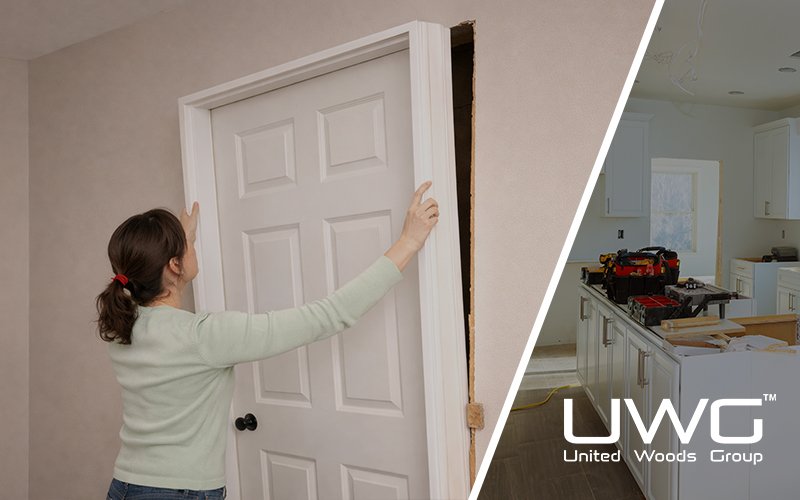
The opening was framed correctly. The door slab dimensions matched the shop drawings. Yet once installed, issues appeared: uneven gaps, doors rubbing the frame, inconsistent reveals, or hardware that didn’t align as expected.
So where did things go wrong?
The answer is rarely the door itself. More often, it’s door tolerances and gaps—a technical detail that is frequently overlooked during specification and procurement, but becomes painfully obvious during installation.
Understanding door tolerances isn’t just a manufacturing concern. For builders, it directly affects installation efficiency, visual quality, long-term performance, and rework costs.
This article breaks down what door tolerances and gaps really mean, why they matter, and how builders can avoid common mistakes.
What Are Door Tolerances and Gaps?
In simple terms:
- Door tolerance refers to the allowable dimensional variation in door components—slab size, thickness, frame width, and squareness.
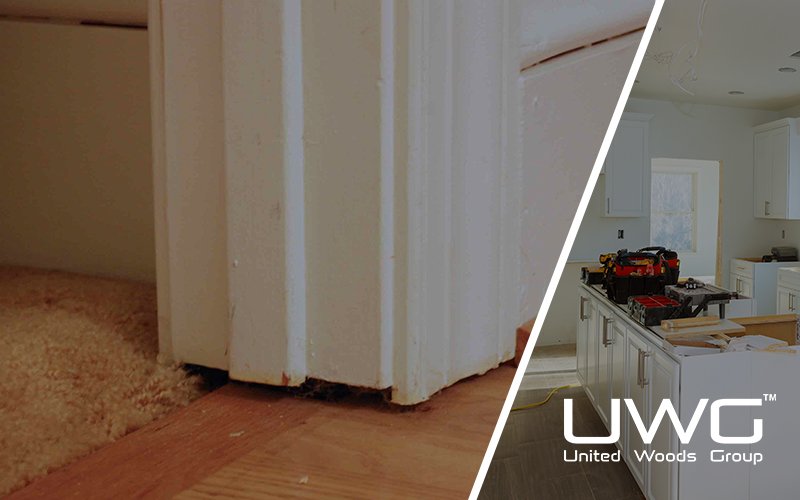
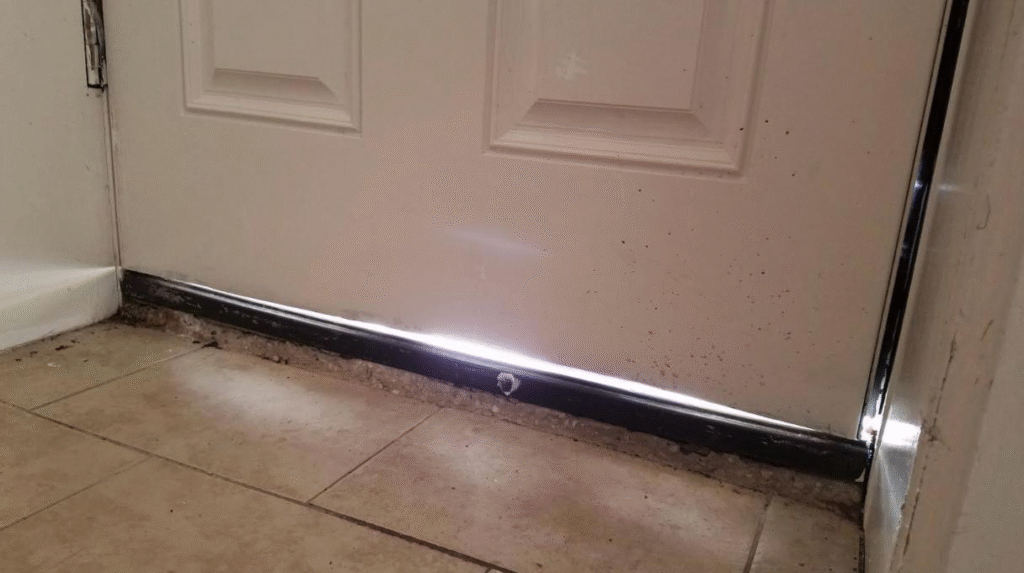
- Door gaps are the clearances between the door slab and the frame (top, sides, and bottom) after installation.
These are not errors. They are intentional design allowances.
Wood is a natural material. Buildings move. Floors are rarely perfectly level. Without proper tolerances and gaps, doors would bind, warp, or fail prematurely.
The problem isn’t that tolerances exist—it’s when they are ignored, misunderstood, or inconsistently applied.
Why Builders Often Overlook Door Gaps
1. “The drawings look precise—shouldn’t the door be exact?”
Construction drawings often show clean, exact dimensions. In reality, doors must accommodate:
- Structural movement
- Humidity changes
- Installation variation
- Hardware operation
A door specified without realistic tolerances may look perfect on paper but fail on site.
2. Different suppliers, different standards
Not all manufacturers follow the same tolerance standards. One supplier may allow ±1 mm, another ±3 mm. Some leave gap decisions to installers; others predefine them at the factory.
When builders switch suppliers mid-project—or source doors from overseas—these differences can cause unexpected installation issues.
3. Gaps are seen as “finish details,” not system requirements
Door gaps are often treated as cosmetic concerns. In reality, they affect:
- Door swing and operation
- Air and sound sealing
- Fire ratings
- Hardware longevity
A poorly planned gap is not just ugly—it’s a functional risk.
Standard Door Gap Guidelines (General Reference)
While exact requirements vary by region and application, typical interior door guidelines include:
- Side gaps: 2–3 mm per side
- Top gap: 2–3 mm
- Bottom gap:
- Interior (no threshold): 8–12 mm
- Over finished flooring: depends on material and expansion allowance
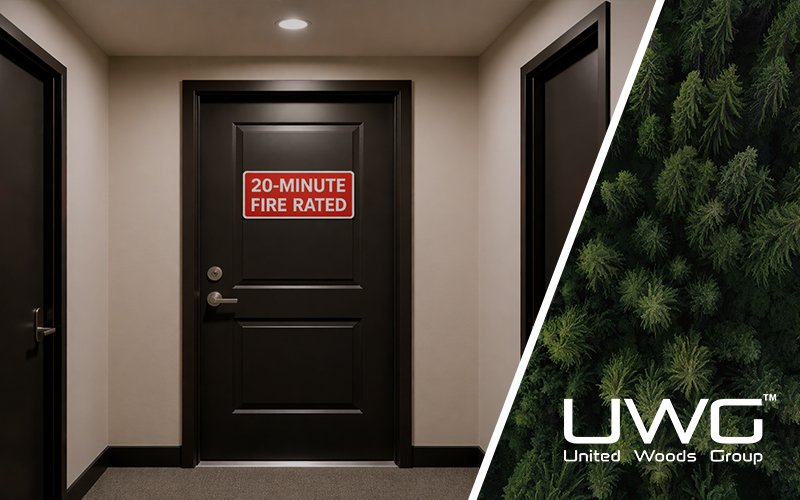
Exterior doors, fire-rated doors, and acoustic doors follow different rules and must be specified accordingly.
Key takeaway: door gaps should be specified, not guessed.
The Hidden Cost of Ignoring Tolerances
Installation delays
Doors that don’t account for real-world conditions require trimming, re-hanging, or re-ordering.
Inconsistent appearance
Uneven reveals across a project are immediately noticeable—especially in multi-unit developments.
Warranty and callback issues
Many post-installation complaints trace back to tolerance-related issues, not manufacturing defects.
Supplier disputes
When tolerances are unclear, responsibility becomes unclear.
Wood Doors: Why Tolerances Matter Even More
Wood doors are particularly sensitive to:
- Humidity changes
- Seasonal movement
- Site storage conditions
Without proper tolerance planning:
- Doors may swell and bind
- Gaps may disappear or become excessive
- Frames may twist under pressure
Experienced manufacturers design tolerances into both slab and frame systems, not as an afterthought.
Builders benefit most when tolerance planning happens before production, not during installation.
How Builders Can Avoid Common Door Tolerance Mistakes
1. Specify tolerances in addition to dimensions
Don’t assume “standard.” Ask suppliers:
- What are your manufacturing tolerances?
- What gaps are designed into the system?
2. Match tolerances to application
Interior, exterior, fire-rated, and acoustic doors all require different gap strategies.
3. Share real site conditions early
Finished floor buildup, wall tolerance, and climate conditions should be communicated before production.
4. Work with suppliers who understand projects—not just products
Suppliers experienced with builder projects can:
- Review drawings
- Flag potential tolerance conflicts
- Adjust production accordingly
Why This Matters More in Multi-Unit Projects
In apartments, hotels, and large residential developments, door tolerances are multiplied across hundreds of units.
A 1–2 mm mistake per door becomes:
- Dozens of callbacks
- Inconsistent visual standards
- Significant labor costs
Builders who control tolerances at the specification stage avoid problems at scale.
Final Thoughts: Precision Isn’t Perfection—It’s Planning
Door tolerances and gaps are rarely discussed until something goes wrong. But builders who understand and plan for them gain a real advantage:
- Smoother installations
- Better visual consistency
- Fewer disputes and callbacks
In door systems, precision doesn’t mean zero tolerance—it means the right tolerance.
When doors are designed with real-world conditions in mind, everyone benefits: manufacturers, installers, and most importantly, builders.
Articles that you may be interested in:
Finishing Options for Molded Doors: Primed, Paint, Laminate, and Wood Veneer
Complete Guide to Door Trim: What the Molding Around Your Door Is Called