Apartment projects demand strict fire protection and effective noise control. Choosing the wrong door can cause code violations, inspection failure, and resident complaints. I often see builders struggle between cost and compliance. The right fire-rated and acoustic door solves both safety and performance challenges from the start.
To select fire-rated and soundproof doors for apartments, builders must match the door rating (20, 45, 60, or 90 minutes) to IBC and NFPA 80 fire-rated door requirements, ensure certified hardware and proper installation, and choose solid-core doors with adequate STC ratings for noise control. Compliance with residential fire-rated door requirements and correct wall ratings ensures safety, inspection approval, and long-term durability.
Understanding ratings, standards, and acoustic performance helps you avoid costly mistakes and deliver safer multi-family buildings.
Do Apartments Need Fire Rated Doors?
Yes. Modern building codes clearly define where fire-rated doors are required in residential buildings.
Under the Door fire rating requirements IBC, fire-rated doors are mandatory in:
- Corridor openings
- Stairwells
- Mechanical rooms
- Electrical rooms
- Trash rooms
- Doors between garage and living space
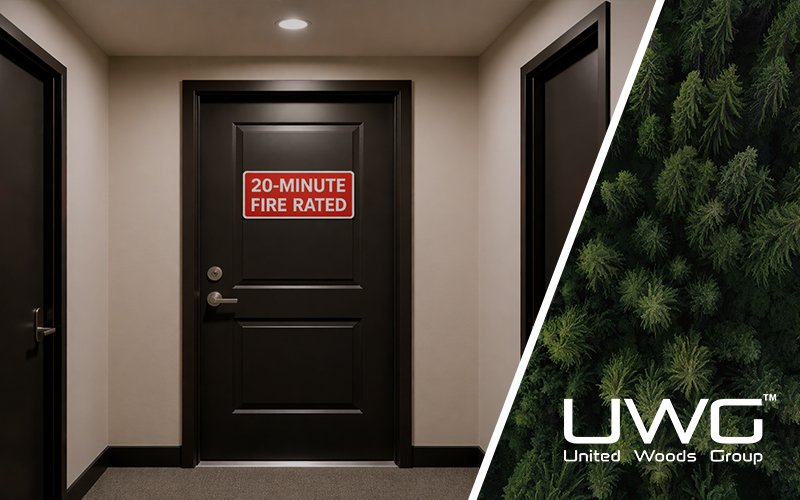
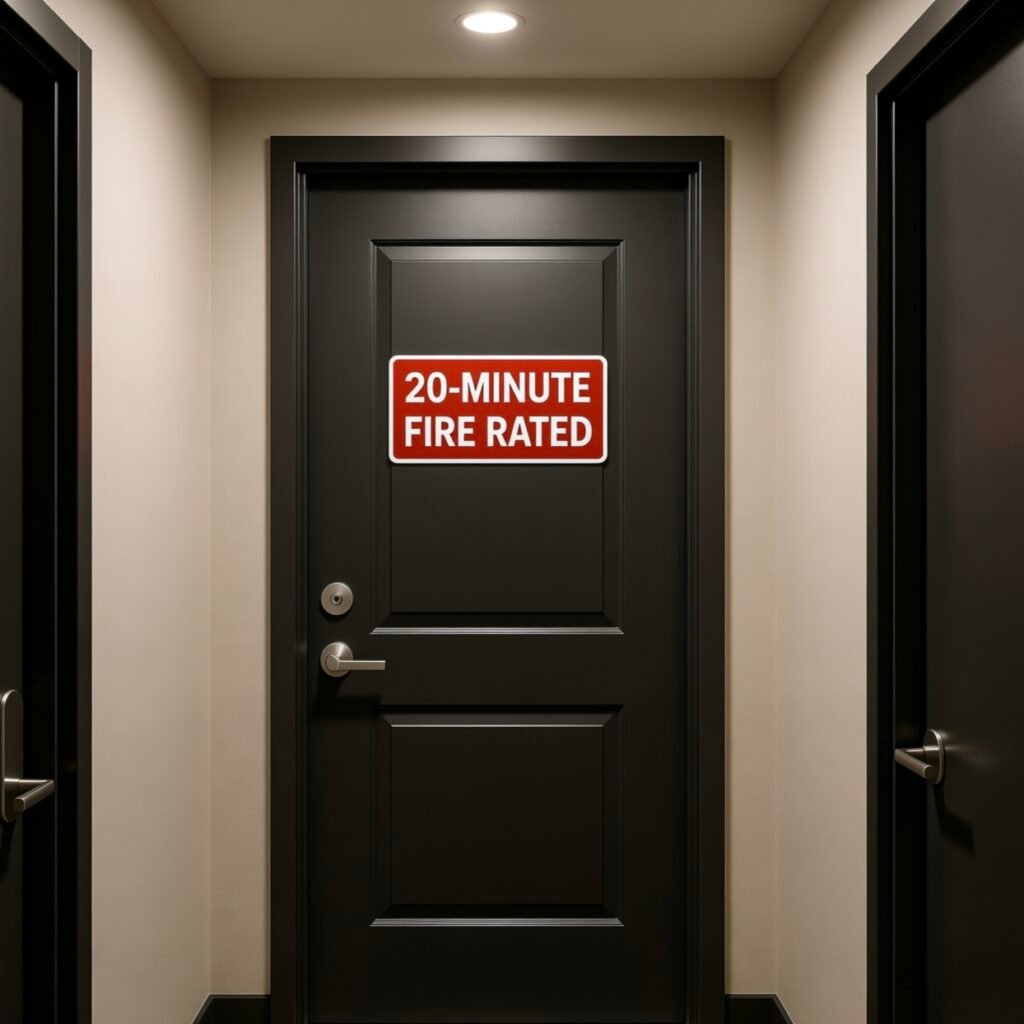
For example, in a door rating in 1-hour wall IBC, a 45-minute fire door is typically required. In some cases, 20 minute fire rated door requirements apply to dwelling unit entry doors in rated corridors.
These requirements are part of broader residential fire-rated door requirements designed to compartmentalize fire and smoke, slowing spread and protecting occupants.
What Are NFPA 80 Fire-Rated Door Requirements?
The NFPA 80 fire-rated door requirements focus on proper installation, labeling, and maintenance.
Key requirements include:
- Certified and labeled door assemblies (UL or equivalent)
- Fire-rated frames compatible with the door rating
- Self-closing devices and positive latching hardware
- No field modifications that void certification
- Annual inspection in multi-family and commercial buildings
Many inspection failures occur because hardware is replaced with non-rated components. I always recommend sourcing complete certified assemblies to avoid compliance risks.
What Is the Difference Between 20, 45, 60, and 90 Minute Fire Doors?
Choosing the correct rating depends on wall rating and building design.
- 20-minute fire doors – Common for dwelling unit entries in rated corridors
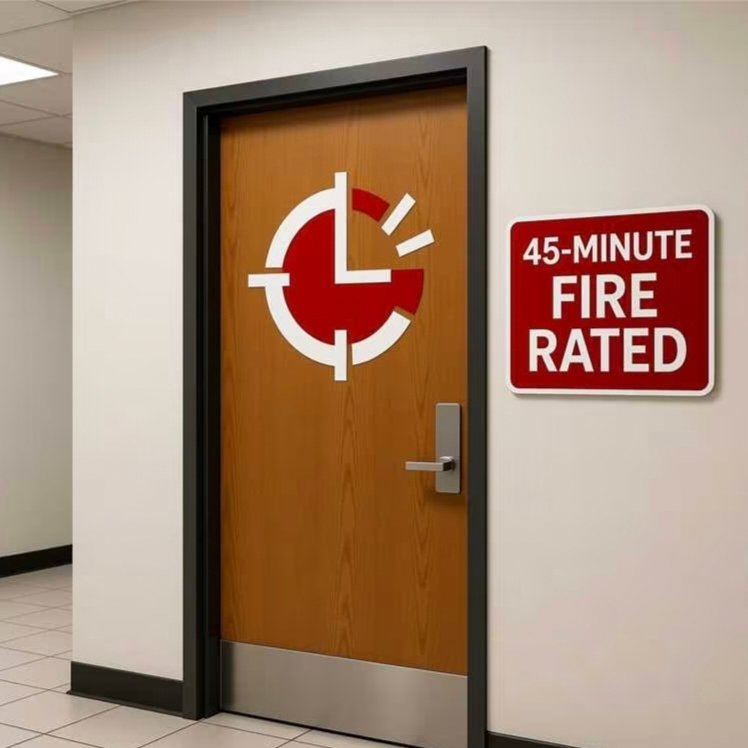
- 45-minute fire doors – Typically used in 1-hour rated walls
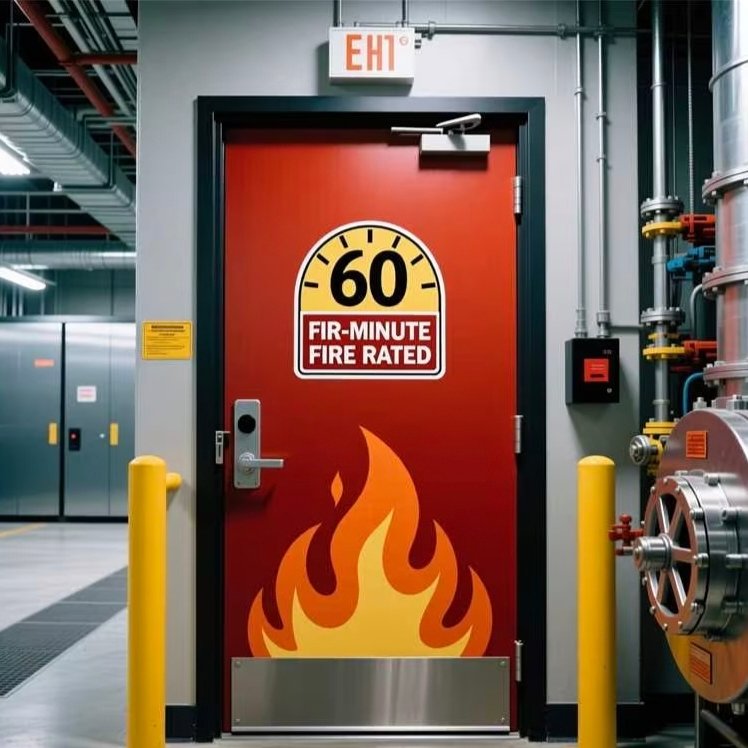
- 60-minute fire doors – Used in higher-risk areas
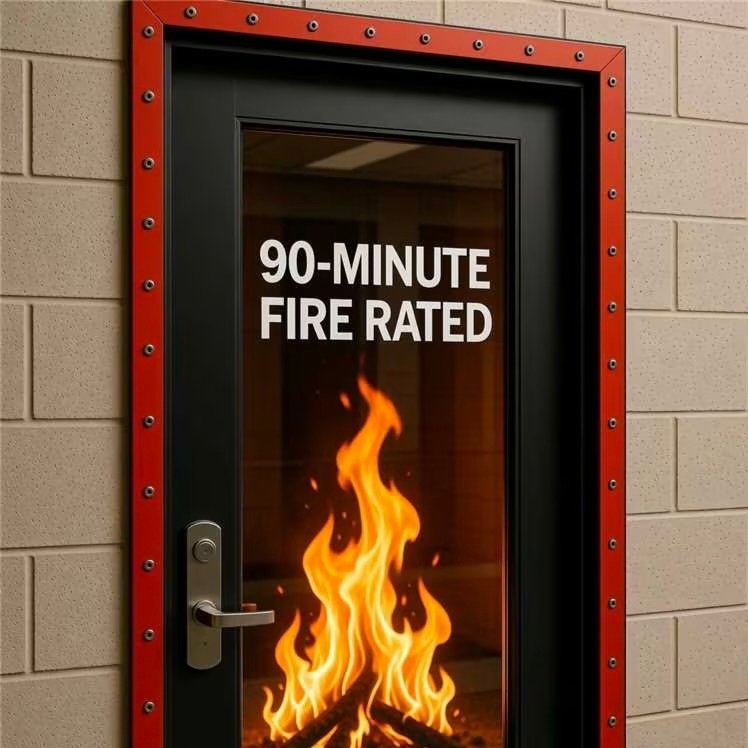
- 90-minute fire doors – Installed in 2-hour fire barriers
A simplified fire door rating chart helps clarify the relationship between wall ratings and door ratings.
Are Fire-Rated Doors Soundproof?
Many builders ask: Are fire-rated doors soundproof?
The answer is not automatically — but they can provide strong acoustic performance when properly designed.
Fire-rated doors with:
- Solid cores
- Mineral cores
- Composite insulated cores
offer better sound insulation. Acoustic performance is measured using STC (Sound Transmission Class).
- Hollow metal insulated doors: Moderate STC
- Solid core wood doors: Higher STC
- Acoustic fire doors: STC 35–45+
The higher the density and thickness, the better the sound control.
How to Soundproof a Door in an Apartment?
Even high-STC doors lose effectiveness if gaps are not sealed properly.
To improve acoustic performance:
- Install perimeter door seals
- Use automatic door bottoms or door sweeps
- Add proper thresholds
- Apply acoustic sealant around frames
Small air gaps significantly reduce sound insulation performance.
How to Choose a Fire Rated Door for Multi-Family Projects?
Builders and wholesalers should follow a structured evaluation process.
1. Confirm Code Requirements
Verify:
- Wall rating
- Door fire rating requirements IBC
- Local building code amendments
2. Match Rating to Application
Use a fire door rating chart to ensure correct pairing of wall and door ratings.
3. Verify Certification
Ensure:
- UL or certified labeling
- Compliance with NFPA 80 fire-rated door requirements
4. Evaluate Acoustic Needs
Consider STC ratings for:
- Unit entry doors
- Corridor noise control
- Mechanical room isolation
5. Ensure Proper Installation
Improper installation can void certification and reduce performance. Always follow manufacturer guidelines.
6. Consider Long-Term Value
Low upfront pricing may result in:
- Inspection failure
- Rework costs
- Tenant dissatisfaction
Investing in certified, properly rated assemblies protects both safety and project profitability.
Summary
Selecting fire-rated and soundproof doors for apartments requires aligning door ratings with IBC wall requirements, complying with NFPA 80 standards, and ensuring adequate STC performance. Builders and wholesalers who prioritize certification, proper installation, and acoustic sealing achieve safer buildings, smoother inspections, and stronger long-term project value.
Articles that you may be interested in:
How to Choose the Right Fire Door Hardware for Your Project
Fire-Rated Door Hardware: What Builders Need to Check
When Are Fire-Rated Doors Required and How Do You Choose the Right One?