Choosing the right door can be tricky—especially when balancing style, strength, and budget. Builders and wholesalers often ask: Should I use a flush door or a panel door? Let’s break it all down for you, clearly and simply.
Flush doors are flat, simple, and budget-friendly, while panel doors are stronger, more decorative, and often costlier. Flush doors suit rental units and offices, while panel doors work better in premium homes or places needing durability and design. Choosing between them depends on your budget, aesthetics, and project purpose.
If you’re unsure which door type fits your project best, keep reading. We’ll look at materials, design, costs, and even pros and cons to help you decide confidently.
What is the main difference between flush and panel doors?
The key difference lies in construction and appearance.
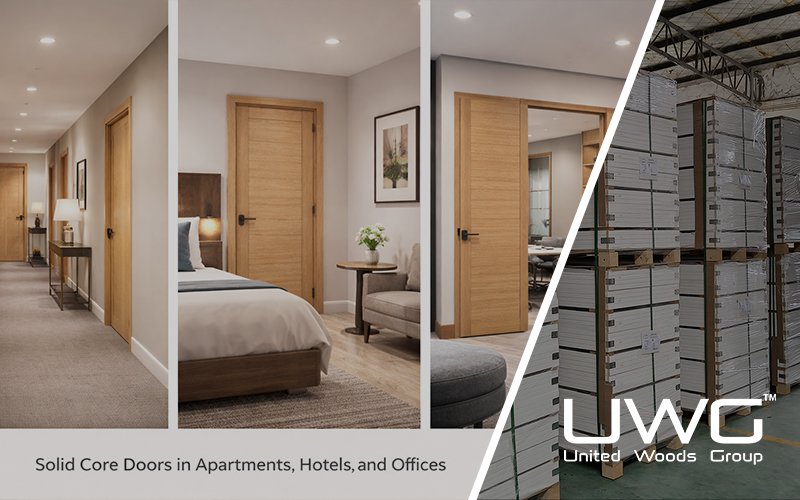
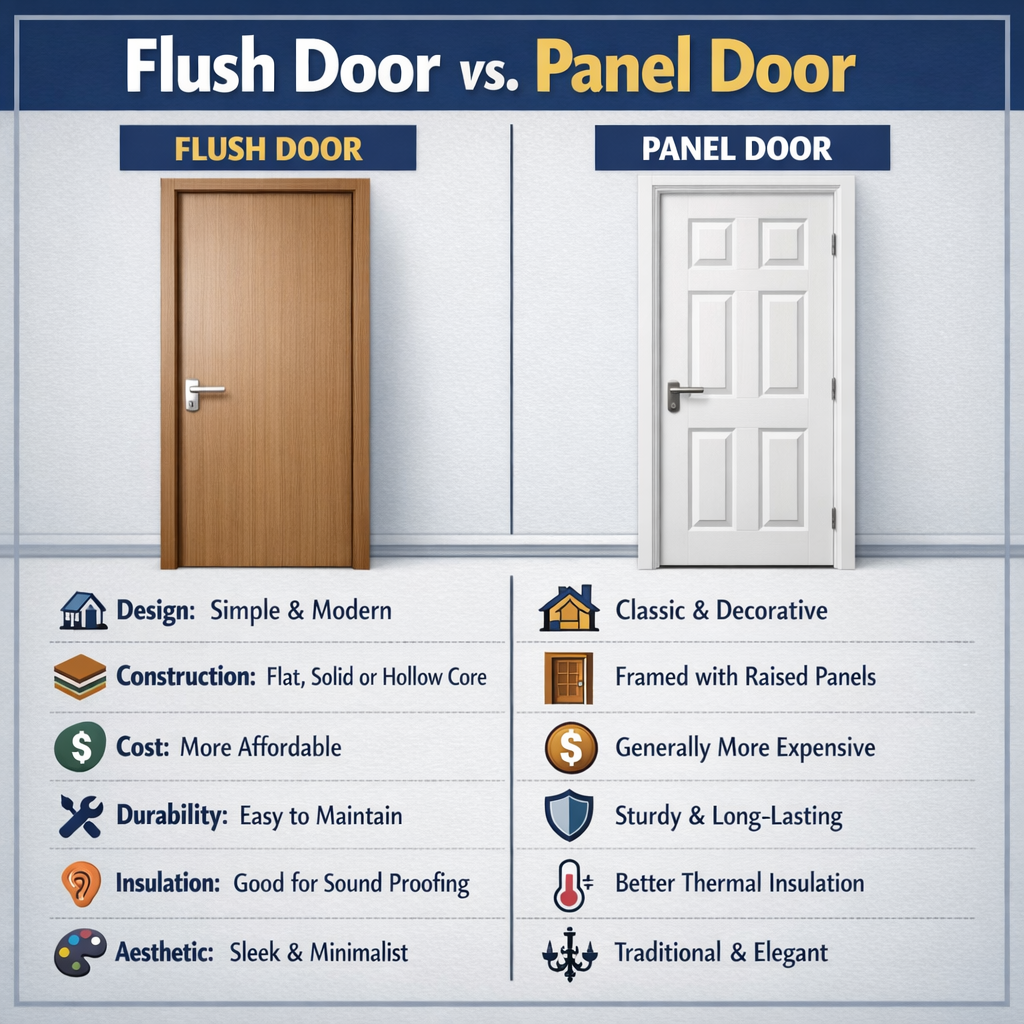
- Flush Doors have a plain, flat surface. The core can be solid, semi-solid, or hollow, and it’s covered with plywood or laminate. They’re sleek and modern.
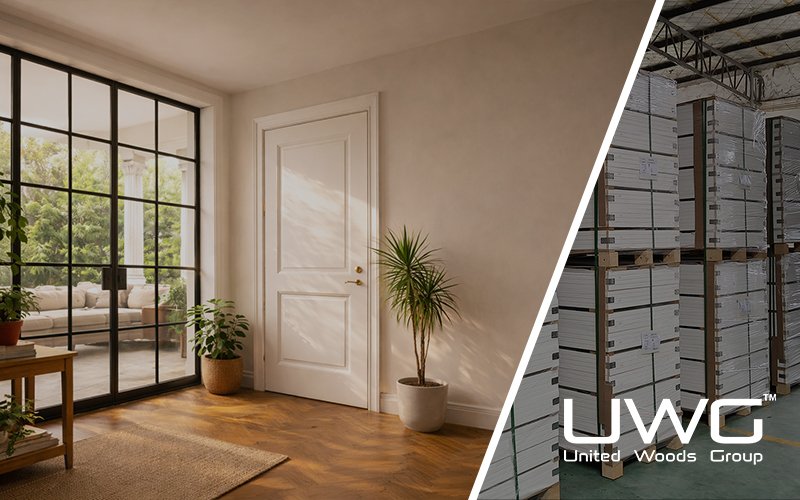
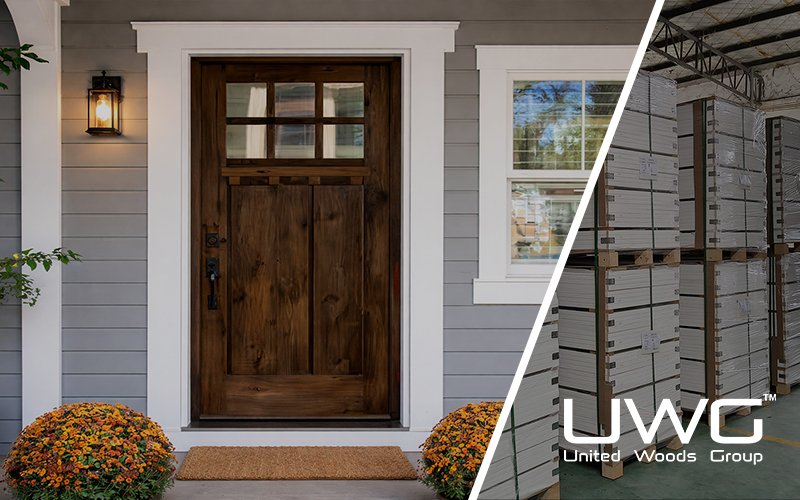
- Panel Doors are made from multiple wood panels joined together inside a frame. These doors have depth and texture, which adds to their decorative value.
In short, flush doors = minimalist and functional, while panel doors = traditional and stylish.
Which is more cost-effective: flush door or panel door?
When it comes to cost, flush doors usually win.
- A standard flush door price starts lower because it’s simpler to manufacture.
- A panel door, due to its craftsmanship and material (often solid wood), is relatively expensive.
Flush door vs panel door price tip: Use flush doors for budget projects (like hostels, rentals, or offices). Panel doors are best for high-end residences or when aesthetics matter.
What are the disadvantages of flush doors?
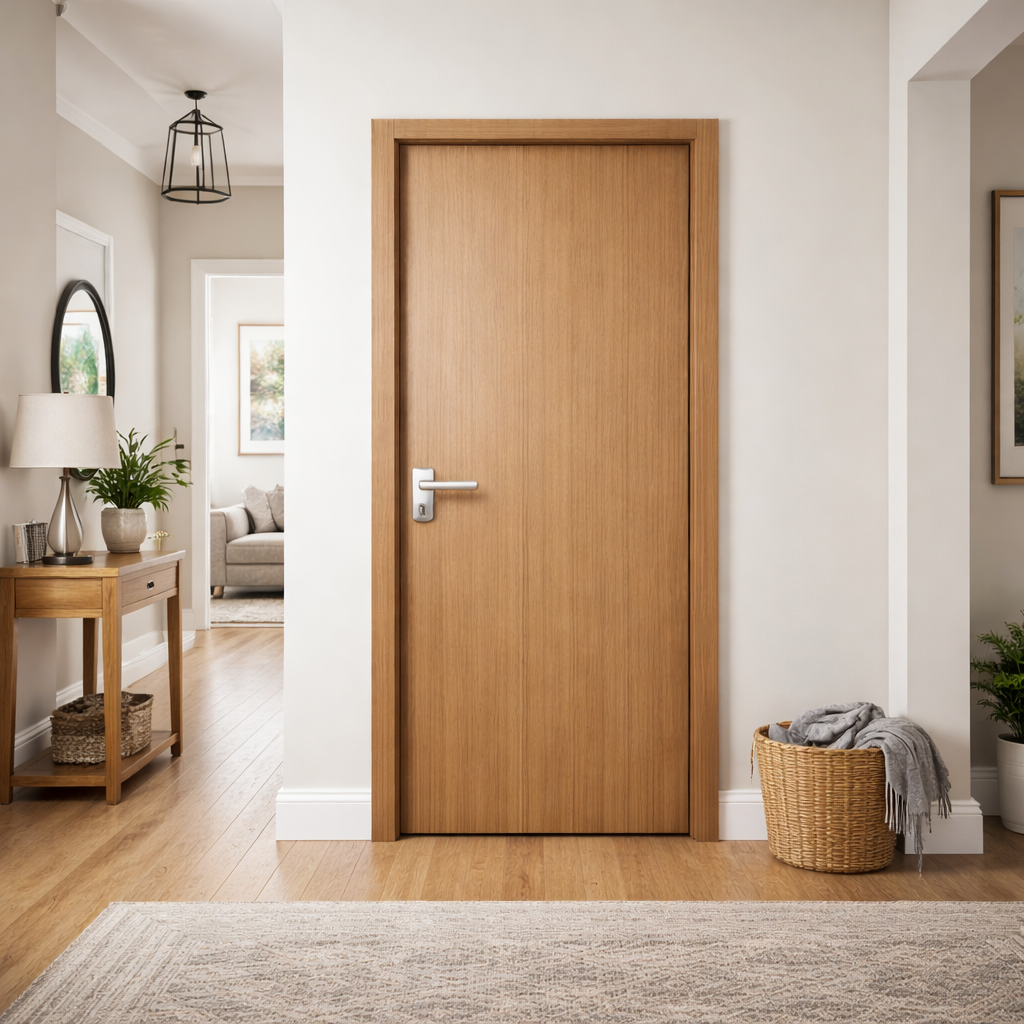
While flush doors are popular, they do come with downsides:
- Not highly soundproof
- Less energy efficient (due to core material)
- Harder to repair if damaged
- Some types are less durable over time
- Susceptible to moisture damage if not sealed properly
Flush doors work well for interior, low-impact areas, but not for places needing extra strength.
What are the disadvantages of panel doors?
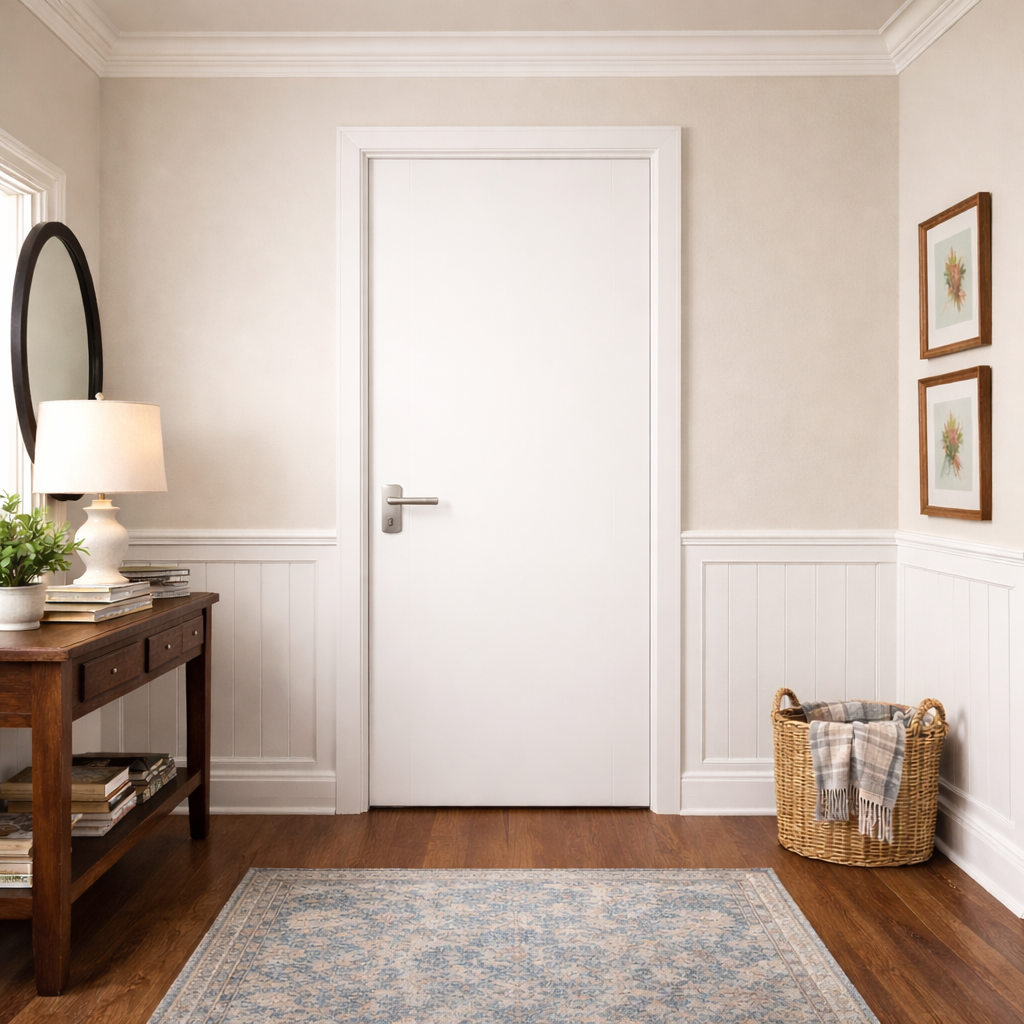
Panel doors, although premium, have their own drawbacks:
- More expensive, especially solid wood versions
- Require frequent cleaning—dust settles in grooves
- Glass panels (if any) can break with force
- Needs skilled workmanship for installation
- Heavier weight = higher transport and fitting cost
They’re better for permanent structures where quality matters.
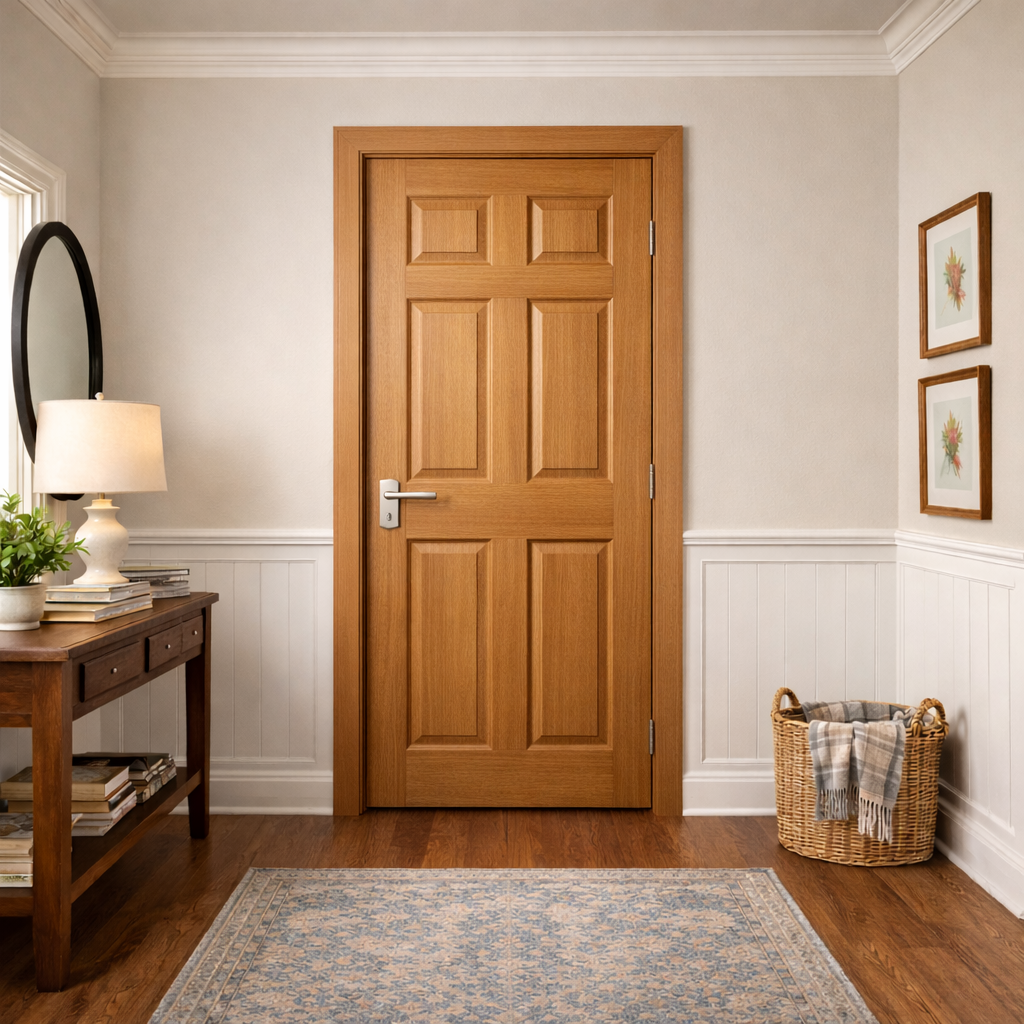
What is a solid core flush door?
A solid core flush door contains a blockboard or particleboard core that offers:
- Improved durability
- Better insulation (sound and thermal)
- Greater resistance to wear and tear
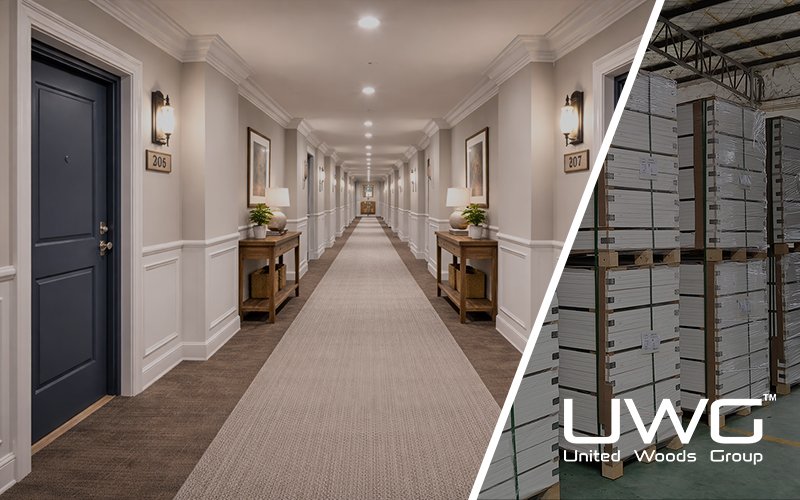
Builders prefer solid core flush doors in commercial and institutional buildings, where a mix of price and strength is needed.
What materials are used in flush doors and panel doors?
Here’s a breakdown of materials used:
Flush Door Material:
- Core: Solid wood, blockboard, particleboard, or hollow core
- Facing: Plywood, MDF, or laminate sheets
- Finish: Veneer, PVC, laminate, or paint
Panel Door Material:
- Natural solid wood (teak, oak, pine)
- Engineered wood (MDF or HDF for budget options)
- May include glass panels or carved woodwork
Knowing the material helps in pricing and suitability.
What are some popular flush door designs?
Flush doors have evolved in style. You can now find:
- Veneered flush doors – woodgrain finishes for a premium look
- PVC flush doors – moisture-resistant, great for bathrooms
- Laminated designs – glossy, matte, or textured finishes
- Grooved patterns – add a modern touch without raising costs
They’re easy to customize and quick to install.
What are some stylish panel door designs for modern spaces?
Panel doors come in a variety of classic and contemporary designs:
- Single-panel or multi-panel (2, 4, 6-panel formats)
- Shaker-style doors – clean lines for modern homes
- Raised or recessed panels – add depth and richness
- Glass-paneled doors – used in living rooms or kitchens
- Carved wooden panels – for a traditional look
Design options are virtually endless, especially in high-end homes or villas.
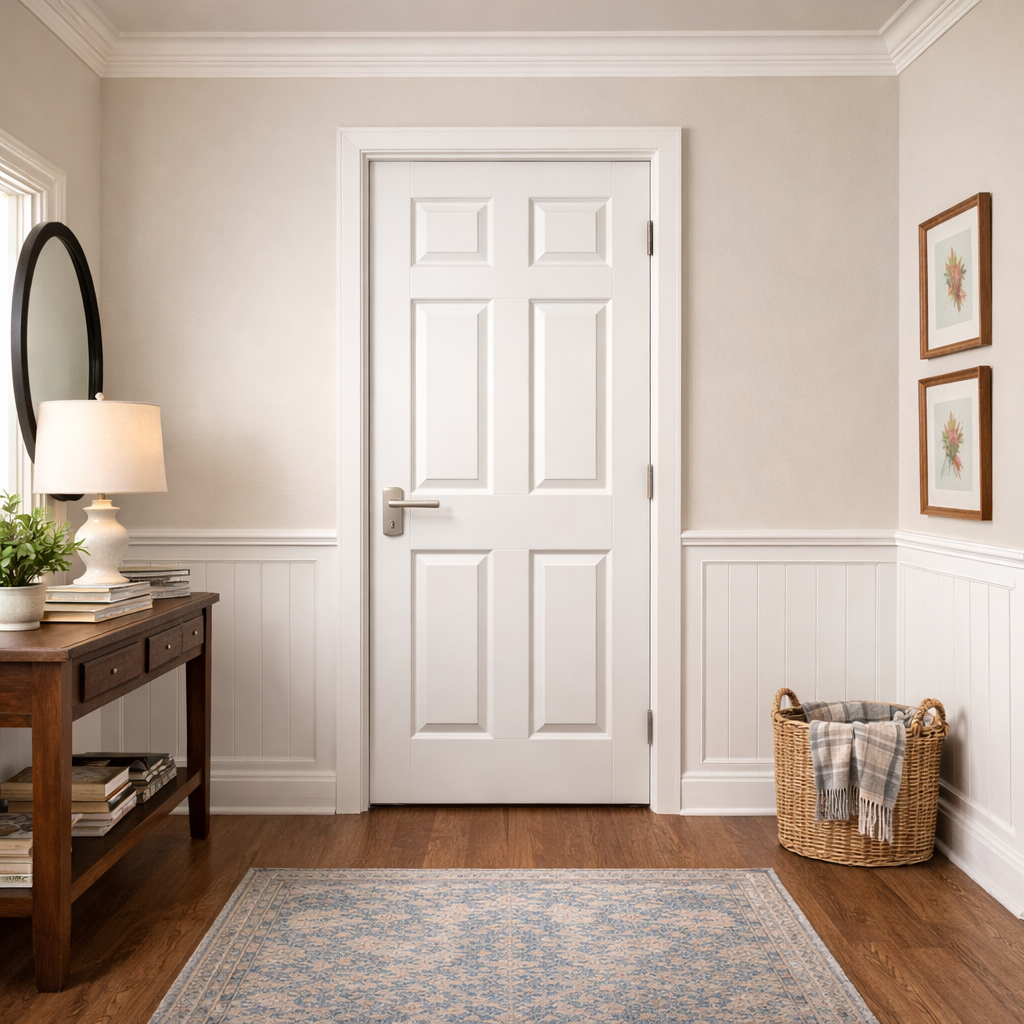
Frequently Asked Questions about Flush vs. Panel Doors
Q: Are flush doors always cheaper than panel doors?
A: Generally, yes. Standard hollow-core flush doors are the most budget-friendly option on the market. However, high-end flush doors featuring premium wood veneers or solid cores can actually cost more than standard pine panel doors due to the quality of the finish and modern aesthetic.
Q: Which door style is better for soundproofing?
A: Soundproofing depends more on the core than the style. A Solid Core Flush Door will block sound much better than a hollow panel door. However, if comparing two solid wood doors, the mass is similar, so sound performance will be roughly equal.
Q: Do panel doors require more maintenance?
A: Yes. The rails, stiles, and recessed panels create ledges that collect dust and require regular dusting. Flush doors have a completely flat surface, making them the easiest door style to clean and maintain.
Q: Can I use flush doors in a traditional-style home?
A: It can be difficult. Flush doors lean heavily towards modern, minimalist, or industrial aesthetics. For traditional, colonial, or farmhouse homes, panel doors (like the 6-panel or Shaker style) are usually the better architectural fit.
Summary
Flush doors are affordable, simple, and ideal for volume projects, while panel doors are elegant, durable, and suited for premium spaces. The best choice depends on your project type, design preference, and budget. Always match door type with function.
Articles that you may be interested in:
How Much Should You Pay for Interior Doors in 2026? (Cost Guide for Builders)
2026 Interior Door Trends: 5 Styles Taking Over US Homes
Shaker Door Panel Thickness Guide: Standard Sizes and Custom Options