Underestimating cabinet quantity can inflate construction costs, delay procurement, and create change orders late in the project. Overestimating, on the other hand, reduces ROI and increases unnecessary material and installation expenses. For builders and developers across the US and Canada, having a structured cabinet planning framework for two-bedroom apartments is essential. The right cabinet count improves tenant satisfaction, increases perceived unit value, controls budgets, and helps standardize multi-family housing projects efficiently across multiple phases.
A typical two-bedroom apartment in the US and Canada requires between 18 and 30 cabinets in total. This generally includes 10–16 kitchen cabinets, 2–4 bathroom cabinets, 2–6 bedroom wardrobe or closet units, 1–3 linen or storage cabinets, and 1–2 laundry or utility cabinets. The exact number depends on square footage, apartment kitchen layout, tenant expectations, rental class positioning, and whether the project is builder-grade or mid-range.
This range provides a practical and realistic planning benchmark for multi-family housing developments. For workforce housing projects, the number often stays closer to 18–22 cabinets. For higher-end urban or suburban developments, the total frequently moves toward 24–30 cabinets due to added pantry storage, taller uppers, or upgraded closet systems.
Kitchen Cabinet Count: The Primary Driver
When discussing how many cabinets a two-bedroom apartment needs, the kitchen is the single largest contributor to total cabinet count. Builders frequently ask, “How many cabinets should a kitchen have?” The answer depends primarily on layout efficiency, wall space, and target market.
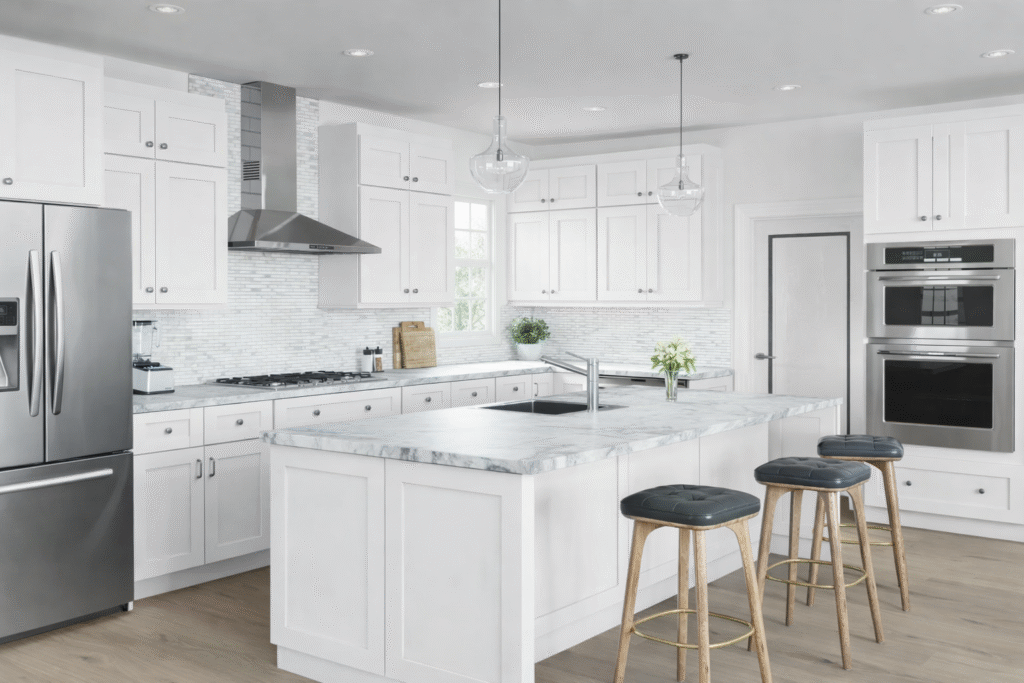
In North America, the industry reference model is a standard 10×10 kitchen. In that configuration, the standard kitchen cabinet count typically includes:
- 4–6 upper wall cabinets
- 4–6 base cabinets
- 1 sink base cabinet
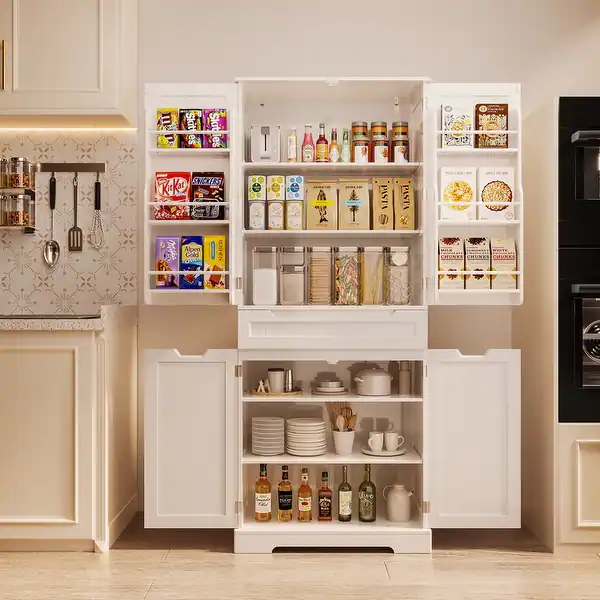
- 1–2 specialty cabinets such as a lazy Susan, corner unit, or pantry
This results in approximately 10–14 cabinets in a typical apartment kitchen layout.
However, many two-bedroom apartments now exceed the traditional 10×10 footprint. In units ranging from 900 to 1,200 square feet, kitchens often expand to L-shaped or U-shaped configurations. These layouts may require:
- Additional pantry cabinets
- Island base cabinets
- Extended upper cabinet runs
- Full-height 42” upper cabinets
In those cases, the total increases to 12–16 kitchen cabinets.
From a builder’s perspective, kitchen cabinet planning should consider:
- Appliance placement first (range, refrigerator, dishwasher)
- Clearance requirements and building code compliance
- Continuous cabinet runs to reduce installation time
- Minimizing filler panels to reduce material waste
Following professional planning frameworks such as NKBA guidelines or regional CMHC recommendations ensures that cabinet placement supports workflow efficiency without inflating quantity unnecessarily.
Bathroom Cabinet Requirements
Bathrooms are the second-largest contributor to cabinet count in a two-bedroom apartment. Most standard layouts include:
- One primary bathroom
- One secondary or shared bathroom
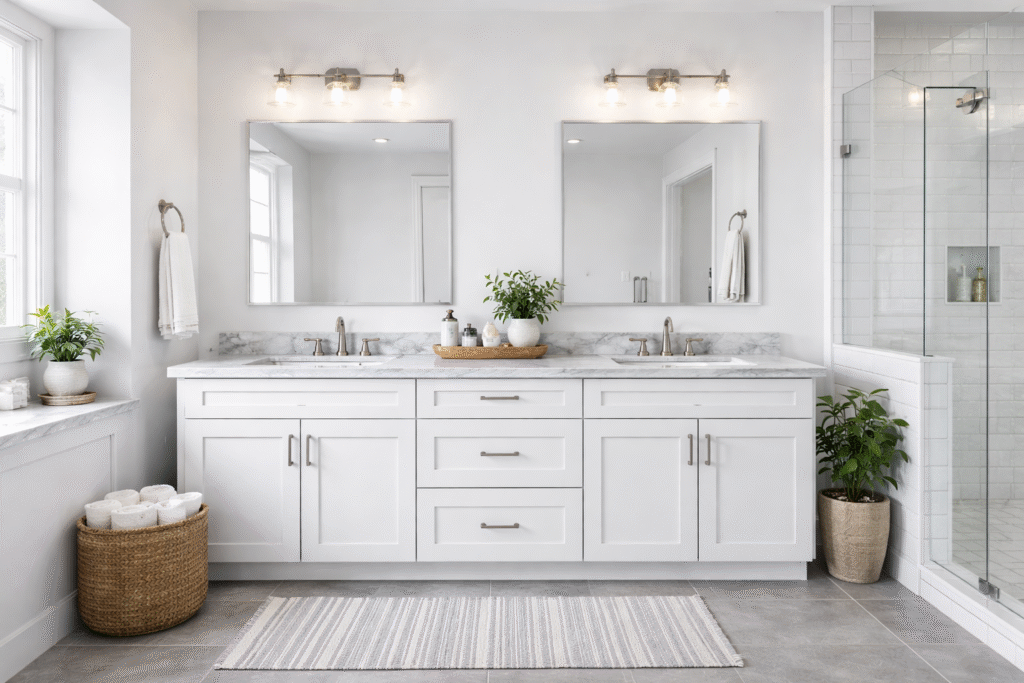
Each bathroom typically includes:
- One vanity cabinet (30”–48” wide)
- Optional recessed or surface-mounted medicine cabinet
- Optional tall storage or linen tower
In builder-grade developments, bathrooms may only include vanity cabinets. This keeps total bathroom cabinet count at 2 cabinets per unit.
However, in mid-range or Class A projects, developers often add:
- Integrated medicine cabinets for additional storage
- 12”–18” linen towers beside vanities
- Over-the-toilet storage cabinetry
These additions increase the bathroom total to 3–4 cabinets per apartment.
Bathroom cabinetry should prioritize moisture-resistant materials, durable finishes, and simple installation methods. In multi-family projects, standardizing vanity widths across unit types reduces both manufacturing complexity and installation errors.
Bedroom Storage: Closet Systems vs. Built-In Cabinets
Bedroom storage solutions vary widely between US and Canadian markets, but most two-bedroom apartments include two defined closet areas.
In entry-level multi-family housing, builders often install:
- Framed drywall closets
- Wire or MDF shelving systems
This approach limits cabinet count but provides basic functionality.
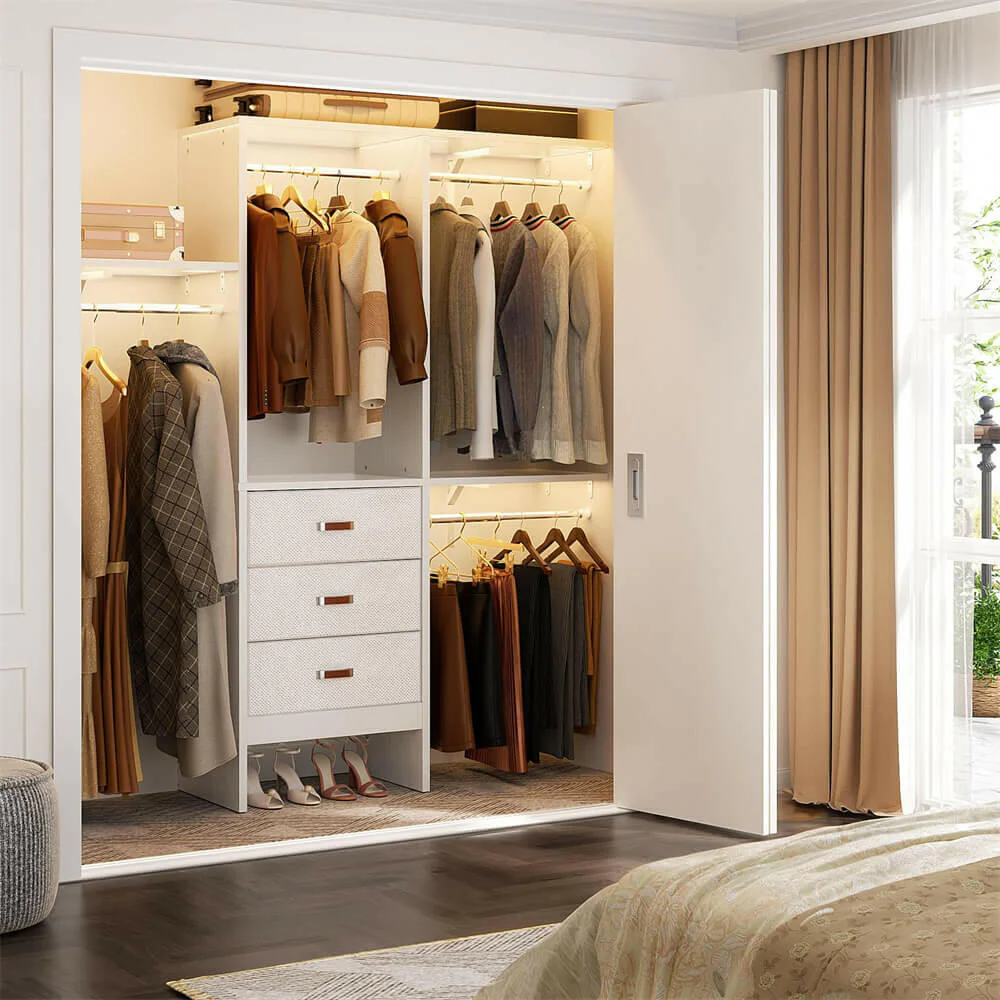
In upgraded developments, however, modular closet cabinetry is becoming more common. These systems may include:
- Drawer bases
- Vertical partition panels
- Overhead cabinets
- Integrated hanging sections
If each bedroom includes one modular wardrobe system, that can add 1–3 cabinet components per bedroom, bringing the bedroom total to 2–6 cabinet units across the apartment.
Standardized closet modules offer several benefits:
- Increased durability compared to wire shelving
- Higher tenant satisfaction
- Reduced long-term maintenance
- Greater perceived property value
For developers targeting competitive rental markets, investing in structured bedroom storage can provide strong differentiation without significantly increasing total cabinet cost.
Linen, Laundry & Utility Cabinets
Secondary storage areas are frequently underestimated during early budgeting. However, these spaces significantly impact tenant satisfaction and practical usability.
Common secondary cabinet placements include:
- One hallway linen cabinet
- One laundry base cabinet
- One overhead washer/dryer cabinet
- Mechanical room storage cabinets (in select layouts)
Depending on the configuration, this adds 1–3 cabinets to the total unit count.
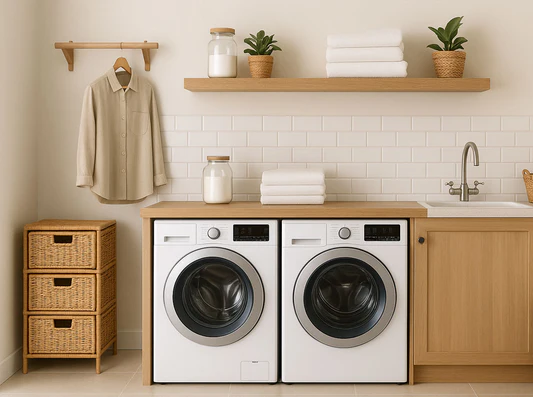
In Canadian apartments, stacked laundry systems are common due to space constraints. Installing overhead cabinetry above stacked units provides essential storage for cleaning supplies and household items.
In US suburban developments, side-by-side laundry rooms may incorporate base cabinets and upper storage units, increasing total cabinet count slightly but improving tenant convenience.
Total Cabinet Breakdown
| Area | Typical Cabinet Count |
|---|---|
| Kitchen | 10–16 |
| Bathrooms | 2–4 |
| Bedrooms | 2–6 |
| Linen/Storage | 1–3 |
| Laundry/Utility | 1–2 |
| Total | 18–30 Cabinets |
This breakdown represents a realistic cabinet planning range for two-bedroom apartments across the US and Canada. The lower end supports workforce housing efficiency, while the upper range aligns with mid-tier and premium rental developments.
Professional Advice for Builders (US & Canada)
1. Standardize Cabinet Modules Across Units
Using consistent cabinet sizes across 1-bedroom, 2-bedroom, and 3-bedroom units provides measurable advantages:
- Lower manufacturing cost through bulk production
- Reduced SKU complexity
- Faster installation training for crews
- Easier warranty servicing
Standardization is one of the most effective ways to control cabinet budget for multi-family housing.
2. Adjust Cabinet Count by Rental Class
Class B / Workforce Housing
- 18–22 cabinets per unit
- Durable laminate finishes
- Limited specialty cabinets
- Focus on functionality over aesthetics
Class A / Urban Developments
- 24–30 cabinets per unit
- Pantry cabinets included
- Full-height uppers
- Soft-close hinges and drawer slides
- Enhanced closet systems
Aligning cabinet quantity with rental class prevents unnecessary overspending while maintaining competitiveness.
3. Understand Cabinet Budget Per Unit
Estimated 2026 pricing benchmarks:
United States
- Builder-grade: $4,000–$7,000 per unit
- Mid-range: $8,000–$15,000 per unit
Canada
- CAD $6,000–$9,000 (builder-grade)
- CAD $10,000–$18,000 (mid-range)
Costs vary depending on materials (MDF, plywood, laminate), hardware quality, and installation labor. Early supplier engagement improves cost predictability and reduces change orders.
4. Avoid Overbuilding Storage
Increasing cabinet count does not automatically increase rental value. Tenants prioritize:
- Smart layout
- Durable construction
- Easy access
- Practical storage depth
Optimizing design efficiency often delivers better ROI than simply adding more cabinets.
5. Involve the Cabinet Manufacturer Early
Bringing your cabinet manufacturer into the architectural phase allows:
- Optimization of wall dimensions
- Reduction of filler panels
- Standardized cabinet runs
- Improved bulk pricing negotiations
Early collaboration can reduce total cabinet cost by 5–10% across large multi-family developments.
Summary
A typical two-bedroom apartment in the US and Canada requires 18–30 cabinets, depending on layout size, rental class, and storage strategy. Builders who standardize cabinet modules, optimize apartment kitchen layouts, and align cabinet count with market positioning achieve stronger cost control, faster installations, and improved long-term property performance.