Introduction
In many multifamily projects we have supplied, we often see the same issue during the final stages of construction: the wrong fire door rating was selected earlier in the procurement process. When this happens, it can lead to inspection failures, rework, or even delays in obtaining the occupancy permit. By the time architectural drawings are finalized and the life-safety plan is under review, the procurement team must clearly understand which openings require 20-minute fire-rated doors and which must use 90-minute doors. Making the correct decision at this stage is critical to keeping the project on schedule and avoiding costly corrections.
The choice between 20-minute and 90-minute fire-rated doors is primarily determined by building code requirements, opening location, and the fire-resistance rating of surrounding wall assemblies. Higher fire ratings generally mean heavier construction, higher material cost, and stricter hardware requirements. This guide explains what these ratings mean, where each is typically used in multifamily construction, and how to balance compliance with cost control.
Understanding Fire Ratings: What 20-Min and 90-Min Really Mean
A fire-rated door is designed and tested to resist fire exposure for a specified period of time under standardized testing conditions. The rating—20 minutes, 45 minutes, 60 minutes, or 90 minutes—refers to how long the door assembly can withstand fire before failure during certified laboratory testing.
It is important to distinguish between fire protection rating (typically used for doors) and fire resistance rating (used for wall and structural assemblies). Doors are tested as part of an opening assembly, and their rating must correspond to the fire-resistance rating of the wall in which they are installed.
Certification bodies such as UL (Underwriters Laboratories) or Intertek conduct testing to confirm compliance. Approved fire-rated doors carry a visible label that identifies the rating and certification. In multifamily projects, inspectors will verify this labeling during final review.
Code Requirements in Multifamily Construction
Fire-rated door requirements in multifamily buildings are typically governed by the International Building Code (IBC) and related local amendments. However, exact requirements can vary by jurisdiction, building height, and occupancy classification.
In the United States, fire-rated door requirements in multifamily buildings are primarily governed by the International Building Code (IBC) and standards from the National Fire Protection Association (NFPA).
For example, the IBC requires corridor walls in residential occupancies (Group R) to be constructed as fire partitions, and openings in these partitions typically require fire door assemblies with a minimum 20-minute rating. Reference:
https://codes.iccsafe.org/content/IBC2018/chapter-7-fire-and-smoke-protection-features
According to NFPA guidance, when a corridor wall is rated (such as a 1-hour fire partition), the door installed in that wall is commonly required to have a 20-minute fire protection rating to control smoke and fire spread. Reference:
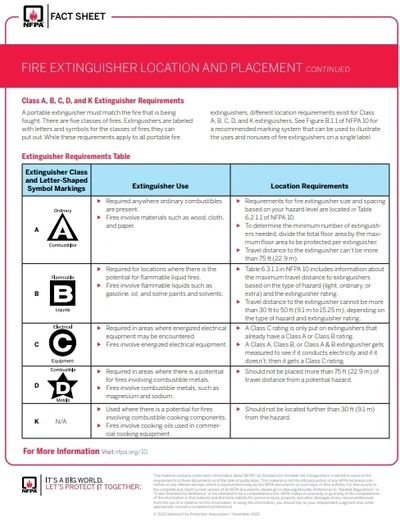
Additionally, the installation and inspection of fire door assemblies must comply with NFPA 80 – Standard for Fire Doors and Other Opening Protectives, which defines requirements for labeling, hardware, clearances, and maintenance of fire-rated doors. Reference:
Typical applications for 20-minute fire-rated doors include:
- Apartment unit entry doors opening into a rated corridor
- Doors between dwelling units and shared corridors
- Certain smoke barrier applications where limited fire resistance is required
In many mid-rise multifamily projects, corridor walls may be rated for one hour, and a 20-minute door is often permitted within that assembly, depending on code interpretation.
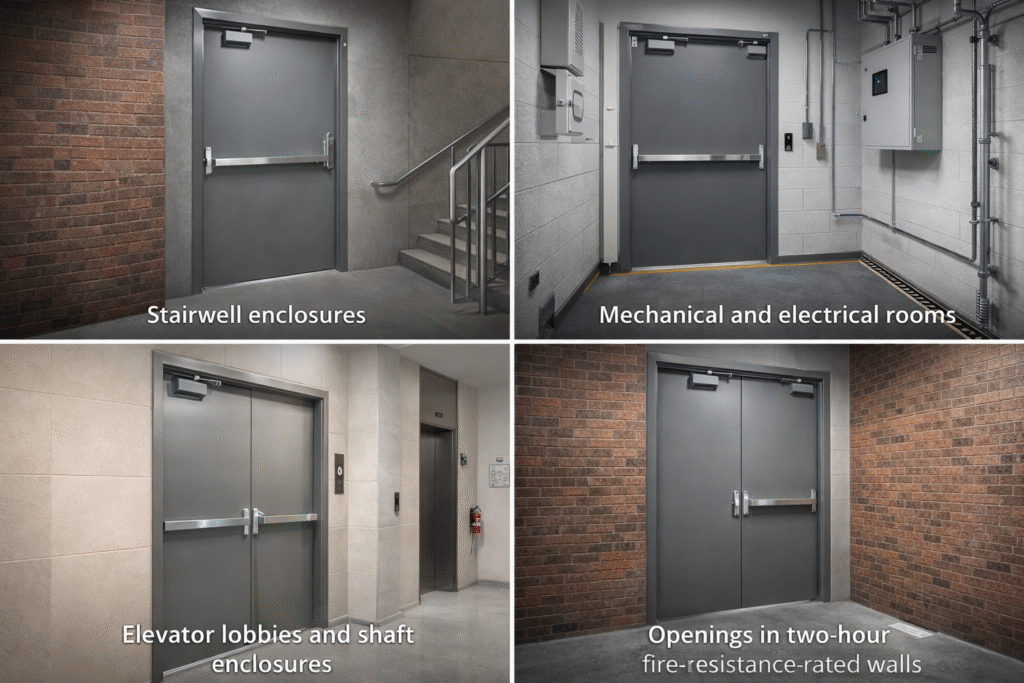
Typical applications for 90-minute fire-rated doors include:
- Stairwell enclosures
- Mechanical and electrical rooms
- Elevator lobbies and shaft enclosures
- Openings in two-hour fire-resistance-rated walls
High-rise buildings and structures with stricter life-safety requirements are more likely to require 60- or 90-minute door assemblies in critical egress areas.
Because local amendments can modify national standards, it is essential to confirm requirements with the project architect, code consultant, or local building authority before procurement.
Structural Differences Between 20-Min and 90-Min Doors
The difference between 20-minute and 90-minute doors is not limited to labeling. Construction methods vary significantly.
Core Construction A 20-minute fire-rated door often uses a solid engineered wood core with fire-resistant treatment. In contrast, 90-minute doors typically require mineral cores or specialized fire-resistant composite materials designed to withstand prolonged exposure to heat.
Weight and Thickness Higher-rated doors are generally heavier due to denser core materials. Increased weight affects handling, hinge selection, and installation labor requirements.
Frame and Hardware Requirements Fire-rated performance applies to the entire assembly—not just the slab. A 90-minute door requires a fire-rated frame, labeled hinges, appropriate gasketing, and often a self-closing device. In many cases, closer hardware is mandatory to ensure the door remains closed during a fire event.
Overlooking hardware compatibility is a common procurement mistake. Even if the slab is rated correctly, non-compliant hardware can invalidate the entire assembly.
Cost Implications in Large-Scale Projects
Cost differences between 20-minute and 90-minute doors can be substantial in multifamily developments involving hundreds of openings.
Unit Cost Difference A 90-minute fire-rated door typically costs significantly more than a 20-minute door due to core materials, certification requirements, and hardware upgrades. In bulk quantities, the difference per opening can materially impact the total door package budget.
| Fire Door Rating | Typical Application | Relative Cost | Key Cost Drivers |
|---|---|---|---|
| 20-Minute Fire Door | Unit entry doors in corridors where smoke control is the main requirement | Lower | Standard core construction, lighter structure |
| 90-Minute Fire Door | Stairwells, exit enclosures, and high-risk fire separation areas | Higher | Thicker fire core, reinforced frame, stricter testing and certification |
Installation Cost Heavier doors require more labor to install and may demand upgraded hinges or reinforcements. Closer devices and fire-rated hardware also increase labor time per opening.
Freight and Logistics Impact Mineral-core 90-minute doors weigh more than standard solid-core 20-minute doors. In container-based shipments, weight and loading density affect freight cost per unit.
Risk of Over-Specification One of the most expensive procurement errors is over-specifying fire ratings. Installing 90-minute doors in areas that only require 20-minute protection increases material and installation cost without improving code compliance. Accurate quantity breakdown by rating category helps prevent unnecessary spending.
Common Procurement Mistakes to Avoid
Several recurring issues arise in multifamily fire door purchasing:
- Specifying a rated slab without confirming frame and hardware compatibility
- Failing to verify certification labels before shipment
- Misinterpreting local code requirements
- Underestimating extended production lead times for fire-rated doors
Fire-rated doors often require longer manufacturing cycles than standard interior doors due to material sourcing and certification processes. Early planning is critical to prevent schedule disruption.
ractical Selection Strategy for Builders and Wholesalers
An effective procurement strategy begins with a detailed door schedule that categorizes openings by required fire rating. Builders should coordinate with architects and code consultants to confirm which locations require 20-minute versus 90-minute assemblies.
Once quantities are clearly defined, bulk purchasing can be structured efficiently—ordering higher-rated doors only where required while standardizing lower-rated doors where permitted.
For wholesalers supplying multifamily projects, maintaining clear documentation of certification, labeling, and compliance standards builds credibility and reduces inspection risk.
Conclusion
In multifamily construction, selecting between 20-minute and 90-minute fire-rated doors is fundamentally a code-driven decision. Twenty-minute doors are commonly used for unit entries and corridor applications where limited fire separation is required. Ninety-minute doors are reserved for critical egress paths, stairwells, shafts, and high-risk service areas.
Higher ratings increase cost, weight, hardware complexity, and installation demands. The most effective purchasing strategy is to prioritize compliance first, then optimize cost by matching fire ratings precisely to code requirements.
When correctly specified and properly installed, fire-rated doors protect both occupants and project timelines—ensuring life-safety performance without unnecessary budget escalation.
Frequently Asked Questions About Fire-Rated Doors
Q: What is the difference between a 20-minute and a 90-minute fire-rated door?
A: A 20-minute fire-rated door is designed to resist fire for 20 minutes and is typically used for standard apartment entry doors. A 90-minute door offers much higher fire resistance, features heavier construction, and is required for critical life-safety areas like stairwells and mechanical rooms.
Q: Where are 20-minute fire-rated doors used in multifamily projects?
A: In multifamily buildings, 20-minute fire doors are most commonly used as the main entry doors for individual apartment units that open into a shared interior fire-rated corridor.
Q: Where are 90-minute fire-rated doors required?
A: 90-minute fire doors are mandatory in high-risk locations and egress routes. This includes stairwell enclosures, elevator lobbies, mechanical or electrical rooms, and walls separating different building occupancies.
Q: What dictates the required fire rating for an interior door?
A: The required fire rating is determined by the International Building Code (IBC), local jurisdiction amendments, and the specific fire-resistance rating of the surrounding wall assembly in which the door will be installed.