Imagine standing in the hallway of a newly renovated home or a construction project that’s nearing completion. The flooring is installed, the lighting is warm, and the walls are freshly painted—but something still feels unfinished. It’s the bedroom doors. You open one and immediately notice whether it feels solid or hollow, whether it blocks noise, whether it matches the style of the room, and whether it gives a sense of privacy and comfort. A bedroom door may seem like a simple component, but it dramatically affects daily living, resale value, and the overall impression of a space.
That’s why choosing the right bedroom door in 2026 requires more than just picking a design you like. The perfect door should meet functional needs, complement the interior style, fit the space, and align with the project’s budget and installation method. This guide breaks down the essential steps to selecting the ideal bedroom door—understanding your needs, comparing door types, choosing materials and styles, and making the right decisions on budgeting and installation.
Choosing the perfect bedroom door in 2026 comes down to understanding your space, privacy needs, design goals, and budget. Solid-core doors offer the best sound control, while MDF Shaker and molded panel options provide stylish, stable, budget-friendly choices. Consider door type, material, color trends, and available space—especially for sliding or pocket doors. Accurate measurements and proper installation ensure a smooth fit and long-lasting performance.
Identify Your Needs: What Should Your Bedroom Door Do?
Before comparing styles or materials, it’s important to identify what your bedroom door must achieve. Different homes, users, and project types all require different performance levels.
Privacy & Sound Control
For primary bedrooms, children’s rooms, and rental properties, privacy is essential. Solid-core doors provide better noise reduction and create a more substantial feel. For guest rooms, home offices, or secondary bedrooms, moderate sound control may be sufficient.
Space Considerations
Not every project has enough room for a standard swing door. Small bedrooms, narrow hallways, or tight layouts may require sliding doors, pocket doors, or bi-fold solutions to maximize usable space.
Usage Scenario
Decide whether the door is for:
- New construction (easiest installation)
- Renovation (may require matching existing frames)
- Door replacement only (measurements become critical)
Lifestyle & Maintenance
Busy families may prefer low-maintenance finishes, while luxury homes may prioritize aesthetics and premium materials. Rental units may lean toward durable and cost-effective options.
Thinking through these needs helps you narrow down the most suitable door types and materials before moving toward the actual selection.
Compare Bedroom Door Types & Their Best Applications
Bedroom doors come in several structural types, each serving different needs for privacy, durability, style, and budget.
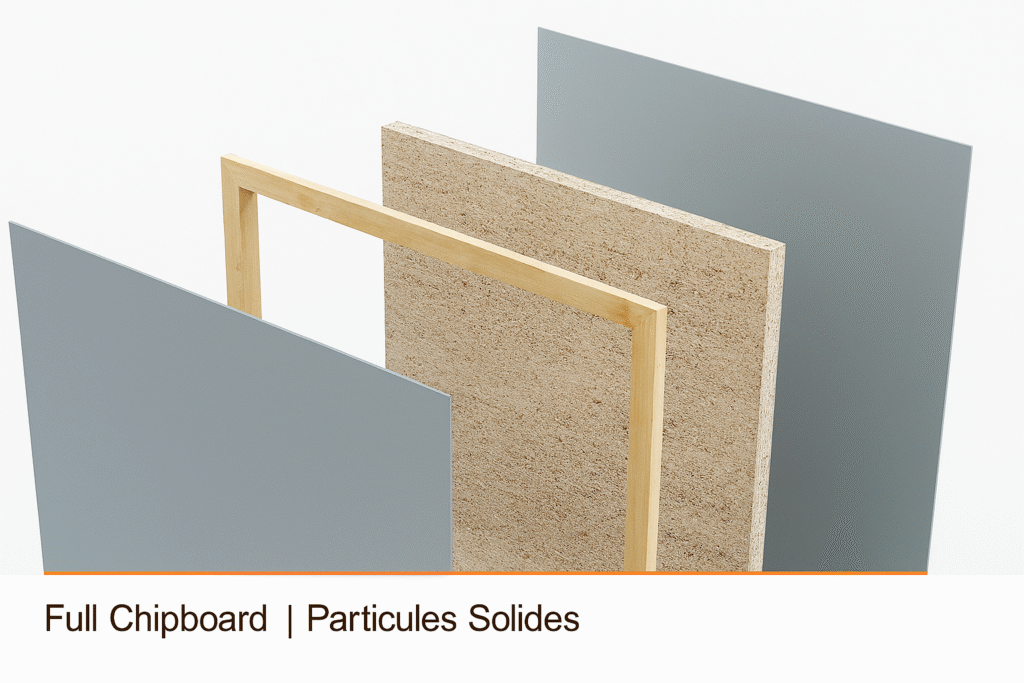
Solid Core Doors
The top recommendation for most bedrooms. Benefits: Excellent sound control, sturdy feel, more durable over time. Best for: Primary bedrooms, high-end projects, family homes, noise-sensitive rooms.
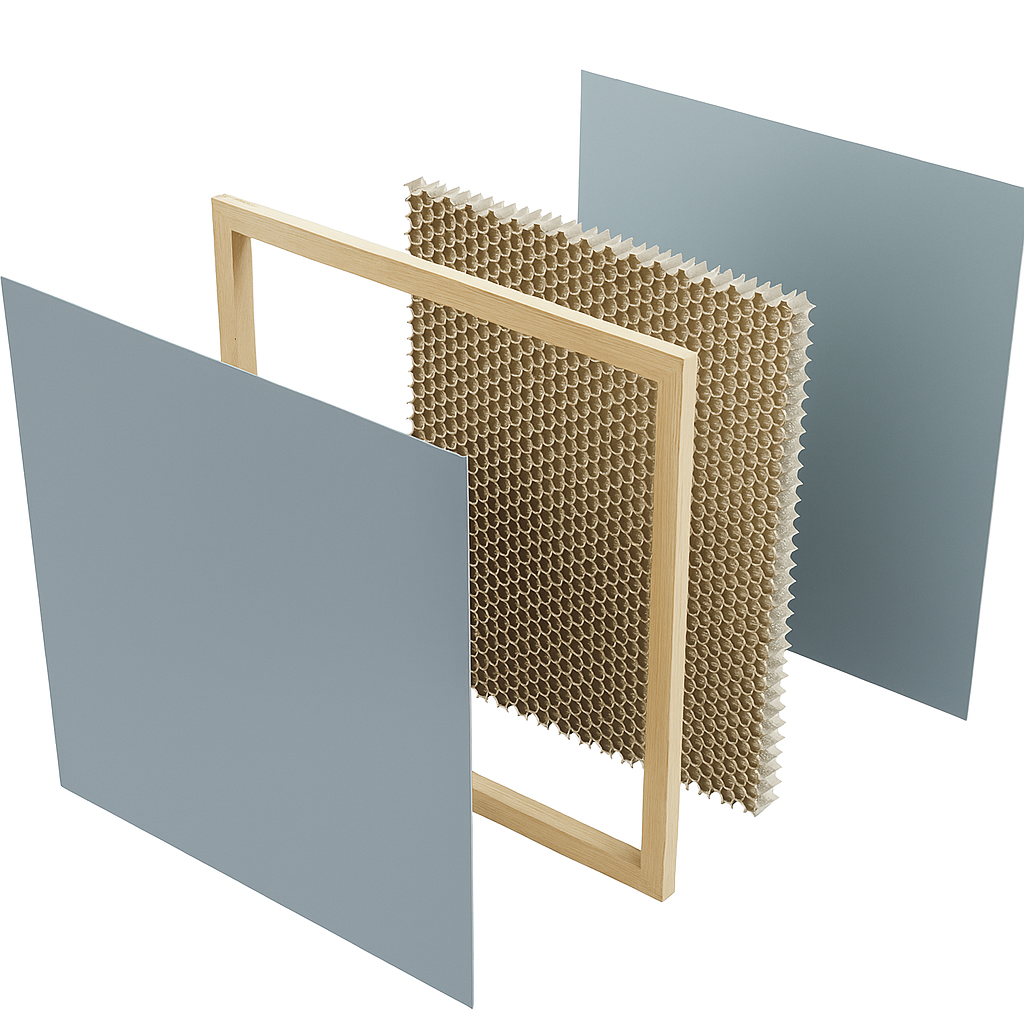
Hollow Core Doors
Lightweight and budget-friendly but offer minimal sound insulation. Best for: Rental units, secondary bedrooms, large-volume projects with cost sensitivity.
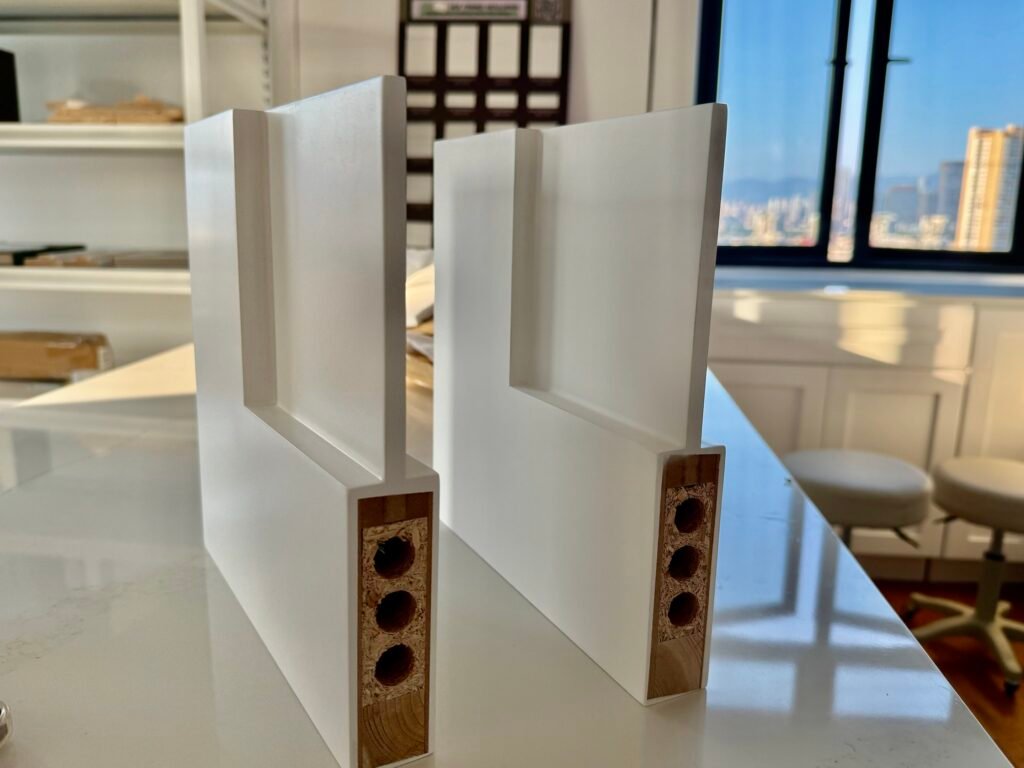
MDF Shaker Doors
One of the most popular choices in 2025. Benefits: Smooth surface, not prone to warping, modern appearance, ideal for painting. Best for: Renovations, modern interiors, projects needing strong stability and clean lines.
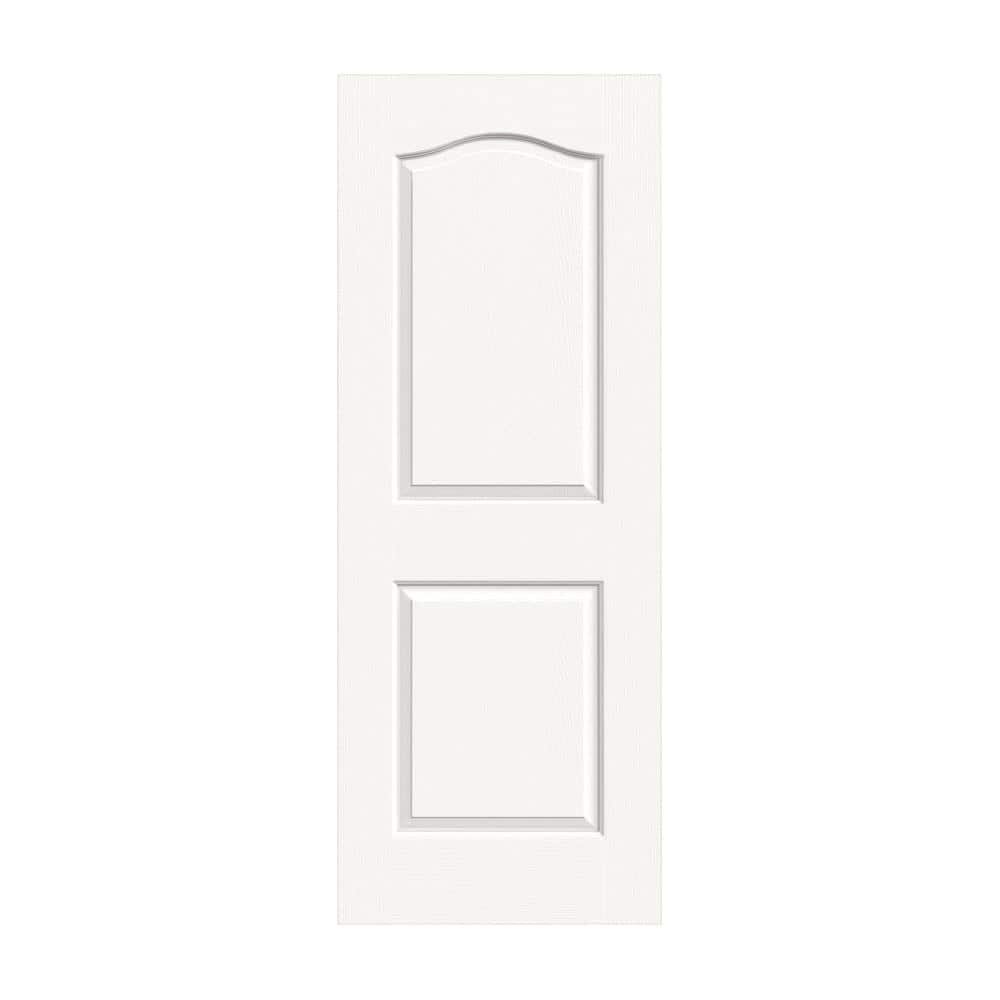
Molded Panel Doors
Cost-effective with a wide variety of panel designs. Best for: Large developments, budget-driven residential projects.
Glass or Frosted-Glass Panel Doors
Great for shared spaces or home offices, but privacy may need to be enhanced with frosted or textured glass. Best for: Guest rooms, multifunction rooms, contemporary homes.
Sliding & Pocket Doors
Space-saving solutions for tight rooms or modern architectural layouts. Best for: Small bedrooms, wardrobe enclosures, narrow corridors, minimalistic interiors.
By understanding how each type performs, you can easily match the right door to the right room and project.

Choose the Right Materials & Styles for 2026
Once the structure and type are chosen, the next step is selecting the material and style—both of which affect longevity, appearance, and budget.
MDF (Medium-Density Fiberboard)
The most stable and reliable option for painted doors.
Advantages:
- Doesn’t warp or crack easily
- Smooth for high-end paint finishes
- Ideal for Shaker and modern flat designs
Suitable for:
Modern homes, humid climates, durable residential projects.
Wood Veneer
Offers the beauty of natural wood without the cost of solid wood. Advantages: Warm, premium look; consistent grain; often used in luxury homes. Suitable for: High-design projects, boutique residences.
Solid Wood
Classic, heavy, and strong with excellent acoustic performance. Advantages: Natural grain, premium feel, long lifespan. Drawbacks: More expensive, prone to expansion or contraction in changing climates. Suitable for: Traditional homes, high-end custom builds.
Style & Color Trends for 2026
- Shaker-style (1-panel and 3-panel) remains at the top for modern and transitional interiors.
- Flat/flush doors dominate minimalist projects.
- Warm neutrals, including soft white, warm beige, taupe, and sand, continue to trend.
- Matte painted finishes offer a refined, elegant look.
- Black or gold hardware adds contemporary contrast and sophistication.
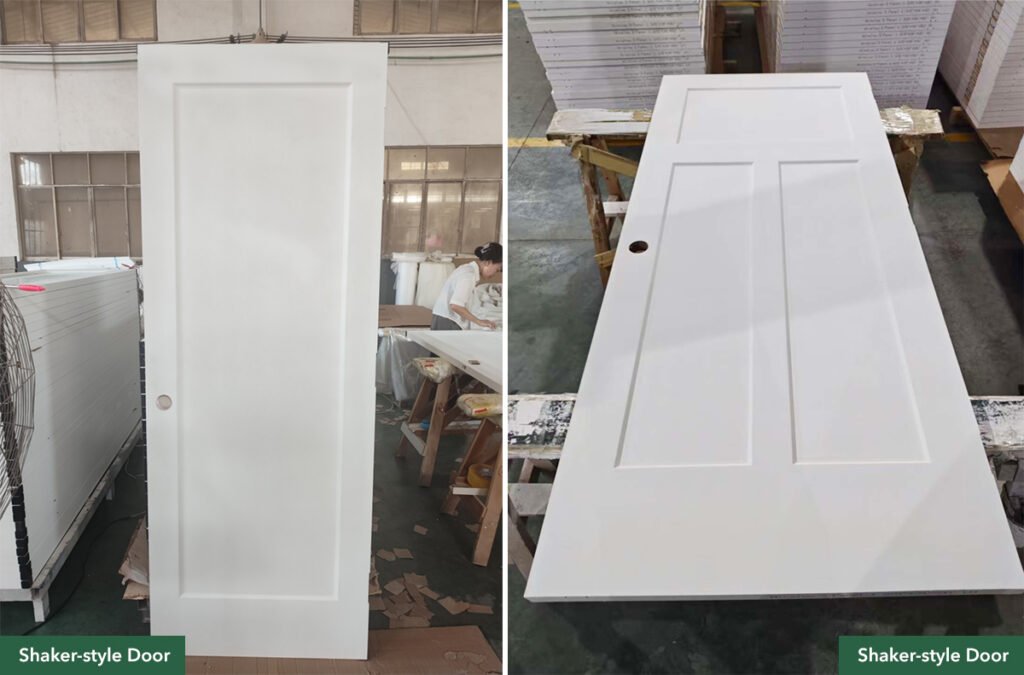
Choosing the right combination of material and style ensures the bedroom door enhances the entire home’s design language.
Budget, Measurements & Installation: What to Consider Before Buying
Even the best door can cause issues if the measurements or installation method is wrong. Planning ahead will prevent costly mistakes.
Budget Considerations
Bedroom door costs vary depending on:
- Core structure (solid vs hollow)
- Material (MDF, wood veneer, solid wood)
- Pre-hung vs slab door
- Hardware selection
- Paint or finish requirements
Pro tip: Spending a bit more on a solid-core or MDF door can significantly improve soundproofing and durability—especially in high-traffic homes.
Measurements Matter
Accurate measurements are essential. You’ll need:
- Rough opening height & width
- Door slab size
- Frame thickness
- Swing direction
- Clearance for baseboards and opening radius
Renovation projects may require custom widths or adjustments to fit an existing frame.
Installation Options
Pre-hung doors come with a frame, hinges, and door slab already assembled—ideal for construction projects and consistent installations. Slab doors are more budget-friendly but require professional installation, especially when replacing only the door panel.
Ensuring correct installation prevents issues like misalignment, uneven gaps, or poor sound insulation.

Conclusion
Choosing the perfect bedroom door in 2026 requires a balance of functional needs, design preferences, and installation considerations. By identifying what the room needs, comparing door types, selecting the right materials and styles, and planning for accurate measurement and installation, you can make a confident and informed decision. Whether you’re working on new construction, a renovation project, or a personal home upgrade, the right bedroom door will enhance comfort, elevate style, and improve the overall living experience.