Designing a functional kitchen isn’t just about picking the right appliances — it’s about how you integrate them. One detail that’s often overlooked but makes a huge difference is the microwave cabinet. The right microwave cabinet improves both the look and usability of your kitchen, helping you save counter space, streamline workflow, and create a clean, modern layout.
Here’s how to choose the perfect microwave cabinet that fits your kitchen design, cooking habits, and storage needs.
Choosing the perfect microwave cabinet depends on kitchen layout, usage, style, size, ventilation, functionality, and material durability. Upper cabinets suit small kitchens for easy access, lower cabinets work well in family kitchens, and tall cabinets integrate appliances in larger spaces. Materials like melamine MDF, plywood, or HPL resist heat and moisture. The cabinet should visually align with other cabinetry and appliances for a cohesive, practical, and safe kitchen design.
Why a Dedicated Microwave Cabinet Matters
A microwave is one of the most-used appliances in any kitchen. But when it sits on the countertop, it often eats up valuable space and disrupts the clean lines of your design.
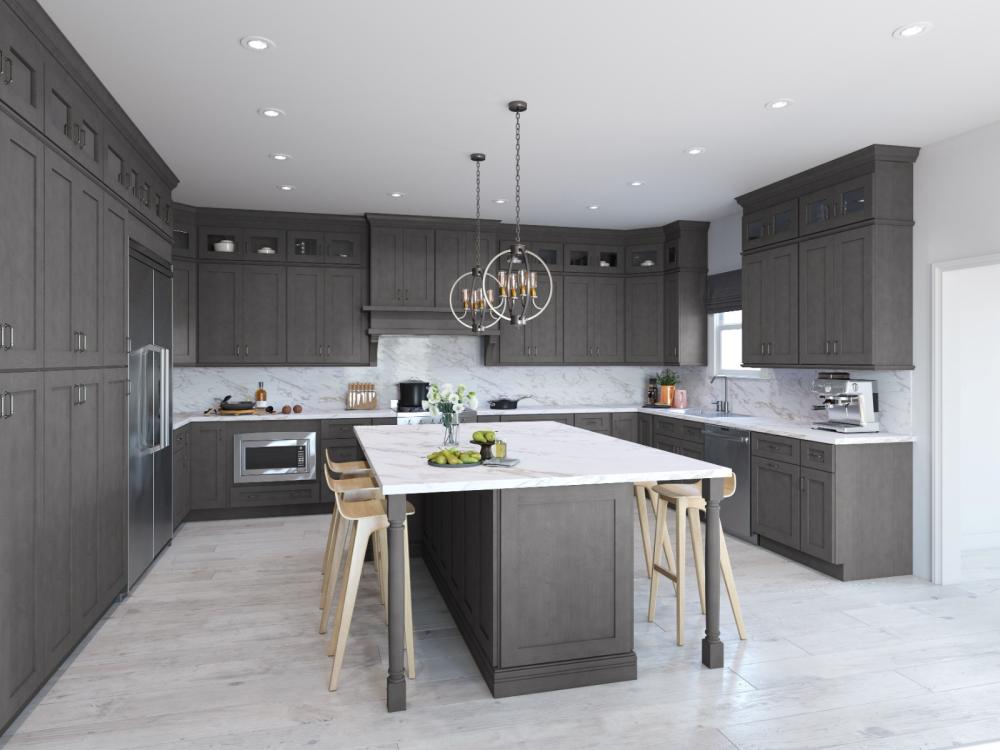
A built-in microwave cabinet solves that problem by giving your microwave a designated spot — either above the countertop, under the counter, or integrated into a tall cabinet. This not only keeps your kitchen organized but also enhances both ergonomics and aesthetics.
Key benefits:
- Saves countertop space
- Creates a clean, built-in look
- Improves accessibility and safety
- Keeps electrical cords hidden
- Integrates seamlessly with other cabinetry
Choose the Right Location
The first step is deciding where the microwave should go. Your layout, workflow, and available space will guide your choice.
Here are the most common placements:
Above the Countertop
Perfect for small kitchens. You can install the microwave in an upper cabinet or wall unit at eye level for easy access. Just make sure there’s enough ventilation above and behind it.
Best for: Compact kitchens and modern layouts.
Under the Countertop
Installing the microwave in a lower cabinet or island creates a sleek, minimalist look. It’s ideal for open kitchens or family homes where children can access it easily.
Best for: Contemporary and family-friendly designs.
Tall Cabinet Integration
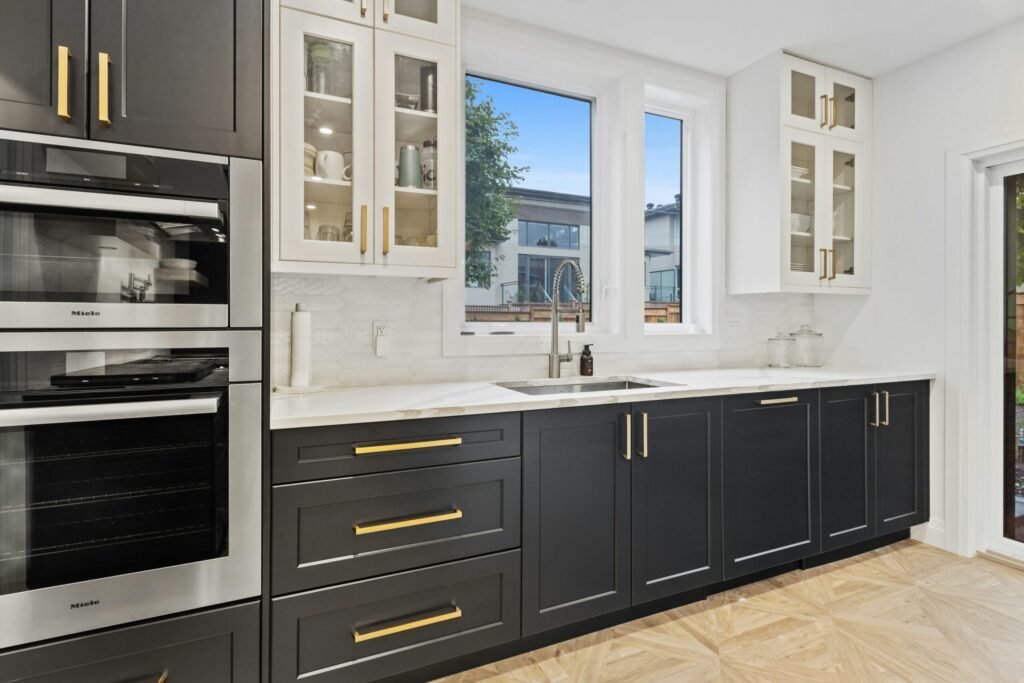
In larger kitchens, you can build the microwave into a tall cabinet or pantry tower, often paired with an oven. This keeps all your cooking appliances in one convenient vertical zone.
Best for: Large or semi-professional kitchens.
Match the Style with Your Kitchen Design
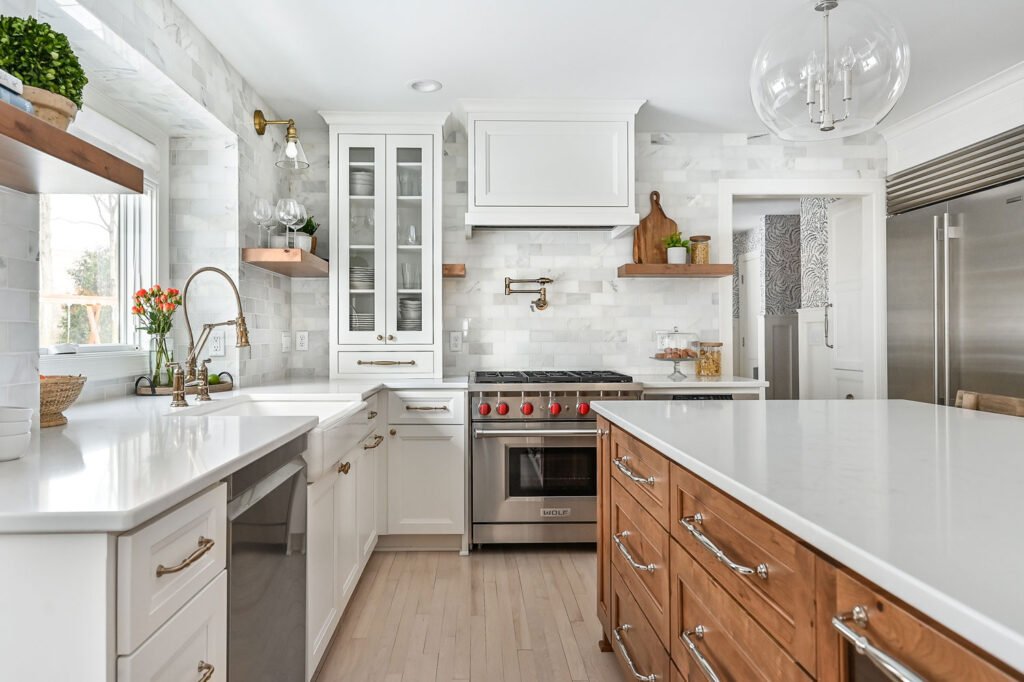
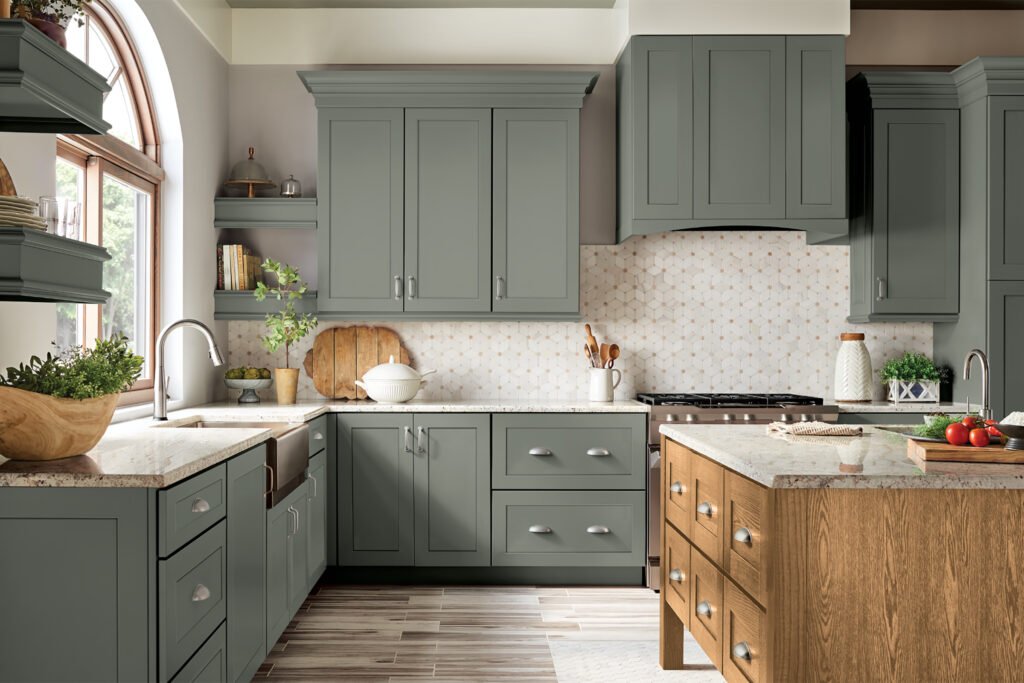
Your microwave cabinet should blend naturally with the rest of your cabinetry. When choosing materials, finishes, and colors, think about how they complement your overall kitchen style.
- Modern kitchens: Go for flat-panel doors, glossy finishes, and integrated handles.
- Traditional kitchens: Choose shaker-style or wood veneer cabinets with warm tones.
- Industrial or minimalist kitchens: Try matte black or metal finishes with open shelving above or below.
Tip: Consider using the same handle design and color tone as the rest of your cabinets for a cohesive look.
Get the Right Dimensions and Ventilation
Microwaves vary in size, and so should your cabinet. Always check your appliance’s cutout dimensions (width, height, and depth) before ordering or building the cabinet.
Leave at least 2–3 cm of clearance around the microwave for airflow — proper ventilation prevents overheating and extends the appliance’s lifespan.
If you’re planning a built-in microwave model, follow the manufacturer’s specific installation requirements. For countertop models placed inside a cabinet, consider adding a ventilation grille or open back panel.
Consider Functionality and Ergonomics
A microwave cabinet isn’t just a design choice — it should make your daily routine easier.
Ask yourself:
- How often do you use the microwave?
- Who uses it most — adults, kids, or elderly family members?
- Do you need extra storage for dishes or spices nearby?
If accessibility is key, a lower cabinet is better. If you prefer less bending and more convenience while cooking, choose an eye-level design.
Also think about adjacent storage — drawers for utensils, shelves for bowls, or an upper cabinet for food storage. The goal is to create a logical and comfortable cooking flow.
Add Smart Details for Safety and Convenience
Small details can elevate your microwave cabinet from functional to exceptional:
- Pull-out shelf: A retractable base that allows you to slide the microwave out for easier cleaning or use.
- Soft-close doors: Reduce noise and protect hinges from wear.
- Cable management hole: Keeps cords organized and hidden.
- LED lighting: Adds visibility and ambiance, especially in darker areas.
These finishing touches make your kitchen not only beautiful but also practical and durable.
Choose Quality Materials
A microwave generates heat and steam, so your cabinet materials must resist both.
Recommended materials:
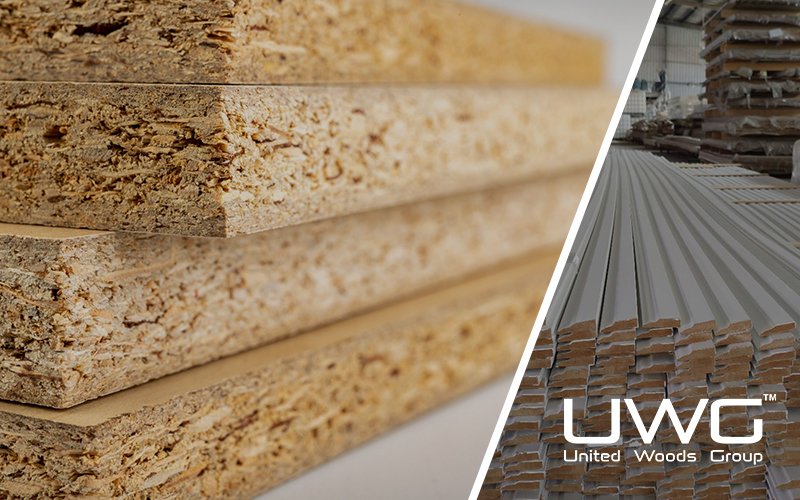
- Melamine-faced MDF or particleboard: Durable, affordable, and easy to clean.
- Laminated plywood: Stronger option for high-humidity kitchens.
- HPL (High Pressure Laminate): Scratch-resistant and ideal for heavy daily use.
Avoid untreated wood or soft materials that can warp or discolor over time.
Don’t Forget the Overall Aesthetic Balance
A good microwave cabinet doesn’t just “fit” your appliance — it balances your kitchen visually. Think about how the cabinet aligns with upper and lower cabinetry, backsplash, and nearby appliances.
For open-concept kitchens, built-in microwave cabinets help maintain a clean and uncluttered appearance — which is especially valuable when the kitchen is visible from the living or dining area.
Final Thoughts
Choosing the right microwave cabinet is about more than finding a place to hide your appliance — it’s about creating a smart, cohesive, and efficient kitchen design.
By considering placement, ventilation, style, and materials, you’ll end up with a solution that looks beautiful, performs well, and lasts for years.
So before you buy your next microwave or start your kitchen remodel, take the time to plan the perfect cabinet. Your countertop — and your cooking routine — will thank you.