Introduction
For developers, general contractors, and building material procurement teams, interior doors are a critical component of any construction project. Beyond basic functionality, interior door selection affects project cost control, acoustic performance, durability, aesthetics, and long-term maintenance. In multi-family housing, hospitality projects, and commercial developments, choosing the right interior door can significantly influence occupant experience and overall building quality.
This interior door buying guide is designed specifically for B2B decision-makers. It provides a structured overview of interior door materials, common styles, and cost considerations, helping developers and procurement professionals make informed, scalable, and cost-effective decisions.

An interior door buying guide helps developers and procurement teams evaluate door materials, styles, and costs for residential and commercial projects. Common interior door materials include hollow core, solid core, and solid wood, each offering different levels of durability, acoustic performance, and price. Door styles such as flush, panel, and molded designs impact both aesthetics and budget. Selecting the right interior door requires balancing performance requirements, project scale, and long-term lifecycle cost.
Interior Door Materials: What Are the Main Options?

Interior door materials determine a door’s performance, weight, durability, and price. From a B2B perspective, the most common options fall into three primary categories.
Hollow Core Doors
Hollow core doors feature a lightweight internal structure, usually made from cardboard or honeycomb material, with thin surface skins.
Key characteristics:
- Lowest cost option
- Lightweight and easy to install
- Minimal sound insulation
- Limited durability
Hollow core doors are typically used in low-budget residential projects or non-critical interior spaces.
Solid Core Doors
Solid core doors use a dense engineered core, such as particleboard or MDF, fully filling the interior of the door.
Key characteristics:
- Mid-range cost
- Improved sound insulation
- Greater durability and weight
- Consistent performance at scale
Solid core doors are widely specified in multi-family, hospitality, and commercial projects due to their balance of cost and performance.
Solid Wood Doors
Solid wood doors are constructed from natural wood planks or staves.
Key characteristics:
- Highest cost
- Premium appearance
- Heavy and more complex to install
- Susceptible to humidity-related movement
Solid wood doors are generally reserved for high-end or boutique projects where aesthetics outweigh cost concerns.
Interior Door Material Comparison Table
| Door Material | Cost Range (Per Door) | Weight | Sound Insulation | Durability | Typical B2B Applications |
|---|---|---|---|---|---|
| Hollow Core | $50–$120 | Light | Low | Low | Entry-level housing, closets |
| Solid Core | $120–$350 | Medium–Heavy | Medium–High | High | Apartments, hotels, offices |
| Solid Wood | $600+ | Heavy | Medium | Medium–High | Luxury residential, custom projects |
Interior Door Styles and Their Impact on Projects
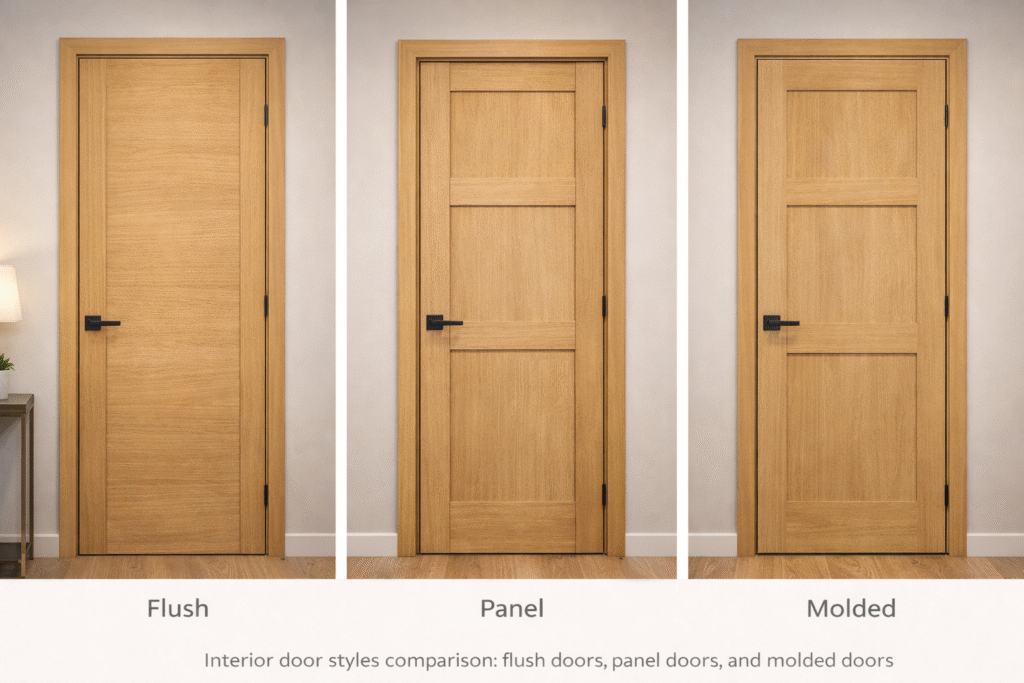
Beyond materials, door style affects both aesthetics and manufacturing cost.
Flush Doors
Flush doors feature a flat, smooth surface with no raised panels.
Advantages:
- Cost-effective
- Modern appearance
- Easy to manufacture and maintain
Flush solid core doors are a common choice in contemporary residential and commercial developments.
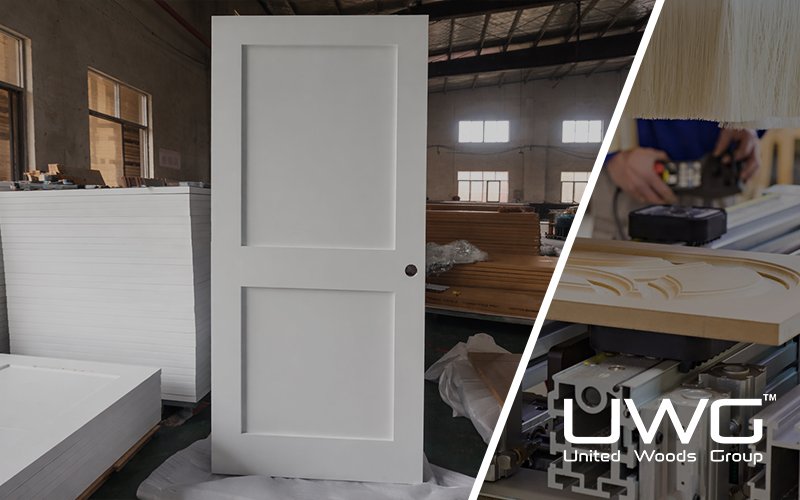
Panel Doors
Panel doors include recessed or raised panels, adding visual depth.
Advantages:
- Traditional or transitional design appeal
- Widely accepted in residential markets
Panel designs may slightly increase cost due to more complex manufacturing.
Molded Doors
Molded doors use HDF skins pressed into panel shapes.
Advantages:
- Consistent appearance
- Paint-ready surfaces
- Suitable for large-scale projects
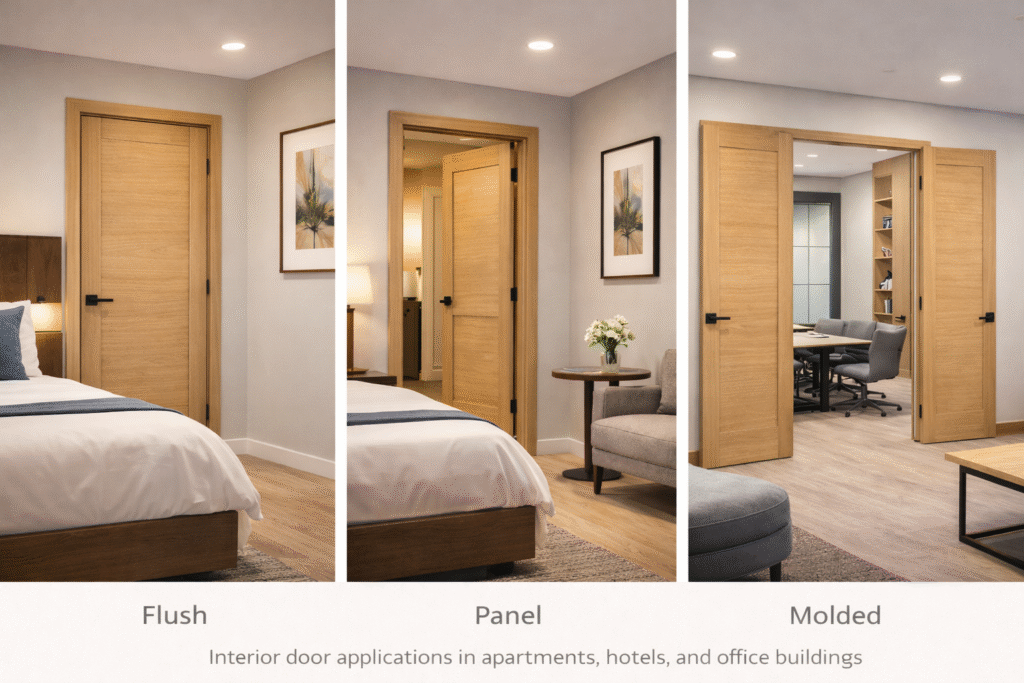
Molded solid core doors are popular in multi-family developments for their balance of style and cost control.
Interior Door Style Comparison Table
| Door Style | Appearance | Cost Impact | Maintenance | Common Use Cases |
|---|---|---|---|---|
| Flush | Modern, minimal | Low | Low | Apartments, offices |
| Panel | Traditional | Medium | Medium | Residential housing |
| Molded | Versatile | Low–Medium | Low | Multi-family, hospitality |
Cost Considerations for Developers and Procurement Teams
From a B2B perspective, interior door cost should be evaluated beyond unit price.
Key Cost Factors
- Material selection
- Door thickness and core type
- Fire or acoustic rating requirements
- Hardware compatibility
- Installation labor
While hollow core doors offer the lowest upfront cost, solid core doors often provide better lifecycle value, reducing replacement frequency, noise complaints, and maintenance expenses.
Performance Factors That Influence Door Selection
Acoustic Performance
Noise control is critical in:
- Multi-family housing
- Hotels and serviced apartments
- Offices and meeting rooms
Solid core doors significantly outperform hollow core doors in reducing sound transmission.
Durability and Lifecycle Value
In high-traffic environments, doors must withstand frequent use. Solid core and solid wood doors outperform hollow core options in long-term durability.
Consistency and Scalability
For large developments, consistent quality and predictable delivery timelines are essential. Engineered doors, especially solid core models, offer superior scalability.
How Developers Typically Specify Interior Doors
In most professional projects:
- Hollow core doors are limited to closets or secondary spaces
- Solid core doors are specified for bedrooms, corridors, and offices
- Solid wood doors are reserved for feature areas or premium units
This tiered approach helps balance cost, performance, and perceived quality.
Frequently Asked Questions About Buying Interior Doors
Q: Should I choose Solid Wood or Solid Core MDF for painted interior doors?
A: If you plan to paint your doors, Solid Core MDF is the superior choice. Solid wood naturally expands and contracts with changes in North American humidity, which can cause paint to crack at the joints. MDF is dimensionally stable, provides a perfectly smooth surface for paint, and offers excellent soundproofing (STC ratings) at a much lower cost than solid wood.
Q: Where is it acceptable to use Hollow Core doors to save money?
A: To optimize your building budget without sacrificing the “feel” of the home, use a hybrid approach. Install heavy, Solid Core doors in areas where privacy and noise reduction matter most (bedrooms, bathrooms, home offices). You can safely downgrade to Hollow Core doors for closets, pantries, and utility rooms where sound transmission is not a concern.
Q: How do I prevent MDF or molded interior doors from swelling in bathrooms?
A: Moisture damage usually occurs at the bottom of the door where it absorbs water from the floor. To prevent this, installers must seal all six edges of the door—including the top and bottom—with a high-quality primer and paint before final installation.
Q: How can contractors lower the cost of interior doors on volume projects?
A: The most effective way to reduce costs on large multi-family or tract home projects is to bypass domestic distribution markups and source factory-direct. By importing pre-hung or slab doors directly from a manufacturer like UWG, builders can secure premium materials (like solid core shaker doors) at prices closer to local retail hollow-core options.
Conclusion
Selecting the right interior door requires careful evaluation of materials, styles, and costs—especially in large-scale residential and commercial developments. Hollow core doors offer low upfront cost but limited performance. Solid wood doors deliver premium aesthetics at a high price. Solid core doors provide a balanced solution, combining durability, sound insulation, and cost efficiency.
For developers and procurement teams, understanding these differences is essential to achieving long-term value, consistent quality, and successful project outcomes.
Articles that you may be interested in:
Noise-Reducing Flooring Solutions for Multifamily Projects (2026 Guide)
China Supplier Sourcing Guide: Tips for Finding Trusted Partners
Expert Guide to Door Frames: Materials, Types, and How to Install Them Right