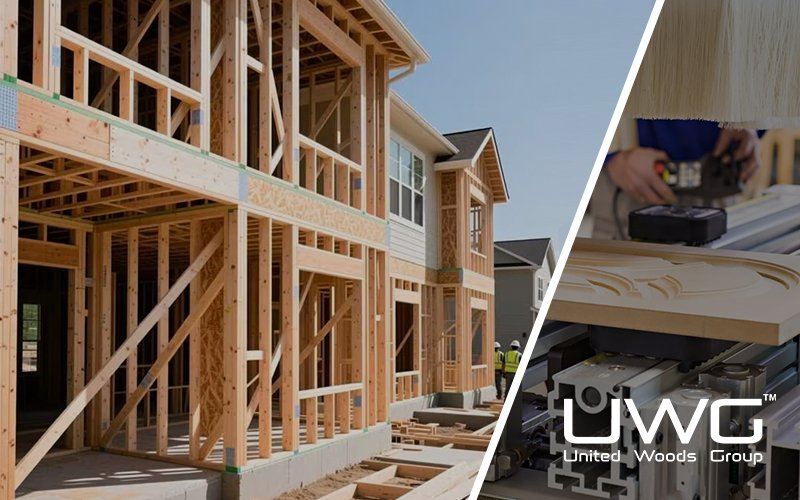
The U.S. multifamily sector is navigating material cost volatility, sustainability mandates, and evolving building codes. While concrete and steel remain essential, wood framing and mass timber are rapidly gaining ground in mid-rise and mixed-use developments. Builders and wholesalers are adjusting procurement strategies to address lumber price fluctuations, ESG pressure, and faster project timelines. Across the multifamily industry, wood-based systems—especially engineered wood and hybrid podium designs—are emerging as the dominant solution for balancing cost, speed, and environmental performance.
Rising construction costs and unpredictable supply chains are squeezing margins in multifamily projects. Builders and wholesalers face constant pressure to deliver faster and greener buildings. Understanding today’s material trends—especially the expanding role of wood—is no longer optional. It’s a competitive advantage.
The key multifamily housing material trends in the U.S. include increased use of wood framing in mid-rise buildings, growing adoption of mass timber (CLT and glulam), hybrid concrete-wood podium structures, sustainability-driven material selection, and strategic sourcing to manage lumber price volatility. Wood is leading due to cost efficiency, speed of construction, and carbon performance advantages.
Now let’s break down how these trends impact real-world multifamily construction decisions and long-term material procurement strategies.
What Materials Are Most Commonly Used in Multifamily Housing?
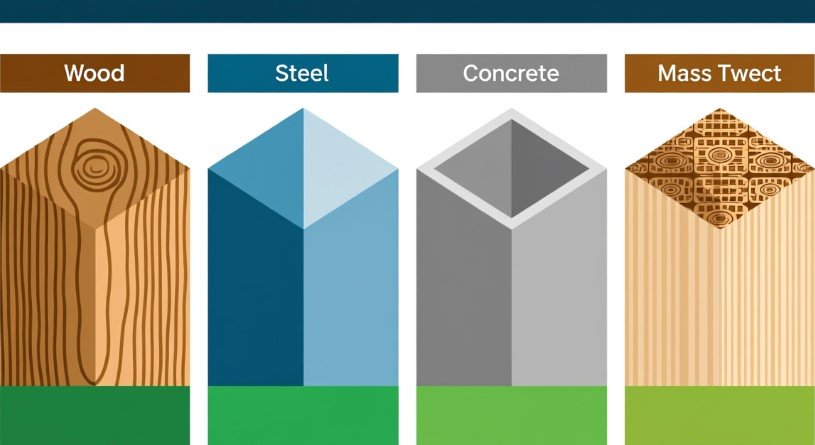
In today’s multifamily housing trends, the most common structural systems include:
- Wood-frame construction (Type III and Type V)
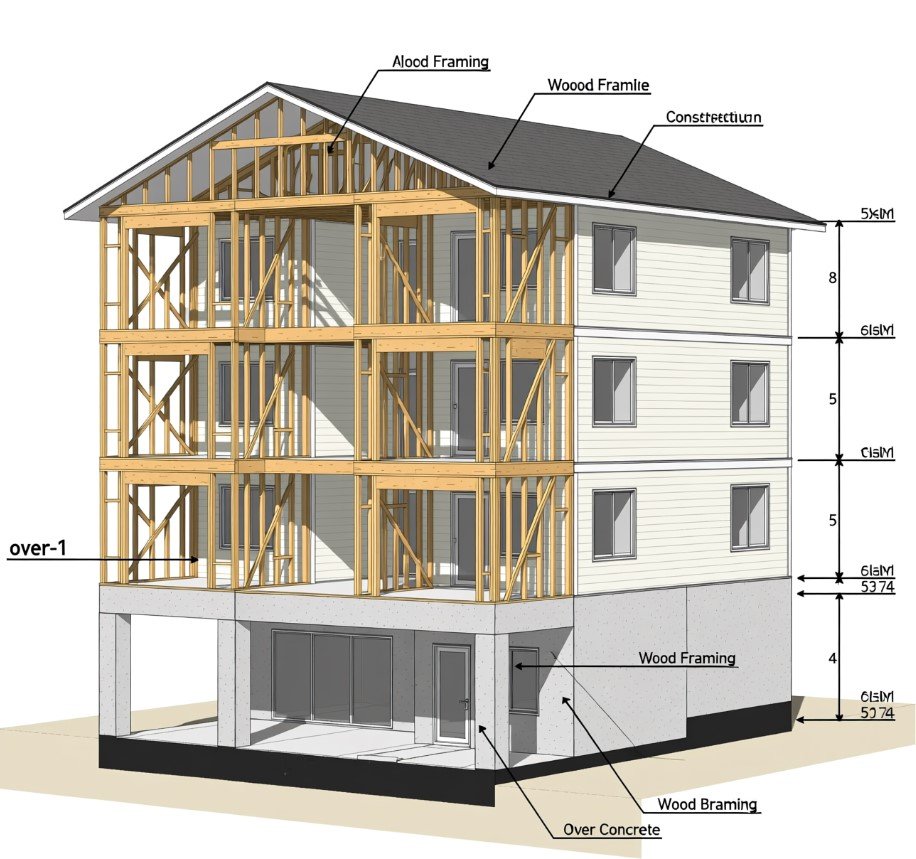
- Concrete podium with wood upper levels (5-over-1 design)
- Steel framing (limited mid-rise applications)
- Structural concrete for high-rise buildings
- Hybrid systems combining concrete cores and wood floors
Wood-frame construction dominates low- to mid-rise multifamily development because it offers cost efficiency and faster build cycles.
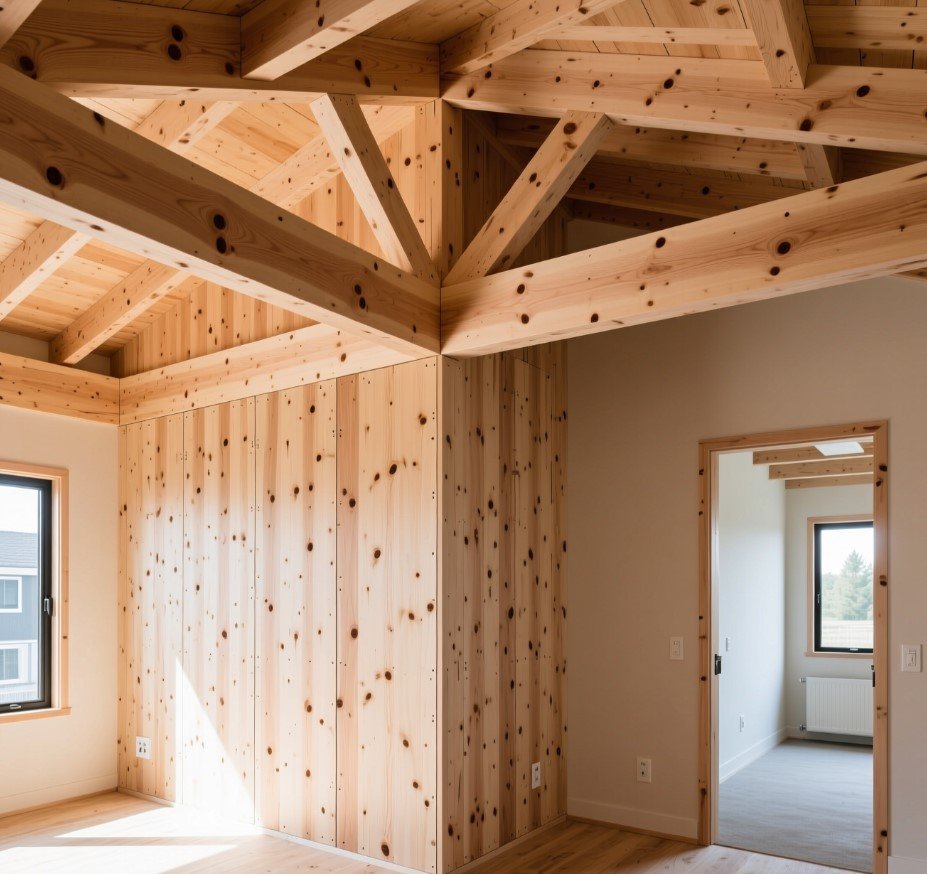
Why Is Wood Dominating U.S. Multifamily Construction?
Wood remains the preferred material in the multifamily industry for several reasons:
1. Cost Efficiency
Wood systems typically cost less than full structural steel or concrete systems in mid-rise applications.
2. Faster Construction
Wood framing allows rapid on-site assembly, reducing overall construction timelines and financing costs.
3. Labor Familiarity
Contractors across the U.S. have deep experience with wood-frame multifamily construction methods.
4. Expanding Building Codes
Updated codes now permit taller wood structures, expanding its application in urban developments.
Recent Multifamily housing news and reporting from platforms like Multi family Dive show developers increasingly selecting wood to maintain profitability amid cost pressures.
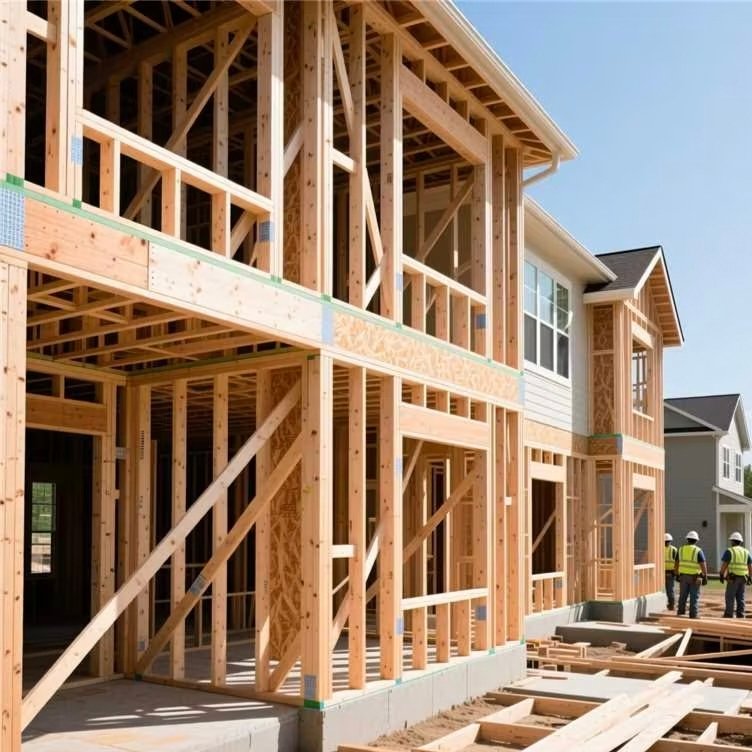
Is Mass Timber Replacing Concrete in Multifamily Projects?
Mass timber—particularly Cross-Laminated Timber (CLT) and glulam—is not fully replacing concrete but is expanding rapidly in mid-rise and mixed-use projects.
Why mass timber is gaining traction:
- Reduced embodied carbon
- Strong structural performance
- Aesthetic appeal
- ESG compliance advantages
- Growing investor demand for sustainable assets
Projects highlighted in discussions around the Multifamily Executive Awards 2026 demonstrate that mass timber is increasingly viewed as a strategic innovation rather than a niche material.
Concrete remains dominant in high-rise construction, but hybrid systems combining concrete cores with mass timber floors are becoming more common.
How Have Lumber Prices Impacted Multifamily Development?
Lumber price volatility between 2022 and 2025 significantly impacted multifamily housing material trends in the U.S.
Builders experienced:
- Budget unpredictability
- Project cost revisions
- Procurement strategy shifts
Wholesalers adapted by:
- Expanding inventory management systems
- Diversifying supply sources
- Increasing forward contracts
Although pricing has stabilized compared to 2022 peaks, material forecasting remains critical.
What Are the Sustainable Material Trends in Multifamily Housing?
Sustainability continues to reshape multifamily housing trends.
Key drivers include:
- ESG reporting requirements
- Municipal carbon regulations
- Investor sustainability mandates
- Tenant preference for green buildings
Wood products, particularly engineered wood, are positioned as lower-carbon alternatives to steel and concrete. Unlike energy-intensive materials, wood stores carbon throughout its lifecycle.
Multifamily websites and industry analysts consistently report increased demand for wood-based construction aligned with LEED and Green Globes certifications.
What Is the Future of Wood in the Multifamily Industry?
Looking ahead, wood’s influence in the multifamily industry will expand in three primary directions:
1. Prefabrication and Modular Systems
Factory-built wall panels and engineered wood floor systems reduce waste and improve installation speed.
2. Digitally Integrated Supply Chains
Wholesalers using demand forecasting tools gain competitive advantages in pricing and availability.
3. Broader Mass Timber Adoption
As urban density increases, mass timber will continue competing with steel in mid-rise and mixed-use construction.
Even as multifamily starts fluctuate, material innovation remains strong. Wood is transitioning from a cost-saving option to a strategic structural solution.
Summary
Wood defines today’s multifamily housing material trends in the U.S. From traditional framing to advanced mass timber systems, it delivers cost efficiency, speed, and sustainability benefits. For builders and wholesalers, strategic wood sourcing and material planning will shape competitive positioning in the evolving multifamily industry.
Articles that you may be interested in:
Building Material Deep Dive: A Complete Guide to Melamine Doors
Interior Door Buying Guide: Materials, Styles, and Costs
How to Avoid Reorders and Rework Caused by Material Mismatches